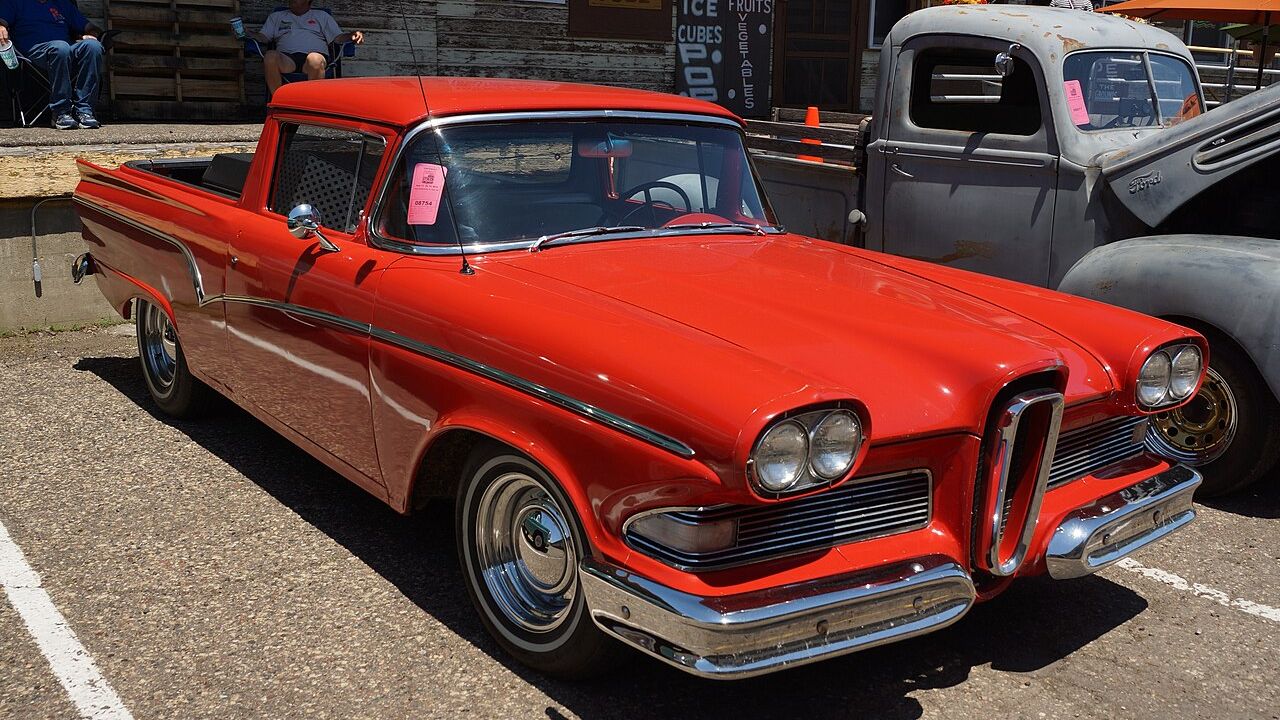
The Ford Edsel was launched in 1958 with grand expectations but quickly became a symbol of failure in the automotive industry. Despite significant investments and innovative features, a combination of market misjudgments and execution errors led to its downfall.
The Background of the Edsel Project
In the late 1950s, Ford faced increasing competition from both domestic and foreign automakers. The company recognized a pressing need for a new brand to capture the attention of middle-class families who were eager for innovation and style. In response, Ford initiated the Edsel project, naming the new line after Edsel Ford, the son of the company’s founder. The aim was to create a vehicle that would appeal not only to the tastes of the time but also to the aspirational desires of American consumers.
The Edsel was envisioned as a unique offering that would bridge the gap between Ford’s more economical models and its luxury Lincoln line. The target demographic was primarily middle-class families who were looking for a blend of affordability, technological advancement, and stylish design. Extensive market research was conducted to ensure that the Edsel would meet these expectations, with initial design concepts reflecting an ambitious vision for the future of American automobiles.
The Hype and Marketing Campaign
The launch of the Ford Edsel was accompanied by an extensive marketing campaign, designed to generate excitement and anticipation. The company invested heavily in a series of teaser ads, which hinted at the arrival of a revolutionary new car that would change the automotive landscape. Celebrity endorsements played a significant role in the marketing strategy, with famous figures lending their names and images to promote the Edsel, creating a buzz in both traditional and emerging media channels.
However, the public’s expectations soared far beyond what the Edsel could deliver. The innovative features that were marketed as groundbreaking were not as well-received as anticipated. For instance, the promise of advanced technology, such as the push-button transmission, did not resonate with consumers, who were often skeptical of newfangled gadgets. The disconnect between the hype and the actual product led to disappointment, as many consumers found the Edsel to be less impressive than they had been led to believe.
Design Choices and Aesthetics
The design of the Edsel is one of the most talked-about aspects of its history. Its styling featured the infamous “horse-collar” grille, which sparked widespread criticism and became a symbol of the car’s failure. Many consumers found the design unattractive, and comparisons to contemporary cars illustrated a stark contrast in public taste. While some designers praised the Edsel for its boldness, the general consensus among consumers was that the aesthetics missed the mark.
The design team had envisioned a vehicle that would stand out in a crowded marketplace, yet many consumers felt alienated by the unconventional look. The Edsel’s unique features, such as the retractable headlights and the unusual dashboard layout, failed to resonate with the target demographic, reflecting a significant disconnect between Ford’s design ambitions and consumer preferences. This misalignment ultimately played a critical role in the car’s lack of acceptance in the market.
Pricing and Positioning Challenges
The pricing strategy for the Ford Edsel was another misstep. Aimed at positioning the Edsel as a premium brand, Ford set the price point higher than the standard offerings of the time, which alienated potential buyers who were not willing to pay a premium for what they perceived as a flawed product. This decision was compounded by market research that had incorrectly assessed consumer willingness to pay for the Edsel’s features and design.
As the automotive market was already saturated with competitive offerings, the Edsel’s pricing strategy created barriers for many middle-class families. The car’s perceived value did not match its cost, leading to further disillusionment among consumers. The introduction of the Edsel as a premium brand ultimately backfired, as it failed to attract the intended audience while simultaneously alienating existing Ford customers who were accustomed to more affordable options.
Economic Context and Market Conditions
The economic landscape in 1958 also played a significant role in the Edsel’s failure. The country was in the midst of a recession, which adversely affected consumer spending on big-ticket items like automobiles. As families tightened their budgets, the demand for cars declined, and consumers became more cautious about making significant purchases. This context made it even more challenging for the Edsel to gain traction in the market.
Shifts in consumer preferences during this period also impacted the Edsel’s reception. The late 1950s saw a growing interest in smaller, more economical cars, as consumers began to prioritize fuel efficiency and affordability over the luxury and bold design that the Edsel represented. Ford’s failure to adapt to these changing economic conditions further exacerbated the challenges faced by the Edsel, as the company struggled to capture the evolving tastes of its target market.
Production and Quality Issues
Quality control problems during the production of the Edsel further undermined its potential success. Reports of manufacturing delays, coupled with issues related to assembly quality, led to numerous consumer complaints. As the Edsel rolled out to dealerships, it quickly became clear that many vehicles had defects and inconsistencies, which tarnished the brand’s reputation before it even had a chance to establish itself in the market.
These production challenges were particularly damaging, as consumers were quick to share their negative experiences. Word-of-mouth and early reviews highlighted the Edsel’s shortcomings, leading to a tarnished image that proved difficult to recover from. As more complaints surfaced, potential buyers became increasingly wary, resulting in a vicious cycle that further diminished the Edsel’s credibility in the automotive landscape.
Competition and Market Dynamics
The competitive landscape during the late 1950s was fierce, with numerous brands and models vying for consumer attention. Companies like Chevrolet and Chrysler were launching their own innovative designs, capturing market share with offerings that resonated more effectively with the public. The rise of foreign competition, particularly from European automakers, introduced new levels of quality and design that further diluted the Edsel’s appeal.
As consumer loyalty began to shift, Ford’s strategic positioning for the Edsel became increasingly tenuous. The inability to effectively compete with rival brands left the Edsel vulnerable, as it struggled to carve out a niche in an already crowded market. This competitive pressure ultimately contributed to the car’s lack of sales, as consumers opted for alternatives that better aligned with their preferences and expectations.
Public Perception and Media Coverage
Media coverage played a pivotal role in shaping public perception of the Edsel. Early marketing efforts were met with skepticism, and as the car failed to live up to the hype, the media narrative shifted dramatically. Articles and reviews began to highlight the Edsel’s design flaws and quality issues, leading to a widespread perception that it was a failed experiment. This negative media portrayal only compounded the challenges faced by Ford, as consumers began to view the Edsel as a cautionary tale rather than an innovative product.
Furthermore, the role of social media—albeit in a less advanced form—during this time cannot be understated. While platforms like Twitter and Instagram were non-existent, print and television news served as the primary mediums for sharing consumer feedback. The virality of negative reviews and public sentiment quickly reached a broader audience, ensuring that the Edsel’s reputation was irrevocably damaged in a relatively short period.
Lessons Learned from the Edsel Failure
The failure of the Ford Edsel serves as a cautionary tale for manufacturers regarding the importance of thorough market research and understanding consumer insights. Key takeaways include the need for companies to align product design with the preferences and expectations of their target demographics. The Edsel’s downfall illustrates how miscalculations in market strategy, branding, and design can lead to disastrous consequences, even with significant investments and innovative ideas.
Moreover, the Edsel’s story has influenced modern automotive marketing strategies, emphasizing the necessity of agility and responsiveness to changing market conditions. As manufacturers continue to navigate an increasingly competitive landscape, the lessons learned from the Edsel’s failure remain relevant, reminding brands of the importance of listening to consumer feedback and adapting accordingly. For more insights on failed products and innovations, check out this article on failed products.
More from Fast Lane Only