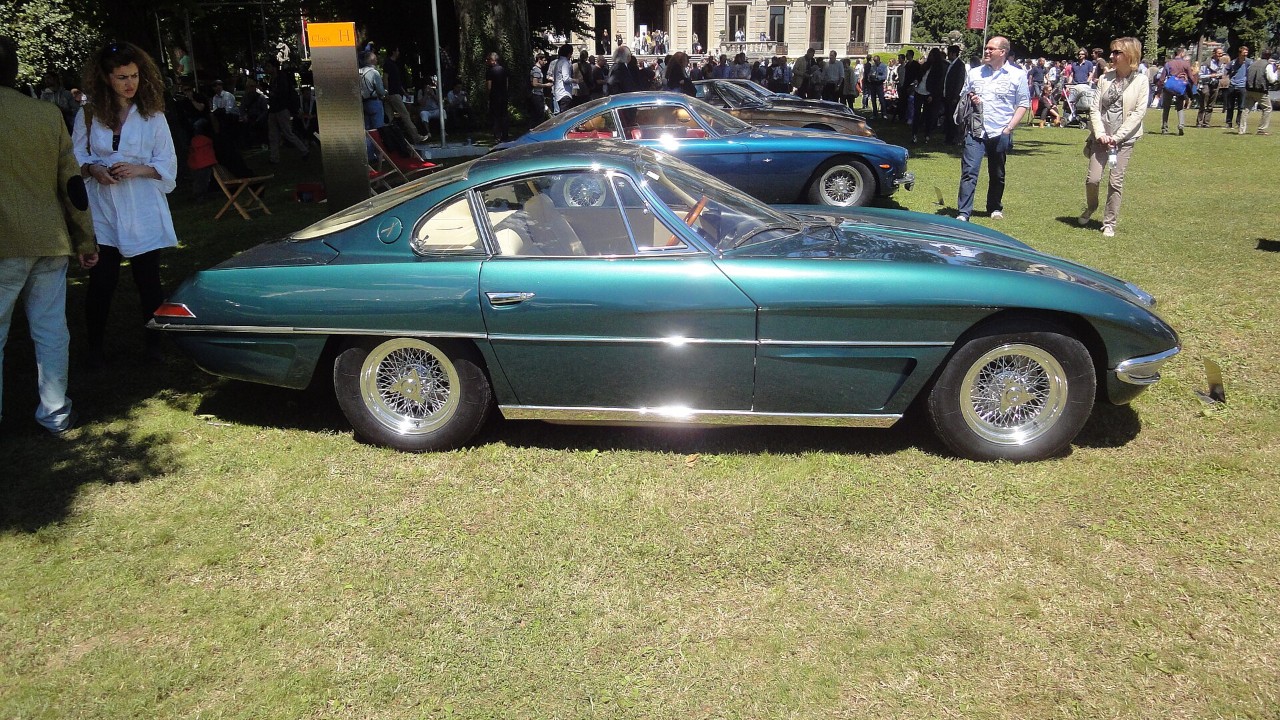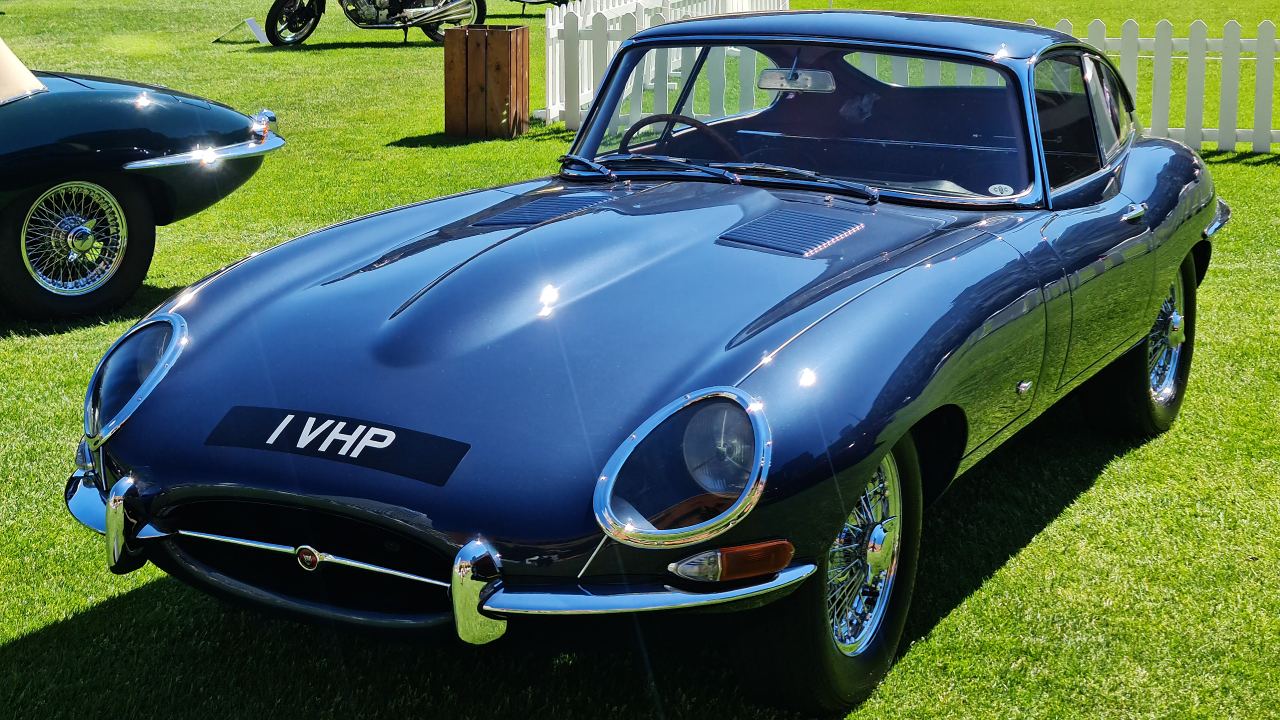
The 1961 Jaguar E-Type is often hailed as one of the most beautiful cars ever made, a design that seemed to transcend the automotive norms of its time. Its sleek lines and innovative engineering made it an icon, leaving an indelible mark on car enthusiasts and the automotive industry alike. The story behind its creation reveals a blend of visionary design, technological advancements, and a cultural landscape that shaped this extraordinary vehicle.
Design Philosophy and Aesthetics
The design of the Jaguar E-Type is a striking example of how aerodynamics can influence aesthetics. At a time when most sports cars adhered to boxy shapes, the E-Type broke the mold with its elongated hood and gracefully curving body. Sir William Lyons, the founder of Jaguar, envisioned a car that combined beauty with performance. He believed that a car’s design should evoke emotion, and the E-Type certainly did that with its alluring silhouette and attention to detail.
Influenced by the Italian design houses, particularly Pininfarina, the E-Type emerged with a sculptural quality that was almost art-like. The smooth, flowing lines not only enhanced its visual appeal but also contributed to its aerodynamic efficiency. The design integrated functional elements, such as the large front grille for cooling and the long tail, which helped reduce drag. This marriage of form and function was groundbreaking for its time, setting a new standard in automotive design.
Technological Innovations
The Jaguar E-Type was not just a pretty face; it was also a marvel of engineering. At its launch, the E-Type featured advanced engineering techniques that were pioneering for the early 1960s. One of the most significant innovations was the use of monocoque construction, which allowed for a lighter yet stronger chassis. This construction method also improved handling and safety, giving the E-Type an edge over its competitors.
Furthermore, the suspension system of the E-Type was revolutionary. The double wishbone front suspension and independent rear suspension provided exceptional handling and ride comfort, characteristics that would become hallmarks of high-performance vehicles. These technological advancements not only made the E-Type a pleasure to drive but also established Jaguar as a leader in automotive innovation during that era.
Competitive Landscape of the 1960s
The automotive industry in the early 1960s was a competitive arena filled with iconic brands and models. The E-Type entered a market dominated by powerhouses like Ferrari and Porsche, each vying for the title of the ultimate sports car. The Ferrari 250 GTO, for instance, was heralded for its racing pedigree and performance, yet the E-Type offered a compelling alternative that combined similar performance with a more approachable price point.
Motorsports played a significant role in shaping the public perception of these vehicles. The E-Type’s success on the racing circuit helped solidify its reputation as a formidable competitor, challenging the status quo set by brands like Ferrari. The participation of the E-Type in events such as the RAC TT further showcased its capabilities and contributed to its allure among enthusiasts and potential buyers alike.
Market Reception and Cultural Impact
The debut of the E-Type at the Geneva Motor Show in 1961 created a sensation. The public reaction was overwhelmingly positive, with many praising its stunning design and advanced features. It was not just a car; it was a statement piece that represented the spirit of the era. The E-Type quickly became a symbol of luxury and performance, attracting attention from media outlets and celebrities alike.
Throughout the years, the E-Type has been featured in numerous films and television shows, cementing its status as an automotive icon. Its appearances in movies like “Austin Powers: International Man of Mystery” and various documentaries have kept the E-Type in the public consciousness. The car’s cultural significance extends beyond cinema; it has been referenced in music, art, and literature, reinforcing its enduring appeal. The E-Type has truly become a part of automotive history.
Engineering Challenges
Despite its many successes, the development of the E-Type was not without its challenges. Engineers faced numerous obstacles during the design and production phases, particularly in balancing performance with the luxury expected from a Jaguar. The original specifications called for a car that could achieve 150 mph, which presented significant engineering hurdles that the team had to overcome.
Additionally, the luxury elements, such as the interior finishes and comfort features, needed to be integrated without compromising the vehicle’s performance capabilities. This delicate balancing act required innovative solutions, such as using lightweight materials and advanced manufacturing techniques. The final design of the E-Type, with its blend of performance and luxury, stands as a testament to the engineering prowess of the Jaguar team.
Legacy and Enduring Appeal
The legacy of the Jaguar E-Type continues to influence automotive design and engineering today. Its impact can be seen in subsequent Jaguar models, which have sought to capture the spirit of the E-Type while incorporating modern technologies. The E-Type’s aesthetic and performance benchmarks have inspired countless designers and engineers across the industry.
Moreover, the E-Type remains a coveted classic among collectors and enthusiasts. Its limited production numbers, combined with its iconic status, have made it a highly sought-after vehicle in the classic car market. Events like the annual celebrations of its debut keep its spirit alive, attracting fans from around the world who come together to admire and celebrate this timeless masterpiece.
Future of the E-Type: Restorations and Electric Versions
The rise of restoration culture has brought renewed interest in the Jaguar E-Type, with enthusiasts dedicating time and resources to restore these classic cars to their former glory. Skilled craftsmen and restoration experts work tirelessly to maintain the authenticity of the E-Type while also upgrading certain components for modern performance and reliability. This passion for preservation ensures that the E-Type will continue to be appreciated by future generations.
Additionally, the automotive industry is evolving, with a growing emphasis on electric vehicles. Plans for electric conversions of classic models, including the E-Type, are underway, blending the car’s classic design with modern electric technology. Such innovations promise to extend the E-Type’s legacy into the future, allowing it to adapt to changing consumer preferences while retaining its iconic status. The combination of classic aesthetics with contemporary technology paves the way for a new chapter in the E-Type’s storied history.
More from Fast Lane Only