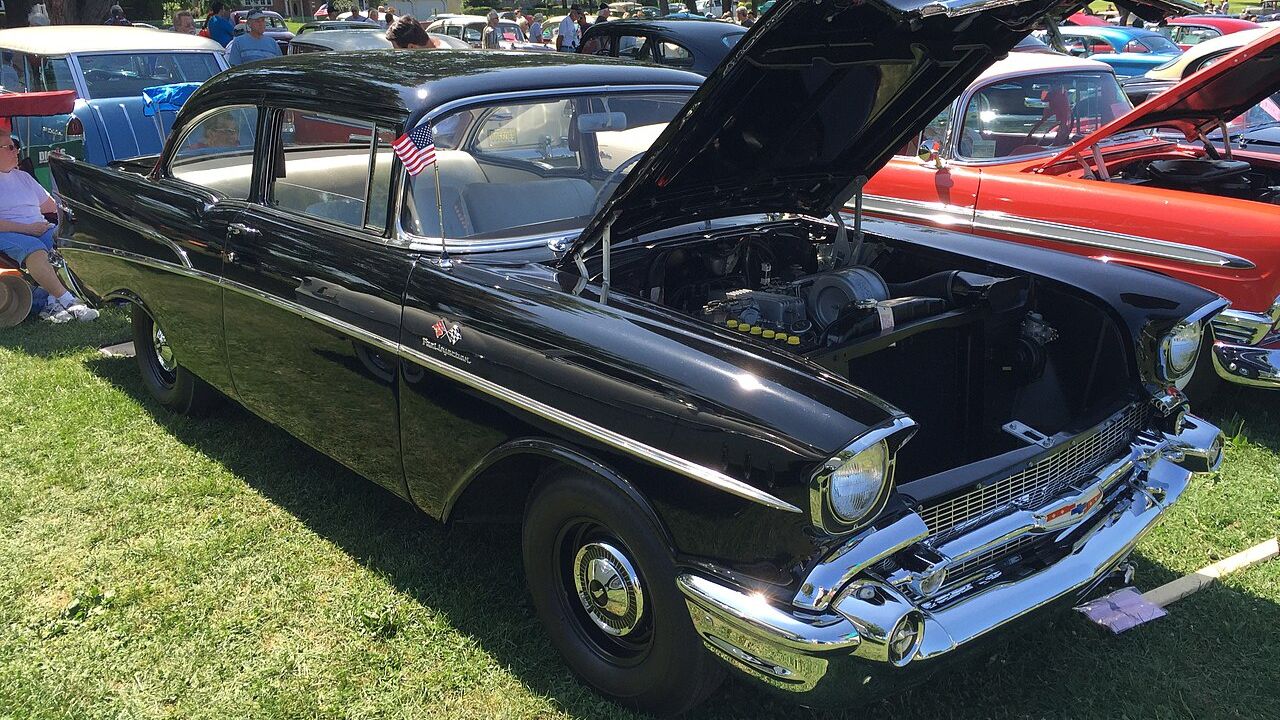
The 1957 Chevrolet fuel-injected V8 was a revolutionary milestone in automotive engineering, setting new standards for performance and efficiency. This remarkable vehicle not only transformed the Chevrolet brand but also reshaped consumer expectations for performance vehicles in the years to come.
Historical Context
The automotive landscape of the 1950s was marked by a post-war boom that ignited consumer demand for powerful and stylish vehicles. As families prospered and the economy flourished, the desire for speed and performance became paramount. Chevrolet, recognizing this trend, positioned itself strategically in the market by introducing models that not only catered to practicality but also offered exhilarating performance. The competition was fierce, with Ford’s Thunderbird and Chrysler’s 300 series vying for consumer attention. The backdrop of this competitive environment set the stage for Chevrolet’s ambitious launch of the 1957 fuel-injected V8.
During this period, Chevrolet was not just a manufacturer; it was a symbol of American automotive ingenuity. The brand’s commitment to innovation was evident in its decision to introduce fuel injection technology, a move that would redefine the performance landscape. With Ford and Chrysler pushing their own performance boundaries, Chevrolet had to ensure its offerings stood out, leading to the development of the iconic 1957 model that would soon capture the hearts of car enthusiasts everywhere.
Technological Innovations
The introduction of fuel injection technology in the 1957 Chevrolet V8 was nothing short of groundbreaking. Prior to this, carburetors were the standard for fuel delivery in gasoline engines. While carburetors were effective, they had limitations in fuel efficiency and performance. The shift to fuel injection offered a more precise fuel delivery system, leading to enhanced power output and improved fuel economy. This technology allowed for better atomization of fuel, resulting in a more complete combustion process and, ultimately, a more powerful engine.
However, implementing fuel injection was not without its challenges. Engineers at Chevrolet faced significant hurdles in integrating this new system into the existing V8 engine design. They had to ensure that the system was not only efficient but also reliable and easy to produce. The team overcame these engineering obstacles through rigorous testing and refinement, resulting in an engine that was not only innovative but also robust. The success of the fuel-injected V8 would pave the way for future advancements in automotive technology, setting a new benchmark for performance vehicles.
Performance Metrics
Upon its release, the 1957 Chevrolet fuel-injected V8 quickly garnered attention for its impressive performance metrics. With a power output of 283 horsepower, the engine eclipsed its predecessors and competitors alike, marking a significant leap in automotive performance. For context, the previous models, such as the 1956 Chevrolet V8, offered around 225 horsepower, showcasing just how revolutionary the 1957 model was. This leap in power was not just theoretical; it translated to real-world performance that impressed both consumers and automotive critics.
Acceleration figures from the time indicated that the fuel-injected V8 could reach 0 to 60 mph in just under 8 seconds, with a top speed exceeding 120 mph. These benchmarks positioned the 1957 Chevrolet as a serious contender in the performance vehicle market. Early buyers and testers reported thrilling driving experiences, cementing the model’s reputation as a powerhouse. The vehicle’s engineering excellence was not only evident on paper but also on the road, where it delivered a driving experience that was both exhilarating and smooth.
Design and Aesthetics
The 1957 Chevrolet was not just about performance; it also featured a design that captured the spirit of the era. With its sleek lines, distinctive tailfins, and bold chrome accents, the vehicle exemplified the aesthetic trends of the late 1950s. The incorporation of styling elements that complemented its performance features made the 1957 model a standout in a crowded marketplace. The two-tone color schemes and wide stance gave it a sporty yet elegant look, appealing to a wide range of consumers.
Moreover, the influence of the 1957 Chevrolet on future Chevrolet designs cannot be overstated. The model’s aesthetic principles were carried forward into subsequent designs, ensuring that Chevrolet maintained a strong presence in the automotive market. Consumer reception was overwhelmingly positive; many praised its modern look and feel, which resonated with the aspirations of American car buyers at the time. The combination of performance and style created a vehicle that was not just a means of transportation but also a symbol of status and success.
Market Impact
The launch of the 1957 Chevrolet fuel-injected V8 had a profound impact on the automotive market. Sales figures soared in the months following its introduction, with Chevrolet selling over 150,000 units of the fuel-injected model alone. This success demonstrated the effectiveness of the brand’s strategy to leverage technological innovation to capture consumer interest. The model’s popularity also reflected a shift in consumer expectations; buyers began to demand more power and performance from their vehicles, a trend that would shape the industry for decades to come.
Fuel injection technology not only changed the landscape for Chevrolet but also set a new standard for competitors. The success of the 1957 model influenced the muscle car era of the 1960s, as manufacturers scrambled to develop their own high-performance vehicles. The ripple effects of Chevrolet’s innovations were felt throughout the industry, prompting a race to enhance performance metrics across the board. This legacy of performance and innovation remains a vital part of the automotive narrative.
Cultural Significance
The 1957 Chevrolet fuel-injected V8 transcended its role as a mere automobile to become an icon of American automotive culture. It was celebrated not only for its engineering excellence but also for its representation of the American Dream. Throughout the late 1950s and into the 1960s, the vehicle appeared in various media, including films and music, solidifying its status as a cultural touchstone. Movies like “American Graffiti” and songs by artists like Jan and Dean featured the 1957 model, showcasing its appeal to a generation enamored with speed and style.
This cultural significance extended beyond entertainment; it fostered a community of classic car enthusiasts who appreciated the vehicle for its historical importance. Car shows and gatherings often feature the 1957 Chevrolet, where owners and fans celebrate its legacy. Online forums, such as those found on Reddit, serve as platforms for enthusiasts to share knowledge, restoration tips, and experiences related to this iconic vehicle.
Legacy and Influence
The legacy of the 1957 fuel-injected V8 extends far beyond its production years. It set the stage for a series of innovations in automotive technology that would follow. The principles of fuel injection that Chevrolet pioneered in the 1957 model laid the groundwork for modern fuel systems, which are now commonplace in high-performance vehicles. Today, many manufacturers utilize advanced fuel injection technologies, making the advancements of the 1957 Chevrolet relevant even in the current automotive landscape.
Moreover, the vehicle enjoys a revered status among collectors and classic car shows. Its rarity and performance capabilities make it a sought-after model, with well-preserved examples fetching high prices at auctions. The admiration for the 1957 Chevrolet fuel-injected V8 continues to reflect its significance in the history of American automobiles, ensuring that its influence will be felt for generations to come. As more enthusiasts engage in restoration projects, the vehicle remains a testament to the ingenuity and spirit of its era.
Challenges and Criticisms
Despite its many accolades, the 1957 Chevrolet fuel-injected V8 faced its share of challenges and criticisms. Initial reliability issues were a concern for some early adopters, as the new fuel injection system required a level of precision that could lead to performance inconsistencies. Public perception was mixed, with some consumers hesitant to embrace the new technology due to its complexities. Automotive journalists of the time also raised eyebrows at the vehicle’s high price point, which positioned it as a luxury performance car rather than an accessible option for the average consumer.
Production challenges further complicated matters. The intricate nature of the fuel injection system led to bottlenecks in manufacturing, impacting availability. This scarcity contributed to the perception that the 1957 model was more of a novelty than a practical choice for everyday drivers. However, these issues did not significantly detract from the overall success of the model; rather, they highlighted the ambitious nature of Chevrolet’s innovations during this transformative era in automotive history.
Restoration and Preservation
The popularity of the 1957 fuel-injected V8 among classic car enthusiasts has led to a vibrant culture of restoration and preservation. Many owners take pride in restoring these vehicles to their original condition, ensuring that the legacy of this automotive milestone lives on. Restoration projects often involve meticulous attention to detail, from sourcing authentic parts to replicating original paint jobs. Enthusiasts share their experiences and tips on platforms like Fuel Curve, fostering a community dedicated to preserving the history of this iconic model.
Key considerations for restoration projects include the authenticity of parts, the vehicle’s historical provenance, and the overall condition of the car. Clubs and organizations play a vital role in supporting restoration efforts by providing resources, knowledge, and networking opportunities for enthusiasts. Events and shows dedicated to classic cars often feature the 1957 Chevrolet, celebrating its enduring appeal and significance in automotive history. The commitment to preservation ensures that future generations will appreciate and learn from the achievements of the past.
More from Fast Lane Only