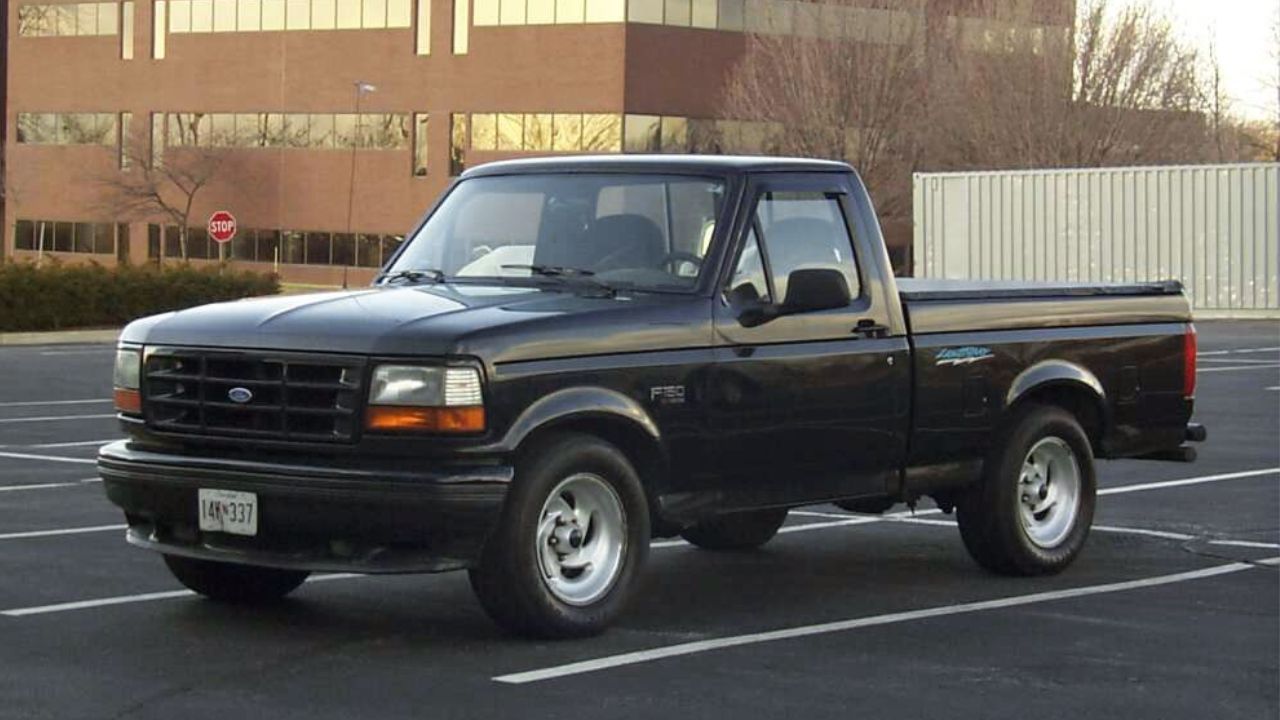
The 1993 Ford SVT Lightning marked a pivotal moment in automotive history, redefining the capabilities and expectations of performance trucks. With its powerful engine and sporty design, it paved the way for a new class of vehicles that combined utility with exhilarating performance. The Lightning not only appealed to truck enthusiasts but also attracted a broader audience, setting a precedent for future performance-oriented pickups.
Background of the Ford SVT Lightning
The Ford Special Vehicle Team (SVT) was established in 1991 with the mission to create high-performance variants of Ford vehicles. This initiative aimed to cater to a niche market that hungered for speed and power beyond what standard trucks offered. Before the Lightning, the performance truck segment was virtually non-existent, with most pickups focused primarily on utility rather than speed. Traditional trucks were designed for functionality, often sacrificing performance for load capacity.
The decision to develop the SVT Lightning was born from a desire to break the mold. The concept was rooted in the idea that trucks could offer both performance and practicality. After initial discussions and market research, Ford executives saw an opportunity to tap into an emerging trend: consumers wanting vehicles that could deliver exhilarating driving experiences alongside everyday utility. This led to the development of a truck that would not only serve as a workhorse but also provide the thrill of a sports car.
Performance Specifications
Under the hood of the 1993 Ford SVT Lightning lies a formidable 5.8L V8 engine that produces an impressive 240 horsepower and 340 lb-ft of torque. This robust engine, paired with a unique supercharger, allowed the Lightning to achieve 0 to 60 mph in just 6.2 seconds—a remarkable feat for a truck of its time. The performance specifications positioned the Lightning as a true contender against contemporary sports cars, elevating the truck’s status in the automotive community.
In addition to its powerful engine, the Lightning featured significant suspension and handling upgrades that set it apart from standard F-150 models. The truck was equipped with a sport-tuned suspension, larger anti-roll bars, and upgraded shock absorbers, enhancing its cornering capabilities and overall ride quality. These enhancements ensured that the Lightning not only accelerated quickly but also handled well, making it a versatile vehicle for both daily driving and spirited weekend outings.
Design and Aesthetic Innovations
The design of the 1993 SVT Lightning was as distinctive as its performance. It featured unique styling elements that included a lowered stance, flared fenders, and a bold front fascia that communicated its sporty intentions. The availability of vibrant paint options, such as Bright Red and Electric Blue, further differentiated the Lightning from its more utilitarian counterparts, appealing to buyers looking for a truck that stood out on the road.
Inside, the Lightning offered a sportier ambiance that included upgraded seats, a redesigned dashboard, and modern technology for its era. The interior was designed to provide a comfortable and engaging driving experience, with features like a premium sound system and improved ergonomics. These design choices not only catered to performance but also enhanced the overall aesthetic appeal of the truck, setting a benchmark for future performance trucks.
Market Reception and Impact
The 1993 Ford SVT Lightning was met with enthusiasm from both consumers and critics alike. Initial sales figures reflected this excitement, as Ford sold approximately 11,000 units in the first year, capturing the attention of truck enthusiasts across the United States. The customer demographic was diverse, attracting not just traditional truck buyers but also performance car enthusiasts eager to own a unique and powerful vehicle.
Automotive critics praised the Lightning for its groundbreaking approach to truck design and performance. Publications like MotorTrend lauded its combination of power and practicality, which changed the perception of what a truck could be. The Lightning’s success catalyzed a shift in consumer expectations, leading to a rise in popularity for performance-oriented trucks, ultimately influencing the direction of the entire segment.
Technological Advancements
The SVT Lightning introduced several technological advancements that significantly enhanced the driving experience. One notable feature was its advanced fuel injection system, which improved engine efficiency and performance. The truck also boasted an upgraded braking system that included larger disc brakes, providing better stopping power to match its impressive acceleration. These enhancements not only made the Lightning more enjoyable to drive but also demonstrated the potential for technology to improve truck performance.
Moreover, the Lightning’s aerodynamic design played a crucial role in its performance. Engineers focused on reducing drag through body modifications, which allowed for improved fuel efficiency and stability at higher speeds. These technological advancements influenced the broader truck market, prompting other manufacturers to invest in performance-oriented features and design elements to stay competitive.
Competition and Comparison
During the Lightning’s era, the performance truck market began to take shape, with various competitors emerging. Notably, Chevrolet’s SS models, such as the 454 SS, aimed to capture the same audience. However, the SVT Lightning consistently outperformed its rivals in terms of acceleration, handling, and overall driving experience. The combination of superior engineering and focused design allowed the Lightning to carve out a niche that few competitors could match.
The long-term effect of the Lightning’s success on competition in the performance truck segment cannot be overstated. It established a benchmark that manufacturers had to meet or exceed, prompting them to innovate and develop their own high-performance models. This competitive landscape ultimately benefited consumers, offering more choices in the performance truck market.
The Evolution of the SVT Lightning
Subsequent generations of the SVT Lightning saw significant changes and improvements, building on the original model’s foundation. The second generation, introduced in 1999, featured a 5.4L supercharged V8 engine that produced 360 horsepower and showcased advancements in technology and design that catered to a more modern audience. These changes reflected the evolving expectations of truck buyers and the growing popularity of performance-oriented vehicles.
The success of the Lightning also influenced the development of other performance trucks, leading to the introduction of models like the Ford Raptor and Dodge Ram TRX. These vehicles drew inspiration from the Lightning’s blend of power and utility, demonstrating its lasting impact on the market. However, the eventual discontinuation of the SVT brand in 2014 left a significant void in the performance truck segment, raising questions about the future direction of high-performance pickups.
Influence on Modern Performance Trucks
The 1993 Ford SVT Lightning laid the groundwork for modern performance trucks, influencing designs and specifications that continue to resonate today. Vehicles like the Ford Raptor and Ram TRX owe their existence, at least in part, to the legacy of the Lightning. These modern trucks offer high-performance engines, advanced technology, and off-road capabilities that reflect the original Lightning’s ethos of combining power with practicality.
The ongoing popularity of performance-oriented trucks among consumers can be traced back to the Lightning’s influence. As truck buyers increasingly seek vehicles that deliver both utility and excitement, manufacturers continue to innovate, producing models that push the boundaries of performance. Current trends in the performance truck market highlight the enduring appeal of high-powered pickups, reinforcing the notion that trucks can indeed be thrilling vehicles.
Enthusiast Culture and Community
The SVT Lightning has fostered a vibrant enthusiast culture and community that celebrates its legacy and performance. Owners’ clubs and online communities have emerged, providing platforms for enthusiasts to share their experiences, modifications, and restoration projects. These gatherings often feature events centered around the Lightning and other performance trucks, showcasing the passion that surrounds these vehicles.
Social media platforms and forums have further enabled this community to thrive, with enthusiasts sharing tips, tricks, and personal stories. The Lightning has become a symbol of automotive passion and innovation, connecting owners and fans across generations. As the performance truck market continues to evolve, the spirit of the SVT Lightning remains a significant part of that journey, inspiring new generations of truck enthusiasts to embrace the thrill of performance and utility.
More from Fast Lane Only