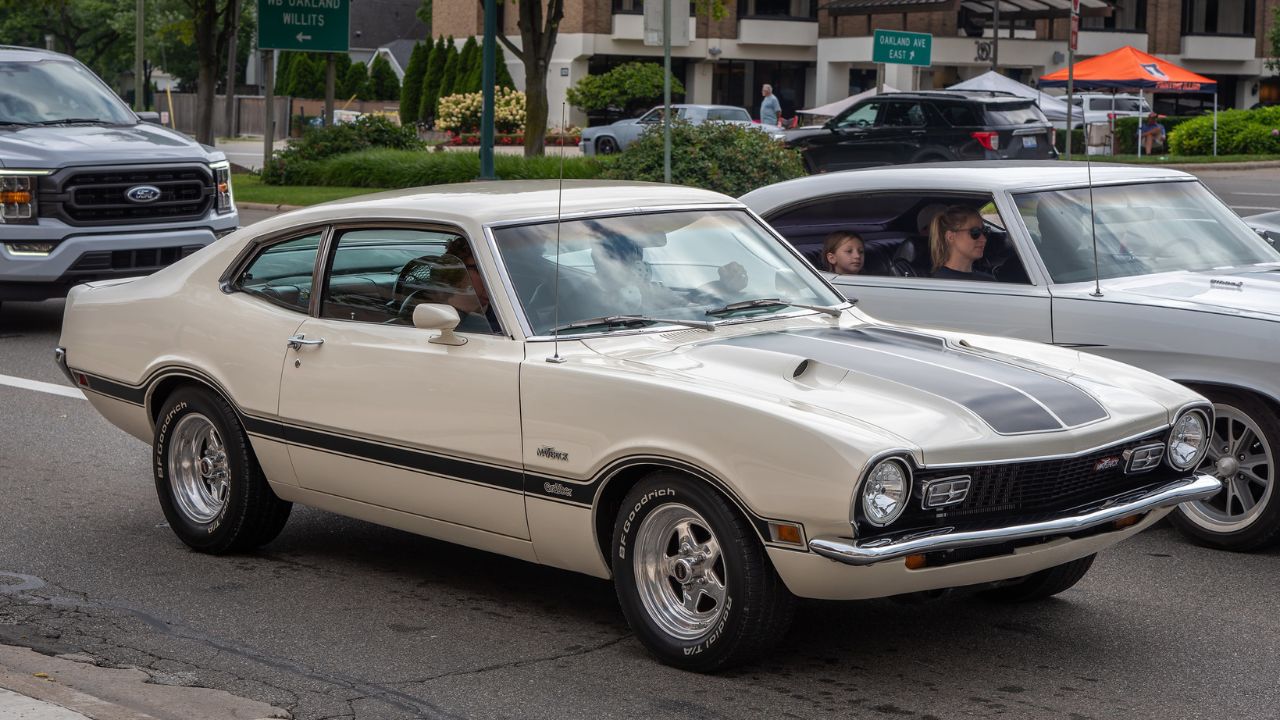
The 1970 Ford Maverick, often overshadowed by its more iconic counterparts, emerged as an unexpected success story in the automotive world. Its practical design, affordability, and cultural significance helped it capture the hearts of many during a tumultuous time in American history. This article delves into the factors that contributed to the Maverick’s unexpected popularity, revealing how a simple compact car left a lasting impact on its drivers and the automotive landscape.
Historical Context of the 1970 Ford Maverick
The late 1960s and early 1970s marked a significant shift in the automotive industry, as fuel economy became a pressing concern for consumers. In the wake of rising gas prices and changing societal attitudes, automakers began to pivot away from larger cars. The Ford Maverick was introduced in 1970 as a response to this demand for compact, fuel-efficient vehicles. Competing models like the Chevrolet Nova and Plymouth Valiant were also vying for the attention of budget-conscious buyers, but the Maverick offered something uniquely appealing.
During this period, consumers began to value practicality over excess. The Maverick was designed to fill a specific niche: offering an affordable, reliable vehicle that didn’t compromise on style. Ford recognized the changing landscape and positioned the Maverick to attract young families and first-time car buyers, making it a compelling option amidst a sea of larger, less economical vehicles.
Design Choices that Made an Impact
The Ford Maverick’s design was straightforward and utilitarian, a deliberate choice that resonated with cost-conscious buyers. Unlike its more flamboyant contemporaries, the Maverick’s no-frills approach offered a clean aesthetic that was both modern and practical. Its simple lines and compact shape made it easy to maneuver, appealing to urban drivers who needed a reliable car for daily use.
When compared to other compact models of the era, such as the Plymouth Valiant and the Chevrolet Nova, the Maverick stood out for its blend of functionality and style. While competitors focused on sporty designs or higher-end features, the Maverick prioritized the essentials: a comfortable interior, ample trunk space, and straightforward maintenance. This choice made it particularly attractive to families looking for an economical solution without unnecessary frills.
Target Market and Consumer Appeal
The Maverick was specifically targeted at young families and first-time car buyers, a demographic that valued affordability and reliability. As the economy began to tighten in the early 1970s, many consumers found themselves in need of a dependable vehicle without the burden of high costs. Ford’s marketing strategies effectively reached this audience by emphasizing the Maverick’s value proposition as a smart investment during uncertain economic times.
Promotional materials highlighted the car’s affordability, low maintenance costs, and fuel efficiency, making it an attractive option for budget-conscious families. The Maverick was positioned not just as a car, but as a practical solution for everyday life. This resonated particularly well during the oil crisis, when consumers were increasingly aware of their spending habits and the need for economical transportation.
Performance and Reliability
The Ford Maverick offered a range of engine options, including a 170-cubic-inch six-cylinder engine and a more powerful 302-cubic-inch V8. This versatility appealed to a wide audience, providing choices that catered to different performance needs. Many drivers appreciated the balance between power and fuel efficiency, which was a crucial consideration during the oil crisis. Consumer perceptions of the Maverick’s reliability were generally positive, with many owners citing low maintenance costs and dependable performance as key selling points.
When compared to competing models, the Maverick often received favorable reviews for its combination of comfort and reliability. Owners frequently reported high levels of satisfaction, which contributed to the car’s growing reputation as a dependable choice in the compact segment. Positive experiences shared among drivers helped build a loyal following, further cementing the Maverick’s status in the automotive landscape.
Cultural Significance and Popularity
The Ford Maverick quickly found its way into popular culture, becoming synonymous with the American lifestyle of the 1970s. Its affordability and practicality made it a common sight on the roads, and it was often featured in various media as the quintessential compact car. Anecdotes from owners recount how the Maverick became a backdrop for many life events, from family road trips to first dates, solidifying its place in the hearts of those who drove it.
Social media platforms and online forums have also contributed to the Maverick’s legacy, with car enthusiasts sharing their experiences and passion for the model. Communities have sprung up around the car, celebrating its unique qualities and fostering a sense of nostalgia. Events and gatherings dedicated to the Maverick have become popular, showcasing the enduring appeal of this once-simple compact car. Its transformation from a mere vehicle to a cultural icon is a testament to its lasting impact on American automotive history.
Economic Factors Contributing to Success
The economic conditions of the early 1970s played a pivotal role in the Maverick’s success. The oil crisis led to skyrocketing gas prices, prompting consumers to seek more fuel-efficient vehicles. The Maverick’s design as a compact car made it an attractive option during this tumultuous period, as it provided a solution to rising fuel costs without sacrificing practicality.
Ford’s strategic pricing further positioned the Maverick as a smart choice for budget-conscious consumers. By keeping costs low while offering a reliable, economical vehicle, Ford capitalized on the growing demand for compact cars. The Maverick’s affordability became a significant selling point, making it a popular choice for those navigating the financial uncertainties of the time.
Production and Sales Strategies
Ford’s production techniques played a crucial role in maintaining quality while keeping costs down. The company implemented efficient manufacturing processes that allowed for quick production while ensuring that each vehicle met quality standards. This focus on efficiency helped Ford produce the Maverick at a competitive price point, making it accessible to a wider audience.
Advertising campaigns also significantly boosted the Maverick’s visibility. Ford utilized a range of media to promote the car, highlighting its affordability, reliability, and fuel efficiency. Sales figures reflected this success, with the Maverick achieving impressive market share throughout its production run. The combination of effective marketing and strategic pricing solidified the Maverick’s position in the compact car segment during the early 1970s.
Community and Enthusiast Engagement
The Ford Maverick has cultivated a dedicated fanbase, with car enthusiasts actively engaging in discussions, restorations, and modifications. Online platforms like Reddit and social media have allowed for the revival of interest in the model, connecting owners and fans alike. Enthusiast groups often share tips, restoration projects, and personal stories, fostering a sense of community around the Maverick.
Events dedicated to the Maverick have become increasingly popular, with car shows and meet-ups celebrating its unique history. These gatherings not only highlight the car’s legacy but also provide a space for fans to connect and share their passion. The continued engagement of the community ensures that the Maverick remains a relevant part of automotive culture long after its production ended.
The Legacy of the Ford Maverick
The Ford Maverick’s design and concept have influenced subsequent Ford models, particularly in the compact segment. Its emphasis on practicality and affordability set a precedent for future designs, shaping the direction of the automotive industry as a whole. The Maverick’s impact on the compact car market can still be felt today, as manufacturers continue to prioritize fuel efficiency and value in their offerings.
Current market values for vintage Mavericks reflect the growing interest among collectors, with well-preserved models fetching impressive prices. The Maverick’s legacy lives on as a symbol of an era marked by economic challenges and shifting consumer preferences. Its place in automotive history is secure, reminding us of a time when simple, reliable cars captured the hearts of a generation.
More from Fast Lane Only