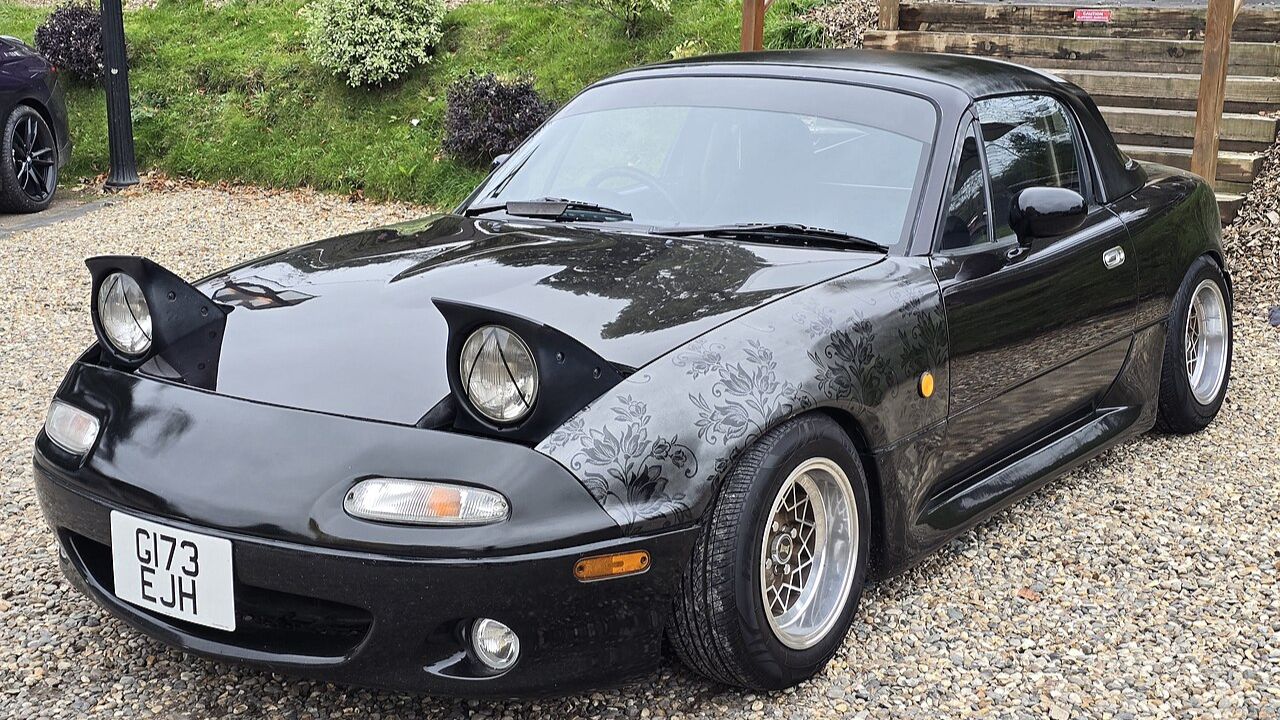
The 1989 Mazda MX-5 Miata emerged as a beacon of hope for driving enthusiasts, reviving the spirit of lightweight, affordable sports cars that had almost vanished from the automotive landscape. This iconic vehicle not only redefined the genre but also reignited passion for open-top motoring, making it a significant player in automotive history.
The Context of the Automotive Industry in the 1980s
The automotive landscape of the 1980s was characterized by a notable decline in the availability of affordable sports cars. As the decade progressed, economic factors such as rising fuel prices and a shift in consumer preferences toward practicality led to the phasing out of many beloved models. The sports car segment, once teeming with options, began to dwindle, leaving enthusiasts yearning for something that embodied the joy of driving.
Simultaneously, the rise of SUVs and family sedans began to overshadow the sports car market. Manufacturers were pivoting towards larger vehicles that promised utility and comfort, leaving little room for the nimble, driver-focused cars that many craved. This shift was not merely a trend; it was a fundamental change in how consumers viewed their vehicles. The allure of performance and fun was being replaced by the need for space and efficiency.
The Birth of the MX-5 Miata
Against this backdrop, Mazda set out to design a car that would rekindle the spirit of the classic roadster. The MX-5 Miata was born from a clear design philosophy that prioritized lightweight construction and engaging driving dynamics. Influenced by the classic British roadsters of the 1960s, Mazda aimed to create a vehicle that was not just affordable, but also provided a pure driving experience.
Key figures in the development of the MX-5 included designer Tom Matano, whose vision helped shape the car’s aesthetic and functional attributes. Matano’s dedication to creating a vehicle that resonated with enthusiasts was evident from the outset. The pivotal moment for the Miata came at the 1985 Chicago Auto Show, where the prototype garnered significant attention, laying the groundwork for what would soon become a highly anticipated production model.
Design Features that Captured Enthusiasm
The MX-5 Miata’s design is a harmonious blend of style and functionality, which played a crucial role in its appeal. The vehicle features a sleek, aerodynamic profile that hints at its performance capabilities while also offering a classic roadster look. Lightweight construction was a hallmark of the Miata, utilizing materials that kept the overall weight down, which is essential for achieving agile handling and responsiveness.
One of the standout design elements of the Miata is its 50/50 weight distribution. This engineering choice enhances the vehicle’s handling, making it nimble and responsive on winding roads. The Miata’s design not only appealed to the eye but also contributed to an exhilarating driving experience, allowing drivers to feel connected to the road in a way that few cars could offer. The Miata’s interior, with its driver-focused layout, further emphasized the brand’s commitment to the driving experience.
Marketing Strategies that Made an Impact
Mazda’s marketing approach for the MX-5 Miata was strategic and targeted, focusing on driving enthusiasts who yearned for a return to the joy of motoring. The company understood that the Miata was more than just a car; it was a lifestyle choice. By emphasizing the thrill of open-top driving and the car’s performance capabilities, Mazda successfully captured the imagination of potential buyers.
Grassroots events and motorsport played a significant role in promoting the Miata. Mazda organized events that allowed enthusiasts to experience the vehicle firsthand, creating a community around the brand. Strategic partnerships and sponsorships with racing events and automotive clubs increased visibility and appeal, further embedding the Miata into the culture of driving enthusiasts. This engagement cultivated a loyal customer base, eager to share their passion for the vehicle.
The Miata’s Performance and Reception
The performance metrics of the MX-5 Miata were impressive for its time, featuring a lightweight body and a responsive 1.6-liter four-cylinder engine that produced 116 horsepower. This combination allowed the Miata to achieve a 0-60 mph time of around 8.0 seconds, which was commendable for a car in its price range. The Miata’s performance was not just about numbers; it was about the driving experience, which was praised for its agility and responsiveness.
Upon its release, the Miata received critical acclaim from automotive journalists and magazines, who lauded its combination of performance, affordability, and fun factor. Publications such as *Car and Driver* and *Motor Trend* celebrated the Miata as a return to form for the sports car segment. Early adopters of the vehicle played a crucial role in its success, with word-of-mouth recommendations driving sales and generating a buzz that helped sustain its popularity.
Cultural Impact and Legacy
The MX-5 Miata transcended its status as just another sports car; it became a symbol of freedom and driving joy. Its open-top design and engaging driving dynamics resonated with a generation that craved adventure and fun. The Miata’s presence in popular culture, including notable appearances in films and media, further solidified its iconic status. From movies like *The Fast and the Furious* franchise to television commercials, the Miata captured the essence of spirited driving.
Moreover, the Miata cultivated a dedicated community of enthusiasts and clubs, fostering a sense of belonging among owners. Events such as the Miata Reunion and various track days provide opportunities for enthusiasts to share their love for the vehicle and connect with like-minded individuals. This community aspect contributed to the Miata’s enduring legacy, as it continued to inspire new generations of drivers to embrace the open road.
Revival of the Roadster Concept in the 1990s and Beyond
The success of the MX-5 Miata had a ripple effect throughout the automotive industry, influencing other manufacturers to revisit the roadster concept. In the years following the Miata’s introduction, several competitors emerged that sought to capture the spirit of lightweight, affordable sports cars. Models such as the Honda S2000 and the BMW Z3 entered the market, offering drivers a taste of the exhilarating experience that the Miata had popularized.
As the automotive landscape evolved, the Miata continued to adapt while maintaining its core ethos. Each new generation introduced enhancements in technology and performance, ensuring that the Miata remained relevant in a competitive market. The Miata’s ability to evolve while staying true to its roots is a testament to its enduring appeal and the vision of its creators.
The Future of the Miata and its Continuing Influence
As the automotive industry faces current trends such as electrification and autonomous driving, the future of the MX-5 Miata remains a topic of interest among enthusiasts. Mazda has shown its commitment to innovation while staying true to the Miata’s roots, ensuring that the essence of the sports car experience is preserved. The balance between modern technology and classic driving dynamics will play a significant role in shaping the Miata’s future.
With plans for continued development and innovation, Mazda aims to keep the MX-5 at the forefront of the sports car segment. The enduring appeal of the Miata, grounded in its lightweight construction and engaging performance, positions it well to navigate the challenges of the modern automotive landscape. As drivers continue to seek vehicles that deliver excitement and a connection to the road, the MX-5 Miata stands ready to fulfill that desire, ensuring its legacy lives on.
More from Fast Lane Only