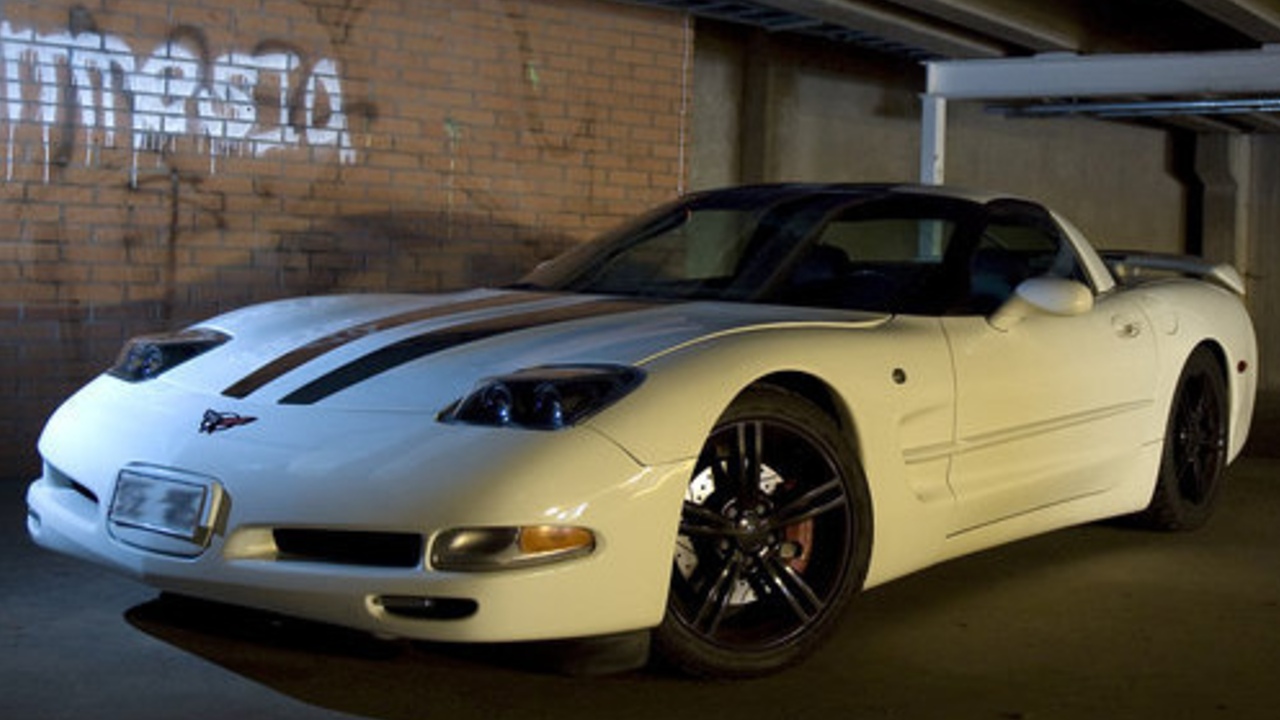
The 1997 Corvette C5 was not just a new model year, it was a structural reset aimed squarely at problems that had dogged America’s sports car for decades. Engineers attacked chassis flex, cramped packaging, dated powertrains, and everyday usability in one coordinated redesign. The result was a Corvette that finally aligned its performance image with modern engineering reality.
By rethinking everything from the frame rails to the luggage bay, the C5 turned long‑standing compromises into strengths. I see that transformation most clearly in three areas: the clean‑sheet chassis, the new LS1 powertrain and transaxle layout, and the way the car finally worked as a real‑world grand tourer rather than a weekend toy.
A clean-sheet chassis that finally felt solid
The C4 generation delivered speed, but it was notorious for squeaks, rattles, and a structure that never felt as solid as its European rivals. The C5 program responded with what engineers described as a clean‑sheet platform, and the 1997 car became the first mass‑produced model to use a hydroformed steel frame. Instead of welded-together stampings, the main rails were shaped under high pressure, which delivered superior strength and consistency. That rigidity addressed the long‑standing complaint that Corvettes felt fast but fragile, especially on rough pavement.
The benefits showed up most dramatically in the convertible, historically the flexiest version of any Corvette. Reporting on the early C5s notes that the advanced hydroformed chassis was so rigid that the drop‑top suffered almost none of the cowl shake or body flex that had been typical of previous open cars, a change highlighted in a detailed chassis analysis. That structural leap let the suspension do its job properly, which is one reason period evaluations praised the C5’s combination of superb braking, handling, ride, comfort, and roominess, a package the National Corvette Museum describes as a major step beyond earlier models in its 1997 Corvette specs.
LS1 power and a rear transaxle solved balance and refinement

Under the hood, the C5 replaced the venerable cast‑iron small‑block with an all‑new aluminum engine dubbed the LS1, a change that did more than add horsepower. By moving to this lighter, more compact V8, engineers reduced mass over the front axle and created a modern foundation that would go on to power a generation of performance cars. A technical overview of the C5 notes that in place of the old cast‑iron unit sat the new LS1, underscoring how thoroughly the powertrain was rethought for the Chevy V8. That engine brought smoother power delivery and better efficiency, addressing long‑standing criticism that the Corvette’s performance came with too much coarseness.
The bigger revolution, though, was where the rest of the drivetrain lived. Instead of bolting the transmission directly to the engine, the C5 moved it to the rear in a transaxle layout, connected by a torque tube. This change gave the car an ideal 50/50 weight distribution, a dramatic improvement over the nose‑heavy balance of earlier generations. With the mass spread more evenly between the axles, the C5 turned in more predictably, put power down more effectively, and felt less nervous at the limit, a transformation that later buyer’s guides describe as a leap ahead in how the Corvette behaved on real roads and tracks.
From cramped sports car to usable grand tourer
For decades, living with a Corvette every day meant accepting a tight cabin, limited storage, and a ride that could feel punishing on long trips. The 1997 redesign tackled those complaints by stretching the wheelbase and reconfiguring the interior packaging, which yielded more legroom, better ingress and egress, and a more comfortable driving position. The National Corvette Museum’s specification overview emphasizes that the C5 combined superb ride and comfort with roominess, a combination that had eluded earlier generations that prioritized raw performance over long‑distance usability.
Practicality extended beyond the front seats. One of the benefits of the C5, as a detailed hatchback repair guide points out, is the tremendous amount of luggage room in the rear of the car, enough that a stuck hatch “seriously limits the storage area” when it fails to open. That observation, buried in a how‑to on fixing a 1998 hatch, underscores how much more usable the C5’s cargo space was compared with previous Corvettes, which often forced owners to pack light. By turning the rear of the car into a genuinely useful luggage bay, the C5 finally matched its grand‑touring image with the ability to carry more than a weekend bag, a change that made it far easier to justify as an only car.
Electronics and ergonomics caught up with the times
Earlier Corvettes had a reputation for mixing cutting‑edge performance hardware with dated controls and ergonomics. The C5 era began to close that gap by introducing more modern electronic systems and a more intuitive cockpit. One key change was the adoption of a drive‑by‑wire throttle system, which replaced a mechanical cable with electronic control. A detailed history of the C5 notes that it was the first Corvette to adopt this setup, enhancing responsiveness and offering a more seamless and engaging driving feel in the Chevrolet Corvette. That change addressed long‑standing complaints about inconsistent throttle response and helped integrate traction and stability systems more effectively.
The broader interior redesign also targeted usability. Reports on the C5’s development describe a top‑to‑bottom rethink in 1997, with every major piece reconsidered compared with the C4. A historical overview of the Corvette notes that the C5 represented the biggest shakeup in the car’s history, with a top‑to‑bottom redesign that modernized controls and layout. By improving seat comfort, simplifying the dashboard, and integrating more advanced electronics, the C5 made daily driving less of a chore and reduced the sense that owners were piloting a fast but dated machine.
A platform that reset expectations for future Corvettes
Perhaps the clearest sign that the 1997 C5 solved long‑standing problems is how long its core ideas lasted. The hydroformed frame, rear transaxle, and LS‑series V8 architecture became the foundation not only for later C5 variants like the Z06 but also for the C6 that followed. A comprehensive C5 FAQ describes the 1997 model as a “clean‑sheet revolution” and highlights the massive increase in chassis stiffness compared with the C4, framing it as the single biggest engineering change on the Corvette. That structural and mechanical reset gave engineers room to add power, refine suspensions, and integrate new technology without fighting the same old packaging and rigidity constraints.
The C5 also served as a test bed for technology that would later spread across the company’s lineup. A buyer’s guide to the generation notes that the C5 was a leap ahead for General Motors in most ways, and that the company used this relatively low‑volume model to trial features that would later appear on nearly every car it built. Another historical overview points out that in 1997, Chevy made a clean break from the C4 with a Corvette redesigned from the inside out, a decision that not only fixed decades‑old issues but also set the template for how the brand would evolve from sports car to full‑fledged supercar in the years that followed.
More from Fast Lane Only: