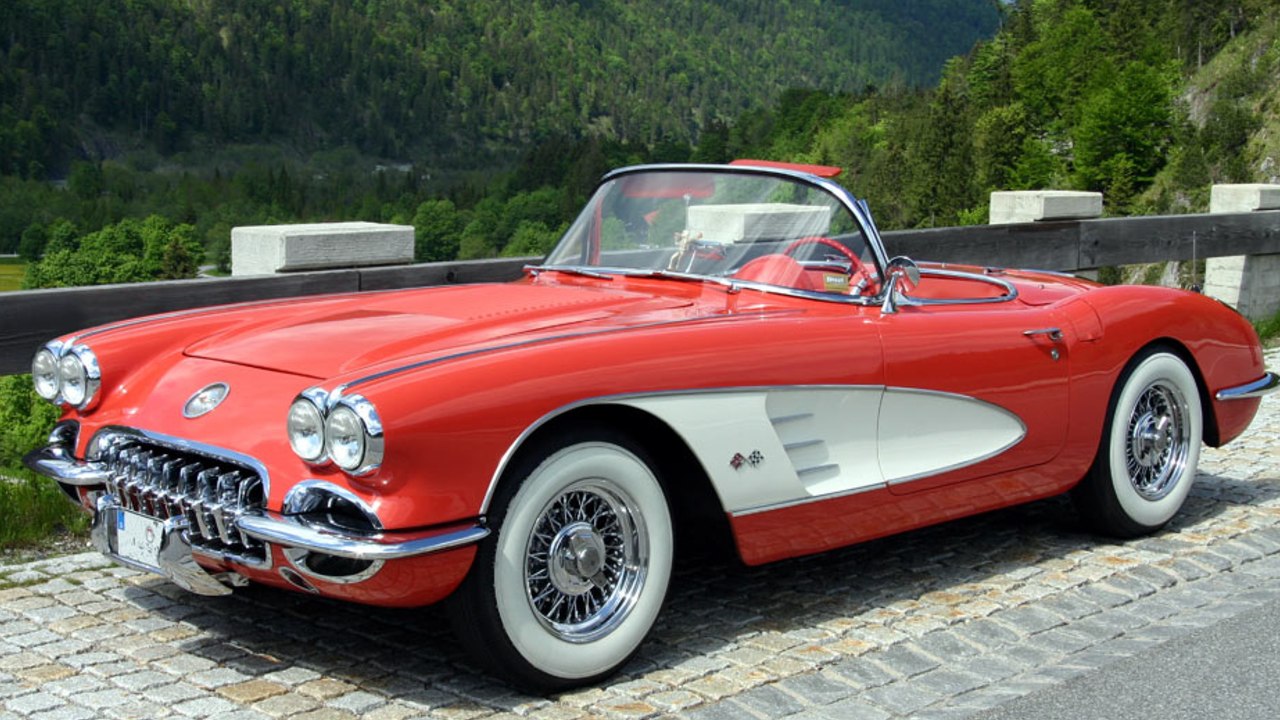
The 1958 Corvette arrived at the height of Detroit’s love affair with brightwork, a moment when chrome was treated as both ornament and sales weapon. Rather than resist that tide, Chevrolet’s sports car dove into it, trading earlier restraint for a glittering, attention grabbing makeover that has divided enthusiasts ever since. I see that shift less as a styling accident and more as a calculated response to market pressure, corporate politics, and a changing idea of what an American performance car should look like.
From struggling halo car to rolling billboard
By the late 1950s, the Corvette was not yet the guaranteed hit it would later become, and that insecurity shaped every inch of the 1958 model. General Motors had created the car as a halo project, but internal accounts concede that But GM cared first about volume and profit, and Chevy was not selling many Corvettes compared with its bread and butter sedans and wagons. In that context, turning the fiberglass two seater into a rolling billboard of chrome and fins was less about indulgence and more about survival, a way to make the car impossible to ignore on crowded dealer lots.
Styling work on the facelifted Corvette began early in 1956 as a backup plan to an all new car, and that timing matters because it locked the project into the most flamboyant phase of GM design. The team responsible for Styling did not start with a blank sheet, they were told to rework the existing Corvette and make it stand out in a showroom already packed with heavily decorated Chevrolets, Buicks, and Oldsmobiles. When the 1958 Corvette finally appeared, it carried that mandate in every detail, from its busy grille to its stacked trim pieces, a visual escalation that matched the rest of GM’s lineup rather than standing apart from it.
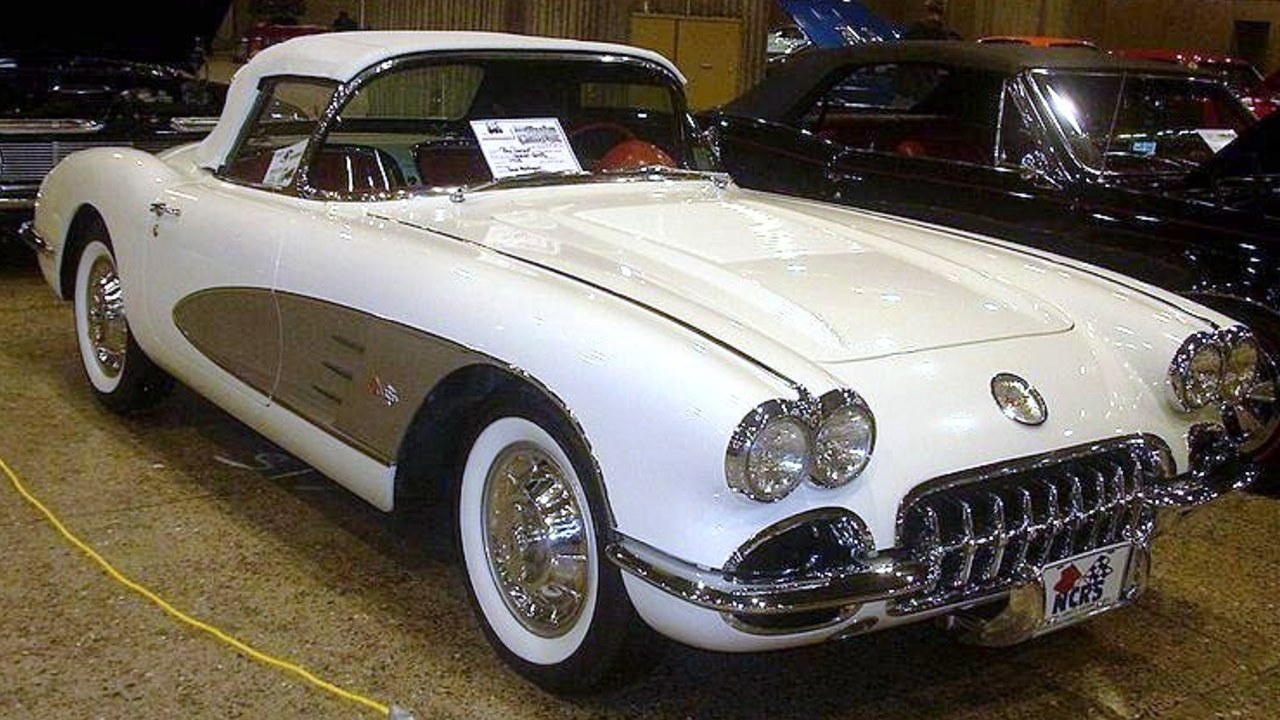
Gaudiest year in GM history
Contemporaries inside and outside Detroit have long described 1958 as the gaudiest year in GM styling history, and the Corvette was very much part of that reputation. Across the corporation, chrome doodads were laid on thick, and the sports car followed suit with extra spears, bezels, and bright accents that went far beyond functional needs. The result was a car that looked more like a showpiece than a stripped back racer, a deliberate choice in a year when GM treated shine as shorthand for progress and prosperity.
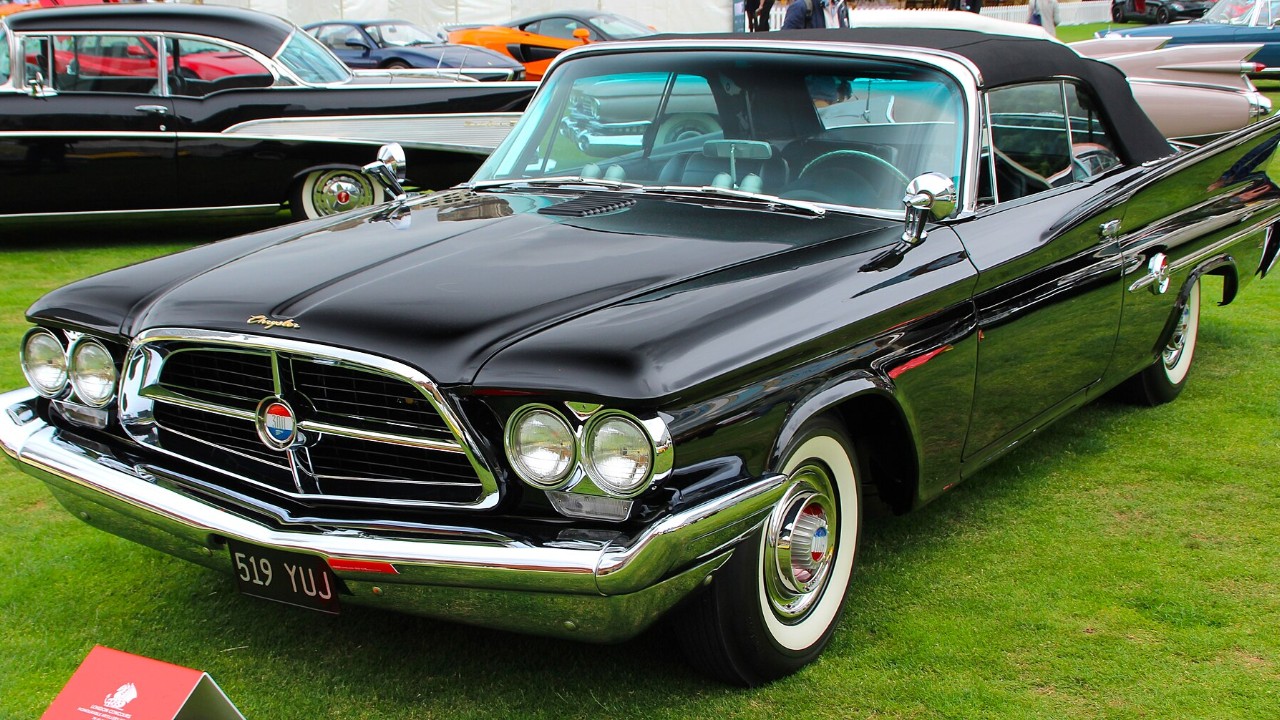
The Corvette was not alone in this approach, which helps explain why its designers felt safe pushing so hard. Commentators of the period pointed to other models, including the chrome king 1958 Cadillac Fleetwood, as proof that the market would tolerate, and even reward, excess brightwork. When a luxury sedan could succeed with that much metal on display, it made sense for Chevrolet to assume that a halo sports car needed similar visual drama to justify its price and status. The 1958 Corvette’s chrome heavy face and tail were, in that light, simply the sports car expression of a company wide aesthetic.
Performance vision versus styling spectacle
Behind the scenes, the 1958 Corvette was shaped by a tension between engineering purity and showroom appeal. Zora Arkus Duntov, often called the Father of the Corvette, had a clear vision for performance and pushed hard for mechanical improvements that would make the car competitive with European rivals. Yet the design direction for 58 tilted toward spectacle, with the exterior treatment prioritizing visual punch over the kind of aerodynamic cleanliness that might have pleased engineers. The car that emerged was faster and more capable than its predecessors, but its appearance told a louder, more theatrical story than its chassis alone.
That disconnect was not accidental, it reflected GM’s belief that styling sold cars more reliably than lap times. While Duntov and his allies focused on engines, suspensions, and brakes, the studio teams layered on cues that would read as modern and aspirational to American buyers. Later analyses describe this bold styling as a clear challenge to rivals and a nod to a consumer market that craved flash and flamboyance, even if some critics saw the result as overdone. In practice, the 1958 Corvette became a compromise, a car where serious engineering lived under a body that shouted for attention in chrome and polished trim.
An all American answer to Europe
The decision to embrace visual excess also needs to be read against the backdrop of rising competition from abroad. By the late 1950s, a few small, relatively unknown companies from Europe were emerging with sports cars that offered sharp handling and competitive pricing, catching Ford and General Motors completely by surprise. Those imports leaned on leaner, more functional design, but they also carried an aura of sophistication that threatened to make American offerings look heavy handed. GM’s response with the Corvette was to double down on national identity, presenting a car that looked unmistakably domestic rather than trying to mimic European understatement.
Even observers who later examined other GM projects, such as the Corvair, noted that, Even if Porsche had practically engineered the internals of the Corvair, there was no doubting the American origins of its exterior. The same logic applied to the Corvette, whose 1958 restyle wrapped its performance ambitions in a body that could never be mistaken for something built in Europe. By leaning into chrome, sculpted fenders, and a dramatic grille, Chevrolet signaled that its sports car would compete on its own cultural terms, not by copying the visual language of imported coupes and roadsters.
Legacy of a controversial icon
With the benefit of hindsight, the 1958 Corvette’s chrome heavy design reads as both a product of its time and a turning point for the nameplate. Later commentators have argued that the car may be the most important Corvette of all time, and they stress that it is not because of the style alone. Instead, they point to the way the 1958 model helped secure the Corvette’s place inside GM by proving that a sports car could be both a performance project and a profitable, attention grabbing showroom star. In that sense, the chrome was not just decoration, it was part of a broader strategy to keep the car alive long enough for its engineering to mature.
Over time, tastes shifted and later generations would strip back some of the visual clutter, but the 1958 car remains a classic example of the era’s automotive design and of GM’s willingness to chase buyers with spectacle. While some purists still prefer the cleaner lines that came before and after, the chrome laden 1958 Corvette captures a moment when American industry believed that more shine meant more sales, and acted accordingly. I see its excess not as a misstep but as a snapshot of a company and a country testing how far style could be pushed in the name of performance and profit.
More from Fast Lane Only: