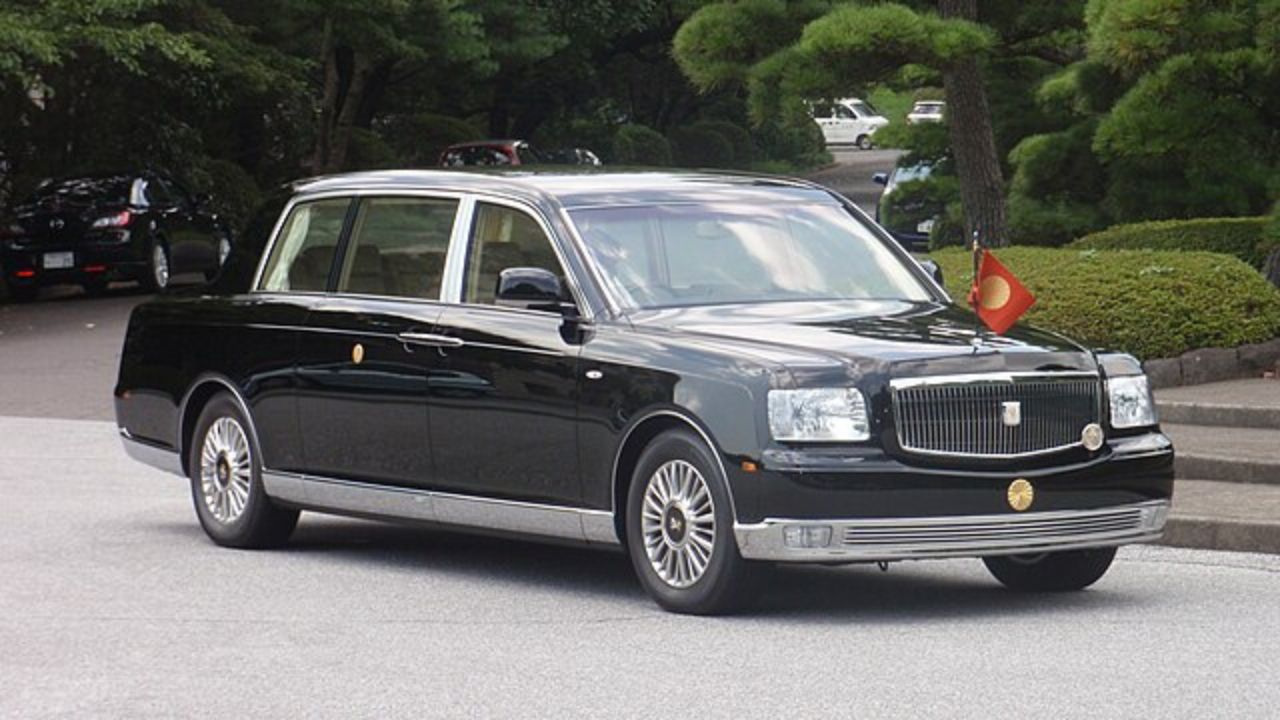
The 1997 Toyota Century arrived at a moment when luxury cars were chasing technology, flash, and ever more aggressive styling, yet it calmly went in the opposite direction. Instead of giant touchscreens and chrome overload, it doubled down on quiet power, conservative lines, and a kind of hospitality usually reserved for five star hotels. I want to look at how that second generation car ignored almost every trend around it and still ended up as one of the most fascinating flagships of its era.
A complete redesign that refused to look new
When The Century moved to its second generation G50 platform in 1997, Toyota carried out a full mechanical and structural overhaul but chose to keep the silhouette almost eerily familiar. The body was new, yet the upright three box profile, formal roofline, and squared off fenders made it look like a respectful evolution of the original saloon rather than a late nineties fashion statement. According to technical histories of The Century, the car received a complete redesign in April 1997, yet the visual continuity was so strong that many casual observers barely noticed the generational shift.
That decision ran directly against the grain of the luxury market of the time, which prized obvious novelty and bigger, bolder styling changes with every cycle. Instead of chasing a new design language, Toyota treated the Century like a tailored suit that should be refined, not reinvented, for each new client. The long wheelbase, thick C pillar, and restrained chrome were all there to signal continuity to the Japanese political and business elite who had been riding in the model for decades. In an era when rivals were experimenting with cab forward shapes and swoopy glass, the G50 quietly told its buyers that nothing important had changed.
The only Japanese V12, tuned for silence not spectacle
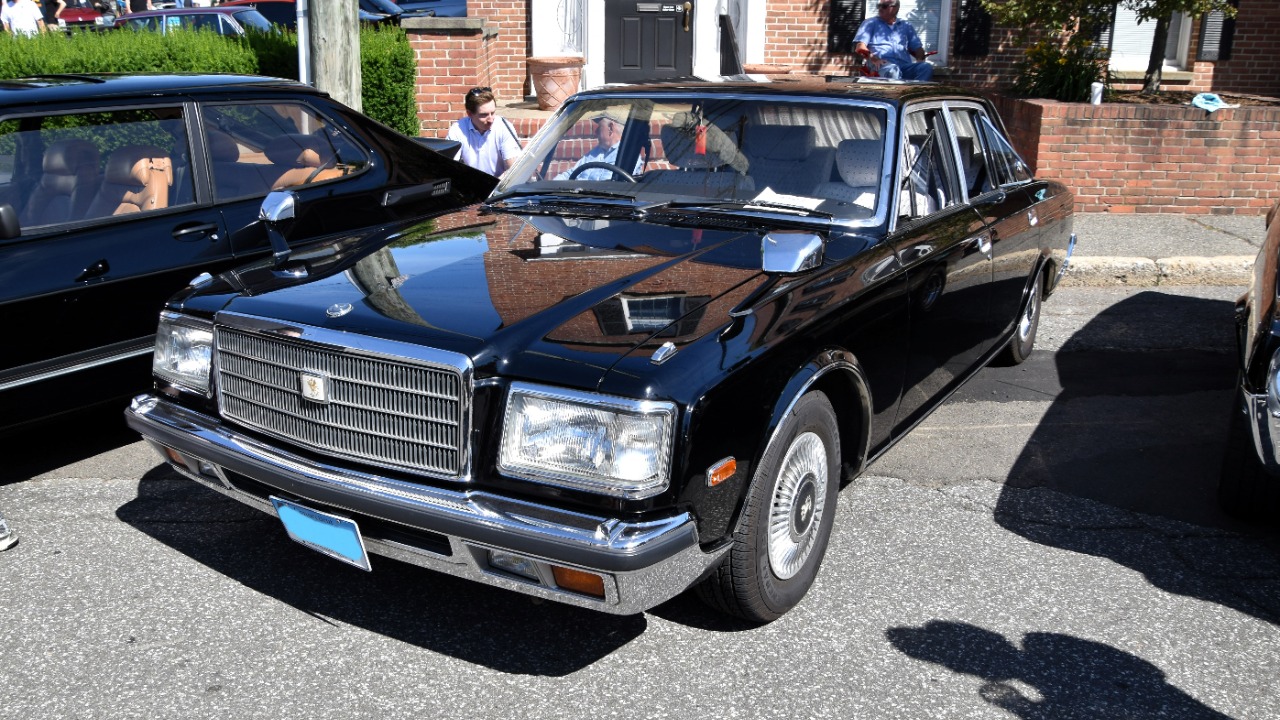
Under that conservative bodywork, the 1997 Toyota Century hid one of the strangest powertrain decisions of its time, a 5,0 liter V12 that ignored the horsepower wars raging in Germany. Enthusiasts still marvel that it was the only V12 made by a Japanese auto manufacturer, a point that owners and mechanics underline whenever a 1997 Toyota Century V12 rolls into a workshop. Rather than chasing a headline output figure, Toyota engineers focused on smoothness, with the engine designed to deliver its power in an almost electric, vibration free way.
That philosophy shows up in the way fans describe the engine’s origins and character. On enthusiast forums, one detailed breakdown notes that the V12 is essentially two 1JZ GE units cast together in a V shape, then tuned to prioritize refinement over drama, a configuration that has made the Oct discussion of its engineering a minor legend in JDM circles. Video reviews of the car, including a deep dive into a 1997 example, highlight how the V12 pulls the big sedan along with a kind of effortless hush that feels closer to a luxury train than a sports saloon, especially when you watch an in depth 1997 Toyota Century review that lingers on the engine’s near total absence of noise.
Luxury that refuses to explain itself
What really sets the Century apart for me is how little it cares about broadcasting its status to anyone outside the cabin. Contemporary social media posts capture this attitude perfectly, describing how The Toyota Century is what real luxury looks like when it does not need to explain itself, with no giant screens, no fake sporty trim, just V12 or V8 silence, a hand finished interior, and a car built to last decades rather than a single lease cycle. That understated philosophy is summed up neatly in one Aug reflection that treats the car as the opposite of status chasing luxury.
Inside, that approach translates into thick wool upholstery instead of glossy leather, physical switches instead of touch panels, and a focus on rear seat comfort that makes the driver feel like staff rather than star. Guides for prospective buyers point out that unlike other JDM sedans, the Toyota Century is exceptionally preserved, with trim and materials that resist the cracks and fading that plague lesser cars, a pattern that detailed market overviews of the Toyota Century treat as a defining trait. The result is a cabin that feels more like a private lounge than a gadget showcase, and that quiet confidence is exactly how it sidestepped the tech arms race that has already dated so many of its contemporaries.
Priced like a statement, styled like a civil servant
For all its visual restraint, the GZG50 Century was never shy about its price tag. At the time of its production, the GZG50 Toyota Century was the second most expensive vehicle ever produced in Japan, a fact that underlines just how serious Toyota was about building a domestic rival to the most exclusive European limousines. That staggering cost is highlighted in collector focused write ups that frame the Toyota Century in Japan as a once unattainable object that is only now trickling into wider enthusiast hands.
Yet the styling never shouted about that expense. Period road tests and later retrospectives often call it the Japanese Rolls Royce, but even that comparison undersells how modest the car looks in traffic. One detailed feature on a rare classic 1997 example notes that The Century was a big beast that sold, although not in the UK, for a steady 30 years without major restructuring, which only reinforces how little it cared about chasing fashion cycles. That long production run, described in coverage of the rare classic Century, shows a car that let its engineering and comfort justify the price while the exterior stayed almost bureaucratically discreet.
A cult classic in a world it never tried to impress
Over time, that stubborn refusal to follow trends has turned the 1997 Toyota Century into a cult object for enthusiasts who are tired of disposable luxury. Long form video essays about the model lean into this, with one presenter joking that there are cars he wants that make absolutely no sense, then spending 20 minutes explaining why the Century’s quirks, from its V12 to its lace curtains, are exactly what make it irresistible. That kind of affectionate deep dive, captured in a sprawling Feb exploration of useless Toyota Century information, reflects how the car has shifted from boardroom tool to internet obsession without changing anything about itself.
For me, that is the real measure of how completely the 1997 Century ignored its era. It was engineered for a small circle of Japanese executives who valued silence, durability, and tradition over flash, and it never tried to win over anyone else. Yet decades later, younger fans around the world pore over auction listings, import guides, and owner stories, drawn to a car that feels like a time capsule from a more patient idea of luxury. In a market still chasing bigger screens and louder grilles, the old V12 saloon that refused to explain itself suddenly looks like the most modern idea in the room.
More from Fast Lane Only: