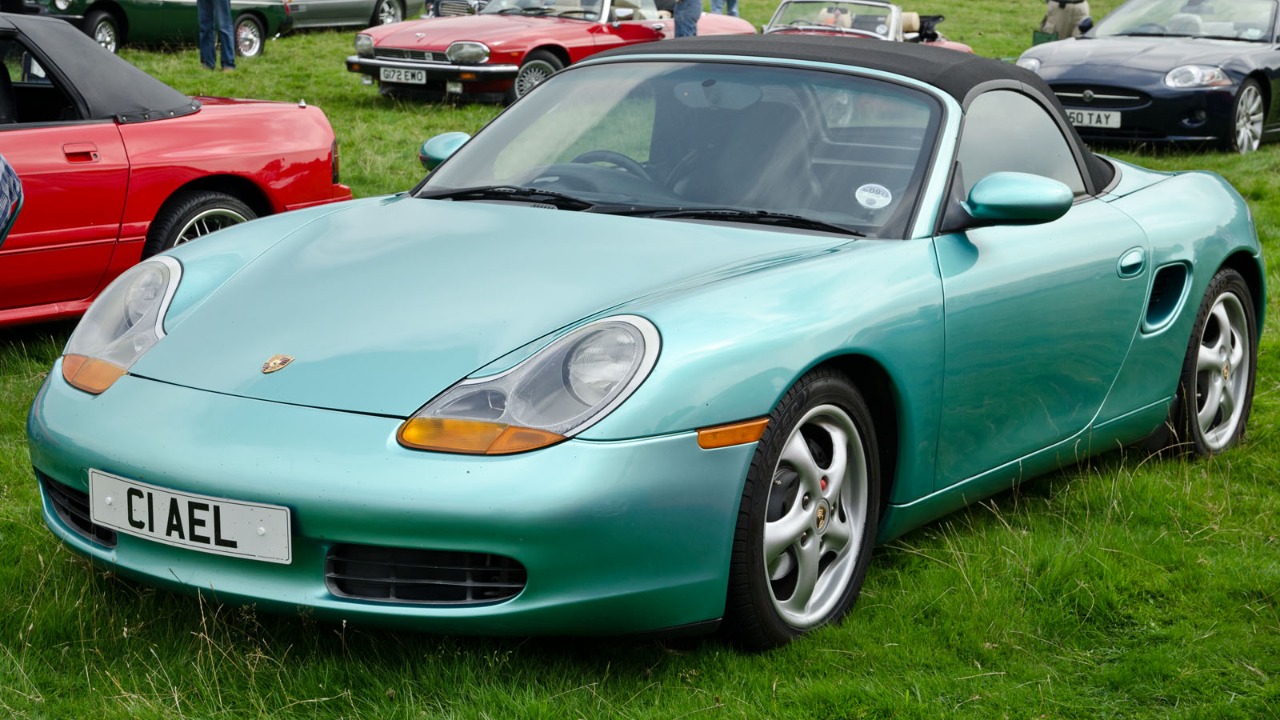
Porsche entered the 1990s with its back against the wall, its traditional sports cars aging and its balance sheet under real pressure. The car that pulled the company out of that corner was not a halo 911 but a compact mid‑engined roadster that arrived in showrooms as the 986 generation Boxster, and by 1999 that formula had matured into a model that quietly underpinned the brand’s survival. When I look at the 1999 Porsche Boxster today, I see far more than an “entry level” convertible, I see the turning point that reset Porsche’s future.
To understand how that happened, it helps to trace how the Boxster moved from bold concept to volume seller, how its engineering and cost discipline were baked in from the start, and why the 1999 model year in particular crystallized the car’s role as a financial lifeline. Only then does its lasting influence on Porsche’s lineup, and on how we think about “affordable” sports cars, really come into focus.
The crisis that set the stage
By the early 1990s, Porsche was a small manufacturer with a big problem: its core products were expensive to build and increasingly out of step with the market. The front‑engined 928, once a technological flagship, was starting to age, and the company’s lineup lacked a modern, high volume sports car that could bring in new buyers without diluting the badge. In that context, the decision to create a mid‑engined roadster from a clean sheet was less a flourish and more a matter of survival, a way to replace dwindling sales with something fresh and relatively attainable.
The Boxster project was conceived in the same period of turmoil that later produced the Cayenne SUV, and both were explicitly tasked with stabilizing the business rather than simply chasing headlines. Reporting on how Porsche navigated those years makes clear that the sports car and the SUV were two sides of the same rescue plan, with the open‑top model arriving first to test whether a broader audience would embrace a new kind of Porsche. When I look back at that strategy, I see a company betting that a relatively compact, mid‑engined car could carry the financial weight that once rested on big GTs like the 928.
From concept to 986 reality
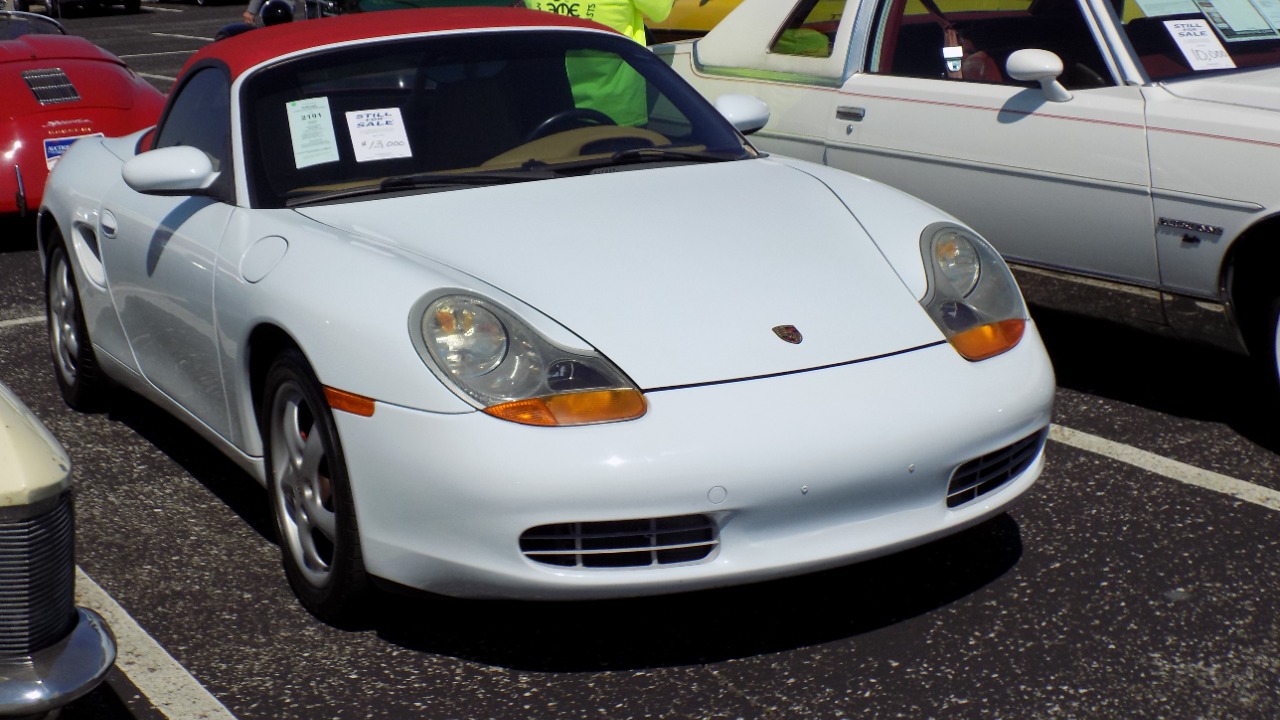
The turning point came when the Boxster Concept stunned crowds in the mid‑1990s and then made the rare leap from show stand to production with its core proportions intact. The production Boxster, internally coded 986, was introduced in late 1996 as Porsche’s first road vehicle to be originally designed as a roadster rather than adapted from a coupe. According to detailed histories of the Boxster, that decision to prioritize the open‑top layout from day one gave the car its distinctive stance and helped it stand apart from retro roadsters and rebodied coupes of the era.
What fascinates me is how quickly that design translated into commercial impact. The same sources note that the 986 stimulated a commercial turnaround for Porsche, proving that a mid‑engined two seater could be more than a niche toy. Later retrospectives on 25 years of Boxster evolution underline how that first generation set the template for a quarter century of mid‑engined Porsches, with the basic silhouette and proportions still recognizable in today’s cars. In other words, the concept did not just become a product, it became a platform for the brand’s rebirth.
Engineering a savior on a budget
For all its glamour, the Boxster was also a ruthless exercise in cost control, and that is where the 1999 model’s importance really comes into focus. The car was Porsche’s first clean sheet production model for around two decades, yet to keep it viable the company leaned heavily on shared components with the contemporary 911. Analyses of The Boxster project describe how this common parts strategy slashed development and manufacturing costs, while still delivering a distinct driving experience thanks to the mid‑engined layout.
By 1999, that formula had matured into the Porsche Boxster 2.5 986 first series, a car that combined the original design with incremental refinements and a reputation for captivating drivers at first sight. Period descriptions of This Porsche Boxster highlight how the 2.5 liter flat six and the 986 chassis delivered a balance of performance and usability that broadened the brand’s appeal. When I think about a “savior” car, I do not picture a fragile exotic, I picture exactly this kind of well‑engineered, repeatable product that can be built and sold in meaningful numbers.
1999 and the Boxster’s financial punch
The financial story behind that engineering is just as compelling. Reports on how a sports car and SUV saved the company describe how The Boxster and the Cayenne were conceived from the same period of strain, with the roadster arriving first and its success described as immediate once it hit the market. Analyses of how The Boxster and the Cayenne worked together to avert deeper financial trouble emphasize that the sports car’s early sales gave Porsche the breathing room to invest in the SUV before many rivals had even committed to that segment.
By the time the 1999 model year rolled around, the Boxster had moved from promising newcomer to proven revenue generator, and that stability allowed Porsche to refine the car rather than reinvent it. Long form histories of the Boxster and its variations describe how the 986 platform supported multiple engine outputs and trim levels, each adding incremental profit while spreading development costs. When I look at that evolution, I see the 1999 car as the moment when the Boxster stopped being an experiment and started functioning as a core business pillar, quietly underwriting the brand’s more ambitious projects.
Cultural impact and the “poor man’s 911” label
Financial success alone would not have saved Porsche if the Boxster had damaged the brand’s image, and here the cultural reception of the 986 is crucial. Over time, enthusiasts began to call the original Porsche Boxster a “poor man’s Porsche 911,” a backhanded compliment that actually underscored how much of the 911 experience the smaller car delivered. Coverage of the Porsche Boxster in that context notes that the formula later evolved into the Porsche Cayman Don, a fixed roof coupe that shared the same mid‑engined DNA and further expanded the lineup.
What strikes me is how that cultural shift reframed what an “entry level” Porsche could be. Rather than a stripped, compromised version of a flagship, the Boxster became a legitimate enthusiast choice, celebrated in retrospectives that mark a quarter of a century since the introduction of Porsche’s entry level mid‑engined model. Those pieces on Photos and design evolution point out that the basic character of the car’s lines remains to this day, which tells me that the 986, and by extension the 1999 version, struck a visual and dynamic chord strong enough to carry through multiple generations.
How enthusiasts remember the 986 today
Two and a half decades on, the 986 has moved from showroom star to modern classic, and the way enthusiasts talk about it reveals just how deeply it reshaped Porsche’s identity. Detailed video essays revisit how, in the early 1990s, the glory days of the 1980s were over and the 928 was starting to age, then walk through how the mid‑engined roadster reversed that slide. One such Nov feature explicitly frames the Boxster as the car that rescued Porsche, tying its accessible performance and everyday usability to the company’s broader revival.
On social media, that respect comes through in more personal language, with owners reflecting on what the car means to the brand’s world. In one widely shared post, a driver walks around a 1999 example and notes that Now, what it means to the Porsche world because this car is way deeper than people give it credit for, before emphasizing that the 986 was not just a cheaper alternative but a foundational model in its own right. That Dec reflection captures what I hear often from long time fans, that the 986 deserves to be remembered not as a compromise but as the car that made modern Porsche possible.
The Boxster’s legacy inside Porsche
Inside the company’s own history, the Boxster is now openly acknowledged as a turning point. Enthusiast discussions of a Video titled Boxster, Groundbreaking Concept That Saved Porsche describe how the project allowed the brand to heavily share components with the 911 while still delivering a distinct product, a strategy that later informed other models. That approach to modular engineering and platform sharing is now standard practice across the industry, but in the mid‑1990s it was a bold move for a small sports car maker.
Looking back over the Comments and long form histories that call the Boxster story Splendid and Very in depth, I am struck by how consistently they credit the 986 with turning Porsche’s fortunes around. The fact that the company now fields a full range of mid‑engined and rear‑engined sports cars, SUVs, and electric models can be traced back to the confidence and cash flow generated by that first generation roadster. When I picture a 1999 Porsche Boxster today, I do not just see a neat used sports car, I see the hinge on which a storied brand swung from vulnerability to renewed strength.
More from Fast Lane Only: