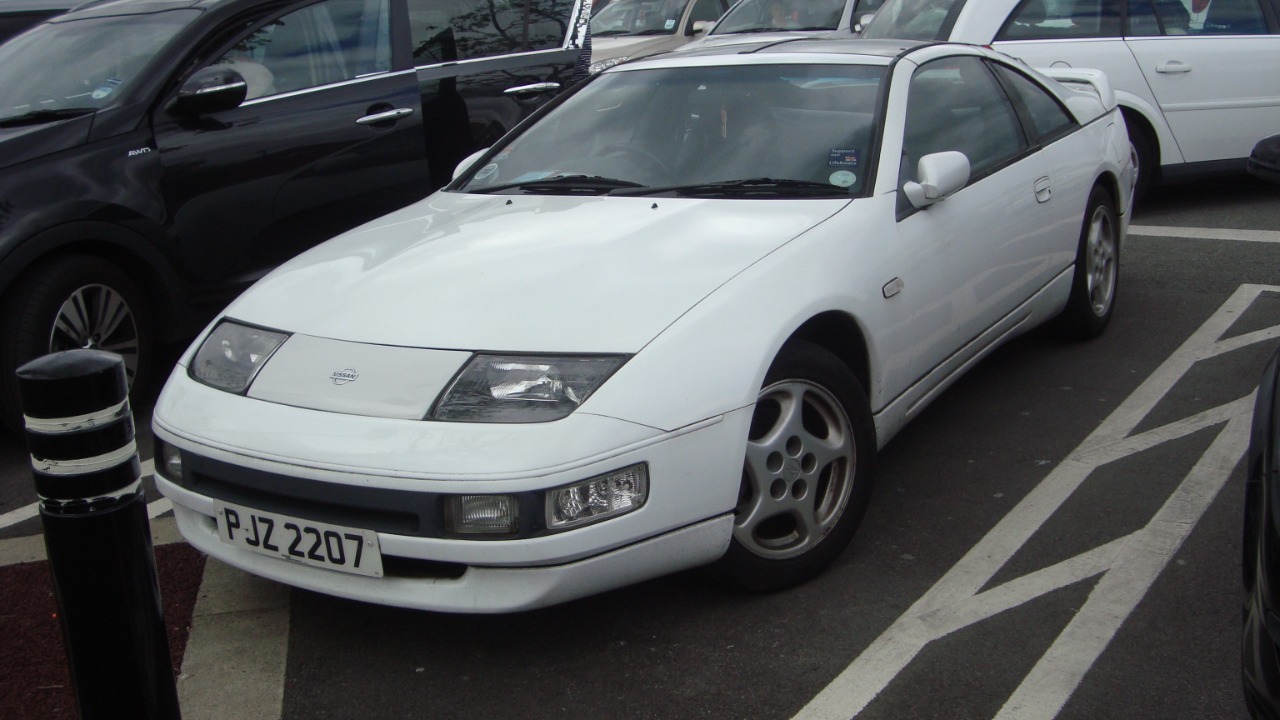
The 1995 Nissan 300ZX Twin Turbo arrived at the tail end of the Japanese performance boom with technology that felt like it had been air‑dropped in from the future. Even as newer sports cars have come and gone, the Z32 generation has kept a kind of quiet authority, the sense that its engineering still holds up when you drive it hard. I want to unpack why this particular year and spec have aged so gracefully, and why so much of its hardware still feels relevant rather than retro.
Packaging a future-facing chassis
What strikes me first about the 1995 Nissan 300ZX Twin Turbo is how modern its basic layout still feels. The car sits low and wide, with the wheels pushed to the corners and a cabin that is almost shrink‑wrapped around the driver, a stance that current designers still chase when they talk about agility and “planted” handling. When the second‑generation 300ZX, known in Japan as the Fairla Z, arrived, it was framed as An Elegant Weapon For a More Civilized Age, and that description still fits when you look at how cleanly the bodywork wraps around the mechanicals.
Underneath, the Z32’s double wishbone suspension at all four corners gives it a level of precision that many later, cheaper sports cars never matched. That layout, combined with the “fun to drive” philosophy that prioritized those wheels‑to‑the‑corners proportions, delivered a car that could change direction quickly without feeling nervous. The suspension was tuned to offer a surprising amount of feedback through the steering and seat, so even today it does not come across as vague or floaty in the way some 1990s performance cars do. The fact that this core chassis recipe still reads like a spec sheet for modern enthusiast coupes is a big reason the 1995 Twin Turbo has not felt left behind.
Powertrain tech that still feels sharp
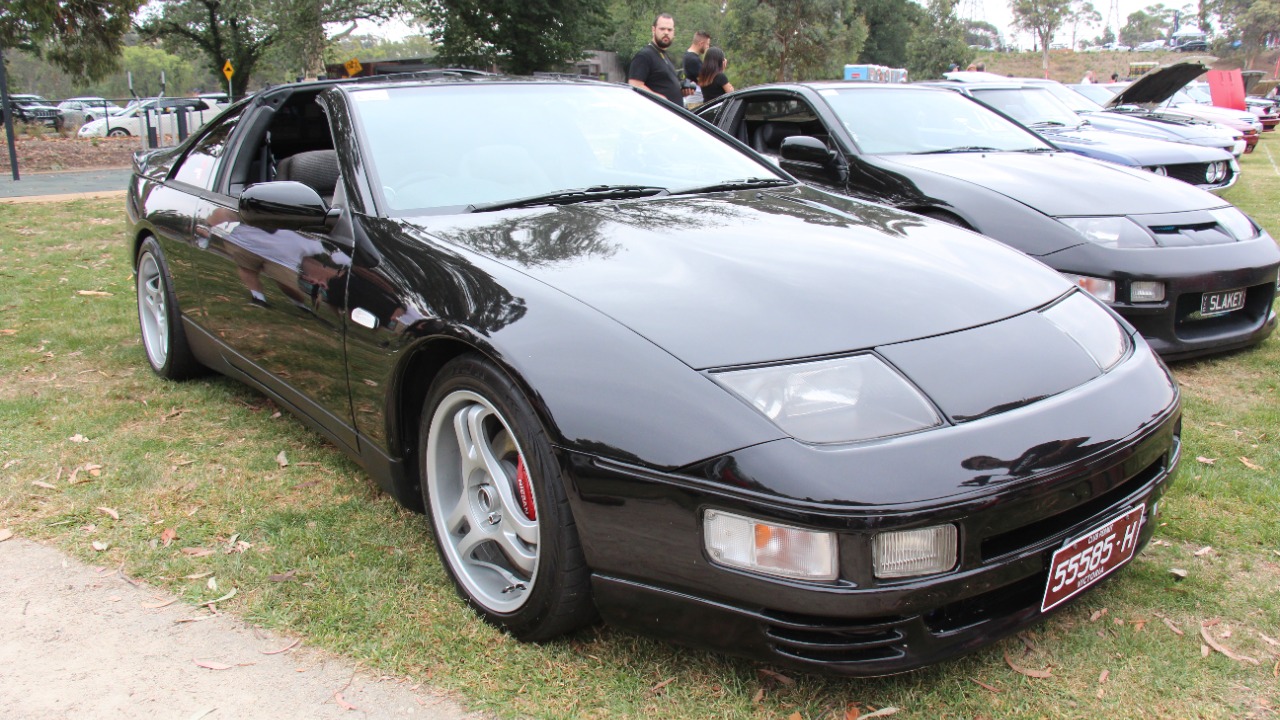
The heart of the 1995 Twin Turbo is the VG30DETT, a 3.0‑liter V6 with twin turbochargers and dual overhead cams, and it remains a sophisticated piece of kit by current standards. Instead of chasing displacement, Nissan leaned on forced induction and tight packaging, which is exactly the route many contemporary performance engines have taken. In period, the car’s sleek, stylishing, twin turbo character was highlighted as a showcase of how much power and refinement you could squeeze from a relatively compact engine, a point that comes through clearly in deep dives into the incredible tech that defined the 300ZX.
What keeps this powertrain feeling contemporary is not just the headline output, but the way it delivers that performance. The turbos are sized for quick response rather than huge top‑end numbers, so the car builds boost in a smooth, linear way that mirrors the tuning philosophy of many current twin‑turbo V6s. The engine management and cooling systems were complex for their time, which made the car expensive to build and maintain, but that same complexity is why the 1995 Twin Turbo can still be tuned and driven hard without feeling like a fragile antique. In a sense, the industry has grown into the level of sophistication that the VG30DETT already demanded.
Electronics that were ahead of the curve
Beyond the engine, the 300ZX Twin Turbo was packed with electronics that pushed it into near luxury‑GT territory, and that is another reason it has aged so well. Features like advanced climate control, power accessories, and driver‑focused instrumentation were integrated in a way that made the cockpit feel cohesive rather than cluttered, something that modern cars still struggle to balance. When I look at how the car’s systems were laid out and how many control modules it carried, it is clear why some enthusiasts now talk about the Z32 as being too advanced for its own good, a theme explored in detail when people revisit why the car Was Still a Great Machine despite its complexity.
Those electronics did have a cost, both literally and figuratively, but they also foreshadowed the level of integration that is now standard in performance cars. The 300ZX’s blend of comfort and control systems meant you could daily drive a Twin Turbo without feeling like you were sacrificing usability, which is exactly the formula that modern grand tourers and high‑end coupes follow. The fact that the car’s digital and analog elements still feel intuitive, rather than hopelessly dated, speaks to how far ahead of the curve its designers were aiming in the mid‑1990s.
How the aftermarket kept the 1995 Twin Turbo current
Another reason the 1995 300ZX Twin Turbo has stayed relevant is that its underlying engineering responds incredibly well to thoughtful modification. When I look at well‑sorted builds, what stands out is how owners can update the suspension, brakes, and tires without fighting the car’s basic character. One detailed feature on a 1995 example shows how a complete coil‑over suspension with hydraulic lift capabilities, paired with Michelin Pilot tires, transformed the car’s grip and usability while still working in harmony with the original chassis tuning, a combination that was highlighted in a Boost Mobile build that leaned into the car’s strengths.
That kind of upgrade path has helped the Twin Turbo feel contemporary on real roads and tracks. Modern coil‑overs, better alignment settings, and sticky rubber like those Michelin Pilot tires let the car exploit its double wishbone layout in ways that match or exceed the performance of newer factory sports cars. At the same time, the engine’s robust internals and strong cooling support higher boost levels and updated tuning solutions, so owners can safely chase more power without turning the car into a temperamental project. The result is a platform that can be tailored to current performance expectations while still feeling like a cohesive, factory‑engineered machine.
The driving experience that refuses to age
For all the talk about specs and tech, the real test of whether a car has stayed advanced is how it feels from behind the wheel, and the 1995 300ZX Twin Turbo still delivers an experience that lines up with modern enthusiast expectations. The seating position is low, the controls are weighty without being punishing, and the steering communicates what the front tires are doing in a way that many electrically assisted systems struggle to match. When I watch contemporary reviews, such as the spirited take from Horsepower Cartel where Limitless, also known as Santos, walks through a twin turbo review of the car, it is clear that the chassis balance and power delivery still impress drivers who are used to much newer machinery, a point that comes through in that Horsepower Cartel perspective.
The Z32’s mix of stability and playfulness is what really keeps it feeling current. It is composed at speed, yet willing to rotate when you ask, and the turbos give you a satisfying shove without the kind of lag that dates some older forced‑induction cars. That blend of traits is why the 300ZX continues to be framed as a serious alternative to newer performance coupes, and why enthusiasts still describe it as one of the most capable cars of its time. When a car can be driven hard today and still feel intuitive, it earns a kind of timelessness that spec sheets alone cannot explain.
Why “too advanced” became a long-term advantage
There is an irony at the heart of the 1995 Nissan 300ZX Twin Turbo story. The same sophistication that made it expensive and, in some eyes, overcomplicated in the 1990s is what has allowed it to age so gracefully. In‑depth retrospectives often point out that it seems unfair to focus only on the negative points, because the car Was Still a Great Machine in terms of its design, engineering, and driving experience, even if the market was shifting toward cheaper, simpler performance options at the time. That context helps explain why some of the very features that once scared off buyers now look like smart, forward‑thinking decisions when viewed through the lens of modern sports car design, a theme that is explored when analysts revisit why the 300ZX was considered too advanced for its own good and yet Was Still respected by those who understood it.
Today, when I see owners and reviewers talk about the Z32, they are just as likely to praise its refinement and integrated technology as they are to mention its maintenance demands. Modern diagnostic tools, better aftermarket support, and a deeper collective understanding of the platform have turned what once felt like intimidating complexity into a manageable part of ownership. Enthusiasts who love to tell stories about the car’s development and capabilities, including those who break down the sleek, stylishing, twin turbo hardware in detailed video essays, help keep that knowledge alive, as seen in the way one creator walks through the Untitled but meticulous look at the Z32’s engineering. In that sense, the 1995 Twin Turbo has not just stayed advanced, it has grown into the era it helped define, meeting today’s expectations with a confidence that feels anything but nostalgic.
More from Fast Lane Only: