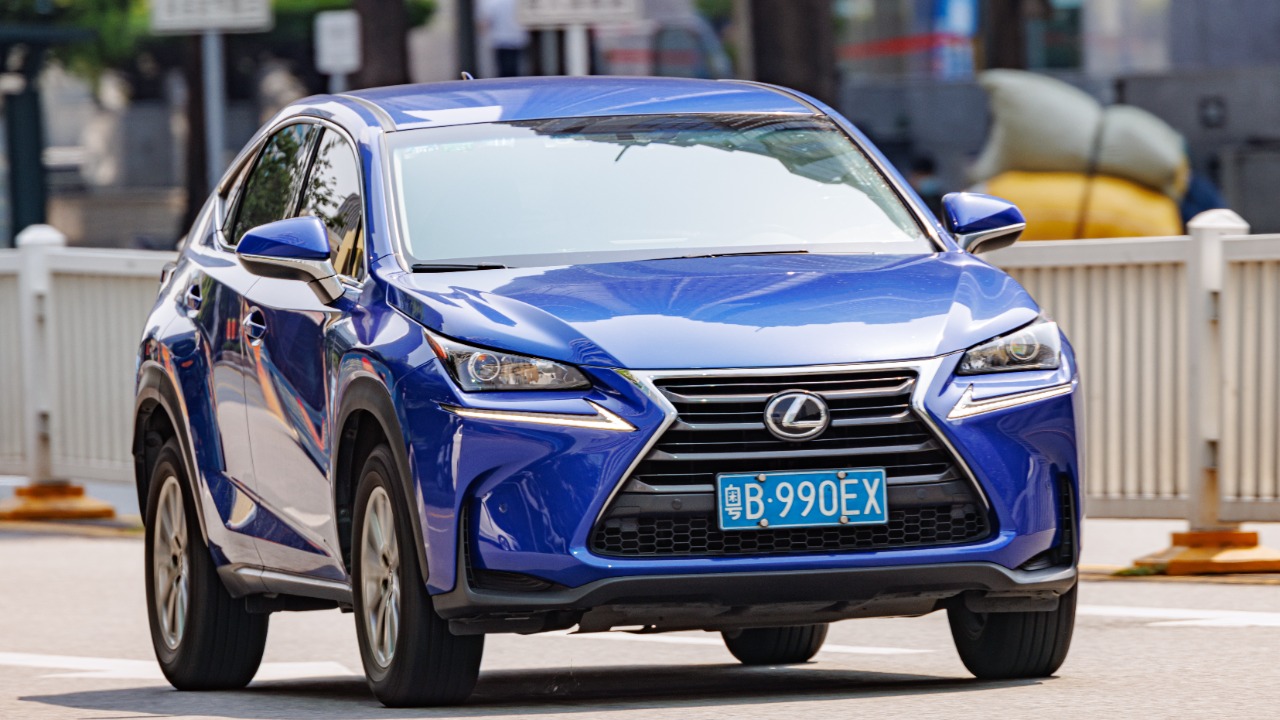
The 2014 Lexus IS arrived with a clear mission: stop playing the quiet understudy and step directly into the sport-sedan spotlight. Instead of a mild refresh, Lexus treated this generation as a reset, tightening the car’s dynamics, sharpening its styling, and rethinking the cabin so it could stand toe to toe with the segment’s most athletic players.
That transformation did not happen through one flashy headline feature, but through a series of deliberate engineering and design choices that collectively gave the IS a much keener edge. From a stiffer body and revised suspension to a more assertive look and a deeper focus on safety tech, the car signaled that Lexus was ready to be taken seriously by drivers who care as much about feel as they do about finish.
Design that finally matched the intent
Before this generation, the IS often felt like a car that drove better than it looked, a bit too anonymous for buyers who wanted their compact luxury sedan to make a statement. With the 2014 model, Lexus leaned into a bolder visual identity, using the now-familiar spindle grille and more sculpted bodywork to give the car a stance that matched its performance ambitions. The front end in particular took on a more aggressive character, with sharper lines and a lower, wider presence that echoed the brand’s halo projects and made the IS look far more purposeful in a crowded parking lot.
That shift was not accidental. Earlier development chatter made it clear that the company wanted a more engaging design and was willing to take cues from its most exotic machinery to get there, especially at the front of the car where first impressions are made. The result is a sedan that no longer fades into the background, but instead uses its more assertive proportions and detailing to signal the sportier focus that Lexus was chasing, a direction previewed when the brand indicated it would take inspiration from its most dramatic designs.
Chassis and suspension: where the edge really got sharper

Styling may grab attention, but the real story with the 2014 IS sits under the sheet metal. Lexus engineers focused heavily on body rigidity and suspension tuning, knowing that a tighter structure is the foundation for precise handling and better ride control. The car’s stiffer body allowed the suspension to do its job with more accuracy, so small steering inputs translated more cleanly to the road and the chassis felt more composed when pushed. That structural work, combined with a redesigned suspension system, gave the IS a more connected, confident feel that drivers could sense within the first few corners.
Reviewers who spent time with the car highlighted that these under-the-skin changes were not marketing fluff but tangible improvements. One early drive report pointed to Other Under the Skin Updates that trimmed pounds from the body’s weight while increasing rigidity, a rare combination that benefits both agility and efficiency. Another detailed look at the car’s behavior on the road emphasized that the most crucial changes came from the stiffer body structure and redesigned suspension, which together made the IS feel more eager to turn in and more stable mid-corner, especially when you needed to punch it out of an apex, a point underscored in a review that described how But the most crucial changes were baked into the car’s structure and suspension rather than its spec sheet.
From quiet luxury to genuine sport sedan
For years, the IS carried a reputation as the “comfortable choice” in the entry-luxury segment, a car that prioritized refinement over raw excitement. With the 2014 generation, Lexus clearly wanted to keep that polish while adding real athleticism, and the result was a sedan that finally felt like a legitimate alternative to the class benchmarks. The steering gained weight and feedback, the chassis responded more eagerly to quick transitions, and the car’s balance inspired more confidence when driven hard. It was not trying to be a track toy, but it no longer shied away from spirited driving either.
That evolution showed up in how the car was judged against its peers. Evaluations of the 2014 Lexus IS highlighted its high-fashion styling, sharper handling, and added interior room, noting that these changes helped make it a top contender among entry-level luxury sedans rather than a niche choice. A broader verdict on the IS line went further, pointing out that when people asked, “What about that sportiness?” the answer was now found in a chassis that ranked among the most noticeable upgrades to the new generation, with the car described as far more willing to play along when driven with intent, a shift captured in an assessment that opened with What about that sportiness as a central question.
F Sport flavor and straight-line performance
For drivers who wanted the sharpest version of this sharper IS, the 350 F Sport package became the focal point. With its more aggressive tuning, distinct styling cues, and performance-oriented hardware, it represented the clearest expression of Lexus’s new attitude in this segment. The F Sport did not turn the IS into a stripped-out racer, but it did tighten responses, add visual drama, and give enthusiasts a version that felt tailored to weekend back roads as much as weekday commutes.
Instrumented testing of the 2014 Lexus IS 350 F Sport painted a nuanced picture of its straight-line pace. Once rolling, things got a little better, but the recorded quarter-mile time was a little slower than some expected at Once 14.4-seconds at 100 miles per hour, even though the car felt lively in everyday driving and offered responsive shifts through its paddles. That balance, quick enough to be engaging but not obsessed with headline numbers, fit the broader character of the IS: a sport sedan that prioritized feel, composure, and usability over drag-strip bragging rights.
Safety, structure, and the tech behind the polish
Sharpening the IS did not mean abandoning the brand’s traditional focus on safety and refinement. Underneath the more athletic dynamics, Lexus invested in advanced construction techniques and a deep roster of protective technology. The same structural work that improved handling also contributed to crash performance, with strategic use of high-strength materials and precise welding helping the car manage and dissipate impact forces more effectively. Inside, the cabin layout and materials aimed to keep the driver supported and comfortable, reinforcing the sense that this was still a Lexus at heart, just one with a sportier streak.
That dual mission is clear when you look at how the IS family evolved into the following model year, which carried forward the core engineering of the 2014 car. Product information for the 2015 IS highlighted advanced construction techniques that included laser-screw welding and adhesive bonding, along with the availability of three 18-inch wheel designs, details that underscored how seriously Lexus took both structure and style in this generation, as outlined in a release on advanced construction and equipment. Safety equipment was equally robust, with Ten Supplemental Restraint System (SRS) airbags listed as standard and the IS models employing the innovative Vehicle Dynamics Integrated Management system and an Advanced Tire Pressure Warning System (AL-TPWS), a combination that showed how Ten Supplemental Restraint System airbags and sophisticated chassis electronics were integral to the car’s identity.
Looking back, I see the 2014 IS as the moment when Lexus stopped treating its compact sedan as a supporting player and started building it like a headline act. The styling finally matched the intent, the chassis caught up with the badge’s performance aspirations, and the safety and structural tech quietly underpinned it all. It did not abandon comfort or polish, but it no longer apologized for wanting to be driven hard, and that is how the 2014 Lexus IS truly sharpened its edge.
More from Fast Lane Only: