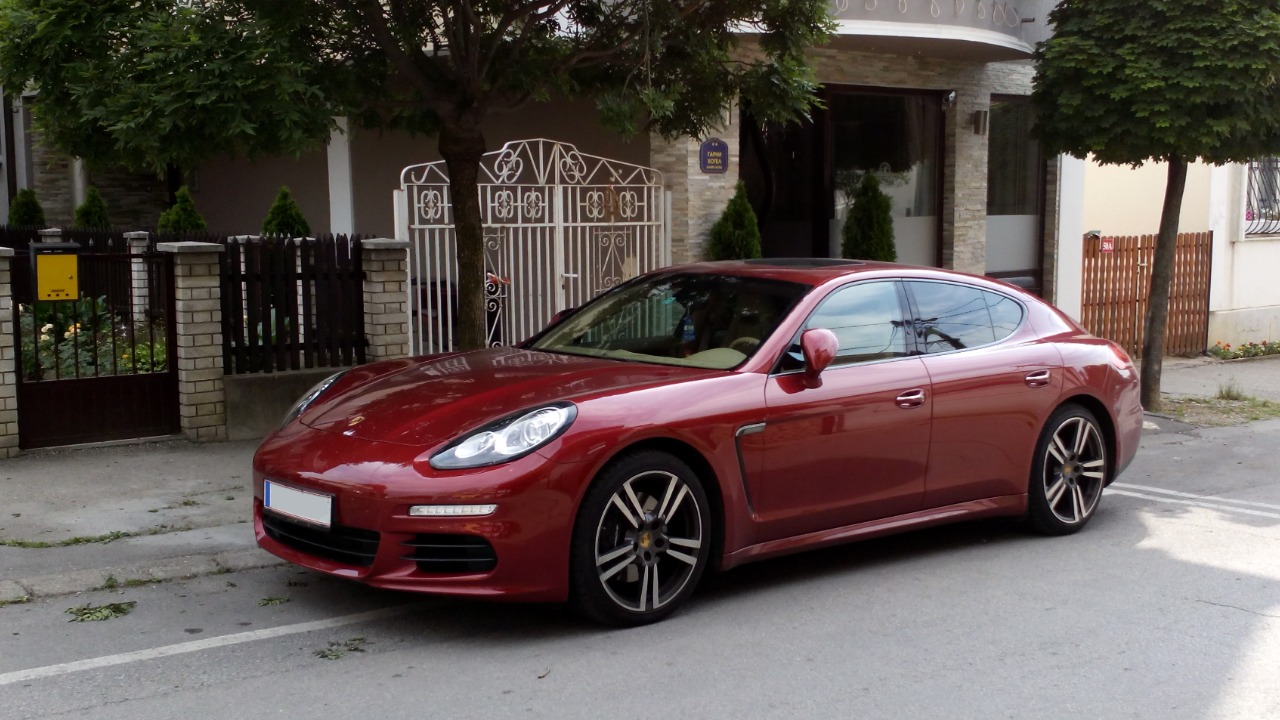
The second generation Porsche Panamera did not just replace an outgoing model, it reset expectations for what a four door from Stuttgart could be. When I look back at that 2017 car, I see a moment where Porsche took criticism of the original shape, the demands of modern tech and efficiency, and the brand’s own racing ego, then folded all of it into a clean-sheet rethink.Instead of tweaking the formula, Porsche used the 2017 Panamera to prove that a big luxury hatchback could look elegant, drive like a sports car and quietly introduce a new platform that would shape much of the Volkswagen Group’s future engineering.
From Berlin spotlight to Second Generation Panamera
The reinvention started with theater. Porsche chose a world premiere in Berlin, staging the reveal of the 2017 Panamera on a Tuesday evening that underlined how important this car had become to the brand’s identity. At that event, the company framed the car as a bridge between its sports car heritage and a more digital future, even highlighting the so called Porsche Advanced Cockpit as a centerpiece of the redesign, a detail that was already being teased by dealers in Jul previews that looked back to that Tuesday in Berlin.
Underneath the showmanship, this was the formal birth of the Second Generation Panamera, a car that arrived first as the Panamera 4S and Turbo and immediately reset the performance and luxury benchmarks for the nameplate. In Canada, for example, Porsche’s own historical overview describes how the 2016 launch of the second generation Panamera, including the Turbo, brought faster charging plug in variants and a more cohesive lineup, with the new car able to recharge its hybrid battery in as little as 3.6 hours according to the brand’s own evolution notes.
A cleaner shape and a sharper driving brief
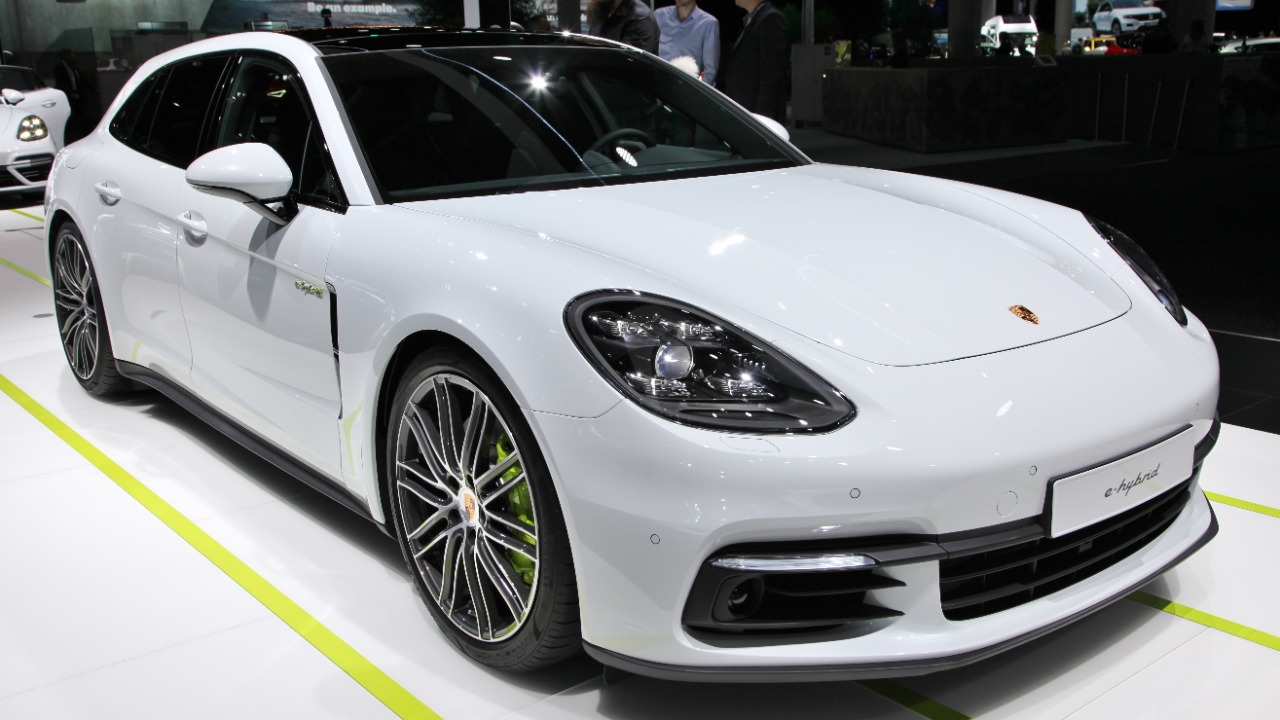
Visually, the 2017 car answered the loudest complaint about the original Panamera, that awkward hunchbacked rear. The redesign stretched the roofline, tightened the tail and gave the four door a profile that finally echoed the 911 without looking like a caricature. One detailed walkaround from a dedicated Panamera hub simply calls the second generation car “one hell of an upgrade” and praises how the four door super saloon looks fresher and sharper than its predecessor, a sentiment that matches my own first impression when I saw the official Jun launch footage.
On the road, that sleeker body was backed up by dynamics that felt more like a big sports coupe than a limousine. Reviewers who drove the second generation Porsche Panamera in its early days kept circling back to the same conclusion, that it was both a sports car and a luxury sedan, with no real compromise in either direction. One early road test video even opens by asking whether the Porsche Panamera is a sports car or a luxury sedan, then answers its own question with “yes on both counts,” as the presenter hustles the car through corners and highlights how the new chassis and powertrains make the big four door feel more like a Pors product than ever before in that Oct review.
New platform, new engines, same Porsche obsession
The real revolution sat under the skin. The Panamera became the first model built on the Volkswagen Group’s MSB architecture, short for Modularer Standard Baukasten, a standard modular toolkit that was engineered specifically for front engine, rear or four wheel drive layouts. By making The Panamera the launch product for MSB, the group signaled that this car would be the template for a generation of large luxury models, a point spelled out clearly in technical rundowns that describe how the Volkswagen Group MSB platform was tailored around the Panamera’s proportions.
Powertrain strategy evolved just as dramatically. The Panamera got two new engines for 2017, including a 4.0 liter twin turbocharged V 8 that debuted in the Turbo model and a downsized, more efficient V 6, both designed to work with advanced fuel saving systems and plug in hybrid tech. Analysts who dug into the engineering pointed out how complex saving fuel had become for a car like this, noting that The Panamera had to juggle performance, emissions and the expectations of buyers who were already familiar with the current Panamera S E Hybrid, a balancing act laid out in detail in a technical look at how The Panamera gets two new engines.
Inside the Porsche Advanced Cockpit
Step inside the 2017 car and the reinvention feels even more radical. The most noticeable change for the interior was a new central command layout that swept away the forest of physical buttons which had defined the first generation. Gone were the bucket like switch banks on the center console, replaced by touch based controls, a wide central screen and a cleaner, more horizontal design that made the cabin feel both more modern and more spacious, a transformation that early previews of the Panamera interior highlighted as the defining change.
From the driver’s seat, that Porsche Advanced Cockpit tied the car into the wider digital ecosystem that buyers were starting to expect from high end sedans. The second generation Porsche Panamera, even in Base form, integrated navigation, connectivity and configurable displays in a way that made the car feel like a rolling control center, while still keeping a traditional tachometer front and center. A detailed breakdown of the 2017 to 2020 Porsche Panamera (Base) notes how Porsche used this generation to standardize features like navigation and to refine the way information was presented to the driver, describing how Porsche Panamera (Base) models gained a more intuitive interface.
Turbo bravado, Nürburgring bragging rights and the long game
Porsche did not miss the chance to flex. The 2017 Panamera Turbo and 4S were available to order soon after the reveal and were scheduled to hit dealer showrooms in early November, with The Turbo positioned as the flagship that would justify its price with raw numbers. Enthusiast coverage at the time emphasized how the Panamera Turbo and its sibling could be ordered ahead of that on sale date and how The Turbo not only delivered huge power but also broke a Nürburgring lap record for its class, reinforcing the idea that this was not just a luxury car but a serious performance machine, as highlighted in reports on how the Panamera Turbo and 4S maintained their roots while chasing records.
The showmanship extended back to that Berlin debut, where Porsche celebrated the world premiere of the new 2017 Porsche Panamera as a statement that the brand could build a four door without diluting its identity. Coverage of that event describes how the World premiere of the new 2017 Porsche Panamera in Berlin framed the car as both a technological flagship and a design reset, with the phrase Porsche Panamera repeated almost like a mantra as executives talked about how Porsche and the Panamera would move forward together, a tone captured in reports on the World premiere celebration.
Variants, body styles and the legacy of a reinvention
What makes the 2017 reinvention so interesting to me is how quickly Porsche built on it. In March 2017, Porsche unveiled additional body styles, expanding the second generation lineup into Grand Turismo, long wheelbase Executive and Sport Turismo variants that turned the Panamera into an entire family rather than a single silhouette. A detailed second generation guide notes how, with this update, almost all models were eventually offered in Grand Turismo, Executive and Sport Turismo forms, underscoring how the Grand Turismo, Executive and Sport Turismo strategy turned the Panamera into a modular luxury platform.
At the same time, Porsche’s own research hubs kept expanding the story of the Panamera, tracking how the second generation evolved through later updates and even into 2021, when the Panamera got new LED taillights and other refinements. One comprehensive Gen Panamera Research Hub and Ultimate Guide traces the car’s journey from that 2017 reset through later facelifts, showing how the Panamera remained central to the brand’s lineup and how the Gen Panamera Research Hub documents each tweak.
How the 2017 Panamera feels today
Looking back now, I see the 2017 Porsche Panamera as the moment the model truly came into its own, and that impression is reinforced every time I revisit period reviews. In one RDS spotlight, host Ryan Kchner from Porsche of the Mainline walks around an all new 2017 car and talks through the details with the calm confidence of someone who knows he is showing customers a turning point, a tone that comes through clearly in that Nov RDS video where Ryan Kchner from Porsche of the Mainline introduces the car.
The numbers back up that gut feeling. MotorTrend’s coverage of the final first generation car made a point of contrasting it with what was coming, noting that the 2017 Porsche Panamera is lighter than before, debuts new engine options, and features new headlights, touch based controls and a redesigned steering wheel, all of which underline how comprehensive the change really was. When I put all of that together, from the lighter body to the touch driven cockpit, I end up agreeing with that assessment that the 2017 Porsche Panamera is lighter and more advanced in ways that still feel current.
More from Fast Lane Only: