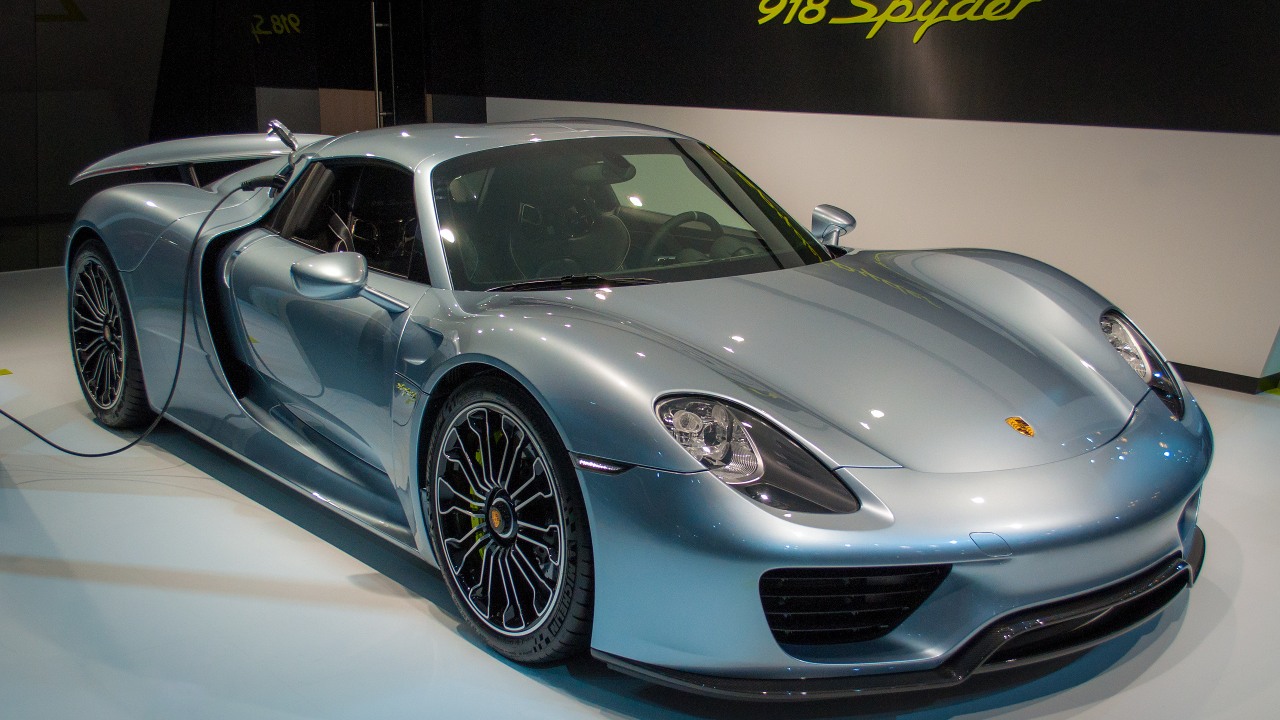
The 2014 Porsche 918 Spyder arrived at a moment when hybrids were still saddled with a reputation for thrift rather than threat. By fusing electric torque with race-bred combustion power, it turned that image on its head and made battery assistance feel genuinely intimidating. I see it as the car that proved a plug and a charging cable could coexist with lap records and fearsome performance, not polite eco messaging.
From eco badge to apex predator
Before the 918, hybrids were widely treated as sensible transport, not something that could unsettle drivers of V12 exotics. A Pioneer in Hybrid Hypercars, the project that began When Porsche developed the 918 Spyder was explicitly framed around shattering those expectations, taking Hybrids from efficiency experiments to full-bore performance tools. Reporting on the car’s debut notes that the 918 changed that perception forever by pairing blistering acceleration with a sophisticated plug-in system, turning the hybrid label into a performance advantage rather than a compromise.
That shift mattered because it reframed what electrification could mean for enthusiasts. Instead of asking drivers to trade speed for conscience, the 918 offered both, using its dual power sources to deliver instant response and relentless pace. Analysts describe it as The Hybrid Hypercar That Redefined Performance, with The Porsche 918 Spyder positioned as a halo model that showed how electric assistance could sharpen a car on road and track. By the time early owners began using its electric-only mode to slip silently through cities before unleashing the full system on open roads, the old joke about hybrids being boring had started to look dated.
Engineering a car that scared the old guard
The 918’s hardware was engineered to intimidate traditional supercars as much as to impress engineers. The dynamic performance of the 918 is possible courtesy of a unique all-wheel drive concept that combines a high revving combustion engine with powerful electric motors, each contributing to traction and acceleration at every burst of speed. Factory material on the project makes clear that this layout was not a science project but a template for Porsche’s future generations of sportscar, with the 918 serving as a rolling manifesto for how the brand saw performance evolving.
That philosophy extended to the way the hybrid system was tuned. Rather than chasing maximum range, the calibration focused on delivering repeatable, explosive thrust and razor sharp responses, a strategy later echoed in the brand’s performance hybrid programs described under Powered by two hearts. With the hybridised 918 Spyder, in 2013 Porsche announced a development that in this decade will lead to the brand’s first wave of competition and road-going performance hybrids, including the 911 GT3 R Hybrid. In other words, the 918 was built to be frighteningly quick first, efficient second, and it set the template for how the company would use electric power as a weapon in motorsport and on the street.
The Nürburgring lap that rewrote the rulebook
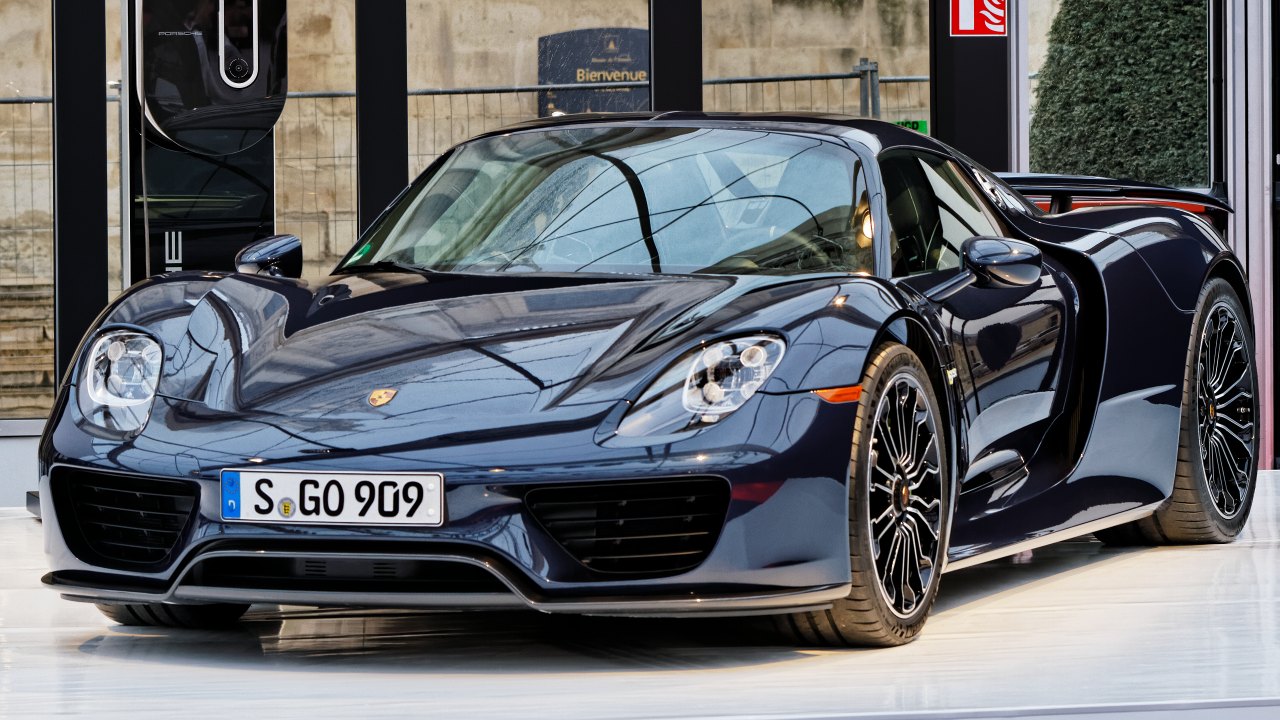
If there was a single moment when the 918 stopped being a curiosity and became a threat, it was its run at the Nürburgring Nordschleife. In 2013, the Porsche 918 Spyder set a Nürburgring lap time of 6:57, making it the first production car to break the seven minute barrier on that circuit. That 57 figure became shorthand for a new era, a data point that forced skeptics to accept that a plug-in hybrid could not only match but surpass the benchmarks set by conventional supercars.
The context around that lap underlined how disruptive it was. Apr reporting on the car’s early reception notes that The 918 Broke Records When It Launched and that One of the biggest concerns leveled at the 918 Spyder prior to its launch was whether the extra weight and complexity of the hybrid system would blunt its edge, particularly on a demanding track. Instead, the sub seven minute lap silenced those doubts, showing that careful packaging and instant electric torque could offset mass and even deliver an advantage out of slower corners. The result was a hybrid that did not just keep up with the old guard, it embarrassed them on their home turf.
Racing DNA and the “silent assassin” effect
The 918’s menace was not only about numbers, it was about how it felt and where its character came from. Sep analysis of the car’s development traces its Racing DNA From Le Mans to the Nürburgring, noting that the racing influence does not stop at the engine and that the entire hybrid system was shaped by endurance competition. That lineage meant the car could deploy its electric reserves strategically, much like a prototype racer using hybrid boost to overtake, giving drivers a sense of having extra performance in reserve that could be unleashed at will.
On the road, that translated into what one detailed profile dubbed The Hybrid That Humbled the V12s, capturing how the 918 could run quietly on electric power before erupting into full attack mode. Engineers quoted in that reporting are blunt, saying, “We didn’t want to build a hybrid to save fuel. We wanted to build the fastest car.” That attitude, combined with the ability to creep silently through a paddock before detonating down a straight, earned the car a reputation as a kind of silent assassin in the hypercar world, a machine with both a horn and a halo that could unsettle rivals simply by how effortlessly it deployed its performance.
Legacy: from cult classic to market monster
More than a decade on, the 918’s influence is visible in both engineering roadmaps and collector markets. With the hybridised 918 Spyder, Porsche signaled a direction that has since fed into its broader performance hybrid strategy, including competition projects like the 911 GT3 R Hybrid and future road cars that blend combustion and electric power. The Porsche 918 Spyder is now widely described as The Hybrid Hypercar That Redefined Performance, and its Origins and Development are cited as a turning point in how the brand, and much of the industry, thought about electrification at the top end.
That technical legacy has been matched by a surge in desirability. Commentators now talk about how the 918 is poised to become Porsche’s next multi Million USD collectible, with some analysis arguing that the Porsche 918 Spider could evolve into a $5M car as supply tightens and appreciation for its role grows. Earlier reviews of the Spyder Weissach Package, a lighter, track focused specification, already framed it as a $2+ Million USD masterpiece, underscoring how quickly values climbed once the car’s significance became clear. Taken together, those trajectories show how a model that once had to justify its hybrid badge is now treated as a benchmark, a car that made electrified performance not just acceptable but genuinely intimidating.
More from Fast Lane Only: