The 2020 Toyota GR Yaris arrived as a throwback to a time when racing regulations could reshape a showroom car, yet it landed in a market dominated by crossovers and software updates. By building a small, wild hatchback to satisfy rally rules, Toyota showed that homologation is still a powerful way to create something genuinely different. I want to unpack how that decision did more than birth a cult hero, it reset expectations for what a big manufacturer can do when motorsport is allowed to lead the engineering.
From humble Yaris to radical rally project
On paper, the GR Yaris starts with the most ordinary of foundations, the everyday Yaris supermini, but the finished car barely resembles its commuter cousin. Toyota describes it as the company’s first genuine all wheel drive sports car and its first modern homologation model, a machine created so that a competition version could run in the WRC. That intent explains why the production run had to hit at least 2,500 units in a continuous 12 month period, a figure that would make no sense if this were just another trim level. The body shell mixes lightweight materials to stay close to the minimum rally weight, and there is even a specific roofline and three door layout that exists purely because it works better on gravel and tarmac stages than the regular five door city car.
That radical approach is why one detailed road test argued that the 2020 Toyota GR Yaris is not a simple Celica GT Four tribute but something more focused, noting that its bodywork is all new just to make it a three door with a significantly lower and more aerodynamic roof, and that the whole rear end is unique to this car rather than shared with the standard Yaris platform Its bodywork. Underneath, the shell is a hybrid of different architectures, something fans on one enthusiast forum highlight when they point out that The GR Yaris is precisely proof of what Toyota can do with a standalone performance project. In other words, the car exists because rallying demanded it, and that demand gave engineers permission to ignore the usual cost saving logic that keeps most small hatchbacks firmly sensible.
Built with rally people, for rally purposes
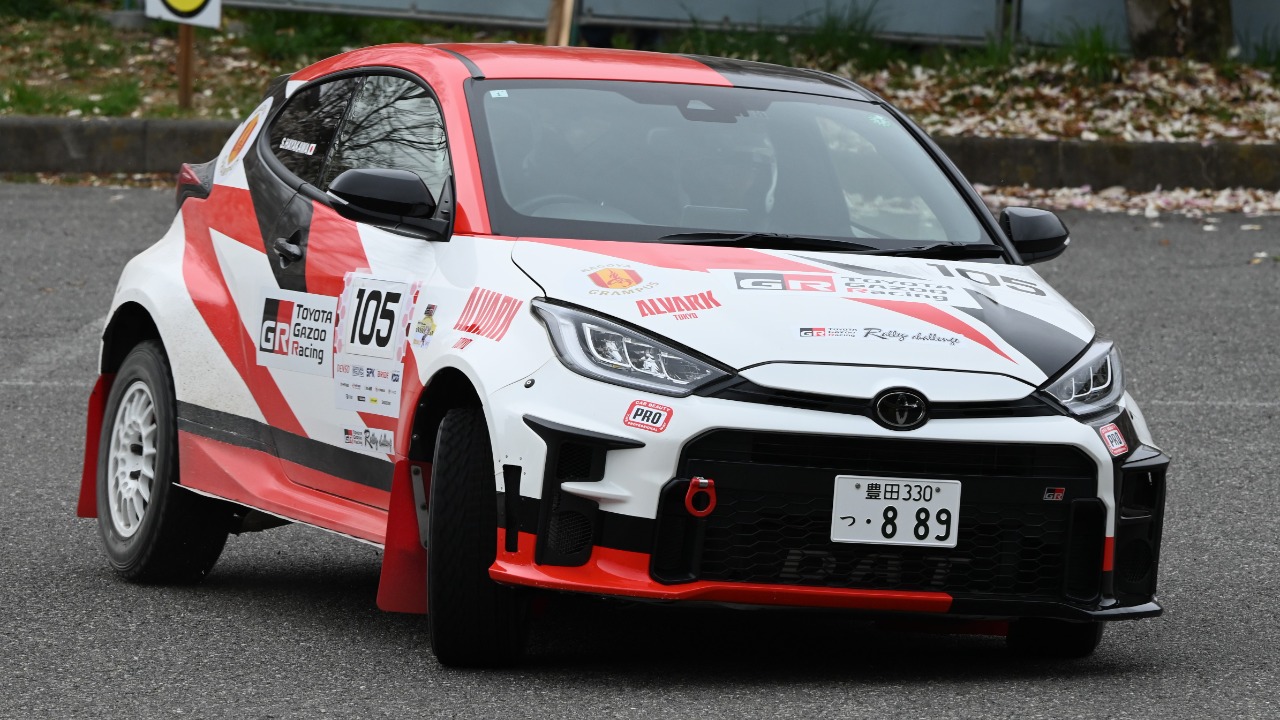
What makes the GR Yaris feel so different from a warmed over hatch is the way rally expertise is baked into its development. The car was developed with input from Toyota Gazoo Racing and master driver Tommi Mäkinen, who brought direct experience from the World Rally Championship program to the road car. That collaboration meant details like suspension geometry, drivetrain layout and even seating position were shaped by people who spend their lives chasing tenths on loose surfaces. Toyota itself is explicit that, as a homologation model, the Yaris would support the development of a new competition car for TOYOTA GAZOO Racing, with the road version tuned to deliver the best performance and drivability for that mission.
The mechanical package reflects that single minded brief. Early technical breakdowns emphasised that the body shell uses lightweight materials to keep the car in range of the minimum WRC homologation weight, and that there is an electronically controlled all wheel drive system with driver selectable torque splits. One popular video review spells it out more bluntly, saying that The GR is essentially not a Yaris at all, at least not as we expect it, but a full on WRC homologation special with modes that can send 70 percent of torque to the rear or a 50 50 split in Track mode. When a manufacturer lets its rally team dictate those sorts of choices, you end up with a car that feels like a competition tool first and a city runabout second, and that is exactly the point.
Homologation dreams vs rally reality
For all that effort, the pure rally version of the GR Yaris never actually reached the stages in the way fans expected, which could have undermined the whole homologation story. Tommi Mäkinen later explained that the dedicated GR Yaris rally program was cancelled because of coronavirus related disruption, saying that of course it is due to coronavirus and that one of the reasons was the changing regulations that made the original plan less viable. That twist could have turned the car into an orphaned curiosity, a road machine without a clear competition counterpart. Instead, the cancellation highlighted something more interesting, that the value of a homologation special can outlive the specific rulebook it was built to satisfy.
By the time those rally plans faded, the GR Yaris had already earned a reputation as a modern homologation hero. One in depth review notes that The Toyota GR Yaris is a true homologation special in the most literal sense, even if the car it was created to homologate never actually turned a wheel in anger. Another analysis goes further, arguing that the whole project was the idea of Akio Toyoda himself and that, having used joint ventures to get the GT86 and the GR Supra out the door, Akio pushed for a car that would be developed in house. In that light, the GR Yaris proves that homologation is not just about ticking boxes for scrutineers, it is a way for a company to force itself to build something uncompromised, even if the race program shifts under its feet.
How the road car kept evolving
What really underlines the lasting impact of the GR Yaris is how Toyota has kept refining it long after the original WRC regulations moved on. A recent update focused on details that matter in rally service, such as a consolidated rear lighting strategy that is meant to minimize the cost of damage on stages, and tweaks to the drivetrain and electronics that make the car even more capable when driven hard. The same deep dive points out that just as American car enthusiasts will pay a premium for JDM car parts, some Japanese car enthusiasts will pay extra for the European spec GR Yaris with its different tuning and features, a reminder that this is a global cult object rather than a niche domestic oddity Just. When a car born from homologation starts inspiring that kind of cross market demand, it shows how competition led engineering can create its own ecosystem.
The powertrain has evolved too. Commentators looking at the latest updates highlight that Toyota now uses the tiny three-cylinder turbo motor to produce 267 bhp, a figure that would have sounded absurd for a Yaris a decade ago. Another overview of the 2024 changes notes that Toyota went to town on the GR Yaris when it was revealed, and that the car was Initially conceived for rallying with components like the rear suspension and hybrid tech borrowed from the Prius, not the standard Yaris. That willingness to keep pouring motorsport thinking into a small hatchback, even as emissions rules tighten and SUVs dominate sales charts, is a quiet but powerful argument that homologation still has a place in a modern product plan.
Why this little car changed Toyota’s big picture
From my perspective, the GR Yaris matters most because it changed how people talk about Toyota as a brand. One enthusiast feature framed it as the moment the company moved to its Next Chapter, arguing that Next Chapter Toyota has absolutely nailed it with the Gazoo Racing version of the Yaris, and that this is not just some marketing exercise but a car that may not even make much money for the company. Another analysis of Toyota’s broader performance push points to a series of GR cars, a sexy new Prius, and the clever hydrogen powered Mirai as evidence that Prius and Mirai now sit alongside the GR Yaris as proof that Toyota is one of the most exciting manufacturers on the planet. When a tiny homologation hatch is mentioned in the same breath as a halo sports car like the Toyota Supra, you know something has shifted.
More from Fast Lane Only: