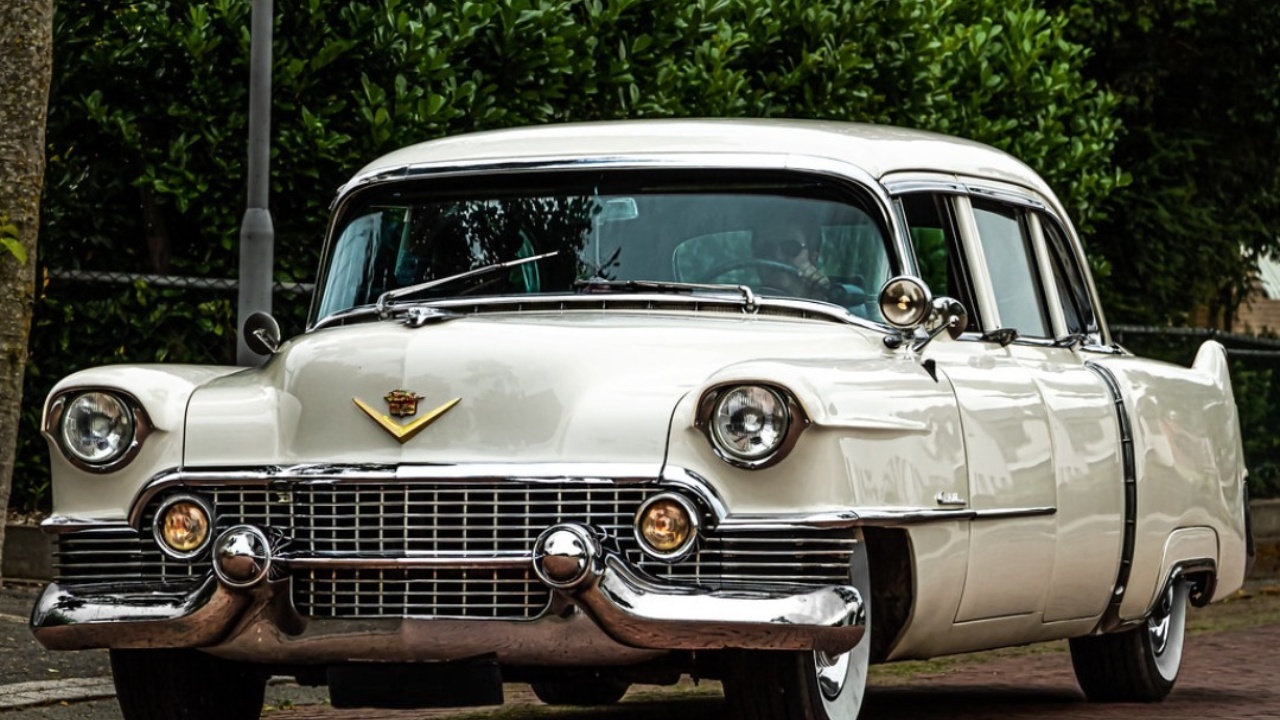
For decades, Cadillac reigned supreme in the American luxury market. But Chrysler had no intention of staying on the sidelines. With the Imperial, it launched a full-size flagship aimed squarely at Cadillac’s crown—bigger, heavier, and often more technologically advanced. From the mid-1950s through the early 1970s, the Imperial went toe-to-toe with GM’s finest, blending power, prestige, and engineering bravado in a way that only Chrysler dared.
Imperial became its own brand in 1955
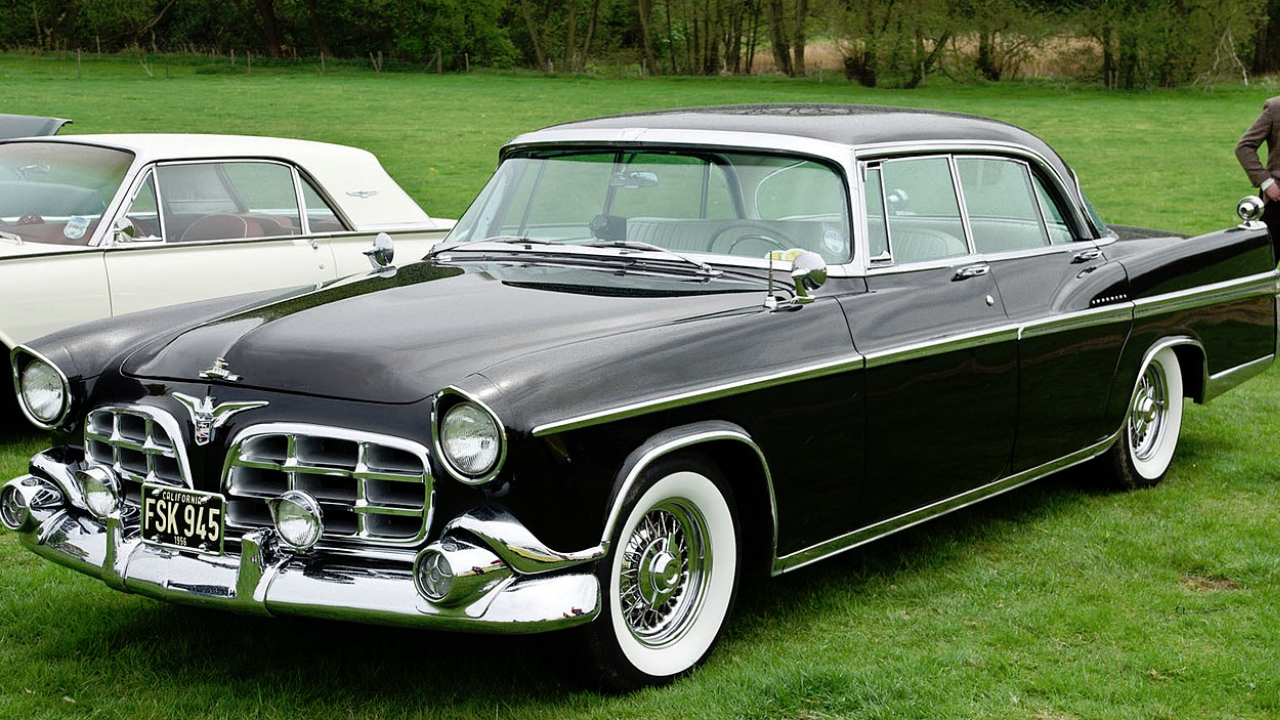
In 1955, Chrysler spun off Imperial as a standalone marque, aiming directly at Cadillac and Lincoln. Though still built by Chrysler, the Imperial featured distinctive styling, its own dedicated assembly line, and separate marketing—a clear signal that this wasn’t just a dressed-up New Yorker. Chrysler was serious about creating a true luxury contender, one that could compete on equal footing with America’s finest.
The 1955 Imperial rode on a longer wheelbase and featured exclusive trim, grille, and badging. This wasn’t a parts-bin special—it was Chrysler taking the Cadillac challenge seriously, building a car that stood apart not just in looks, but in intent.
It offered advanced engineering from day one
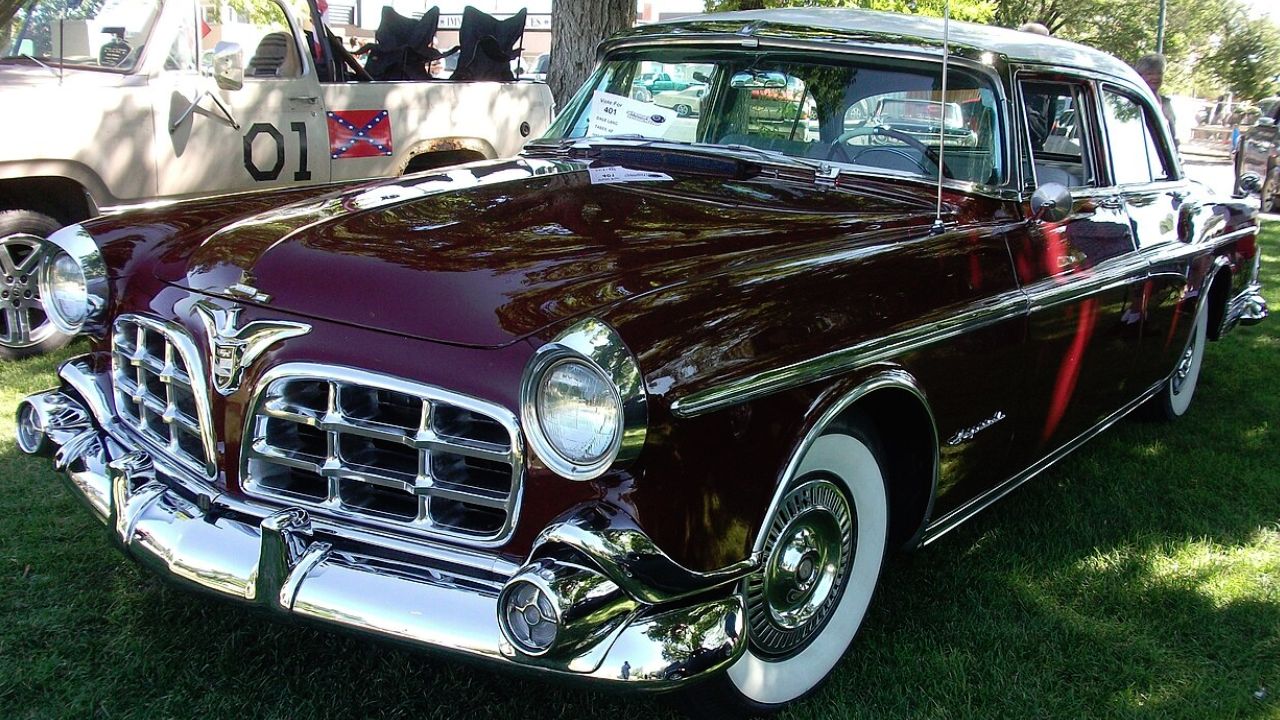
The early Imperial lineup came loaded with Chrysler’s most advanced hardware. The 1955 model featured power steering, power brakes, and a 331-cubic-inch HEMI V8 rated at 250 horsepower—outmuscling Cadillac’s base engine that year and proving Imperial wasn’t just chasing luxury, but performance too.
Imperials also featured Chrysler’s PowerFlite automatic transmission and early push-button gear selectors, innovations that underscored the brand’s engineering-first philosophy. Rather than relying solely on styling, Chrysler focused on building cars that were as technically competent as they were comfortable, reinforcing Imperial’s status as a serious luxury contender.
Virgil Exner brought dramatic styling
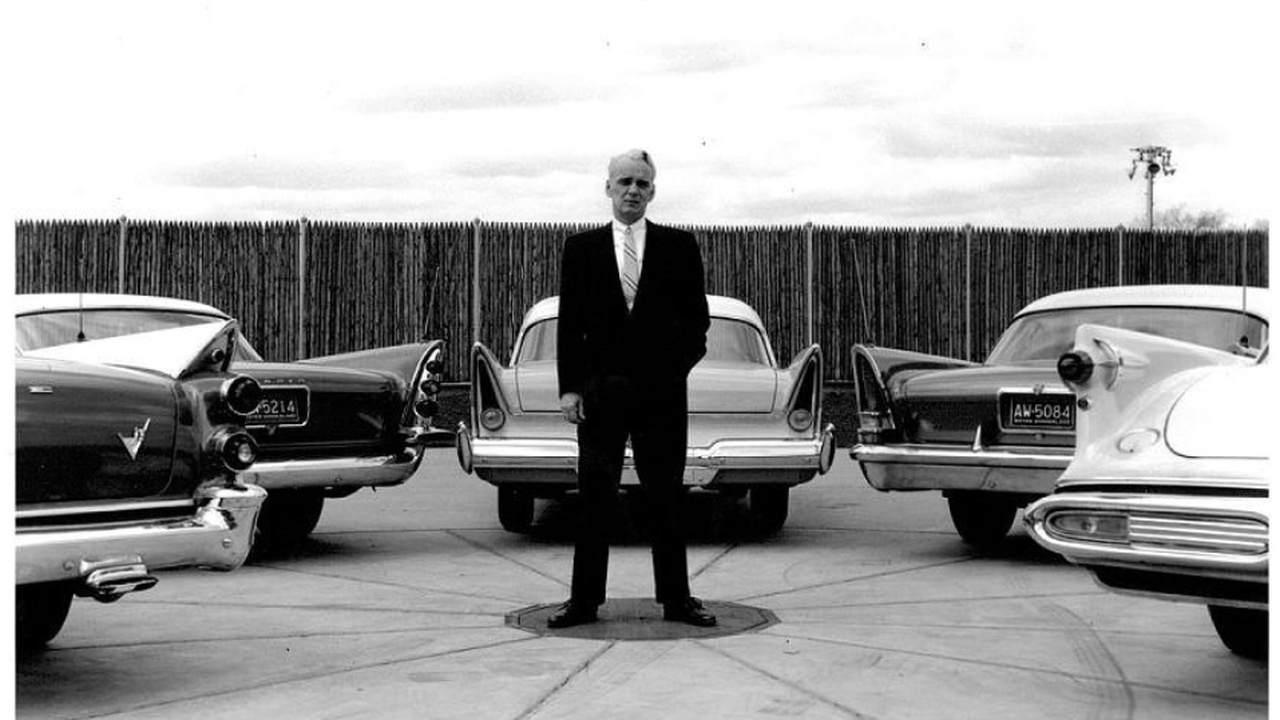
When Virgil Exner took over styling duties, the Imperial underwent a dramatic transformation. His signature “Forward Look” gave the car a sleek, almost European silhouette, trading boxy conservatism for futuristic flair. The 1957 Imperial stood out in particular—with soaring tailfins, freestanding headlights, and deeply sculpted rear fenders, it looked like nothing else on the road.
That year, Imperial outsold Lincoln and edged closer to Cadillac in terms of perceived prestige. Exner’s bold styling didn’t just turn heads—it gave Chrysler’s flagship a distinct visual identity that finally matched its advanced engineering. For once, Imperial wasn’t just keeping up; it was setting the pace.
The Imperial rode on its own chassis
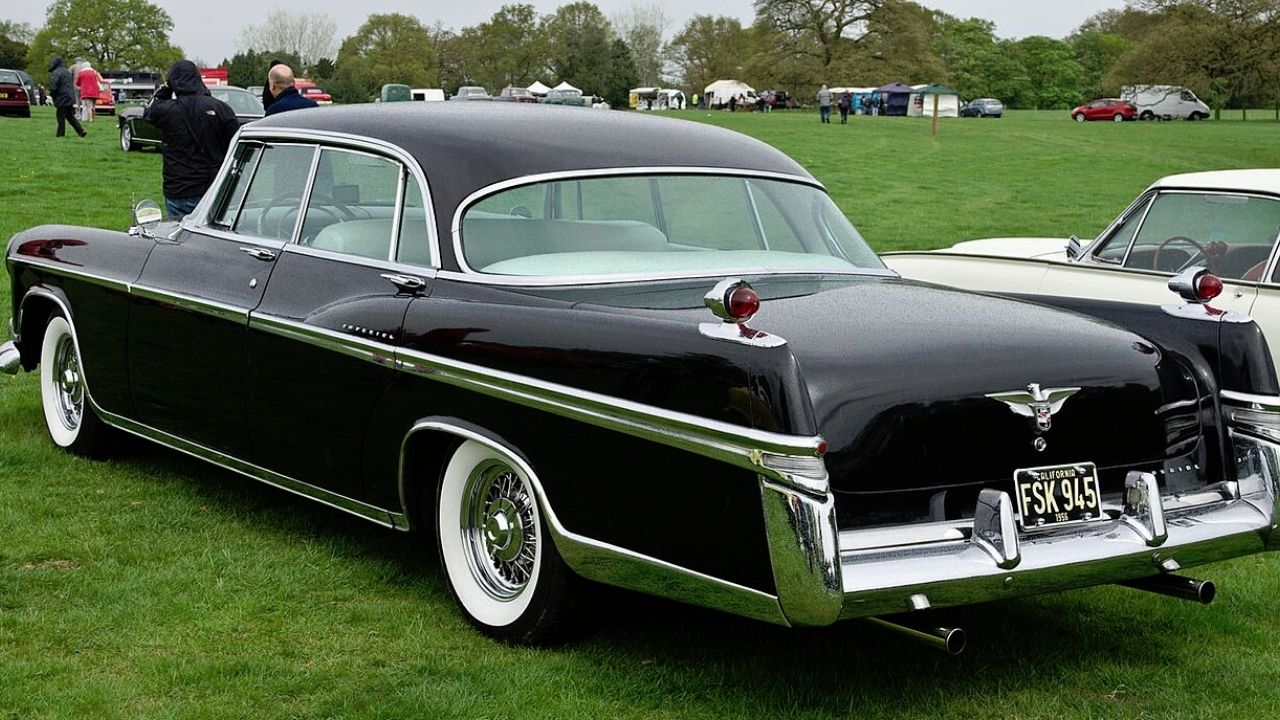
Unlike most competitors that shared platforms with other full-size models, the Imperial used a dedicated chassis from 1957 to 1966. This independence gave Chrysler the freedom to fine-tune ride quality and handling specifically for its flagship, without compromise or parts-bin limitations.
The longer wheelbase and heavier frame gave the Imperial a notably smooth ride and enhanced structural rigidity. It also translated into more interior space, reinforcing its status as a true full-size luxury contender—not just in features, but in physical presence.
It was longer and heavier than a Cadillac
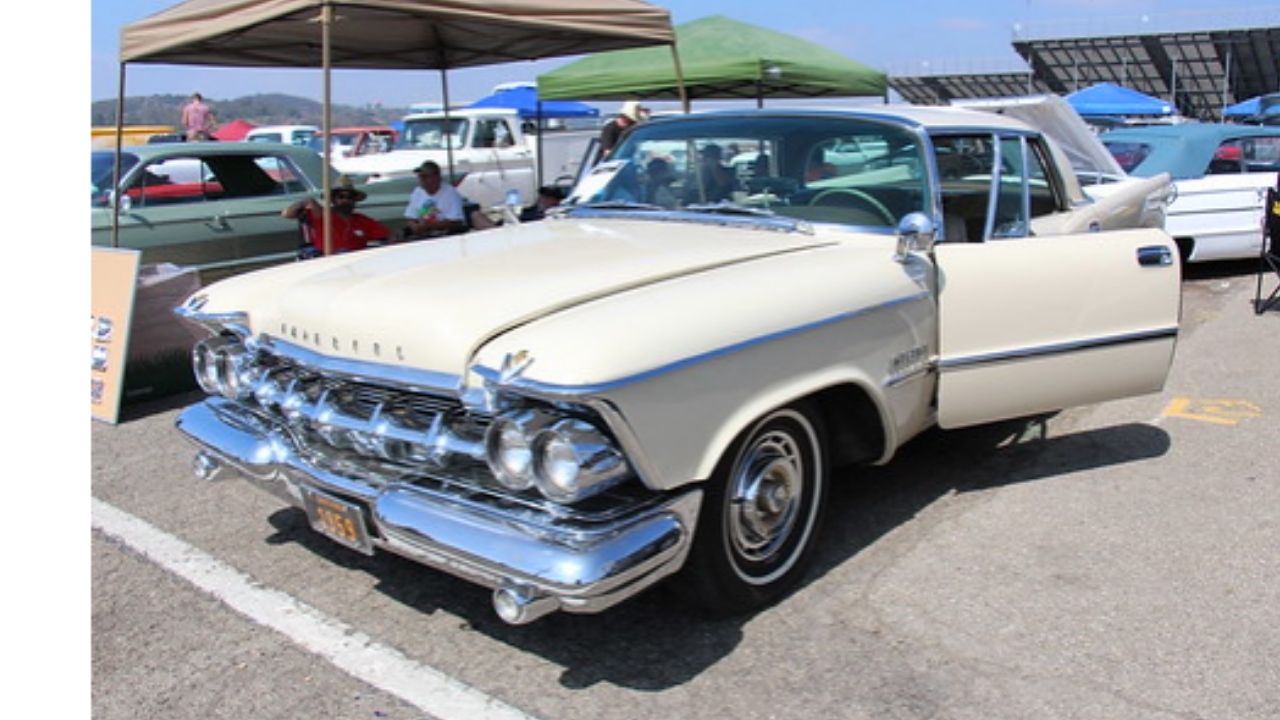
Imperials of the late ’50s and early ’60s were some of the largest cars ever built. The 1959 Imperial LeBaron measured over 227 inches long and tipped the scales at more than 5,000 pounds—out-sizing most Cadillacs of the era in both length and mass.
That bulk translated into serious road presence. You didn’t just park an Imperial—you arrived in it. It was built to compete on scale and substance, not just style.
Chrysler packed it with luxury features
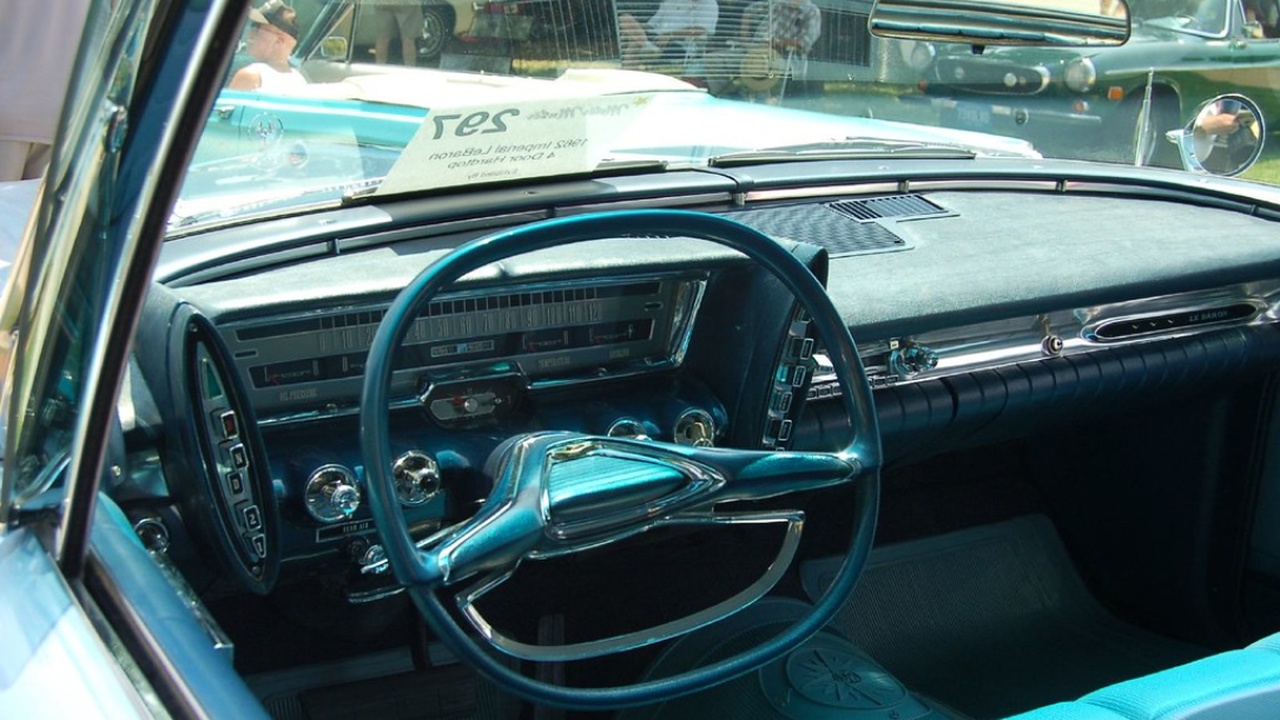
Imperials came loaded with top-tier amenities for the era—auto-dimming headlights, dual air conditioning, power everything, and even early cruise control systems. Interiors featured leather or brocade upholstery, complemented by real wood or chrome trim depending on the model.
These features weren’t typically found on lesser Chryslers—certainly not all together. Chrysler ensured the Imperial justified its premium price with real, tangible comfort and convenience.
The Ghia-built Crown Imperials were true limousines
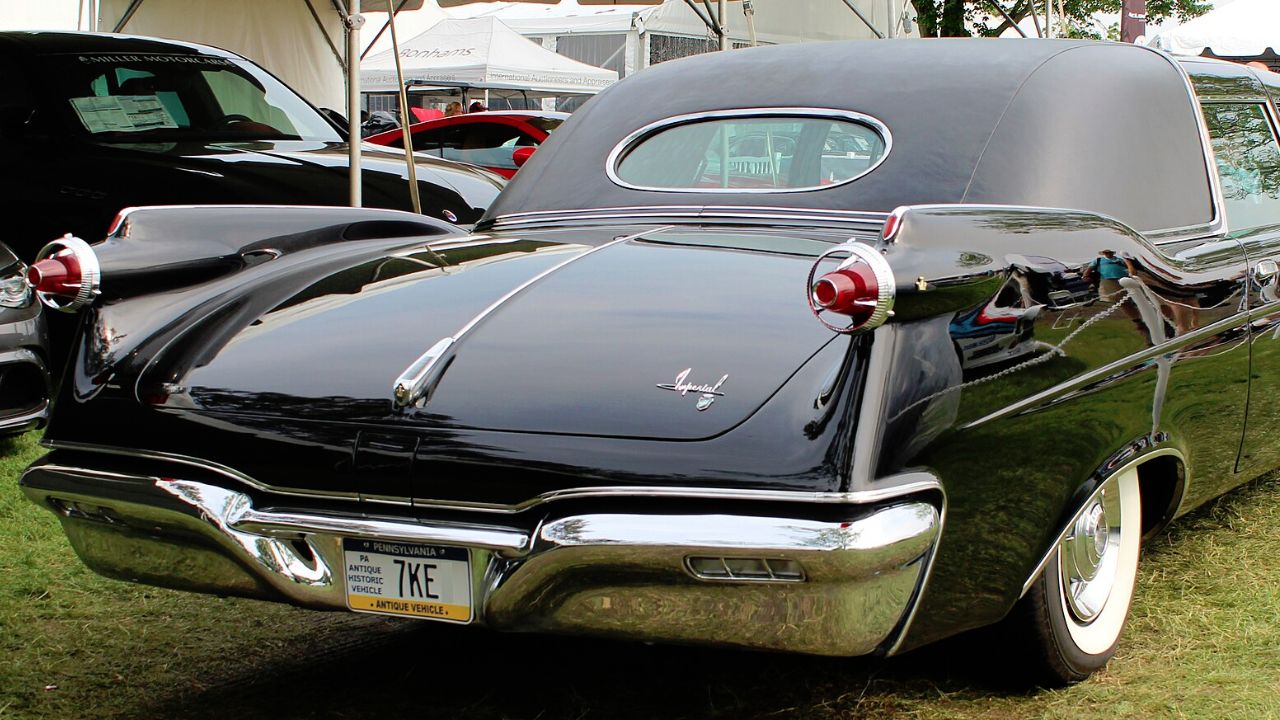
For buyers seeking ultimate exclusivity, Chrysler partnered with Italian coachbuilder Ghia to create the Crown Imperial limousine. Built on extended-wheelbase platforms and hand-finished with meticulous detail, these cars were often reserved for heads of state, dignitaries, and ceremonial occasions.
Only a handful were produced each year—typically fewer than 200 per model run. Priced well above Cadillac’s Fleetwood Seventy-Five, the Ghia-built Crown Imperial was a rare and exclusive offering, even in its own time.
The Imperial couldn’t outlast the market shift
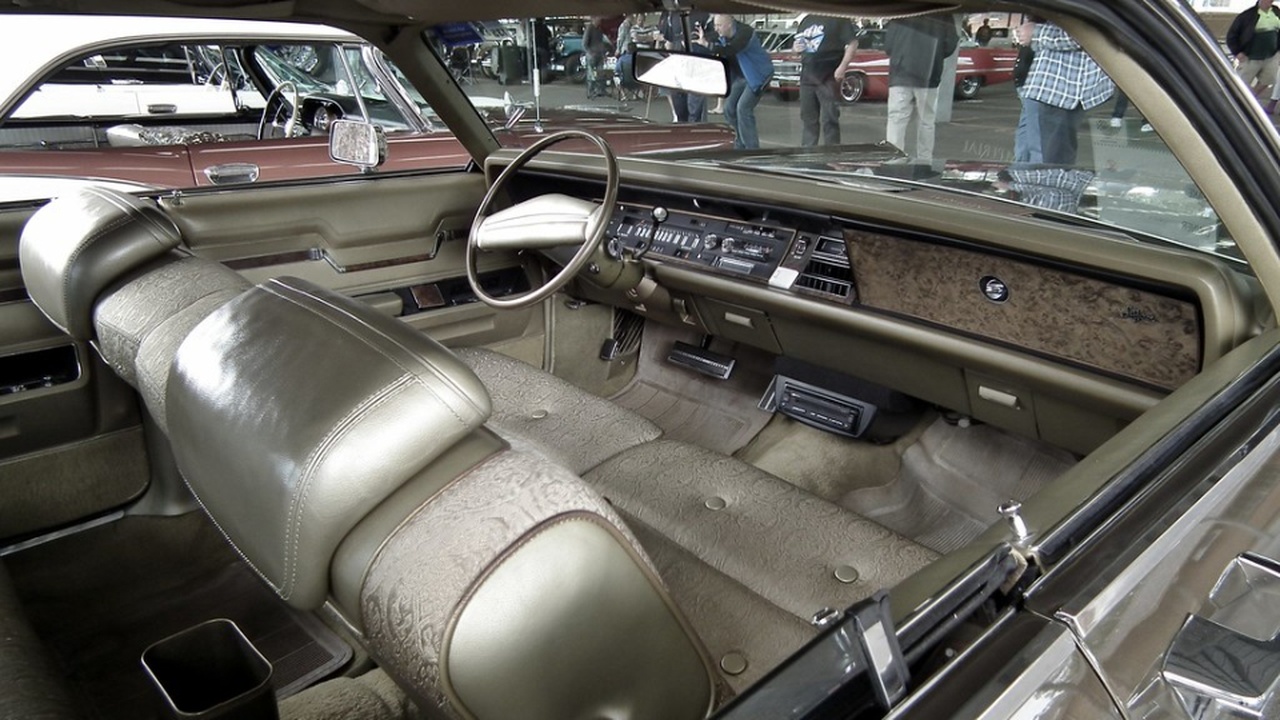
By the mid-1970s, rising fuel prices, stricter emissions regulations, and shifting consumer tastes made large luxury cars increasingly difficult to sell. Chrysler ended the standalone Imperial line in 1975, later reviving the name as a high-end Chrysler trim in the 1980s and early ’90s.
Though Cadillac consistently outsold it, the Imperial stood apart with its engineering excellence, commanding presence, and low production numbers. For a few key years, it wasn’t just competitive—it was a true alternative in the American luxury car market.
Like Fast Lane Only’s content? Be sure to follow us.
Here’s more from us:
*Created with AI assistance and editor review.