Not every car from the 1960s and 1970s was built for straight-line speed. Some coupes had the balance, feedback, and chassis tuning to rival purpose-built sports cars. These weren’t track-only specials but everyday coupes with real handling ability. From smart suspension setups to near-perfect weight distribution, these ten classics showed you didn’t need a European badge to feel connected to the road.
1965 Chevrolet Corvair Corsa

The 1965 Corvair Corsa was a gem GM nailed. Its rear-mounted, air-cooled flat-six, pushing up to 180 hp in turbo form, kept weight low at ~2,400 pounds, making it nimble for a domestic coupe. The updated independent rear suspension gave it sharp cornering.
Quick steering and a low center of gravity made it feel agile, especially with the four-speed manual. It wasn’t about raw power but balance, letting skilled drivers carve corners like a smaller car. The Corsa’s handling still surprises those who underestimate it.
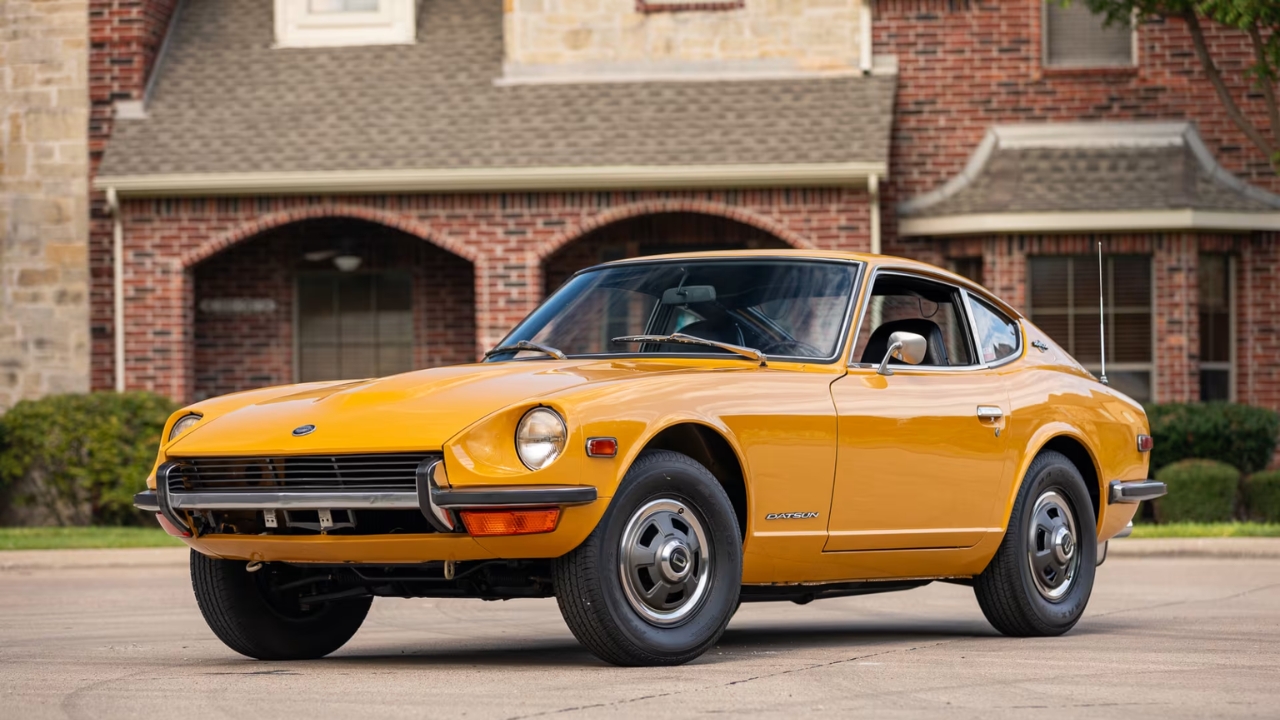
1970 Datsun 240Z

The 1970 Datsun 240Z handled like a champ, not just for a Japanese coupe. With a near 50/50 weight split and ~2,350-pound curb weight, it felt planted and predictable. The 2.4-liter inline-six (151 hp) revved smoothly, hitting 0–60 mph in ~8 seconds.
Strut suspension all around and a low driver’s seat gave it a sports car feel. Sharp turn-in and solid mid-corner grip matched European rivals like the Porsche 914. The Z’s balance didn’t need fancy tricks to shine.
1967 Alfa Romeo GT 1300 Junior

Alfa’s GT 1300 Junior didn’t need big power to impress. Its 1.3-liter twin-cam four (89 hp) was enough for the ~2,050-pound coupe. The real magic was in the handling, thanks to double wishbone front suspension and a tuned live rear axle.
Precise steering and a crisp five-speed manual made every turn feel alive. The snug driving position kept you dialed in. Light and responsive, it danced through corners, easily keeping up with pricier cars in its class.
1966 BMW 2000 CS

The 1966 BMW 2000 CS blended luxury with real cornering ability. Its 2.0-liter inline-four (120 hp) moved the ~2,600-pound coupe steadily, hitting 0–60 mph in ~11 seconds. Independent suspension and rack-and-pinion steering offered sharp, predictable handling.
The clean interior, with clear gauges and a thin steering wheel, let you feel the front tires’ every move. It hinted at the driving focus BMW later perfected. The 2000 CS was a coupe that punched above its weight in corners.
1972 Saab 99 EMS

Saab’s 99 EMS, launched in 1972, was born for rally roads, not just cruising. Its front-wheel-drive 2.0-liter engine (110 hp) powered a ~2,600-pound body, with quick rack-and-pinion steering that felt precise. The stiff chassis held up in fast turns.
The rally-tuned suspension gave it grip and composure on twisty roads. It wasn’t loud or showy, but the EMS could hustle through corners with surprising ease, making it a sleeper that could embarrass flashier cars.
1968 Lotus Elan +2

The 1968 Lotus Elan +2 carried the original Elan’s handling magic with room for extra passengers. Its fiberglass body and steel backbone chassis kept weight under 2,200 pounds. The 1.6-liter twin-cam Ford engine (118 hp) paired with a five-speed manual.
The steering was light and razor-sharp, with a chassis that cornered flat and switched directions instantly. Few cars matched its feedback. The +2’s agility made it a benchmark for what a coupe could do in tight turns.
1973 Porsche 911S

The 1973 Porsche 911S had tamed the early 911’s twitchy reputation. Its 2.4-liter flat-six (190 hp) and five-speed manual hit 0–60 mph in ~6.8 seconds. The rear-engine layout, once mastered, delivered precise cornering with firm suspension and quick steering.
It carved canyons or tracks with confidence, offering feedback few coupes could match. The 911S’s balance and grip made it feel alive at the limit, proving why Porsche’s engineering stood out in the era.
1965 Sunbeam Tiger

The 1965 Sunbeam Tiger, Carroll Shelby’s British experiment, crammed a Ford 260 V8 (164 hp) into a Sunbeam Alpine. At ~2,550 pounds with an 86-inch wheelbase, it was twitchy but fun. The four-speed manual and rack-and-pinion steering added control.
With tuned suspension and good tires, it handled better than expected for a V8-powered Brit. The Tiger could keep up with pricier cars in corners, rewarding drivers who tamed its lively rear-wheel-drive setup.
1970 Opel GT

The 1970 Opel GT, with its baby Corvette looks, handled like a proper German coupe. Its 1.9-liter four (90 hp in U.S. spec) moved a ~2,100-pound body. Double wishbone front suspension and a live rear axle kept it composed in fast turns.
Steering was decent, not razor-sharp, but the balanced chassis made it easy to place. The GT’s sports car proportions and poise delivered fun without a big price tag, punching above its modest power.
1969 Toyota 2000GT
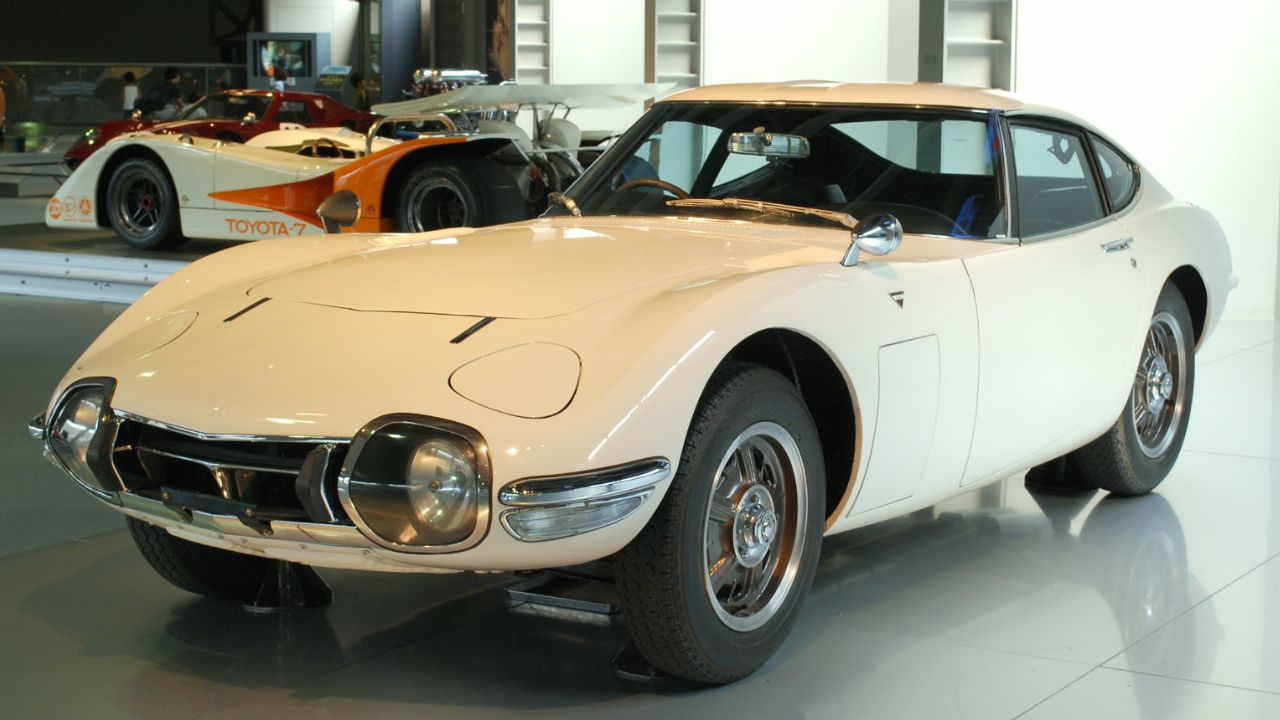
The 1969 Toyota 2000GT was a stunner with real handling chops. Its 2.0-liter DOHC inline-six (150 hp), five-speed manual, and ~2,420-pound weight sat low for grip. Independent suspension and a limited-slip differential kept it glued to corners.
The light, precise steering and composed chassis rivaled Jaguar E-Types, per period tests. The GT-like driving position felt race-ready. Toyota built just ~351, but its cornering ability proved Japan could match Europe’s best.
Like Fast Lane Only’s content? Be sure to follow us.
Here’s more from us:
*Created with AI assistance and editor review.