The Ferrari 308 arrived in the mid‑1970s as a compact mid‑engined sports car, yet it has outlived its era to become shorthand for a purer, more tactile kind of driving. Long after its television fame faded, the car’s blend of mechanical feel, compact proportions, and unfiltered responses turned it into a benchmark for what enthusiasts now call an analog dream machine.
What makes the 308 special is not just nostalgia, but the way its design, engineering, and evolution captured a turning point for Ferrari and for sports cars in general. It sits at the crossroads between old‑world craftsmanship and the first stirrings of modern technology, which is why I see it as one of the clearest windows into how analog performance still shapes our expectations of driver’s cars today.
The turning point in Ferrari’s evolution
By the time the Ferrari 308 GTB appeared, the company was redefining what a road car from Maranello should be. The model was more than a pretty two‑seater, it marked a shift toward a more usable, series‑production mid‑engined layout that still carried the drama of a thoroughbred sports car. Factory retrospectives describe how the 308 GTB was More than just a beautifully balanced and designed sports car, and that positioning is crucial to understanding why it resonates with drivers who crave a direct, mechanical connection.
The 308 also arrived at a moment when Ferrari was beginning to think about a broader customer base without diluting its identity. The GTB berlinetta and later GTS targa variants gave buyers a choice between a fixed roof and open‑air driving, but both shared the same compact mid‑engine layout and crisp proportions that would influence later models all the way to the modern 296 GTB. That continuity shows how the 308 became a template for the brand’s road‑car philosophy, bridging the gap between raw 1970s exotics and the more refined, electronically assisted Ferraris that followed.
Pininfarina lines and the rise of an icon
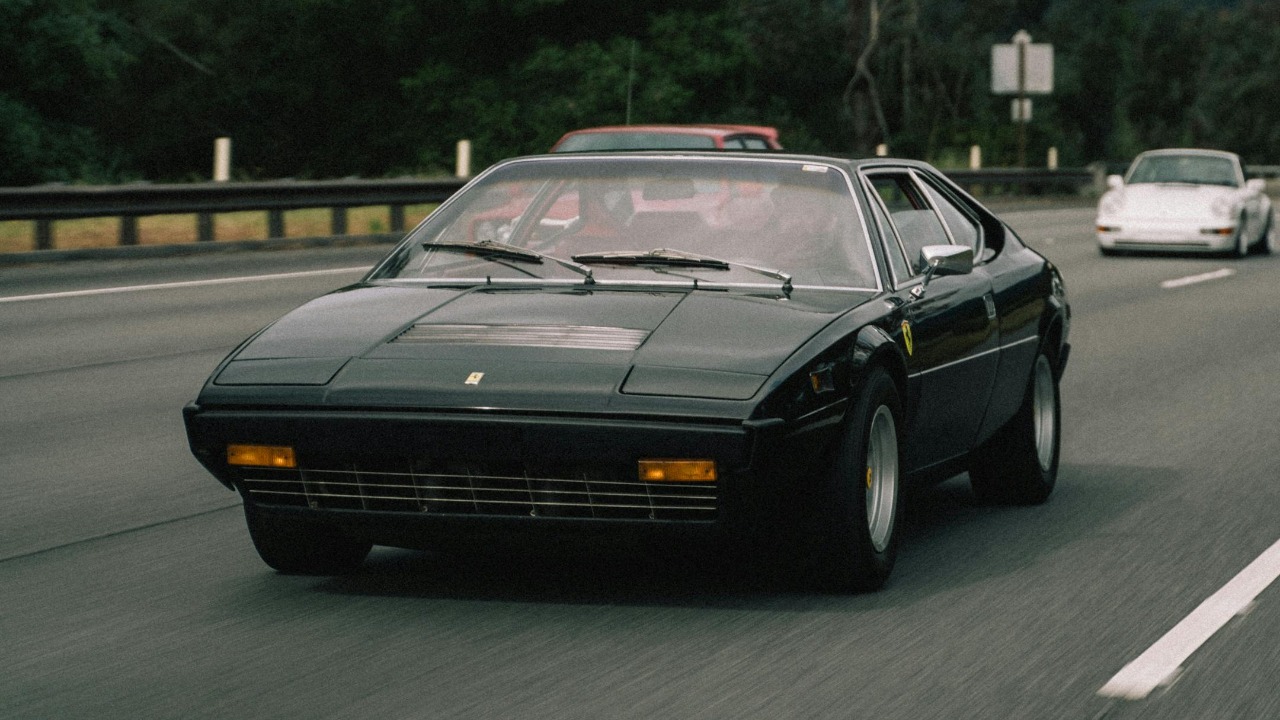
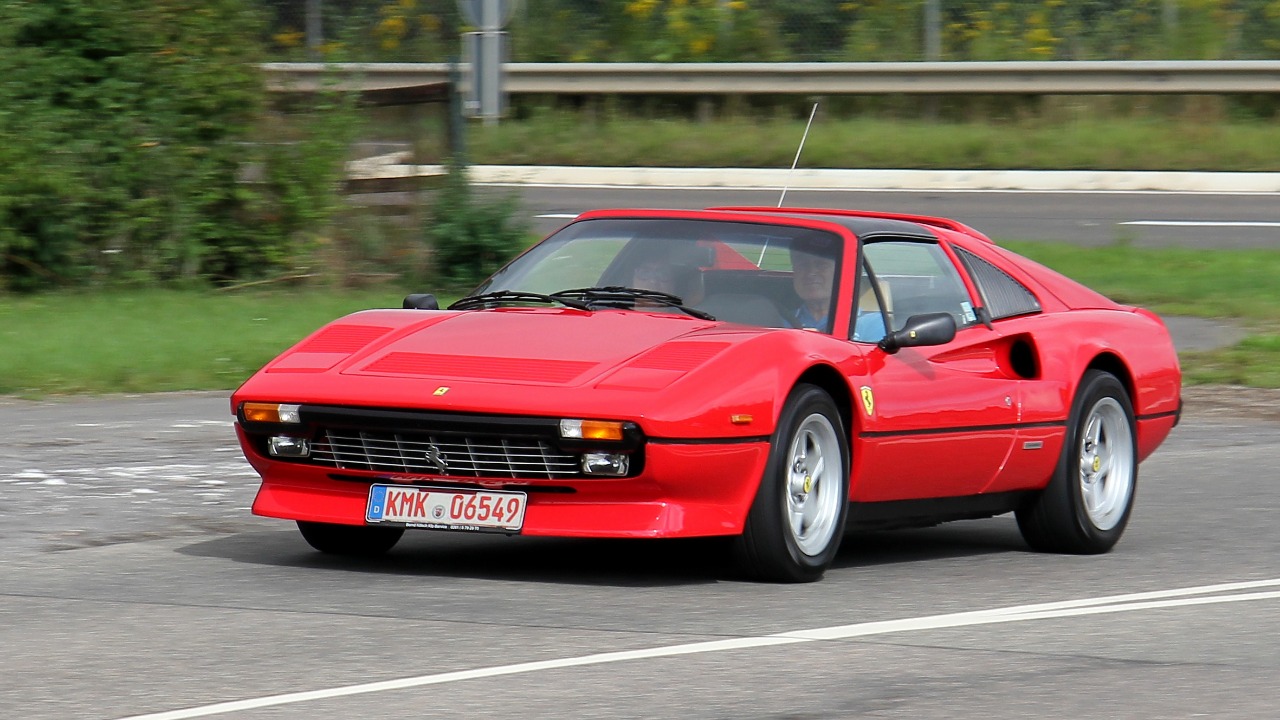
Visually, the 308 is one of those cars that even casual observers recognize instantly, and that is no accident. The body was Designed by Pininfarina, and the Ferrari 308 GTB silhouette drew on its mid‑engined predecessors while tightening the lines into a more compact, athletic shape. The wedge profile, the subtle curves over the wheel arches, and the flying‑buttress rear pillars created a form that looked fast even at rest, yet avoided the excesses that dated some of its contemporaries.
That restraint is part of why the 308 has aged so gracefully. Modern commentators still describe the car as More than 12,000 examples strong in total production, yet each one carries the same instantly recognizable stance. That figure, 12,000, is significant for a Ferrari of its era, and it helped cement the 308 as the mental image many people still have when they hear the word Ferrari. The fact that such a relatively high‑volume model could still feel special speaks to how successfully Pininfarina balanced everyday usability with the drama expected of a mid‑engined Italian sports car.
Mechanical feel in an increasingly digital world
Underneath those lines, the 308’s appeal rests on how it delivers its performance. Early cars relied on carburetors, with later updates adding Fuel injection in 1980 and the Quattrovalvole (four‑valve) engine in 1982. That progression nudged the car toward cleaner running and more consistent power, but the fundamentals remained resolutely analog: a naturally aspirated V‑8 behind the driver, a gated manual gearbox, and unassisted steering that transmitted every nuance of the road surface. The Quattrovalvole upgrade sharpened the engine’s breathing without muting its character, preserving the sense that the driver’s right foot and the crankshaft were in direct conversation.
Contemporary and modern road tests underline how that mechanical layout translates into feel. Evaluations of the 1983 Ferrari 308 GTS describe how the 308’s styling was clearly influenced by its mid‑engined predecessors, but they also emphasize the way the chassis, steering, and gearbox work together as a cohesive whole. In one detailed ROAD TEST, the 308 GTS is treated not just as a design object but as a car that rewards precise inputs and punishes sloppiness, which is exactly what analog‑minded drivers seek. The MODEL history in that same assessment traces how incremental changes never obscured the core experience of a compact, mid‑engined Ferrari that communicates constantly with its driver.
From TV star to serious Collector Item
Cultural exposure helped the 308 become a household name, but its lasting status rests on more than screen time. The berlinetta and its targa sibling, the 308 GTS, evolved steadily between 1975 and 1985, and that decade of refinement turned what might have been a period curiosity into a foundational modern classic. Detailed histories of How The Ferrari 308 Became A Collector Item point out how the Ferrari 308 GTB berlinetta and its targa 308 GTS version charted Ferrari’s response to emissions rules, customer expectations, and global demand without losing their essential character.
As values have risen, buyers have become more discerning about originality, maintenance, and provenance, especially given the production run of More than 12,000 cars. Guides for prospective owners stress the importance of service records and correct specification, but they also highlight why the 308 remains approachable compared with rarer, more temperamental exotics. The combination of recognizable design, usable performance, and a clear historical narrative has turned the 308 into a gateway Ferrari for many enthusiasts, a car that feels attainable yet still delivers the full analog experience that collectors now chase.
Why the 308 still feels like THE analog Ferrari
Drive a well‑sorted 308 today and the appeal becomes obvious within a few blocks. The thin‑rimmed steering wheel, the open metal gate of the shifter, and the way the V‑8 builds power all demand deliberate, coordinated inputs. Modern video reviews of a 1978 Ferrari 308 GTS capture this sensation, with presenters describing the car as THE iconic Ferrari in a format that feels like a single unbroken drive, a kind of rolling One Take that mirrors the uninterrupted mechanical dialogue between driver and machine. References to the 308 G and the 308 in that context underscore how the model has become shorthand for the brand itself.
Factory retrospectives reinforce this perception by framing the 308 GTB as a key step in Ferrari’s lineage, noting how the 308 G platform helped define the proportions and layout that still inform the company’s mid‑engined cars today. Official histories describe how the Oct anniversary of the 308 G TB is not just a nostalgic milestone but a reminder that Ferrari, Not content with resting on its laurels, used this car to pivot toward a new era of performance that still valued driver involvement above all. When I look at the 308 through that lens, it is clear why so many enthusiasts consider it the definitive analog dream machine: it captures a moment when Ferrari, GTB and GTS alike, balanced beauty, usability, and raw mechanical feel in a way that modern technology can enhance but never quite replicate.