Fans of lightweight sports cars enter 2026 watching a rivalry transform rather than fade. Toyota GR86 loyalists and Mazda Miata purists still argue about the better driver’s car, yet both brands now reshape that contest through shared engineering and fresh special editions.
Enthusiasts once framed the matchup as a simple choice between power and purity, coupe and roadster. The next model cycle instead turns the GR86 and Miata into twin test beds for how affordable performance can survive tightening regulations and shifting corporate alliances.
The classic GR86 versus Miata formula reaches a turning point
Rival fans historically defined the GR86 as the practical hardtop and the Miata as the elemental open car. Drivers who wanted a fixed roof, rear seats, and a slightly more planted feel gravitated toward Toyota, while purists chasing wind-in-hair minimalism favored Mazda’s roadster layout. That clear divide now blurs as both companies chase similar goals around weight, balance, and attainable pricing.
Engineers for each brand still prioritize analog feedback and compact dimensions over brute force. Toyota keeps the GR86 focused on a low center of gravity and predictable handling, while Mazda continues refining steering feel and chassis communication in the Miata. The rivalry therefore shifts from body style arguments toward nuanced debates about throttle response, suspension tuning, and how much technology drivers actually want between themselves and the road.
Powertrain and chassis: where the spec sheet rivalry still matters
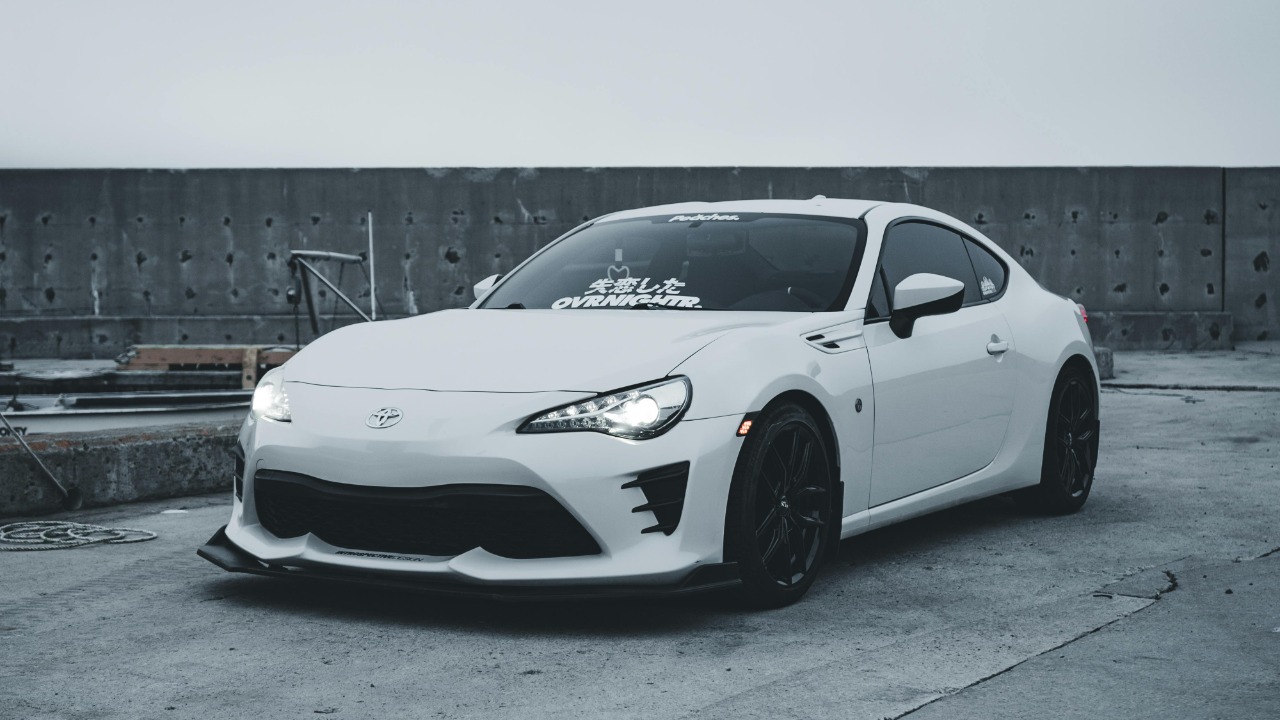
Performance minded shoppers still start with the numbers, because output and torque shape every on ramp merge and backroad sprint. Toyota equips the 2026 GR86 with a 2.4 liter naturally aspirated boxer engine that delivers 228 horsepower and 184 lb ft of torque, figures that give the coupe a clear straight line advantage over the Miata. Drivers who value midrange punch and highway passing confidence therefore still see Toyota as the more muscular choice, especially when pairing that engine with a manual gearbox.
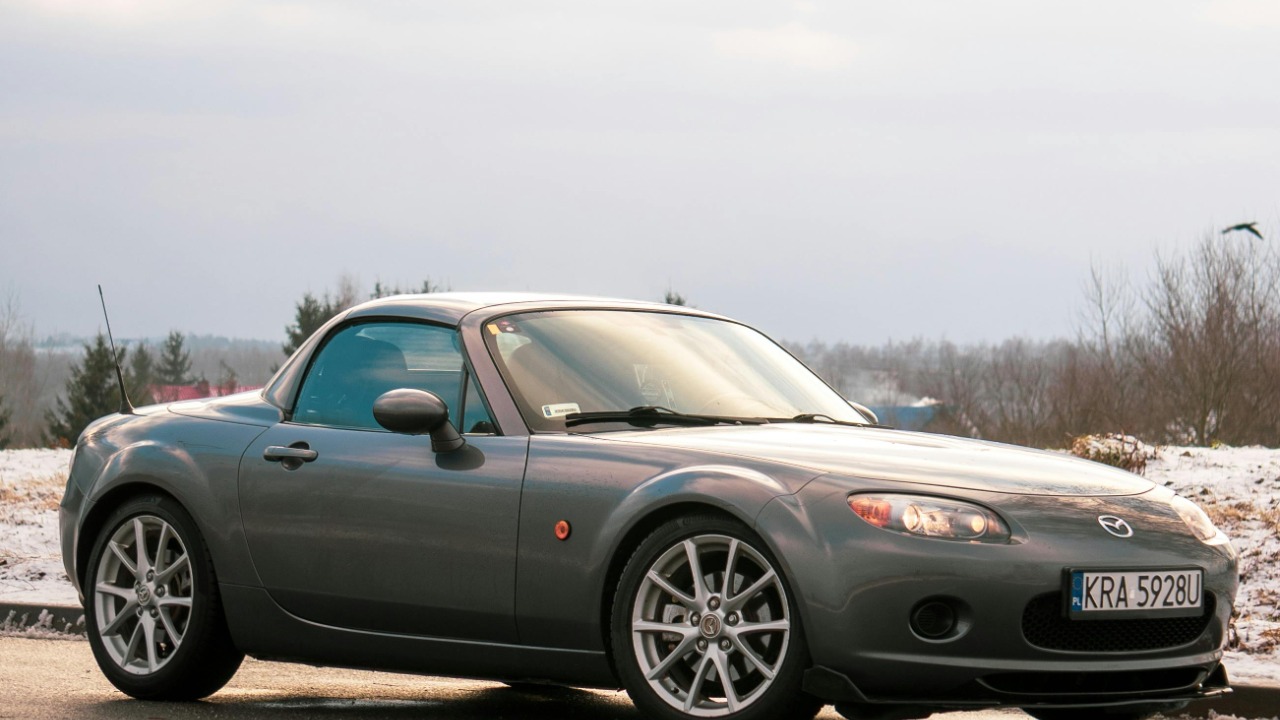
Chassis tuning keeps the contest closer than the dyno numbers suggest, because Mazda leans on lightness rather than raw output. Analysts describing the Mazda MX 5 Miata for 2026 highlight that The Miata receives a rework while Mazda reaffirms the lightweight heritage of the Miata. Cornering grip, steering precision, and the ability to exploit every horsepower on a tight road keep Mazda competitive, even when Toyota’s spec sheet looks stronger in isolation.
Special editions and trim strategies sharpen each car’s identity
Manufacturers increasingly use special editions to keep familiar platforms feeling fresh, and Toyota leans into that strategy aggressively. Product planners introduce the GR86 Yuzu Edition for the 2026 model year, positioning it as a vivid city friendly variant that still carries the same Toyota Brightens the City Streets performance hardware. Marketing materials describe the New GR86 Yuzu Edition as a way to inject color and exclusivity into the lineup, while the Company Announces messaging emphasizes that the Yuzu Edition for 2026 keeps the same core mechanical package.
Mazda counters with careful trim updates that protect the Miata’s minimalist character rather than chasing flashy cosmetics. Commentators describing the 2026 Miata rework note that Mazda focuses on refining the cabin, updating technology, and preserving the car’s compact footprint. That approach keeps the roadster feeling timeless, which appeals to buyers who see the Miata as a long term companion rather than a short lived fashion statement.
Collaboration reshapes competition: Toyota and Mazda share a future
Corporate strategy now changes the rivalry more than any single horsepower bump, because Toyota and Mazda increasingly work together. Reports explain that Toyota and Mazda are reportedly collaborating on new GR86 and Miata sports cars, potentially sharing a platform while keeping distinct personalities. Analysts suggest that such cooperation could produce some of the most finely tuned versions of each respective Japanese sports car yet, because shared costs free engineers to chase more ambitious chassis and powertrain solutions.
Industry observers also outline What to expect from a Toyota and Mazda sports car collaboration, noting that the two companies remain fierce competitors in their segment despite shared development. Commentators referencing Toyota Turns To Mazda explain that a report from Best Car indicates Toyota and Mazda will work together on a next generation sports car, while a possible Subaru could want out of the previous partnership.
Subaru steps back while Mazda steps in
Previous generations of Toyota’s compact coupe relied heavily on Subaru, which co developed the platform and supplied the boxer engine. Analysts now describe a shift, because reports about a new Toyota GR86 arriving by 2026 suggest that Subaru will not provide a sibling this time, even though Subaru cannot cook up something for itself separately. That change opens space for Mazda to become Toyota’s primary partner on lightweight sports car engineering, which reshapes the competitive landscape.
Enthusiasts tracking Japanese performance cars therefore watch Mazda’s role expand from rival to collaborator. Commentators discussing how According to Best Car, the platform to be used is a revised version of the current ND spec MX 5, in particular its lightweight architecture, and that both brands could target around 200 hp as well. That scenario would let Toyota benefit from Mazda’s expertise in compact rear drive packaging while Mazda gains access to Toyota’s scale and resources.
Affordability and enthusiast culture keep the rivalry relevant
Market forces threaten small sports cars, because crossovers and electrification dominate corporate investment. Commentators stressing that Affordable sports cars are rare these days argue that the idea of Mazda craftsmanship paired with Toyota scale looks especially tempting. Analysts note that such a partnership could deliver accessible pricing, reliable components, and a renewed love for lightweight fun, which keeps both GR86 and Miata relevant for younger enthusiasts.
Fans also care about how collaboration affects culture, not just showroom stickers. Commentators observing that Yet the Mazda and Toyota partnership could spark new track day communities and tuning ecosystems, because shared platforms often attract broader aftermarket support. Enthusiasts therefore see the evolving rivalry not as a zero sum fight, but as a chance for both cars to thrive together in a shrinking performance segment.
How 2026 reshapes buyer decisions between GR86 and Miata
Shoppers comparing the 2026 GR86 and Miata now weigh more than simple spec sheets or roof preferences. Toyota offers a coupe with stronger factory power, eye catching variants like the Yuzu Edition, and a likely future shaped by joint development with Mazda. Mazda counters with a reworked Miata that doubles down on lightness, steering feel, and the emotional appeal of a classic roadster silhouette.
Prospective owners therefore choose between two interpretations of the same philosophy, rather than fundamentally different sports car categories. Drivers who prioritize torque, fixed roof practicality, and Toyota’s emerging collaboration strategy lean toward the GR86, while those who value open air simplicity and Mazda’s heritage of lightweight purity still gravitate to the Miata. The rivalry evolves, but the core promise remains familiar, delivering attainable rear drive fun at a moment when such cars grow increasingly rare.