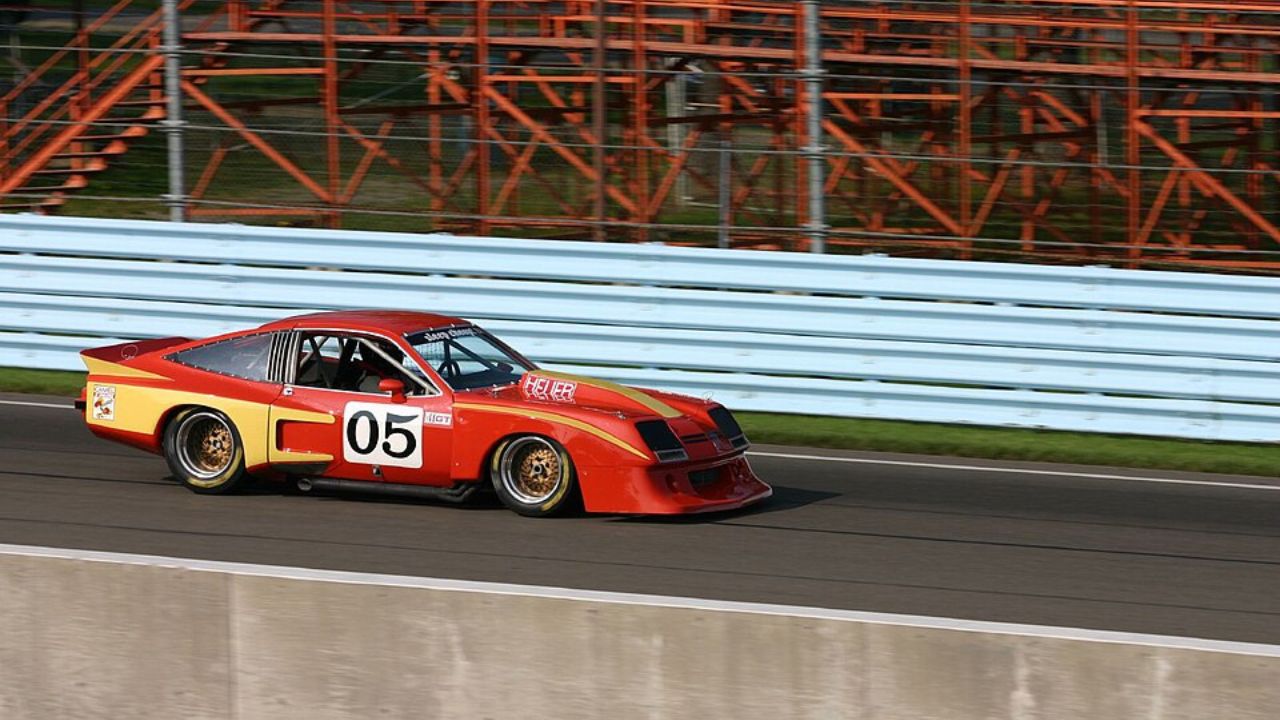
When the Chevrolet Monza debuted for the 1975 model year, it was originally intended to showcase one of the most unconventional engines ever considered by a major American automaker. General Motors planned for the compact coupe to launch with a rotary, or Wankel, engine that promised smooth performance, compact dimensions, and a glimpse into the future. Although those plans never reached production, the project nearly altered GM’s engineering direction in dramatic ways.
GM Invested Heavily in Rotary Engine Technology
During the late 1960s and early 1970s, General Motors became increasingly interested in the Wankel rotary engine. Unlike conventional piston engines, the rotary used triangular rotors spinning inside specially shaped housings to generate power. The design contained fewer moving parts, operated with remarkable smoothness, and delivered impressive power for its size.
GM believed the compact engine could transform future automobiles by reducing weight and freeing engineers to design smaller, more efficient vehicles. Chevrolet selected the upcoming Monza as the ideal platform because its compact dimensions matched the rotary engine’s packaging advantages.
The company invested significant resources in adapting the new engine for American driving conditions. Engineers worked to improve durability, emissions performance, and overall reliability while preparing the Monza for what was expected to be a groundbreaking launch.
At the time, many inside GM believed the rotary represented the next major evolution of the automobile.
Rising Challenges Changed Everything
As development continued, several obstacles became increasingly difficult to overcome. One of the biggest concerns involved fuel economy. The rotary engine generally consumed more fuel than comparable piston engines, an issue that became especially serious following the 1973 oil crisis when buyers began prioritizing efficiency.
Meeting increasingly strict emissions regulations also proved challenging. Engineers struggled to reduce exhaust emissions while preserving the smooth performance that made the rotary attractive in the first place. Solving one problem often created another, extending development and increasing costs.
Durability presented another concern. Wear affecting the rotor tip seals, commonly called apex seals, remained an important engineering challenge during the era. Although progress was made, achieving the long-term reliability expected by American customers required additional time and investment.
These growing difficulties gradually reduced confidence that the rotary could be successfully introduced on schedule.
The Monza Was Forced to Change Direction
As the rotary program encountered mounting obstacles, Chevrolet could no longer wait indefinitely for the engine to be production-ready. Instead, the company redesigned the Monza to accommodate conventional piston engines, including Chevrolet’s proven inline-four and V8 options.
This decision required significant engineering revisions because the original vehicle had been optimized around the compact dimensions of the rotary engine. Even with the changes, the Monza remained a successful compact coupe, particularly after the introduction of high-performance V8-powered versions.
The cancellation also reshaped GM’s long-term engine strategy. Rather than pursuing large-scale rotary production, the company redirected resources toward improving conventional engines, electronic controls, and emissions technology that could be implemented across its expanding vehicle lineup.
What began as a revolutionary engine program ultimately became a lesson in adapting to changing market conditions.
An Ambitious Experiment That Left a Lasting Mark
Although the Wankel-powered Chevrolet Monza never reached dealerships, the project demonstrated General Motors’ willingness to explore bold engineering ideas during a period of rapid change in the automotive industry. Engineers gained valuable experience in lightweight engine design, combustion research, and emissions development that influenced later projects.
The cancellation also highlighted how quickly external events could reshape automotive priorities. Rising fuel prices, tightening environmental regulations, and increasing consumer expectations forced manufacturers to reconsider technologies that had once appeared highly promising.
Today, the Monza’s unrealized rotary engine remains one of the most intriguing “what if” stories in GM history. Collectors and historians often wonder how differently the company’s future might have unfolded had the technology matured just a few years earlier.
Looking back, the Wankel-powered 1975 Chevrolet Monza nearly changed GM forever because it represented a genuine attempt to move beyond the traditional piston engine. While practical realities ultimately prevented that vision from becoming reality, the project remains a fascinating reminder that some of the automotive industry’s biggest innovations arrive before the world is ready for them.
More from Fast Lane Only
- Unboxing the WWII Jeep in a Crate
- 15 rare Chevys collectors are quietly buying
- 10 underrated V8s still worth hunting down
- Police notice this before you even roll window down
*Research for this article included AI assistance, with all final content reviewed by human editors