Tyres are the only part of a modern single seater that actually touches the racetrack, which means every lap is essentially a very fast chemistry experiment with a scoreboard. The rubber compound under the car decides how hard the driver can attack, how many pit stops the team must plan, and whether a bold strategy looks genius or like someone misread the weather app. When people say races are “won on strategy,” what they usually mean is that someone understood tyre compounds better than the poor soul sliding around on the wrong set.
Across Formula 1, IndyCar and even electric series, teams obsess over how soft or hard their compounds are, how quickly they heat up, and how brutally they fall apart. I see every race weekend as a rolling case study in how those choices shape pace, pit windows and even the drama on the final lap, with tyre degradation turning calm engineers into frantic chess players who have about three seconds to decide whether to pit or pray.
Why compound choice is the secret script of a race weekend
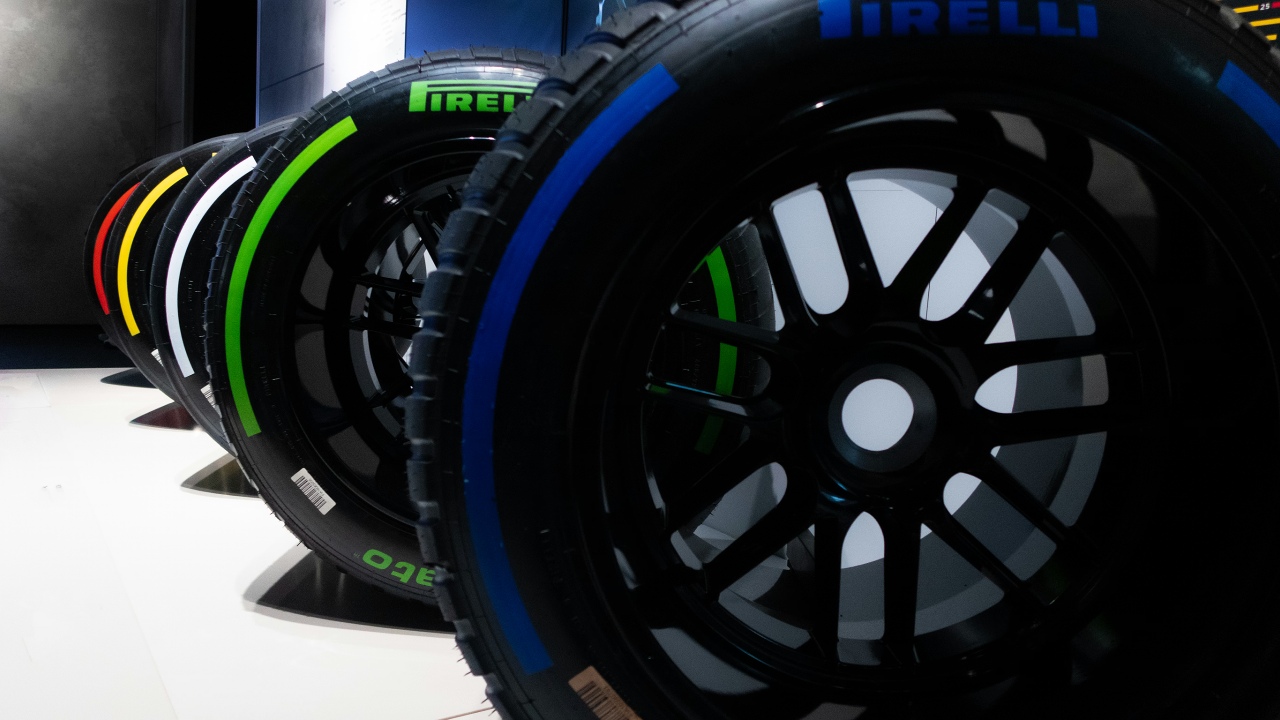
On paper, tyre compounds sound simple: softer rubber gives more grip and faster lap times, harder rubber lasts longer. In reality, that trade off is the secret script that dictates how a race unfolds, from qualifying fireworks to late race survival drives. In Formula 1, slick Tyres are graded from the softest to the hardest, and only three of those compounds are nominated for each event, which quietly locks teams into a narrow band of possible strategies before a wheel even turns in anger. The highest numbered slick tyre is the softest, the lowest numbered is the hardest, so the compound codes that look like alphabet soup on TV are really a shorthand for how aggressive or conservative the weekend can be.
Because those Tyres are the only contact patch between car and track, the compound choice effectively sets the ceiling on performance and the floor on risk. Softer compounds heat up quickly and deliver peak grip, which is why they dominate qualifying, but they also chew themselves to pieces if a driver leans on them too hard or the asphalt is especially abrasive, as explained in detailed guides to F1 tyres. Harder compounds are the opposite: slower to warm up, trickier in the opening laps, but capable of surviving long stints that let strategists cut a pit stop and leapfrog rivals. Every weekend, teams are really arguing over where to sit on that spectrum, and the compounds Pirelli brings decide how wild those arguments can get.
How F1 compounds turn strategy into controlled chaos
In Formula 1, tyre compounds are not just a technical detail, they are a rule enforced storyline. Drivers must use at least two different dry compounds in a race if conditions stay dry, which means nobody can simply bolt on the hardest Tyres and run to the flag like a long haul trucker. That requirement forces at least one pit stop and usually more, and it turns compound selection into a multi act play where teams juggle soft, medium and hard options to cover off rivals while still hitting their own performance targets. Explanations of F1 tire compounds underline how this rule alone guarantees strategic variety, because even the most conservative outfit has to flirt with a faster, more fragile compound at some point.
Modern Tyre Choices are also tightly controlled, which keeps everyone honest and slightly stressed. Earlier eras of Formula 1 tolerated general use treaded road tyres, but current regulations rely on multiple slick compounds that are carefully tuned for different conditions, from qualifying sprints to full race distance. Teams receive a fixed allocation of each compound, and they must decide how many sets to burn in practice to understand degradation and how many to hoard for qualifying and the race, a balance that is spelled out in current tyre overviews. The result is a kind of controlled chaos: compounds are deliberately tricky to manage so that teams are forced into big gambles, as technical explainers on F1 tires make clear, and that unpredictability is exactly what turns a straightforward race into a late lap thriller.
Why some tracks love soft rubber and others eat it alive
Not all circuits treat compounds equally, which is why the same tyre that looks heroic in Monaco can look like a bad joke in Silverstone. Track surface, corner speeds and ambient temperature all decide how quickly a compound overheats or grains, and Pirelli has to predict that behavior months in advance when it chooses which three slick options to bring. Some venues are so abrasive or fast that the softest compounds would overheat and abrade before completing a single lap at race pace, a risk that fans have dissected in discussions of how Pirelli choose compounds. Other tracks are smoother and slower, which lets organisers roll the dice on softer rubber that spices up strategy without instantly self destructing.
From my perspective, this is where compound choice stops being a lab exercise and becomes a personality test for each circuit. High energy tracks with long, loaded corners punish soft compounds, so teams lean on harder Tyres and longer stints, while stop start layouts with short bursts of acceleration can reward aggressive use of softer options. Engineers model this with frightening precision, but they still arrive on Friday with open questions about how quickly each compound will degrade, which is why practice runs are filled with long fuel simulations and grumpy radio messages about sliding fronts. The way compounds interact with a specific surface is so central to performance that even in gaming communities, players talk about how Tires are one of the more complex mechanics, mirroring the real world headache of matching compound to track.
Degradation, data and the art of not cooking your tyres
Once the lights go out, compound choice turns into a running battle against degradation. Every lap, the rubber loses a little grip as it wears, overheats or simply ages, and that decay curve is different for each compound. Softer tyres deliver a glorious burst of pace before dropping off a cliff, while harder ones fade more gently but start from a lower performance peak. Analysts who study How Tyre Degradation Affects Race Strategy break this down into Strategies, Factors and Techniques, noting that when rubber is cold or has been excited by aggressive driving, its behavior changes dramatically. That is the polite way of saying that if a driver treats a soft compound like a qualifying tyre for ten laps, the data model starts flashing red and the pit wall scrambles for a new plan.
From the cockpit, managing degradation is part science, part self control. Drivers are coached to adjust their lines, brake pressure and throttle application to keep the compound in its ideal temperature window, using Techniques that have been refined through years of telemetry and simulation. When the tyres are too cold, grip vanishes and lap times balloon, but when they are overheated, the surface rubber can blister or grain, which accelerates wear and forces an earlier stop. Teams lean on live data to understand, predict and manage Tyres, yet the human element never disappears, because one driver can nurse a fragile compound for 20 laps while another cooks it in five. That tension between compound potential and driver discipline is exactly what turns a simple pit strategy into a high stakes puzzle.
IndyCar, Formula E and the wider compound chessboard
Formula 1 is not the only series where compounds quietly run the show. In IndyCar, Firestone supplies primary and alternate tyres, with the alternates typically using a softer compound that offers more grip at the cost of faster wear. Analyses of How Firestone Tire Compounds Influence Indycar Race Strategy spell out how Tires with a softer construction, commonly found in alternate tyres, can transform a stint into a sprint, forcing teams to decide whether to attack early or save their best rubber for a late charge. The same reports note that Tires are one of the most critical components in the series, and that is not just marketing, it is a reflection of how a single compound call can swing a race from a fuel saving parade to a flat out brawl.
Even in electric championships, where energy management is the headline act, compounds still shape the drama. In Formula E, strict rules on energy use and pit stops turn each event into what one analysis describes as a high stakes chess match, where strategy and quick thinking are just as important as speed, and tyre behavior is part of that equation. The series leans on durable all weather rubber, but the way that compound responds to changing track temperatures and evolving grip still dictates how hard drivers can push while keeping enough battery to fight at the end, as outlined in coverage of Andretti Formula E’s quest in what is billed as the world’s most sustainable motorsport. Those rules transform the race into a contest where compound characteristics, energy targets and overtaking opportunities all collide, and I find that the more I watch, the more it feels like every championship is really playing the same game with different pieces.
Across all of these series, tyre compounds are the quiet protagonists that shape every race weekend, even when the cameras are focused on drivers and overtakes. From the way Pirelli selects F1 slicks for each track, to how Firestone tunes alternate Tires for IndyCar, to the durable rubber that underpins Formula E’s energy chess, the story is the same: the chemistry in the sidewall writes the script, and everyone else is just trying to keep up.
More from Fast Lane Only: