Old NASCAR tracks are suddenly cool again. After years of chasing bigger markets and shinier facilities, the sport is swinging back toward the places that built its identity, from bullrings tucked into college campuses to 1.5 mile ovals that once looked left for dead. The return of these historic venues is not nostalgia for nostalgia’s sake, it is a calculated move that blends fan demand, local politics, and a changing business model.
I see a clear pattern: NASCAR is using legacy tracks to solve modern problems. When the schedule needs fresh energy, when TV partners want better storylines, or when a city is willing to invest in infrastructure, the easiest answer is often to dust off an old favorite and plug it back in. The question is not why these tracks went away, it is why they keep finding their way back.
The business case for bringing tracks back
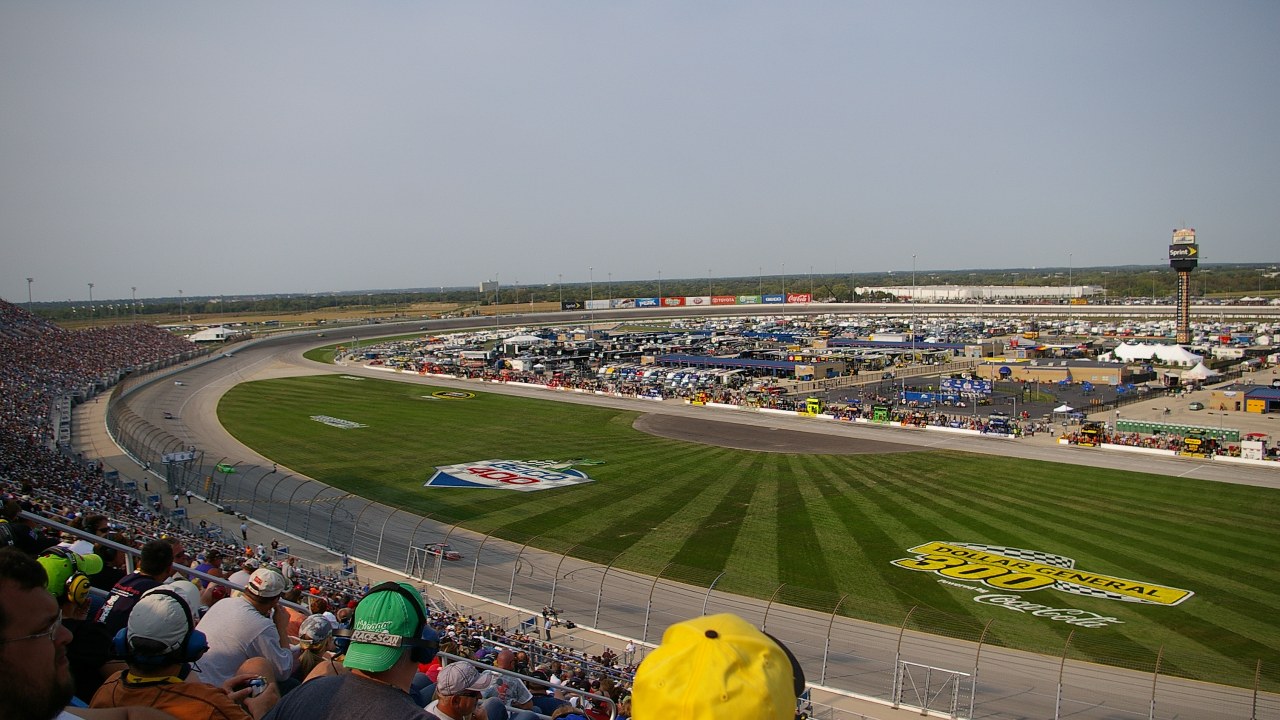
The simplest reason old tracks return is that they are known quantities in a risky business. Building a brand new facility is expensive, politically messy, and slow. Reviving a place that already has a racing footprint, a fan base, and a history is a much safer bet. When NASCAR rolled out its 2026 schedule and slotted Chicagoland Speedway back into the mix, officials framed it as part of a “landmark” slate that balances innovation with “beloved venues,” a clear signal that familiar tracks are now a core part of the growth strategy rather than a sentimental add-on, as reflected in the 2026 schedule announcement.
There is also a cold financial logic at work. Many of these tracks sit in regions where racing culture never really went away, even if the Cup Series did. That means ticket sales, camping revenue, and local sponsorship can ramp up quickly once the big show returns. Reporting on the 2026 changes notes that NASCAR is keeping the Chicago Street Course Race in early Jul while still finding room for Chicagoland, proof that the sanctioning body sees value in layering a revived oval on top of an existing market rather than choosing one or the other. The message is blunt: if a dormant track can be brought up to standard with some “TLC” and plugged into a media-friendly market, it is back on the table.
Short tracks, big emotions
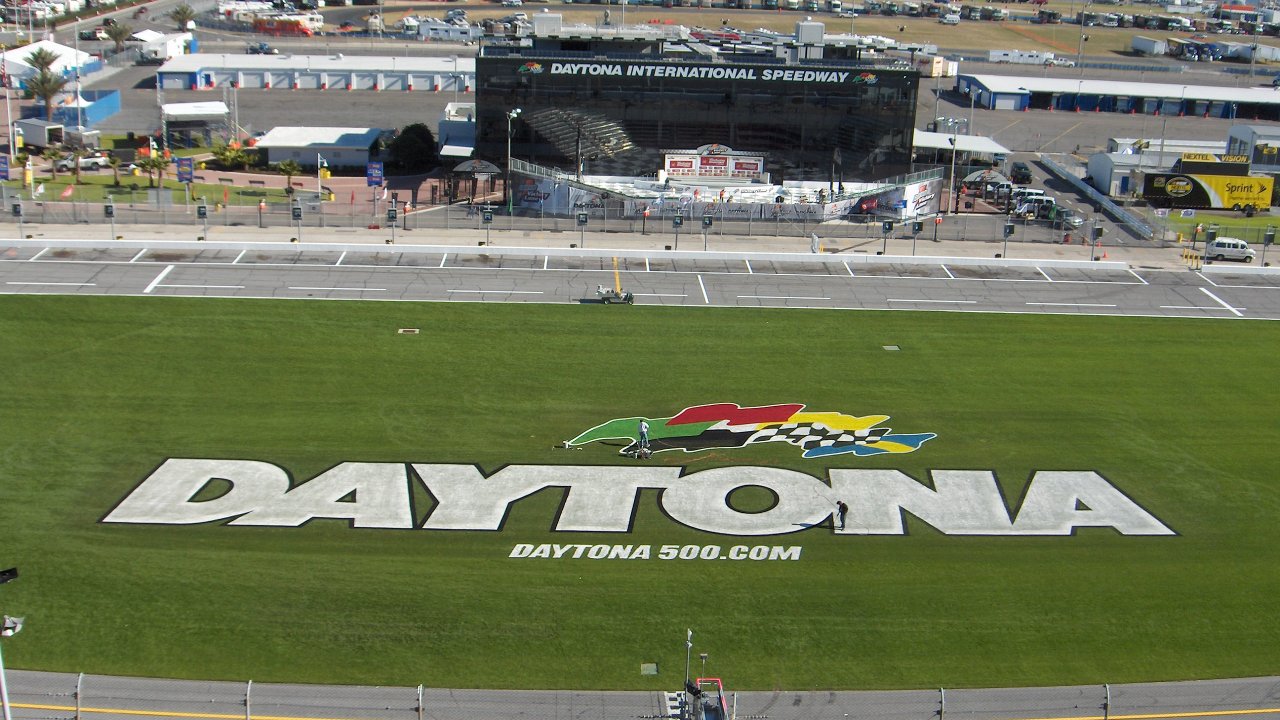
Short tracks are the emotional core of this comeback story. For years, the sport drifted away from them, chasing bigger grandstands and more corporate suites. As one analysis of the late 1990s put it, short tracks fell out of favor largely because they could not match the capacity and modern amenities of sprawling superspeedways, especially as NASCAR leaned into tri-oval layouts like the one at Daytona. That shift made sense in a boom era, but it also stripped out some of the raw, elbows-out racing that fans loved most.
Now the pendulum is swinging back, and nowhere is that clearer than at Bowman Gray Stadium. NASCAR is moving the Clash to the Winston-Salem bullring, a place so tight and quirky that it almost feels like a throwback movie set. The league expects the exhibition to leave a legacy in the city, and Winston-Salem State has been directly involved in preparing the facility, which shows how deeply the event is being woven into local institutions. Another report notes that NASCAR has a long-term agreement to use the track through December 2050, a staggering commitment for a race that started as a made-for-TV preseason show. When a sanctioning body is willing to lock in that far ahead, it is not chasing a fad, it is betting that intimate, chaotic short-track racing is central to its future.
Historic venues as brand insurance
There is also a branding play here that goes beyond any single race weekend. NASCAR has spent the last few years experimenting with new formats and new markets, from temporary street circuits to international stops, and that kind of change can make longtime fans nervous. Bringing back historic tracks is a way to say, “We are still the same sport at heart.” One detailed look at the role of legacy venues points out that past stars built their reputations by bouncing between big modern superspeedways and old-school places like Darlington Raceway and Martinsville, and argues that those kinds of tracks are “essential” to the sport’s future, not just its past.
That argument is not just romantic. When NASCAR leans on tracks with decades of stories baked into the concrete, it gives broadcasters and sponsors ready-made narratives. A race at Darlington Raceway or Martinsville does not need a hard sell, the history does the work. Another deep dive into the “drive to give new life to historic tracks” notes that this push is happening at the same time NASCAR is chasing state-of-the-art innovations in other parts of the business, which makes the old venues a kind of insurance policy. If a bold new idea flops, the league can always point back to the familiar places that anchor its identity and reassure fans that the core product is intact.
Local politics and community buy-in
Old tracks do not come back to life on nostalgia alone, they need local partners who see value in the revival. Bowman Gray is a perfect example of how that works when it clicks. City leaders in Winston-Salem and Winston-Salem State have been directly involved in preparing the stadium for the Clash, treating the event as a civic project rather than just a rental. That kind of buy-in matters when you are talking about traffic plans, noise ordinances, and public safety, all of which can derail a race before the first pace lap if the community is not on board.
Elsewhere, the politics are more subtle but just as important. The 2026 schedule shuffle that brings Chicagoland back while keeping the Chicago Street Course Race in early Jul shows how NASCAR is negotiating with multiple layers of government and tourism boards in the same region. One report on the changes notes that the “Windy City Still in the Mix” even as the series heads back to the suburban oval, which suggests that local stakeholders see value in having both a downtown spectacle and a more traditional race. When a track has already been built and the surrounding infrastructure exists, it is much easier for local officials to justify investing in upgrades than it is to sell a brand new facility from scratch.
Fans, forums, and the pressure from below
There is also a bottom-up force that keeps dragging old tracks back into the conversation: fans simply will not let them go. Spend a few minutes in the online NASCAR world and you will find detailed wish lists of “lost” venues that people want to see return. In one Feb thread, fans kicked around a possible loophole to bring back several tracks in 2026, arguing that the situation is nothing like a struggling hockey team relocating because no one is showing up. The point they kept circling is that many of these speedways did not die because the local market stopped caring, they fell out of favor for business reasons that no longer apply in the same way.
That kind of persistent lobbying matters more than it might seem. When NASCAR executives talk about a “strong mix of beloved venues” in the 2026 schedule, they are not guessing which tracks fit that description, they are responding to years of feedback from ticket buyers, TV viewers, and yes, Reddit posters. The same fan energy that pushed for more short tracks and more variety is now being channeled into specific places, from Chicagoland to other dormant ovals that keep popping up in schedule speculation. When the league can revive one of those tracks and immediately tap into a ready-made online campaign, it shortens the runway from announcement to sellout.
Not every comeback sticks
For all the success stories, it is worth remembering that not every revived venue becomes a permanent fixture. Some returns function more like test drives, and if the product does not deliver, NASCAR moves on. A recent example came with a Trackhorse Racing event where Shane van Gibergen, 36, dominated by a massive 16 second margin at a revived raceway. Reporting on that race made it clear that it would not return to the schedule, a reminder that simply reopening the gates is not enough if the racing product or the broader business case does not hold up.
That reality check is part of why the current wave of comebacks feels more deliberate. When NASCAR commits to a place like Bowman Gray through December 2050 or folds Chicagoland into a carefully balanced 2026 calendar, it is doing so with a clearer sense of what works and what does not. Other historic tracks are being evaluated through the same lens described in coverage of NASCAR’s push to give “new life” to older venues, where the league weighs modern expectations for safety, hospitality, and broadcast value against the charm of the past. Some will make the cut, some will not, but the pattern is set: if a track can meet today’s standards and still deliver that old-school feel, it has a real shot at another turn on the schedule.
More from Fast Lane Only: