The Daytona 500 is the rare sporting event that behaves like an opening day and a championship game at the same time, then insists on doing it at 200 miles per hour. It is the race that drivers dream about, sponsors obsess over, and casual fans actually remember by name, long after the confetti has been swept off the frontstretch. If any single afternoon still defines what stock car racing is supposed to feel like, it happens at Daytona International Speedway every year.
Plenty of events claim to be “must win,” but the Daytona 500 has receipts: history, money, prestige, and a track that has turned ordinary Sundays into career-defining folklore. That is why, even as NASCAR evolves and new venues fight for attention, the season still orbits around this one 500 mile sprint on a 2.5 m oval of high-banked Asphalt.
The track that turned a beach race into a monument
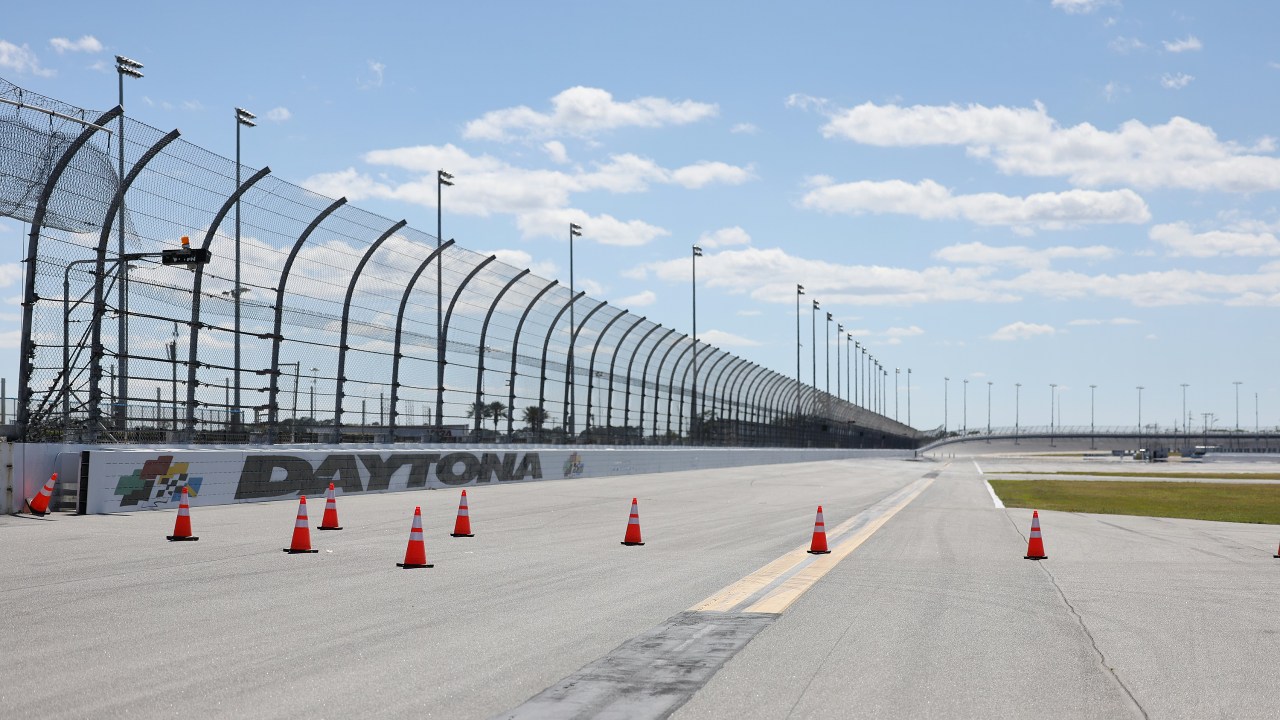
For all the modern gloss, the Daytona 500’s pull starts with geography and concrete, or more accurately, Asphalt. Daytona International Speedway was built to replace the old beach-and-road course, and its 2.5 m tri-oval with 4 Turns instantly gave stock car racing a permanent cathedral instead of a temporary sandcastle. The layout was engineered for speed and spectacle, and it delivered both so convincingly that the place itself became shorthand for big-time NASCAR.
Over the 1960s and 1970s, the facility grew into a full motorsport campus, with the grandstands, infield, and surrounding infrastructure expanding as NASCAR and the track itself surged in popularity. The official HISTORY OF THE DAYTONA INTERNATIONAL SPEEDWAY notes how the venue evolved from a bold experiment into one of the most iconic motorsport sites in the world, and that steady buildout turned the Daytona 500 from a novelty into an institution. When a track spends decades upgrading everything from garages to fan amenities, it sends a clear message to teams and sponsors: this is the stage where you want to be seen.
Prestige that outruns the rest of the calendar
On paper, the Daytona 500 is just one points-paying race in a long NASCAR season. In reality, it functions like a motorsports Super Bowl that happens before the rest of the schedule has even had its coffee. The event is widely regarded as the most important and prestigious race on the NASCAR calendar, a status that has held even as the series has added new markets and formats. When drivers talk about their careers, they separate life into “before Daytona” and “after Daytona,” and they are not talking about the city’s tourism bureau.
That prestige is not just nostalgia talking. The race is consistently framed as one of the crown jewels of the sport, grouped with other historic events that carry disproportionate weight in legacies and highlight reels. Coverage of NASCAR’s so-called crown jewels points to the Daytona 500 at Daytona International Speedway as the standard-bearer, noting that Since its inaugural running in 1959 it has stood at the top of the heap. Even discussions of the broader “Crown Jewel (NASCAR)” concept, which highlight how events like the Southern 500 can draw Attendance figures over 100,000, treat Daytona as the benchmark that defines what a marquee race is supposed to look and feel like.
Money, eyeballs, and the business of being the biggest
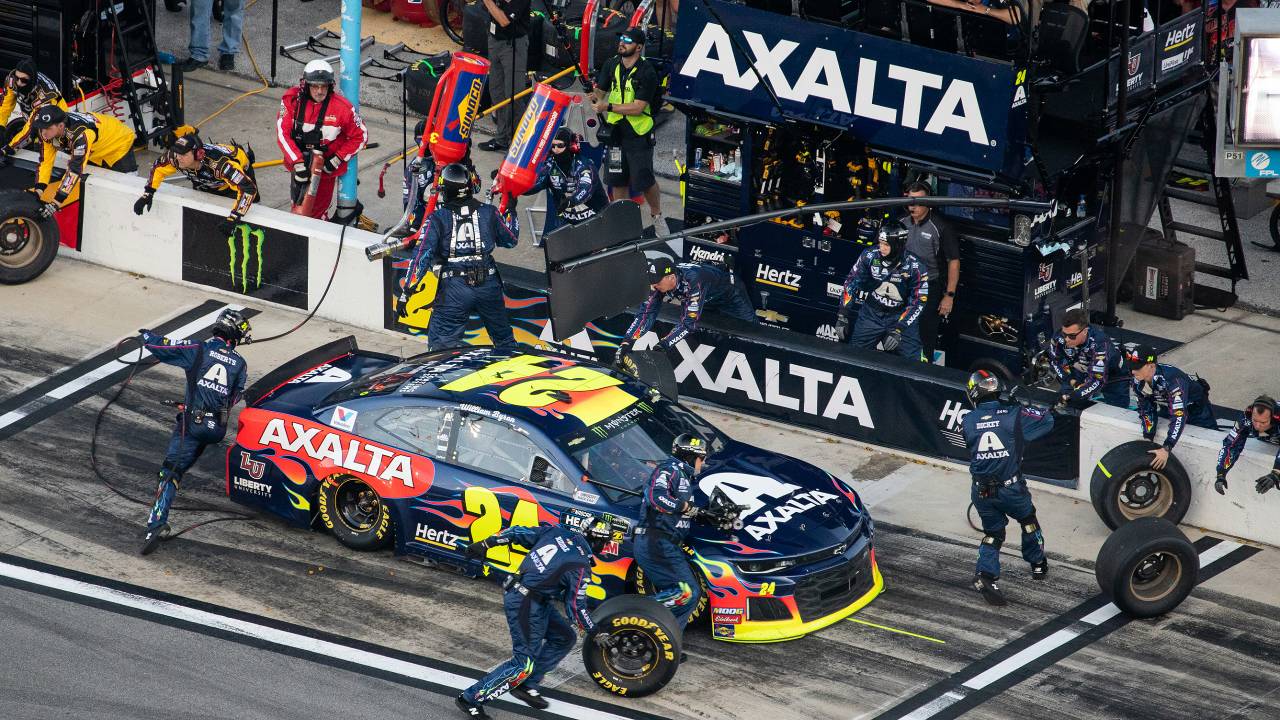
Prestige is nice, but in modern motorsport, prestige without revenue is just a very sentimental parade. The Daytona 500, however, is where the emotional stakes and the financial stakes shake hands and sign a long-term deal. Analyses of why the event is NASCAR’s biggest race point out that it attracts the largest purses, the most lucrative sponsorships, and the broadest media attention. When teams pitch potential backers, “we will be on the car at Daytona” is not a throwaway line, it is the headline of the deck.
That economic gravity feeds on itself. The more money and exposure the Daytona 500 commands, the more teams are willing to invest in specialized cars, superspeedway strategies, and marketing campaigns built around that single 500 mile afternoon. One breakdown of Why Is The Daytona 500 NASCAR’s Biggest Race? notes that the event has always been one of the crown jewels of NASCAR, with the biggest prize money and the biggest sponsorships. In a sport where budgets can make or break competitiveness, the ability to leverage one race into a season’s worth of funding is a powerful reason the Daytona 500 remains the centerpiece rather than just another date on the schedule.
The unique chaos of superspeedway racing
Of course, none of the money or history would matter if the race itself were dull. The Daytona 500 is anything but. The combination of the 2.5 m layout, high banking, and pack racing creates a style of competition that is equal parts chess match and demolition derby audition. Drivers run inches apart at full throttle, knowing that one misjudged bump can turn a carefully plotted strategy into a very expensive caution flag. The spectacle is not an accident; it is baked into the way Daytona International Speedway was designed and refined.
That design has helped make the Daytona 500 the archetype of superspeedway racing, a template echoed at places like Talladega Superspeedway and Atlanta. When teams talk about “drafting tracks,” they often lump these venues together, but Daytona still sits at the top of the list. Hendrick Motorsports, for instance, has highlighted how Elliott has three wins on drafting tracks, with victories at Talladega Superspeedway and Atlanta, while Larson has yet to win a Daytona 500 despite his broader success. The fact that a driver of Larson’s caliber can dominate elsewhere yet still chase that first Daytona triumph underlines how uniquely demanding and unpredictable this race is.
The emotional jackpot for drivers and teams
Ask a driver what a Daytona 500 win would mean, and the answers tend to sound less like race recaps and more like life milestones. The event is treated as a career-defining achievement, the kind of victory that can validate years of grinding through the schedule. Teams and drivers routinely describe a Daytona 500 trophy as the thing they would trade multiple other wins to secure, which is not something you often hear about a random midseason stop. The emotional math is simple: win here, and your name is etched into the sport’s memory in a way that no points table can fully capture.
Recent team previews have made that point explicit, spelling out how a Daytona 500 win would reshape the résumés of drivers who already have championships or marquee victories elsewhere. When a group like Hendrick Motorsports breaks down what a win would mean for its lineup, it is clear that even established stars see Daytona as unfinished business. The language used around those hopes, from Elliott’s superspeedway record to the acknowledgment that While Larson has yet to win a Daytona 500, reads less like routine goal-setting and more like a collective wish list. That emotional charge is a big part of why the race still feels like the sport’s ultimate measuring stick.
How “crown jewel” status actually works
Inside NASCAR circles, the phrase “crown jewel” is not just a poetic compliment, it is a kind of unofficial ranking system. Certain events carry extra weight because of their history, difficulty, or sheer scale, and the Daytona 500 sits at the top of that informal pyramid. Discussions of the Crown Jewel (NASCAR) concept emphasize that these races stand out through a mix of historical significance, fan turnout, and commercial impact. The Southern 500, for example, is cited for routinely drawing Attendance figures over 100,000, a reminder that Daytona is not the only show in town, but it is the one that sets the tone.
What separates the Daytona 500 is that it checks every box at once. It has the deep roots documented in the HISTORY OF THE DAYTONA INTERNATIONAL SPEEDWAY, the financial clout outlined in analyses of Why Is The Daytona 500 NASCAR’s Biggest Race?, and the competitive drama that comes from running 500 miles on a high-speed drafting track. Other events might match it in one or two categories, but none combine all of them with the same intensity. When fans and insiders talk about the sport’s biggest day, they are not debating which race qualifies. They are talking about how this particular Sunday at Daytona International Speedway still manages to feel bigger than the rest of the year put together.
More from Fast Lane Only: