Purchasing a classic car is a dream for many enthusiasts, but financing such a purchase can be challenging. With careful planning and due diligence, you can navigate the financial landscape safely and secure your dream car. This guide will walk you through the essential steps to finance a classic car purchase responsibly.
Understanding the True Cost of a Classic Car
Initial Purchase Price vs. Total Cost
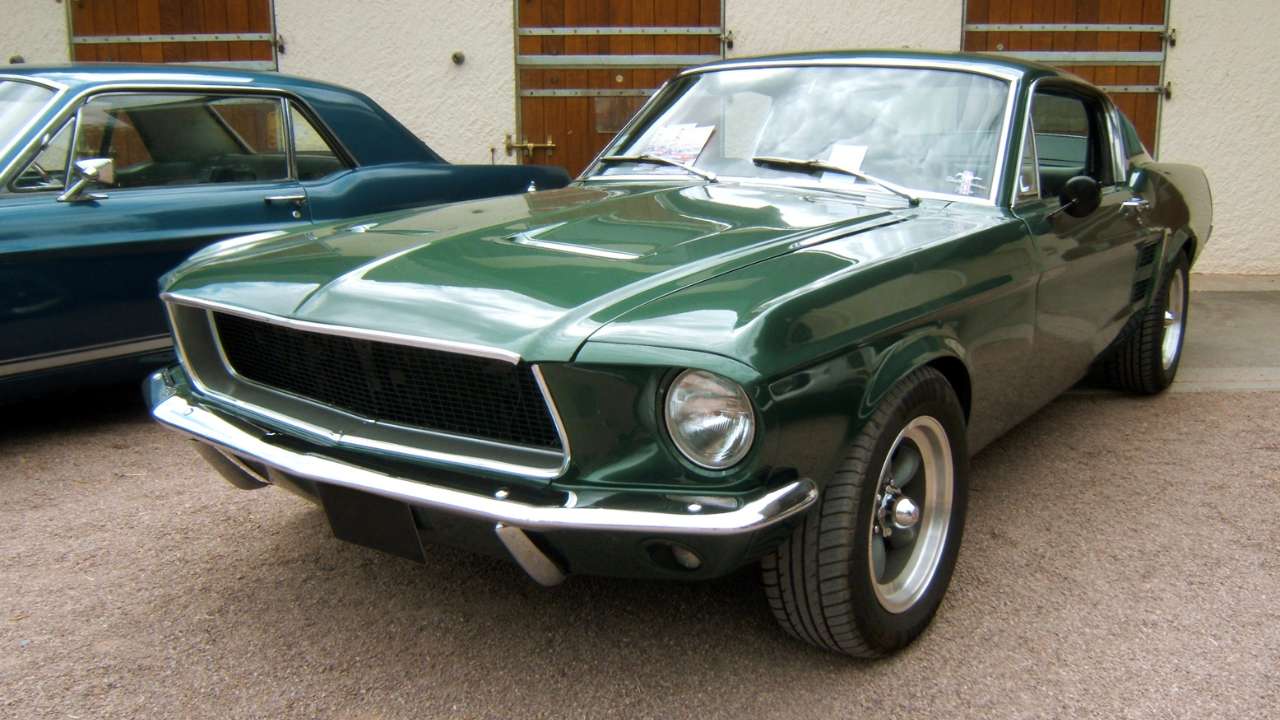
When considering the purchase of a classic car, such as a 1967 Ford Mustang, it’s essential to look beyond the initial purchase price. The sticker price may be the starting point, but the total cost of ownership includes restoration, maintenance, and insurance. Restoring a classic car to its former glory can be an extensive and expensive process, especially if original or rare parts are needed. Regular maintenance is another cost factor, as older vehicles often require more frequent attention than modern cars.
Insurance for classic cars is typically higher than for standard vehicles due to their value and the specialized coverage they require. It’s crucial to budget for these additional expenses to avoid financial strain. By understanding the complete financial picture, you can make a more informed decision about whether purchasing the car fits within your financial capabilities.
Depreciation and Appreciation Factors
Investing in a classic car can be financially rewarding, but it’s important to understand both the appreciation and depreciation factors. Certain models, like the 1955 Chevrolet Bel Air, have shown significant appreciation over the years, making them attractive investments. However, not all classic cars appreciate, and some may even depreciate if market demand shifts or if the car is not well-maintained.
Researching historical price trends and consulting with classic car experts can provide insight into whether the car you are considering is likely to appreciate. This understanding can help you assess the investment potential and mitigate the risks associated with depreciation.
Market Research and Valuation
Conducting thorough market research is crucial when determining a fair value for a classic car. Resources such as auction results, classic car price guides, and online marketplaces can provide valuable information on current market values. For instance, a 1973 Porsche 911 may have varying prices depending on its condition, history, and rarity.
Having the car professionally appraised can also ensure you are paying a fair price. An appraisal will provide a detailed evaluation of the car’s condition and market value, helping you make an informed purchase decision. It’s a small investment that can save you from overpaying significantly.
Exploring Financing Options
Traditional Auto Loans
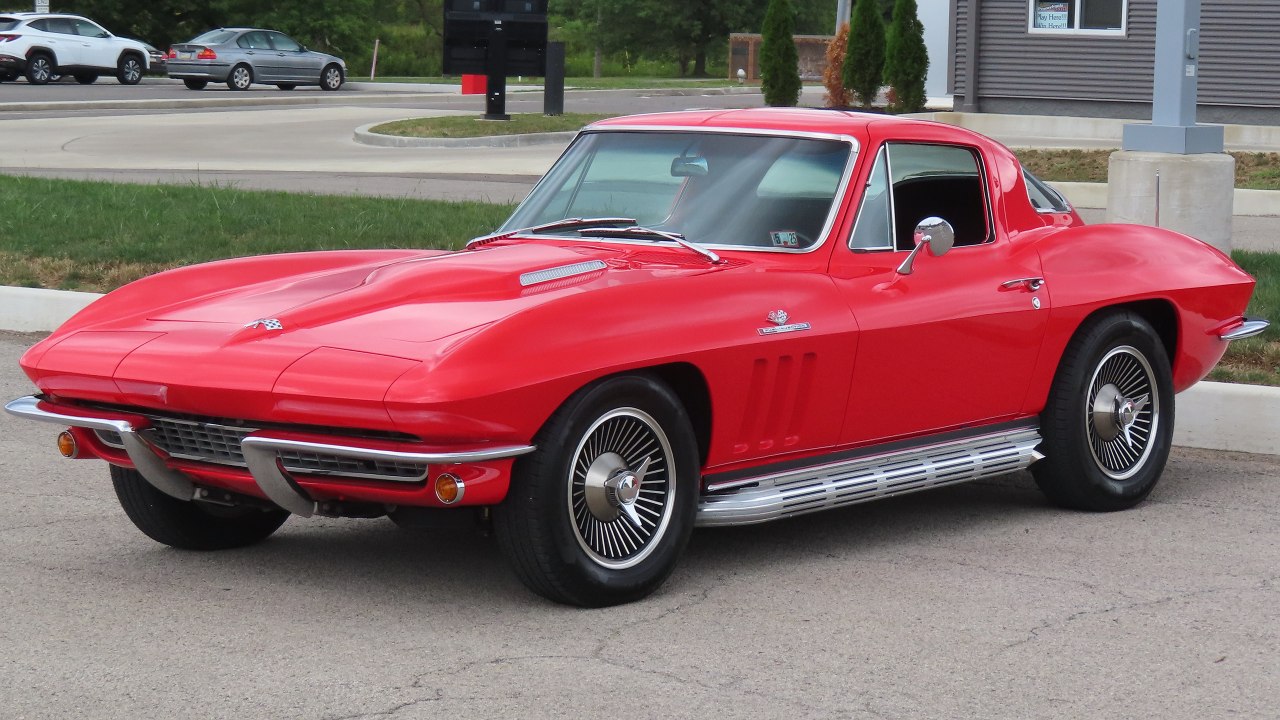
Traditional auto loans are a common financing option for purchasing a vehicle, but they may not always be suitable for classic cars. Lenders often have restrictions on the age and condition of the car, which can make securing a loan for a 1965 Chevrolet Corvette challenging. However, if a lender is willing to finance a classic car, the terms may not be as favorable as those for a new car loan.
It’s essential to shop around and compare offers from different lenders to find the best terms possible. Be prepared for higher interest rates and shorter loan terms, as lenders may view classic cars as a riskier investment.
Classic Car Specialty Lenders
For those seeking financing specifically tailored to classic cars, specialty lenders can be a valuable resource. These lenders understand the unique nature of classic car purchases and offer loan products designed to meet the needs of collectors and enthusiasts. Companies like J.J. Best Banc & Co. provide financing options specifically for classic cars, offering competitive rates and terms.
Specialty lenders are familiar with the classic car market and can offer more flexible loan structures. They may also provide additional services, such as insurance and appraisal referrals, to help streamline the purchasing process.
Personal Loans and Lines of Credit
Personal loans and lines of credit are alternative financing options that can be used to purchase a classic car. These options offer the advantage of not being tied to the car itself, giving you the flexibility to use the funds as needed. However, interest rates on personal loans can be higher than traditional auto loans, and terms may vary based on your creditworthiness.
It’s important to carefully consider the total cost of borrowing and whether your financial situation can support the additional debt. Using a line of credit can offer lower interest rates, but it requires discipline to avoid overspending and accumulating excessive debt.
Assessing Your Financial Situation
Evaluating Your Budget and Financial Health
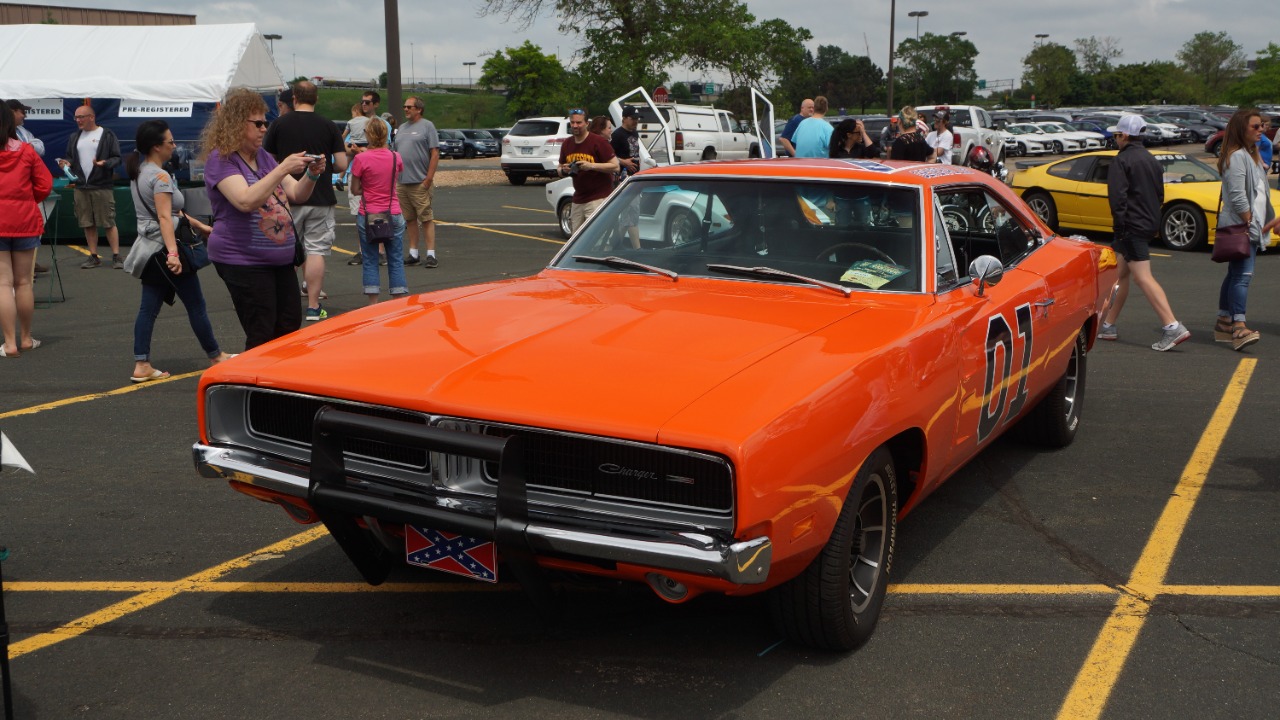
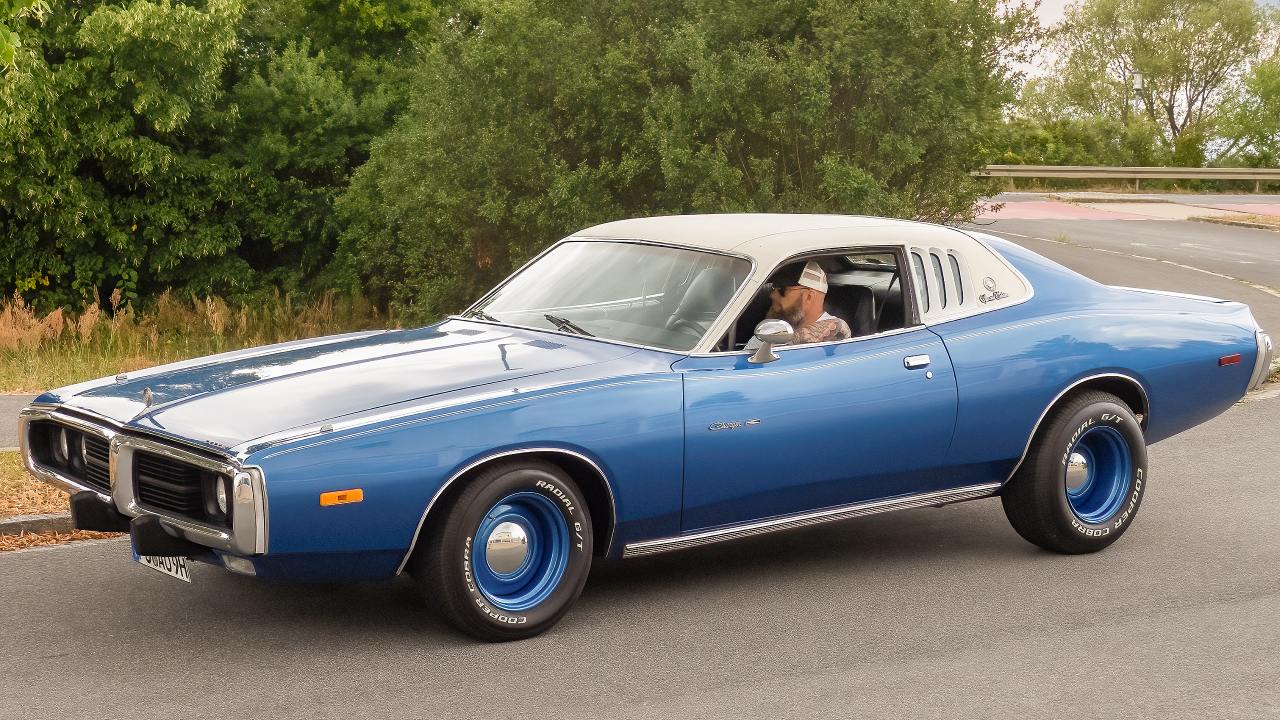
Before committing to a classic car purchase, it’s crucial to evaluate your budget and financial health. Determine how much you can comfortably spend on a car like a 1970 Dodge Charger, taking into account your income, expenses, and financial goals. Setting a realistic budget will help you avoid overextending yourself financially and ensure you can afford the associated costs of classic car ownership.
Consider creating a detailed budget that includes all potential expenses, such as loan payments, insurance, maintenance, and restoration costs. This will provide a clear picture of your financial capacity and help you make an informed purchase decision.
Credit Score and Its Impact
Your credit score plays a significant role in securing favorable loan terms for a classic car purchase. A higher credit score can lead to lower interest rates and better loan conditions, making it easier to afford a car like a 1969 Jaguar E-Type. It’s essential to review your credit report and address any issues before applying for a loan.
Improving your credit score can take time, but it can significantly impact your ability to finance a classic car. Paying down existing debts, making timely payments, and avoiding new credit inquiries can help boost your score and improve your financing options.
Down Payment Considerations
Making a substantial down payment can have a positive impact on your classic car financing. A larger down payment reduces the amount you need to borrow, potentially leading to lower interest rates and more favorable loan terms. For example, putting down a significant amount on a 1988 Ferrari Testarossa can make the loan more manageable and reduce the overall cost of ownership.
Additionally, a substantial down payment can demonstrate to lenders that you are a serious and responsible buyer, improving your chances of securing financing. It’s wise to save up for a larger down payment to enhance your purchasing power and secure better loan terms.
Mitigating Risks and Protecting Your Investment
Insurance for Classic Cars
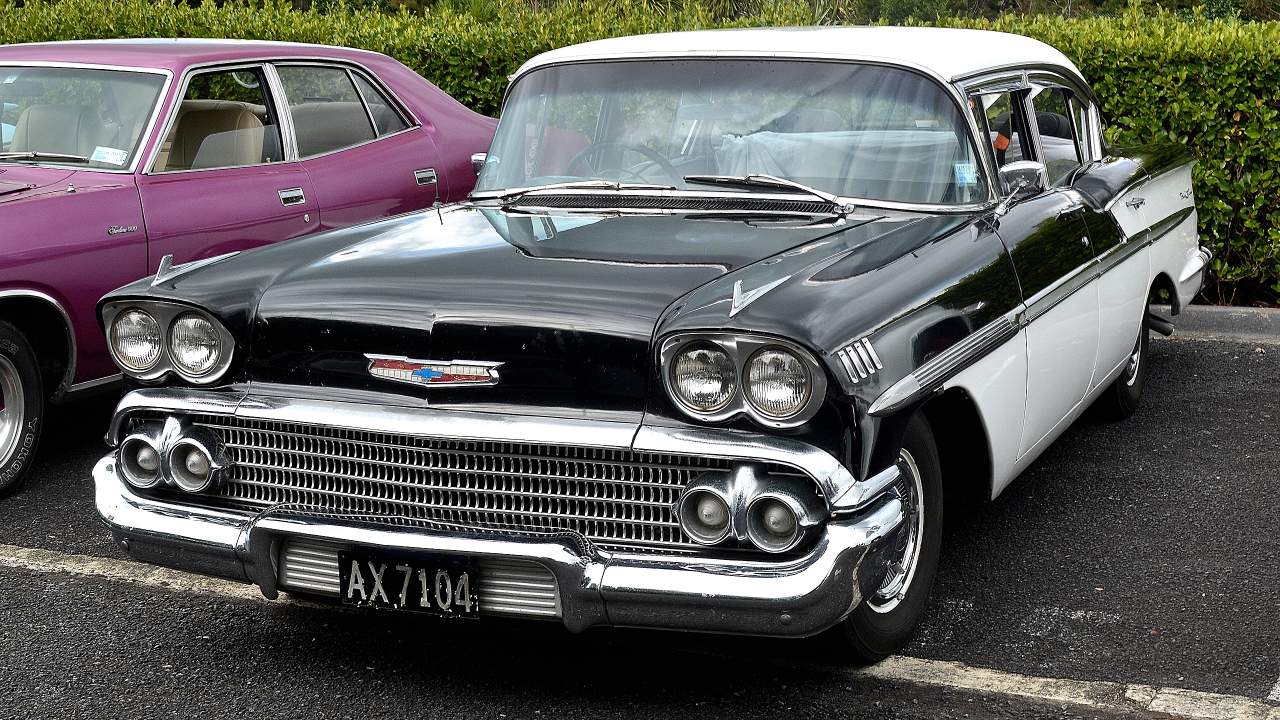
Protecting your investment in a classic car, such as a 1957 Chevrolet Bel Air, requires specialized insurance coverage. Classic car insurance typically offers agreed-value coverage, which ensures you receive a predetermined amount if the car is totaled. This type of coverage is essential for preserving the value of your classic car and safeguarding your financial investment.
It’s important to compare insurance policies and choose one that offers the best coverage for your needs. Factors to consider include mileage restrictions, storage requirements, and coverage for restoration work. Finding the right policy can provide peace of mind and protect your classic car from unexpected events.
Pre-Purchase Inspections and Appraisals
Before finalizing a classic car purchase, it’s essential to have the vehicle inspected and appraised by a professional. A thorough inspection can uncover any hidden issues that may affect the car’s value or performance. For instance, having a 1964 Aston Martin DB5 inspected by a qualified mechanic can prevent costly surprises down the road.
An appraisal provides an accurate assessment of the car’s market value, ensuring you are paying a fair price. Both inspections and appraisals are valuable tools for making informed purchasing decisions and protecting your investment.
Understanding Title and Legal Issues
Ensuring the classic car has a clear title and that all legal considerations are addressed is crucial before completing the purchase. A clear title confirms that the seller has the legal right to sell the vehicle and that there are no outstanding liens or claims against it. For example, verifying the title of a 1971 Plymouth Barracuda can prevent potential legal complications.
It’s also important to be aware of any state-specific regulations or requirements for registering a classic car. Consulting with a legal professional or classic car expert can provide guidance on navigating these issues and ensuring a smooth transaction.
Tips for a Successful Purchase
Building a Relationship with Dealers and Sellers
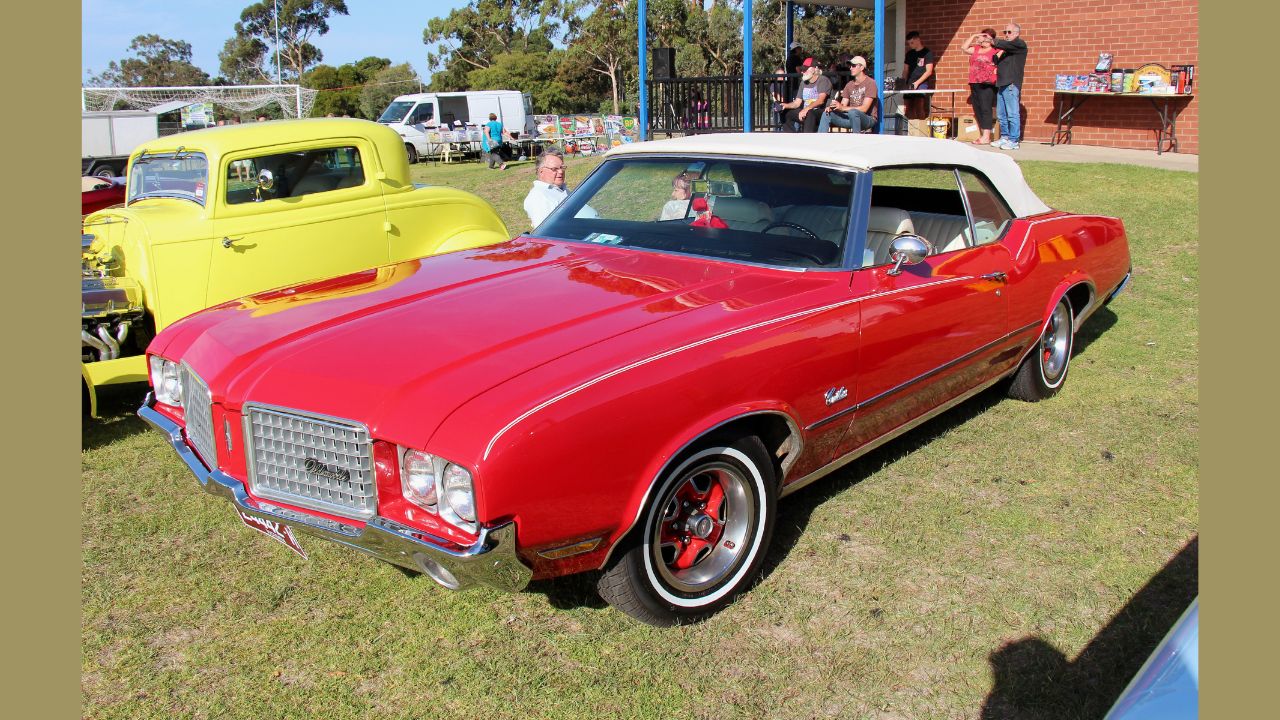
Establishing a relationship with dealers and sellers can facilitate a smoother classic car purchase. Building trust and rapport can lead to better communication and potentially more favorable terms. For instance, working closely with a reputable dealer when purchasing a 1972 Oldsmobile Cutlass can provide access to valuable insights and resources.
Take the time to research and connect with sellers who have a strong reputation in the classic car community. A solid relationship can enhance the buying experience and increase your chances of securing a successful transaction.
Negotiating the Purchase Price
Negotiating the purchase price of a classic car is an essential step in securing a fair deal. Leverage your market research and inspection results to support your negotiation strategy. For example, if a 1970 Ford Bronco requires significant restoration work, use this information to negotiate a lower purchase price.
Approach negotiations with confidence and be prepared to walk away if the terms are not favorable. Being well-informed and assertive can lead to a successful negotiation and a better purchasing outcome.
Finalizing the Purchase
Completing the purchase transaction safely involves several key steps, including reviewing documentation and choosing secure payment methods. Ensure that all necessary paperwork is in order and accurately reflects the agreed-upon terms. For a car like a 1969 Chevrolet Camaro, this may include the title, bill of sale, and any warranty information.
Opt for secure payment methods, such as bank transfers or escrow services, to minimize the risk of fraud. Taking these precautions can help protect your investment and ensure a smooth and successful purchase.