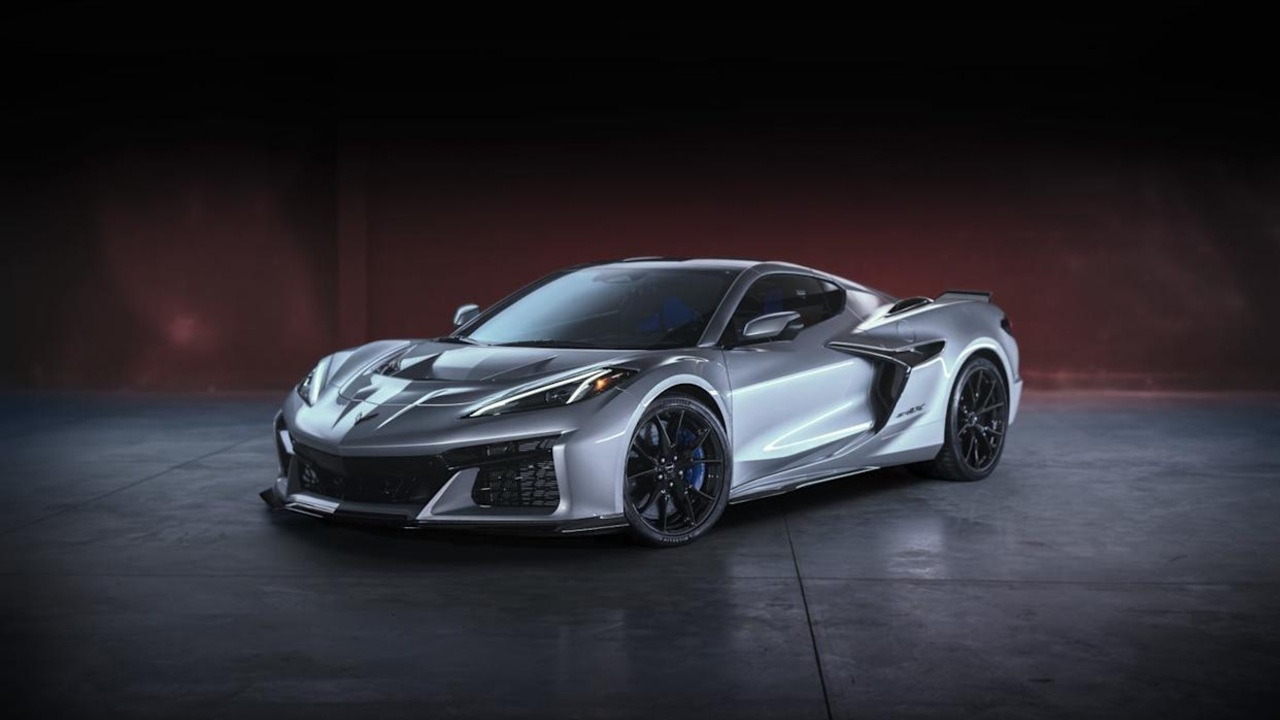
The 2026 Corvette ZR1X arrives as a headline-grabbing hybrid halo car, yet it still triggers a $2,600 gas-guzzler tax that undercuts its green-tinged image. Instead of rewarding the added electrification, federal rules treat this American hypercar much like a traditional thirsty supercar. That tension between cutting-edge performance and old-school penalties says as much about the tax code as it does about Chevrolet’s most extreme Corvette.
Hybrid power, hypercar numbers, and stubborn fuel economy
The core of the ZR1X story is simple: Chevrolet built a hybrid that chases lap times, not efficiency, and the fuel economy numbers show it. The car pairs a twin-turbo V8 with electric assistance and all-wheel drive, creating a package that still drinks enough fuel to qualify for a $2,600 gas-guzzler hit. According to detailed coverage of the model, the hybrid Corvette is explicitly described as carrying a $2,600 G surcharge, with the same reporting reiterating that the ZR1X Carries a $2,600 penalty despite its electrified powertrain. In other words, the hybrid hardware is there to add speed and traction, not to move the car out of gas-guzzler territory.
That tradeoff is easier to understand once you look at the output figures and the way the system is tuned. Earlier technical breakdowns describe the 2026 Corvette ZR1X Hybrid Packing 1,250 horsepower and All Wheel Drive, a staggering number that puts it in rare company even among exotic supercars. Chevrolet itself has framed the project as Introducing the 2026 Corvette ZR1X, a true American hypercar, positioning it as a flagship for the Corvette and for the broader performance portfolio under its Brands and Corporate umbrella. With that mission, it is no surprise that the calibration favors maximum acceleration and top speed over sipping fuel on the highway.
Why a hybrid still pays a $2,600 gas-guzzler tax
From a policy perspective, the gas-guzzler tax is blunt: it looks at test-cycle fuel economy, not technology labels on the trunk lid. The ZR1X’s official ratings, cited in coverage of the model’s launch, come in at 12 mpg city, 16 mpg highway, and 14 mpg combined, figures that fall squarely into the penalty zone. That is why the car is assessed a $2,600 gas-guzzler tax, even though it carries a hybrid powertrain and advanced all-wheel-drive hardware. The law does not carve out exceptions for partial electrification, so a hybrid that behaves like a traditional supercar at the pump is treated exactly that way.
The contrast with the standard C8 ZR1 underscores how narrow the gap really is. Reporting on the broader Corvette lineup notes that the conventional C8 Corvette ZR1 is assessed a higher $3,000 gas-guzzler tax, even though it uses the same twin-turbo 5.5-liter V8 LT7 engine architecture that underpins the ZR1X. In that context, the hybrid model’s $2,600 charge looks less like a punishment for trying and more like a modest discount for slightly better test-cycle numbers. The tax code is effectively signaling that both cars live in the same fuel-thirsty neighborhood, even if one leans on electric assistance to shave a few gallons off its annual consumption.
Aero, drag, and the limits of incremental efficiency
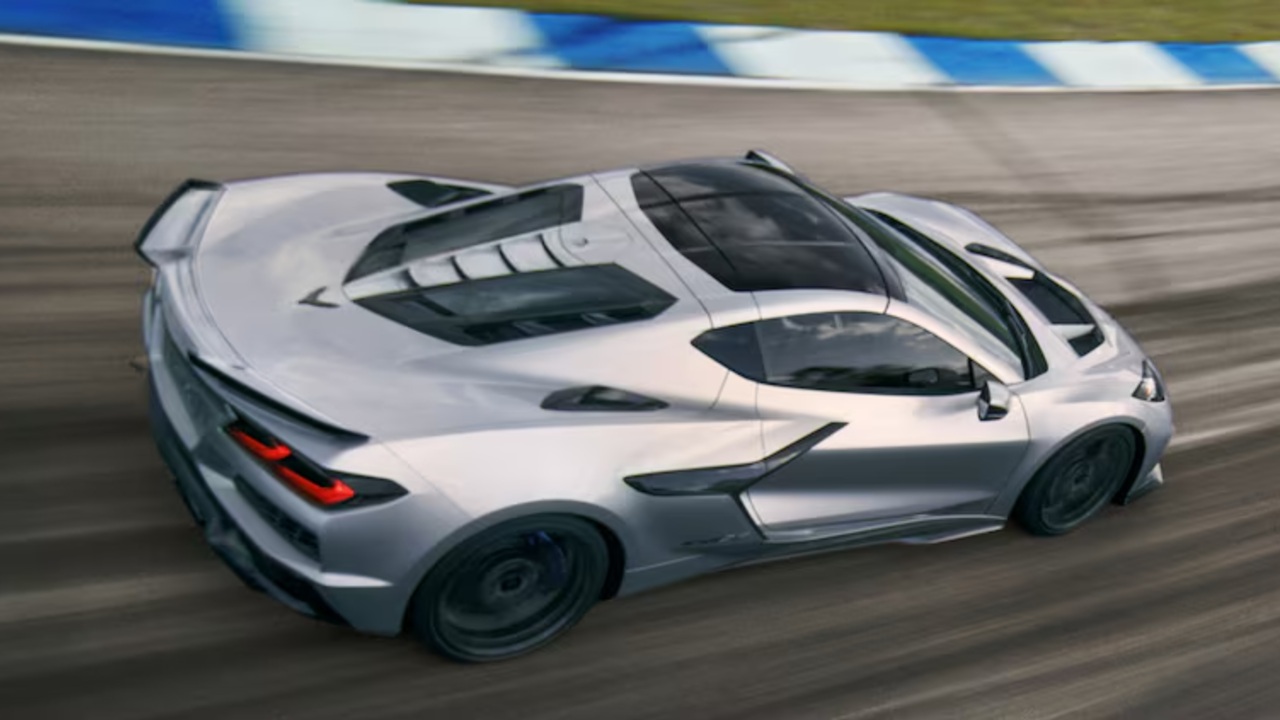
Chevrolet did not stop at the powertrain when it set out to turn the ZR1X into a track weapon, and those choices also shape its tax fate. The car can be fitted with aggressive Carbon Aero packages that add large wings, splitters, and other appendages designed to increase downforce at speed. Coverage of the model’s configuration options notes that those aerodynamic upgrades are designed to increase downforce but also add drag, yet they do not alter the tax assessment for the car. In other words, once the base car’s fuel economy has landed it in gas-guzzler territory, extra drag from track-focused aero is effectively a rounding error in the eyes of regulators.
That detail highlights how small the efficiency margins are for a machine like this. Even if the hybrid system recaptures some energy under braking and helps smooth out power delivery, the combination of a powerful twin-turbo V8, sticky tires, and high-drag aero means the ZR1X still burns fuel at a rate that keeps it deep inside the penalty band. The fact that the Carbon Aero packages do not change the tax outcome shows that the underlying calibration and hardware, not bolt-on options, are what matter for the gas-guzzler calculation. Buyers can spec the wildest aero kit available without worrying about nudging the tax bill higher, because the car is already paying the price for its fundamental appetite.
Positioning the ZR1X inside the Corvette performance ladder
Within the Corvette family, the ZR1X is meant to sit at the very top, and the gas-guzzler numbers reflect that ambition. Chevrolet’s own positioning of the car as Introducing the 2026 Corvette ZR1X, a true American hypercar, makes clear that this is not a mild hybrid designed to chase tax credits or fleet-average gains. Instead, it is a halo product that showcases what the Corvette platform can do when engineers are told to prioritize lap times and acceleration. The hybrid system, the all-wheel drive layout, and the extreme aero all serve that mission, even if they leave the car exposed to a $2,600 gas-guzzler charge.
Compared with the standard C8 Corvette ZR1, which carries a $3,000 tax, the ZR1X’s slightly lower penalty suggests a marginal improvement in efficiency without changing the fundamental character. Both cars rely on the same 5.5-liter LT7 V8 architecture, and both are tuned for extreme performance rather than economy. The hybrid ZR1X simply layers in electric assistance and all-wheel drive to push the performance envelope further, while trimming the tax bill by a few hundred dollars. For buyers cross-shopping within the Corvette range, that difference is unlikely to be decisive, but it does illustrate how the gas-guzzler framework treats incremental gains.
What the ZR1X’s tax bill says about performance hybrids
To me, the ZR1X’s $2,600 gas-guzzler tax is a reminder that “hybrid” is no longer synonymous with “efficient.” In this case, the technology is being used to unlock 1,250 horsepower and All Wheel Drive capability, not to stretch a gallon of fuel as far as possible. The regulatory system, which looks only at measured mpg, responds accordingly, treating the car much like any other high-output supercar. That is why the ZR1X Carries a $2,600 G penalty even as it showcases some of the most advanced electrified hardware Chevrolet has ever put into a Corvette.
As more performance brands adopt similar strategies, I expect to see more hybrids that still fall into gas-guzzler territory, especially when they chase hypercar numbers rather than efficiency. The 2026 Corvette ZR1X is a clear example: a hybrid American flagship that uses electrification as a performance multiplier, accepts a $2,600 tax as the cost of doing business, and positions itself alongside the standard C8 Corvette ZR1, which pays $3,000, as part of a broader push to keep the Corvette name at the sharp end of the performance world. For enthusiasts, the message is straightforward. If you want the most extreme version of the Corvette, the gas-guzzler line item is simply part of the price of admission.
More from Fast Lane Only: