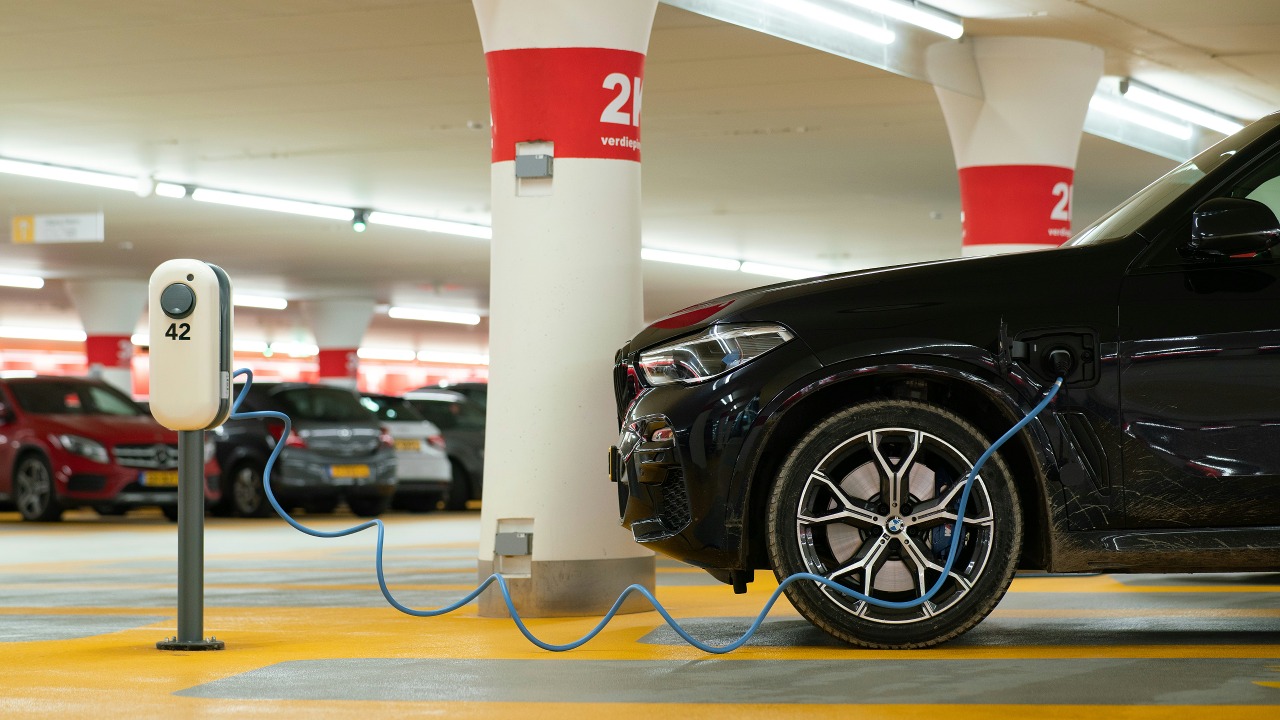
Leasing customers did not just flirt with electrification in 2025, they embraced it. New research shows that roughly two thirds of people signing lease deals chose either a hybrid or a full battery electric vehicle, turning what was once a niche into the default choice in showrooms. That shift is reshaping how automakers price cars, how dealers structure offers, and how drivers think about everything from fuel costs to resale value.
Leasing becomes the fast lane to electrified cars
Leasing has quietly become the most important gateway to electrified driving. When around two thirds of new lease customers opt for a hybrid or EV, the center of gravity in the market moves away from pure combustion models and toward batteries and electric motors. I see that as a rational response to uncertainty: drivers can sample new technology for three years, avoid long term depreciation risk, and still benefit from lower running costs and modern features that hybrids and EVs tend to bundle as standard, a pattern highlighted in new car leasing trends of 2025 that emphasize value for money as a top priority.
The numbers on pure EV leases underline how quickly this channel is growing. Industry data shows EV leasing activity rising nearly 22 percent year over year, with electric models accounting for 17.69 percent of all new leases compared with 14.5 percent a year earlier, even as federal EV tax credits expired for many buyers. That jump suggests leasing is compensating for the loss of some upfront incentives, allowing finance companies to bake remaining benefits into monthly payments and keep electric options attractive for households that might balk at a full cash purchase.
Why hybrids and EVs now beat gas cars on value
Price and value for money sit just behind powertrain choice in the hierarchy of what lease customers say they care about, and electrified cars are increasingly winning that comparison. Hybrids promise lower fuel bills without demanding lifestyle changes, while EVs offer even bigger savings on energy and maintenance for drivers who can charge at home or work. As battery costs fall and manufacturers scale up production, monthly lease prices on popular models like the Toyota RAV4 Hybrid or Hyundai Ioniq 5 have narrowed the gap with similarly equipped gasoline crossovers, which makes the lower running costs feel like a bonus rather than a tradeoff.
Market wide, the shift in perceived value is visible in sales forecasts as well as leasing data. Analysts expect roughly 1 in 4 new cars sold in the United States in 2025 to be electric, a share that would have sounded ambitious only a few years ago but now aligns with projections that electrified vehicles will keep gaining market share. Global assessments echo that trajectory, with Global sales of electric vehicles on track to represent one in four cars sold as manufacturers roll out more models and expand battery manufacturing capacity in China and other hubs. When both national and global forecasts point in the same direction, it reinforces the idea that hybrids and EVs are no longer premium curiosities but the mainstream value play.
Incentives fade, but demand keeps building
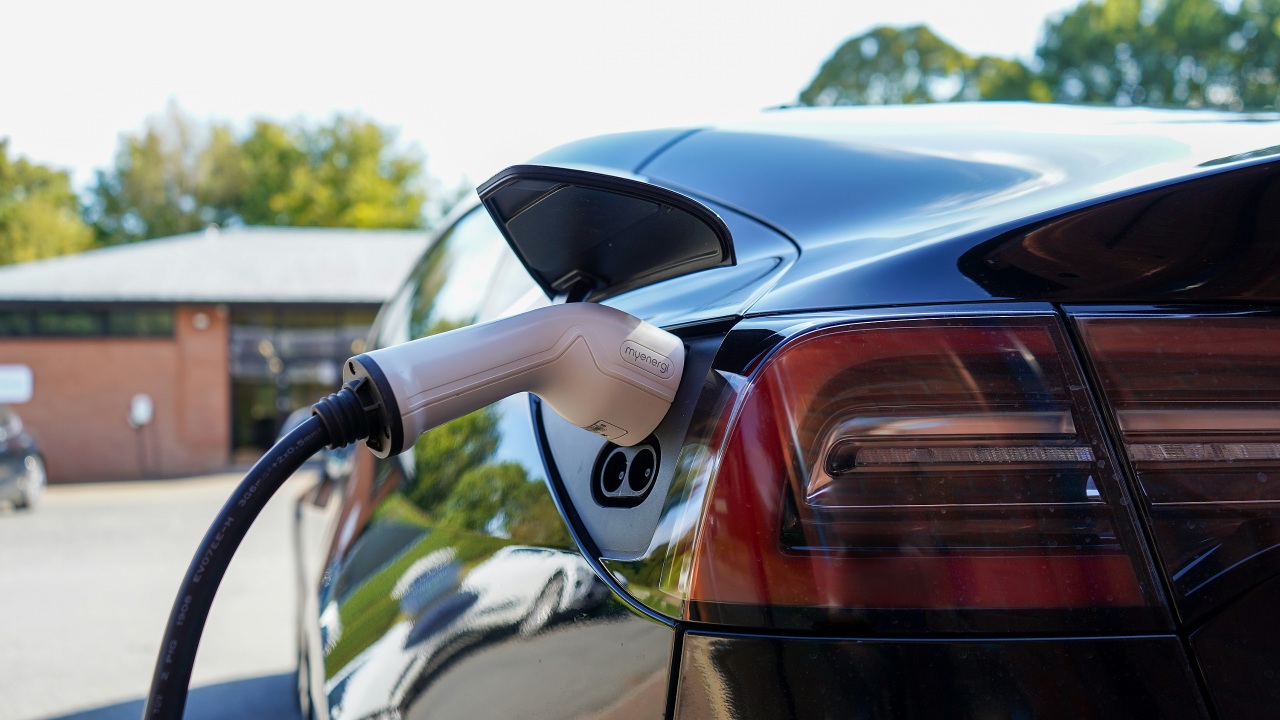
One of the most striking features of the 2025 leasing boom is that it has continued even as some headline incentives have wound down. EV leasing grew nearly 22 percent year over year at the same time that the EV tax credit was eliminated for a significant slice of buyers, which would normally be expected to cool demand. Instead, leasing companies and automakers have used their ability to capture remaining commercial credits and bulk discounts to keep monthly payments competitive, effectively smoothing the policy cliff for consumers who still want an electric car but cannot justify a higher sticker price.
Retail sales data supports the idea that underlying demand is robust, not just a function of subsidies. Electric Vehicle Sales Hit 438,000 units in the third quarter of 2025 as Buyers Rushed to Beat Expiring Incentives, a record high that shows how sensitive shoppers are to policy deadlines but also how large the pool of interested customers has become. Forecasts for the broader EV market in 2026 point to continued growth, with Market Forecast analyses listing China as the global EV market leader and highlighting that consumer interest in going electric has risen several percentage points from the previous year. In that environment, leasing acts as a pressure valve, absorbing buyers who might otherwise be priced out when direct purchase incentives shrink.
Fleets, used EVs, and the next phase of electrified leasing
The leasing story is not just about private households, it is increasingly about fleets that turn over vehicles quickly and set the tone for the used market. Corporate and government operators are under pressure to cut emissions and operating costs, and many are experimenting with EV adoption strategies that rely on data rather than hype. One major auction and remarketing company, Manheim, expects to have conducted nearly 100,000 VIN specific battery tests by the end of 2025, a scale of diagnostics that gives fleet managers and lenders more confidence about long term battery health and residual values. As that information filters into lease pricing models, I expect more aggressive electrified offers for high mileage users like delivery services and sales teams.
The downstream effect will be felt in used car lots and online marketplaces. Analysts tracking residuals say Used EVs: Expect falling prices as Shoppers adjust to a growing supply of off lease electric cars and the end of some federal subsidies that previously propped up new vehicle pricing. Forecasts suggest used EV prices could decline by 5 to 10 percent by late 2026, which would make three year old models like the Chevrolet Bolt EUV or Ford Mustang Mach E far more accessible to second owners. That dynamic reinforces the appeal of leasing new, since lessees avoid the risk of steeper depreciation while still contributing to a pipeline of affordable used EVs that broaden the market.
Collision repair, infrastructure, and the practical realities of going electric
As hybrids and EVs take over lease portfolios, the rest of the automotive ecosystem is scrambling to catch up. Collision repair shops are already seeing fewer claims per vehicle but more complex and expensive jobs when electrified models are involved, a trend flagged in 2025 data that points to more collision repair complexity in 2026. High voltage systems, advanced driver assistance sensors, and aluminum or composite body structures all require specialized training and equipment, which can lengthen repair times and push up insurance costs. For lessees, that makes gap coverage and comprehensive policies more important, since a seemingly minor crash can total an EV if battery damage is suspected.
Infrastructure and regional differences will also shape how sustainable the current leasing surge really is. Market Forecast research notes that China remains the global EV market leader, with strong public charging networks and domestic battery manufacturing that help keep costs down. In the United States, by contrast, adoption is uneven, with coastal states and urban centers moving faster than rural areas where home charging and long distance travel remain concerns. Yet even in those regions, the combination of one in four Cars Sold In The market expected to be electric and the fact that Electrified Vehicles Gain Market Share suggests that charging investment and grid planning will have to accelerate. Leasing, with its shorter time horizons, gives drivers a way to participate in that transition without betting their entire financial future on how quickly the infrastructure catches up.
More from Fast Lane Only: