Mercedes-Benz is preparing a fundamental reset of its luxury EV strategy, planning a fully electric S-Class that will take over from the current EQS flagship sedan. Instead of running two parallel flagships, the company intends to fold its top electric limousine back into the core S-Class family, pairing battery power with traditional engines on a single, more coherent track. The move signals a shift away from the experimental EQ branding toward a more familiar, high-end identity for the brand’s most important model line.
From EQS experiment to electric S-Class flagship
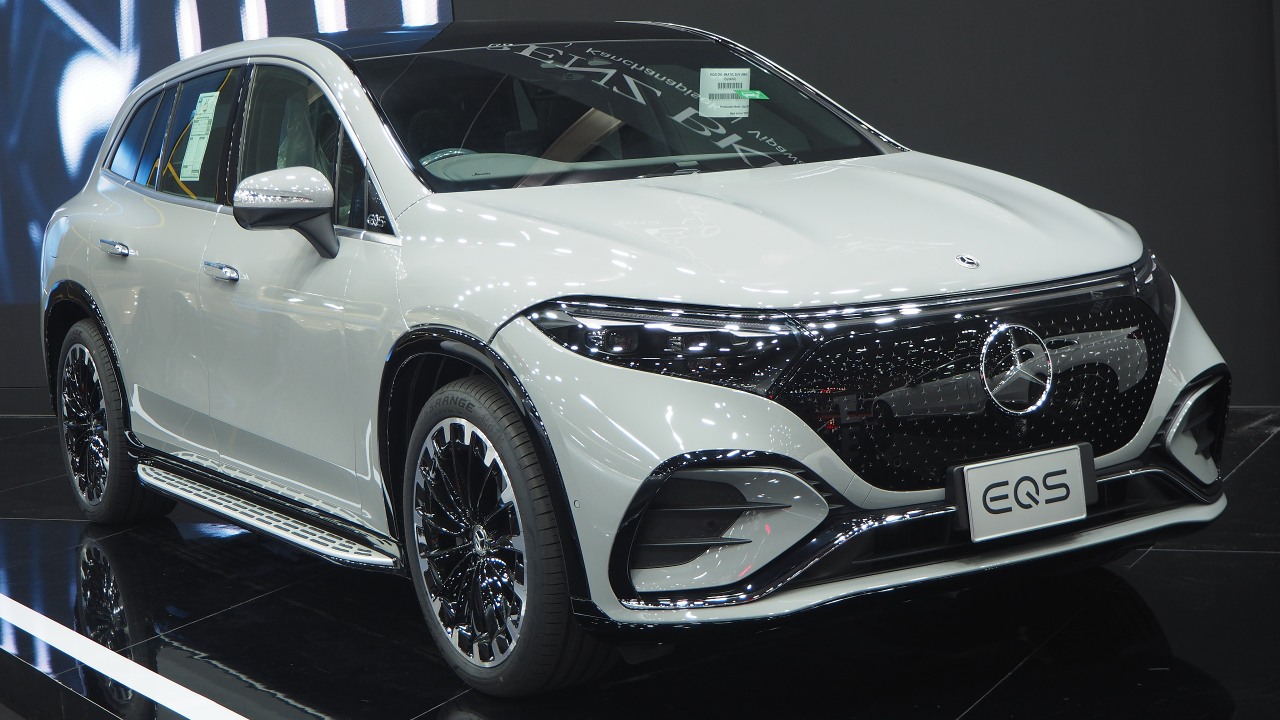
The EQS arrived as a technological showcase, but it never quite matched the emotional pull or visual gravitas of the traditional S-Class. I see the decision to replace it with an electric S-Class as an admission that the separate EQ flagship, with its cab-forward silhouette and aero-driven proportions, did not fully resonate with buyers who expect a stately limousine. Reporting on the company’s future product plan makes clear that Mercedes-Benz has now committed to an S-Class EV that will directly take the place of the current EQS sedan at the top of its electric range, rather than continuing with two distinct flagships.
Executives have confirmed that a new S-Class EV will succeed the EQS, effectively retiring the EQS nameplate once the next generation arrives. One detailed account notes that a New Mercedes Class EV will replace the EQS sedan, with the chief executive explicitly stating that the electric flagship of the future will sit within the S-Class family. Another analysis of the company’s strategy explains that Mercedes-Benz plans to replace the Benz EQS with an S-Class EV later this decade, aligning its electric flagship with the rest of the S-Class line that is due around 2030. Together, these reports show a clear trajectory: the EQS was a bridge, but the long-term destination is an all-electric S-Class that carries the brand’s most famous badge.
Why Mercedes is folding EQS into the S-Class family
Strategically, merging the EQS concept into the S-Class solves several problems at once. Running two separate flagships splits development resources, confuses customers about which car truly represents the pinnacle of the brand, and dilutes the S-Class name that has defined Mercedes luxury for decades. By contrast, a single S-Class line that offers both internal combustion and electric powertrains lets the company focus its engineering and marketing on one halo product, while giving buyers a clear hierarchy at the top of the range.
Reports on the next generation S-Class describe exactly this approach, with the Next Mercedes Class To Offer EV And ICE variants on the same model line, effectively making the EQS redundant. Another deep dive into the future flagship strategy notes that Mercedes wants to unify the S-Class and EQS roles, so that the S-Class once again stands alone as the brand’s ultimate sedan, regardless of what sits under the hood. A separate report on the All Mercedes Class Electric reinforces that the first S-Class Electric is intended to replace the EQS this decade, not sit alongside it, underscoring how central this consolidation is to the company’s long-term plan.
Design reset: more traditional S-Class, less aero bubble
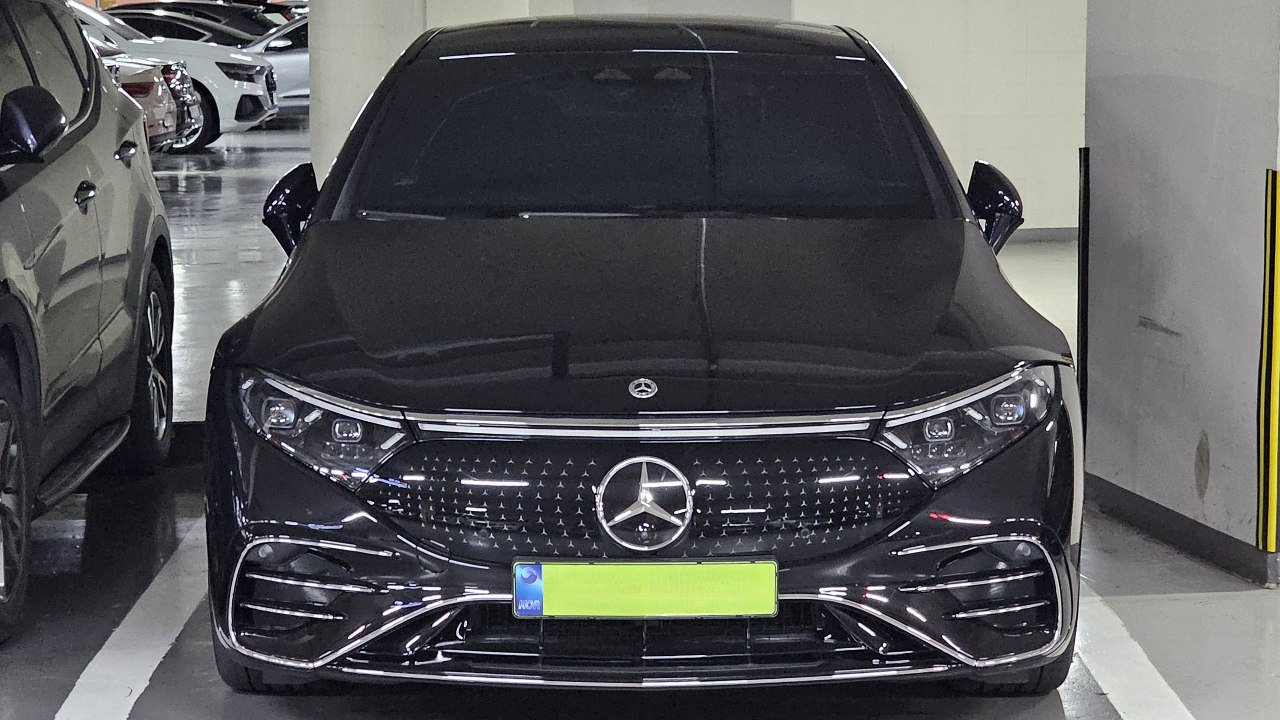
One of the most visible shifts will be in design. The EQS pushed aerodynamics to the forefront, resulting in a teardrop profile that delivered impressive efficiency but divided opinion among traditional luxury buyers. The upcoming S-Class EV is expected to swing back toward a more classic three-box silhouette, with proportions that echo the current S-Class rather than the EQS. I read this as Mercedes acknowledging that flagship customers still want a car that looks like a formal limousine first and a wind-cheating experiment second.
Fresh reporting on the next generation describes how the two versions of the S-Class, combustion and electric, should look almost identical, with both sticking to a traditional three-box layout and near-identical interiors. Insiders quoted in one piece on the Class say the electric variant will be designed so that it is hard to distinguish from its ICE sibling at a glance, which is a stark contrast to the very different look of the EQS. Another report on a more traditional looking Mercedes S-Class EV notes that the company will do away with the EQS name and instead deliver an electric S-Class with similar exterior and interior designs to the combustion model. That shift should help the electric flagship feel less like a separate experiment and more like a natural evolution of the S-Class lineage.
Platform strategy and the fate of MB.EA Large
Under the skin, the electric S-Class will also mark a turning point in Mercedes-Benz’s platform strategy. The company has been developing a dedicated electric architecture known as MB.EA Large for its bigger vehicles, and there had been speculation that this work might be scaled back in favor of more flexible solutions. The decision to build a full S-Class EV, rather than simply electrifying existing combustion platforms, suggests that Mercedes still sees value in a bespoke electric base for its flagship sedan.
Reporting on the future S-Class EV clarifies that the first S-Class Electric will employ a dedicated electric vehicle platform, designed to showcase what the company describes as the best of its engineering. One detailed overview of the Mercedes Class Electric notes that this architecture is intended specifically for large premium EVs, rather than being a compromise adaptation of an ICE chassis. Another report focused on a Large electric vehicle platform explains that the company has put an end to rumors about abandoning MB.EA Large, confirming that development will continue for future models like the S-Class EV. That continuity should allow Mercedes to optimize packaging, ride comfort, and efficiency specifically for battery power, while still aligning the car’s look and feel with the conventional S-Class.
Short-term: one more EQS facelift before the handover
Even as Mercedes-Benz maps out the electric S-Class, the current EQS is not disappearing overnight. The company is preparing another update for the existing model to keep it competitive until the new flagship arrives. I see this as a pragmatic move: the EQS still anchors the brand’s electric sedan lineup today, and a final refresh can address criticisms and maintain interest while the more comprehensive S-Class EV project is completed.
Spy photography and product briefings indicate that the EQS Set To Get Second Facelift Before Replacement, with changes expected to its styling and possibly its interior as it awaits its successor. Broader coverage of what lies ahead for the S-Class and EQS notes that the EQS is due for a facelift while Mercedes prepares the next generation of its flagship strategy, confirming that the current car will be kept fresh rather than quietly fading away. One overview of What Ahead for the Mercedes S-Class and EQS explains that the EQS will receive updates as part of a staggered rollout of new models, reinforcing that the handover to an electric S-Class will be managed carefully rather than through an abrupt discontinuation.
Looking across these strands of reporting, I see a consistent picture of Mercedes-Benz pulling its flagship story back into a single, powerful narrative built around the S-Class name. The EQS served its purpose as a first-generation electric limousine, but the future of the brand’s top sedan will be a unified S-Class line that offers both combustion and electric power, a more traditional design, and a dedicated large EV platform. For buyers, that should make the choice at the top of the Mercedes range simpler and more familiar, even as the technology underneath becomes more advanced.
More from Fast Lane Only: