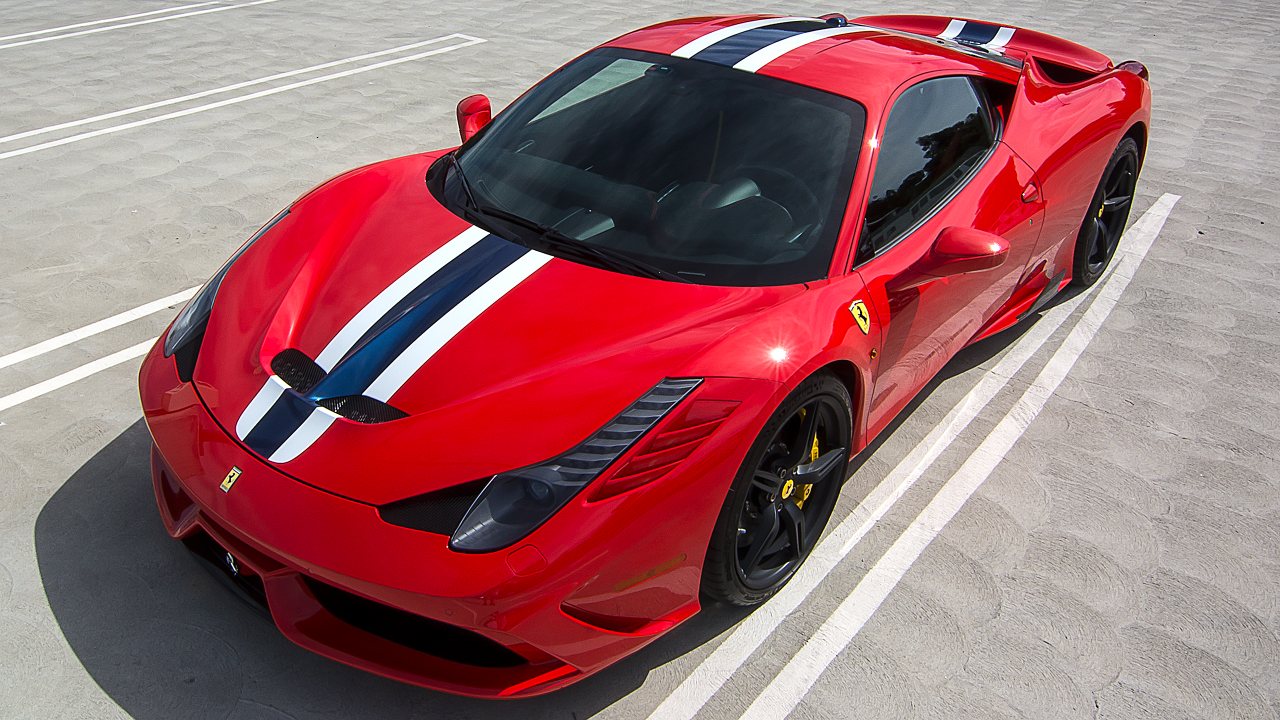
Modern Ferraris were supposed to be the safe bet, the cars you bought new, tucked away, and watched climb in value. Instead, a growing slice of the market is quietly proving that only a handful of recent models were truly worth hoarding, while others have slipped into the realm of fast-depreciating toys. The cars collectors now wish they had kept are the ones that bridged old-school drama and new-era tech, often built in small numbers and shaped by turning points in Ferrari history.
As values for older icons surge and the broader supercar market matures, the spotlight has swung to a specific group of “modern” Ferraris that already feel like tomorrow’s blue-chip classics. I see the same pattern across auctions, private collections, and specialist analysis: limited production, clear historical significance, and a driving experience that still feels raw are what separate the cars owners regret selling from the ones that quietly sink on the open market.
The market reality: not every new Ferrari is an investment
For years, the default assumption was that any new Ferrari would eventually pay for itself in appreciation, but that belief has been steadily eroded. Detailed analysis of the open market shows that modern cars with high production numbers and heavy tech are no longer automatic tickets to profit, especially when compared with other “More Attractive Investment Cars” available to collectors. When a car is built in large volumes, loaded with electronics, and quickly superseded by a faster, more digital successor, it behaves more like a luxury appliance than a long-term store of value.
At the same time, values for older machines have been climbing sharply, which sharpens the contrast. Some Ferraris from previous eras have as good as doubled in value in a short span, while even everyday classics like the MGB have ridden a wave of collector enthusiasm. When I look at that backdrop, it is clear why a new, mass-produced model with no clear historical hook struggles to stand out. The modern Ferraris that owners now wish they had kept are the ones that broke rules, marked turning points, or were built in numbers small enough to stay special.
Turning points in Maranello: from last analogs to first hybrids
Every generation has a car that quietly becomes the “last of its kind,” and in Ferrari’s mid-engined V8 lineage that role has fallen to the 458 Speciale. Within Ferrari, the Speciale is widely recognized as the peak of the naturally aspirated era before the shift to turbo and hybrid power. It combines a screaming engine with minimal filters between driver and road, which is exactly the recipe collectors chase once the brand moves on to quieter, more complex technology. Owners who treated the Speciale as just another fast option, rather than a watershed, are now watching it harden into a reference point for pure driving feel.
On the other side of the timeline sit the cars that marked Ferrari’s first serious steps into electrification. The 296 GTB, for example, introduced a new powertrain layout that blended a compact V6 with hybrid assistance, and analysis of that car notes that When Ferrari designs a model like this, it is not just dropping a new engine into an old template. It is redefining how the brand will build mid-engined cars for years to come. I see the 296 GTB as the mirror image of the 458 Speciale: one closes the book on a naturally aspirated chapter, the other opens a hybrid one. Both sit at inflection points, and history tends to reward cars that can be clearly pinned to a “before and after” moment.
Limited numbers, lasting regret: the cars that sold out too soon
If there is one rule that still holds in Maranello, it is that scarcity matters. Ferrari has long followed a strategy of building limited-edition models that often sell out before production even begins, and that approach is central to how values behave later. When a car is capped at a few hundred units and offered only to favored clients, it is almost guaranteed to be under-supplied once the wider world realizes what it represents. Owners who flipped those cars early for a quick gain often discover, a few years later, that they traded away a long-term cornerstone.
The pattern is easy to see in the way collectors talk about their own garages. In one prominent private collection, the owner secured a place for a hypercar limited to exactly 499 units, along with a new 458 Speciale, and made it clear he did not want to sell anything. That instinct to hold, rather than churn, is exactly what separates the collectors who sleep well from those who spend years trying to buy back into cars they once owned. The same logic applies to obscure anniversary specials, like the Ferrari J50 and other regional commemorative models that were built in tiny batches and quietly disappeared into private hands. They rarely made headlines when new, but their rarity and bespoke character now make them exactly the sort of cars people wish they had not dismissed as curiosities.
The “modern classic” sweet spot: raw, focused, and already coveted
Between the analog icons of the 1980s and the tech-heavy hypercars of today lies a sweet spot that the market is only just starting to fully price in. Some commentators describe the 1980s as both the last decade of the classic and the first decade of modern Ferrari, a period when the brand was defined by electronics and turbocharged engines without losing its edge. That transition set the template for what I think of as “modern classics”: cars that have fuel injection, ABS, and serious performance, but still feel mechanical and demanding in a way newer models often do not.
Within that band, a handful of track-focused specials stand out as the ones owners most regret letting go. The Ferrari 360 Challenge Stradale, for instance, took the standard 360 Modena and turned it into a lightweight, race-inspired machine with carbon ceramic brakes, an F1-style paddle-shifted transaxle, and a re-tuned 425 horsepower V8. Finished examples like the Tour de France Blue car over Nero with Rosso-trimmed carbon seats show how much attention went into making the Challenge Stradale feel special even at a standstill. When I look at how few were built relative to the broader 360 M production, and how single-minded they are to drive, it is no surprise that they have become darlings of collectors who want something raw but usable.
From F430 Scuderia to 488 GTB: the turbo era collectors misread
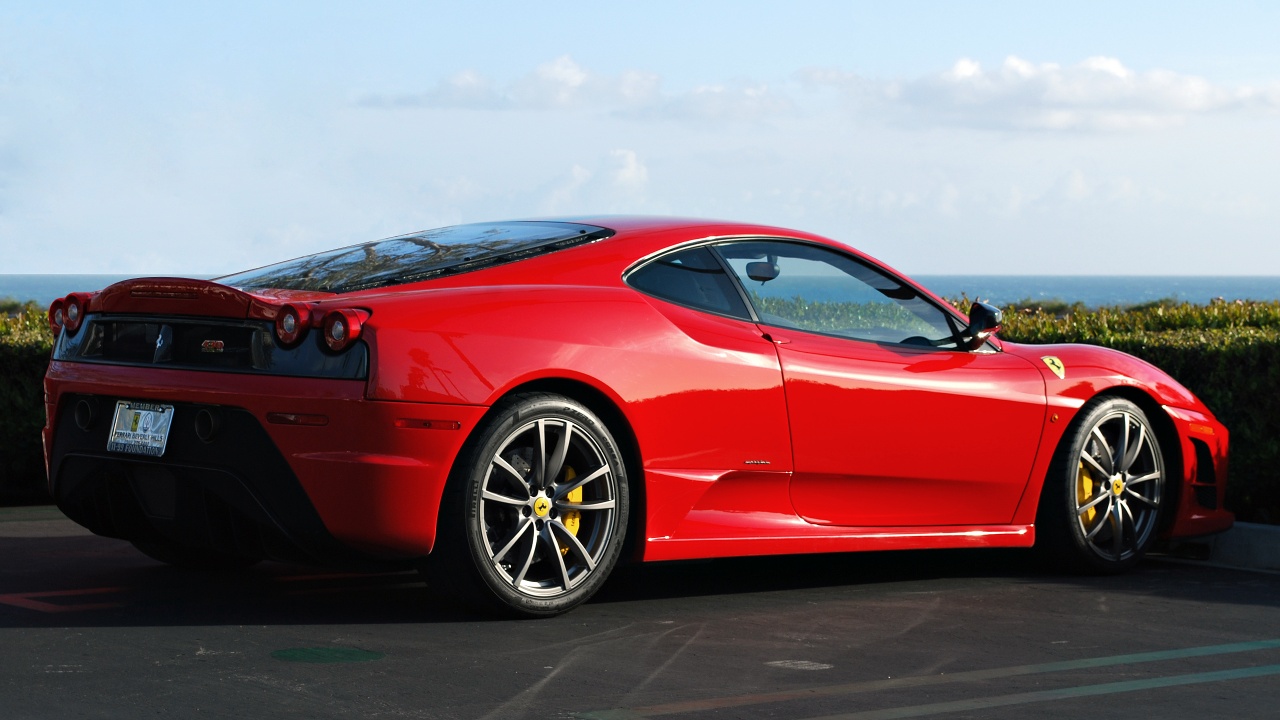
The same formula of lighter weight and sharper focus carried into the next generation with the F430 Scuderia and its associated upgrades. Owning a Ferrari has always been about more than transport, and the Scuderia Kit built around that car leans into the idea that this is an exclusive club of enthusiasts chasing the pinnacle of performance. The F430-based specials sit at a crossroads: modern enough to be reliable and fast on any road, yet still naturally aspirated and visceral. Owners who traded them in for the next big thing often find that the newer car is quicker but less memorable, while the Scuderia’s reputation only grows.
That shift became even more pronounced when Ferrari replaced the 458 Italia with the 488 GTB. In a widely shared first look, First Look coverage highlighted how Ferrari gave the 458 Italia’s successor, the 488 GTB, a turbocharged engine and modern-day features, turning the 488 G into a showcase of new-era performance. The 488 GTB is objectively faster and more efficient, but that very polish is what makes earlier cars like the 458 and its Speciale variant feel irreplaceable. When I talk to collectors, the regret usually runs in one direction: they sold the last naturally aspirated V8s to get into the turbo generation, only to realize later that the market prized the older cars’ character more than the newer cars’ speed.
How collectors now choose: character over spec sheets
All of this plays out against a broader shift in how enthusiasts think about “modern” Ferraris. Some buyers still chase the newest, most powerful model, but the more seasoned collectors I encounter are increasingly selective. They look for cars that either close a chapter, like the last naturally aspirated mid-engined V8s, or open a new one, like the first serious hybrids. They pay attention to whether a car was built in limited numbers, whether it has a clear motorsport link, and whether it feels distinct from what came before and after. That is why models such as the Ferrari Challenge Stradale are already being discussed alongside other modern supercars, like the Lamborghini Gallardo Valentino Balboni Edition and the Ferrari Challenge Stradale itself, as future collectibles.
Interestingly, that mindset has also changed how people compare new Ferraris to older ones. Some enthusiasts openly say they would rather buy classic models like the Ferrari F40 or a 250 GT Berlinetta Lusso than the latest SF90, arguing that the older cars offer a deeper connection and a clearer story. In one analysis, the argument is framed simply: Here, the choice is not about lap times but about what you want to live with and look at for decades. When I put all of these threads together, the lesson for anyone eyeing a modern Ferrari is clear. The cars you will wish you had kept are not necessarily the newest or the fastest. They are the ones that tell a story about where Ferrari was heading, or where it chose to stop and savor a moment, before the next revolution arrived.