Hybrid SUVs promise to deliver the best of both worlds: the efficiency of an electric vehicle with the range of a traditional gas engine. However, not all hybrid SUVs live up to this promise. Some models, despite their hybrid label, fall short in various areas, making them questionable choices for consumers. Here’s a look at nine hybrid SUVs that might leave you scratching your head.
Inadequate Electric Range
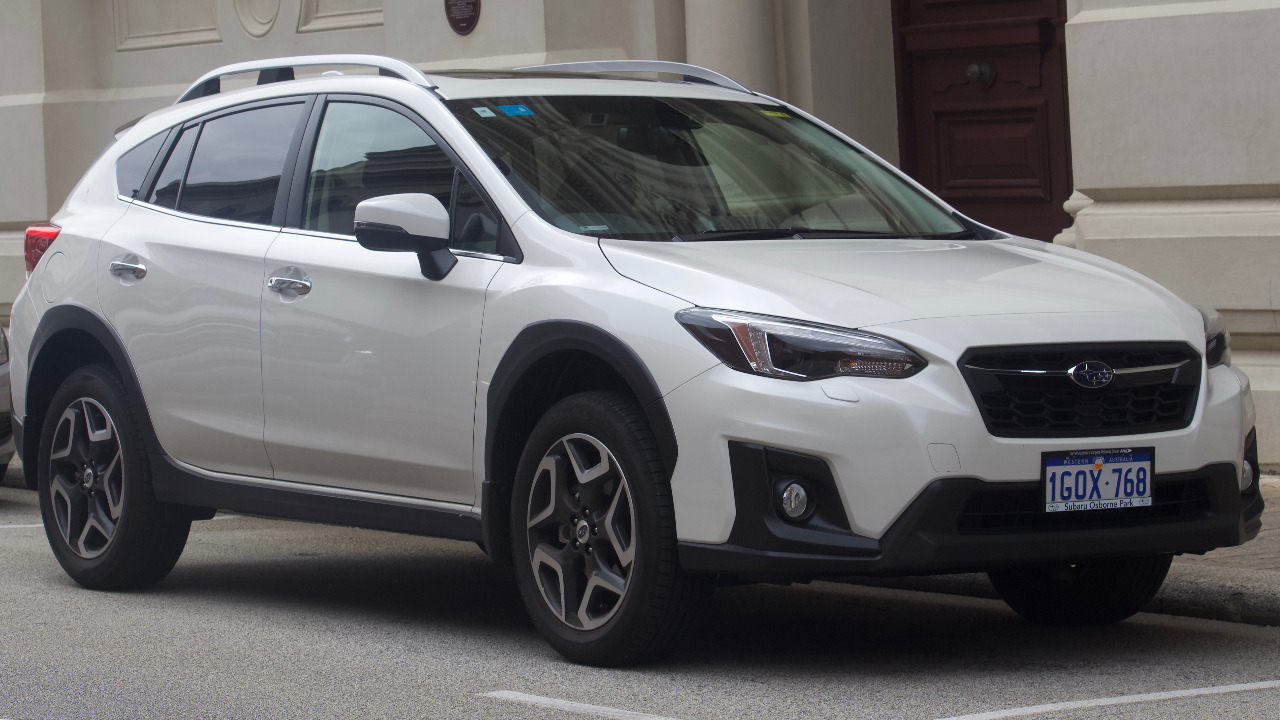
One of the main selling points of a hybrid SUV is its electric range, but some models disappoint in this regard. For instance, the 2023 Subaru Crosstrek Hybrid offers only 17 miles of electric range. While this might be sufficient for short commutes, it pales compared to other hybrids in the market. The limited range often forces drivers to rely on the gas engine more frequently than they might expect.
Consumers looking for a hybrid SUV might be better off considering models like the Toyota RAV4 Prime, which offers a more robust electric-only range. Unfortunately, not all manufacturers prioritize electric range, leaving some hybrid SUVs less appealing in terms of eco-friendly driving.
Compromised Cargo Space
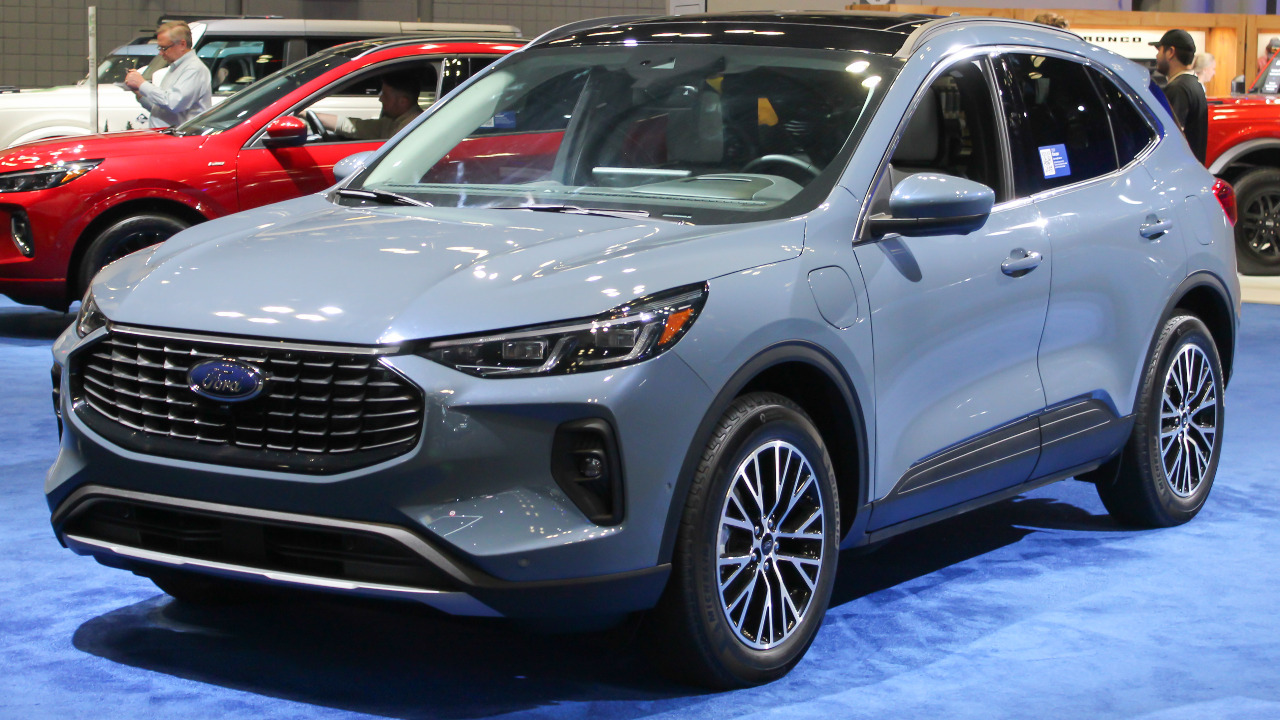
One major downside to some hybrid SUVs is the limited cargo space. The hybrid components, including batteries, often take up valuable room, making these vehicles less practical for families or those with active lifestyles. Take the 2023 Ford Escape Hybrid, for example. While it offers impressive fuel efficiency, its cargo space is significantly reduced due to the battery pack placement.
Potential buyers should weigh the importance of cargo space against the benefits of hybrid technology. If practicality is a priority, it might be worth exploring other options or waiting for advancements in hybrid design that better integrate these components.
Overly Complex Infotainment System
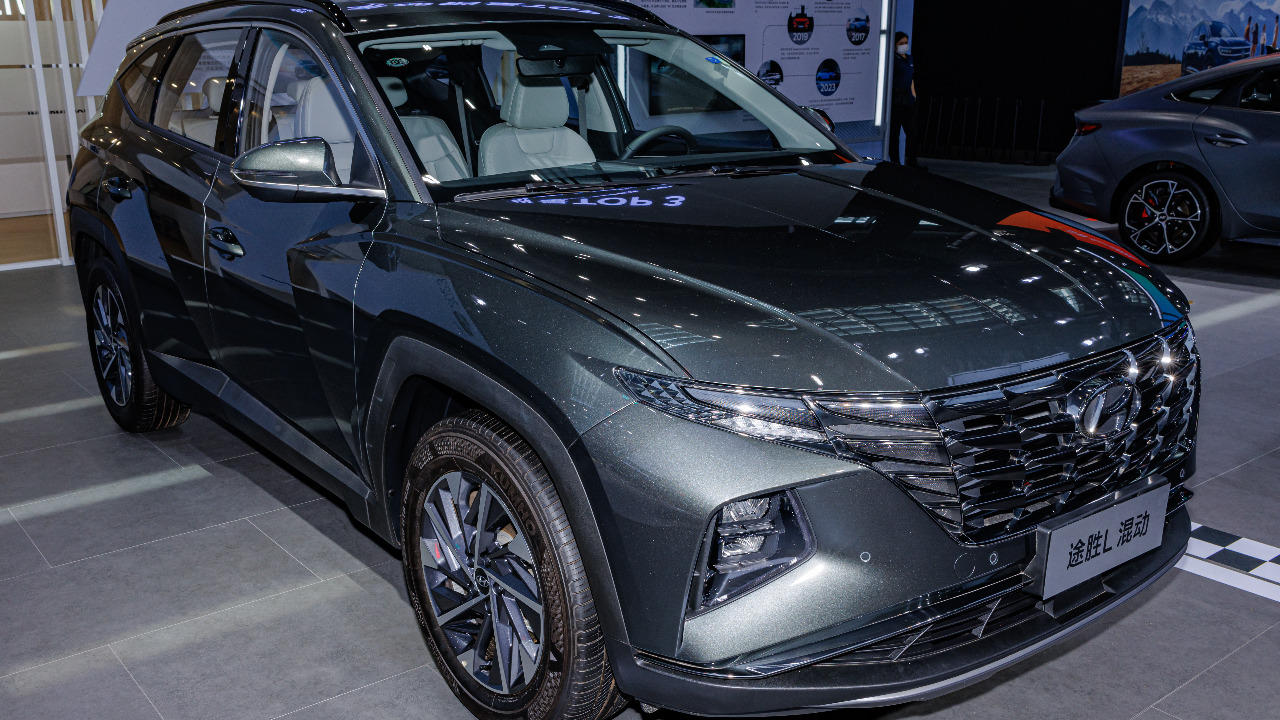
Technology in vehicles is meant to enhance the driving experience, but an overly complex infotainment system can have the opposite effect. Some hybrid SUVs, like the 2023 Hyundai Tucson Hybrid, feature systems that are not user-friendly. Drivers often find themselves frustrated with complicated interfaces and unintuitive controls.
It’s essential to test out the infotainment system during a test drive. A system that requires too much attention can be a distraction, which is something no driver wants. Researching user reviews and tutorials on platforms like YouTube may also provide additional insights into the usability of these systems.
Unimpressive Fuel Economy

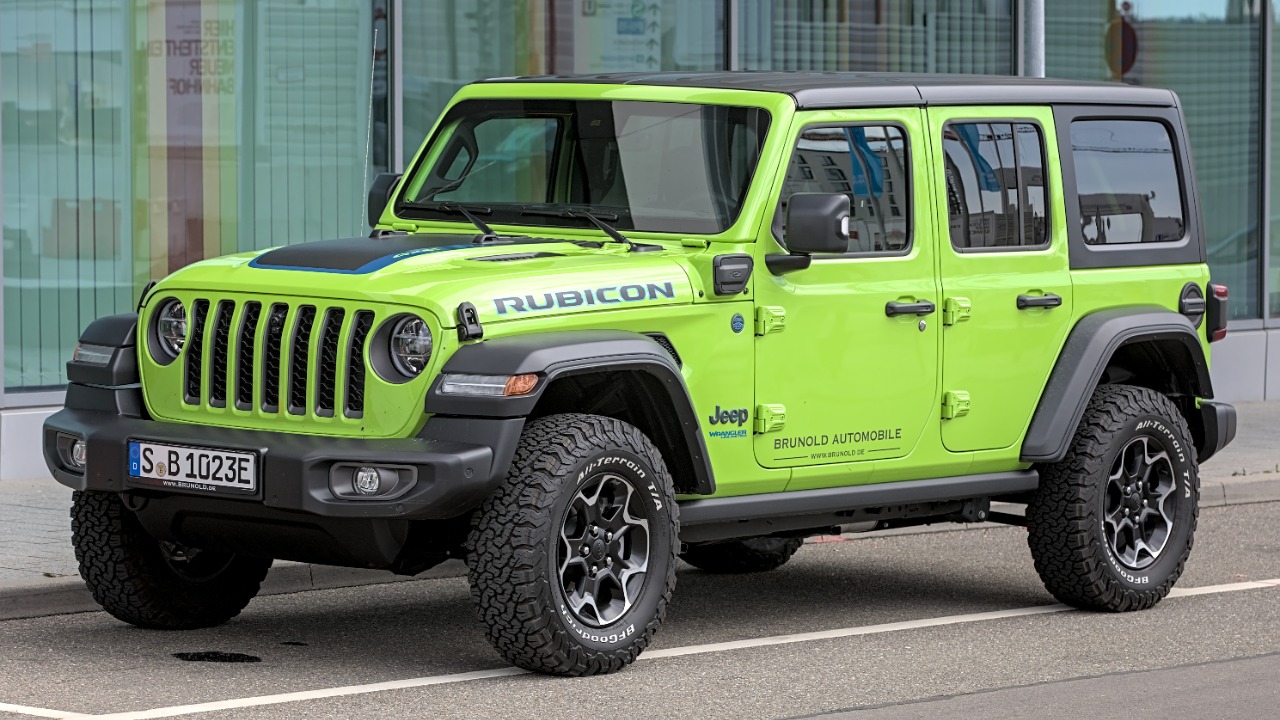
Surprisingly, not all hybrid SUVs deliver on the promise of exceptional fuel economy. The 2023 Jeep Wrangler 4xe, for example, has been criticized for its underwhelming gas mileage. While the electric motor helps in city driving, the overall fuel economy doesn’t drastically improve over the non-hybrid version.
Buyers should be cautious and compare the fuel economy ratings of hybrid SUVs against traditional models. Some might find that the savings at the pump are not as significant as expected, especially when considering the higher upfront cost of the hybrid variant.
High Maintenance Costs
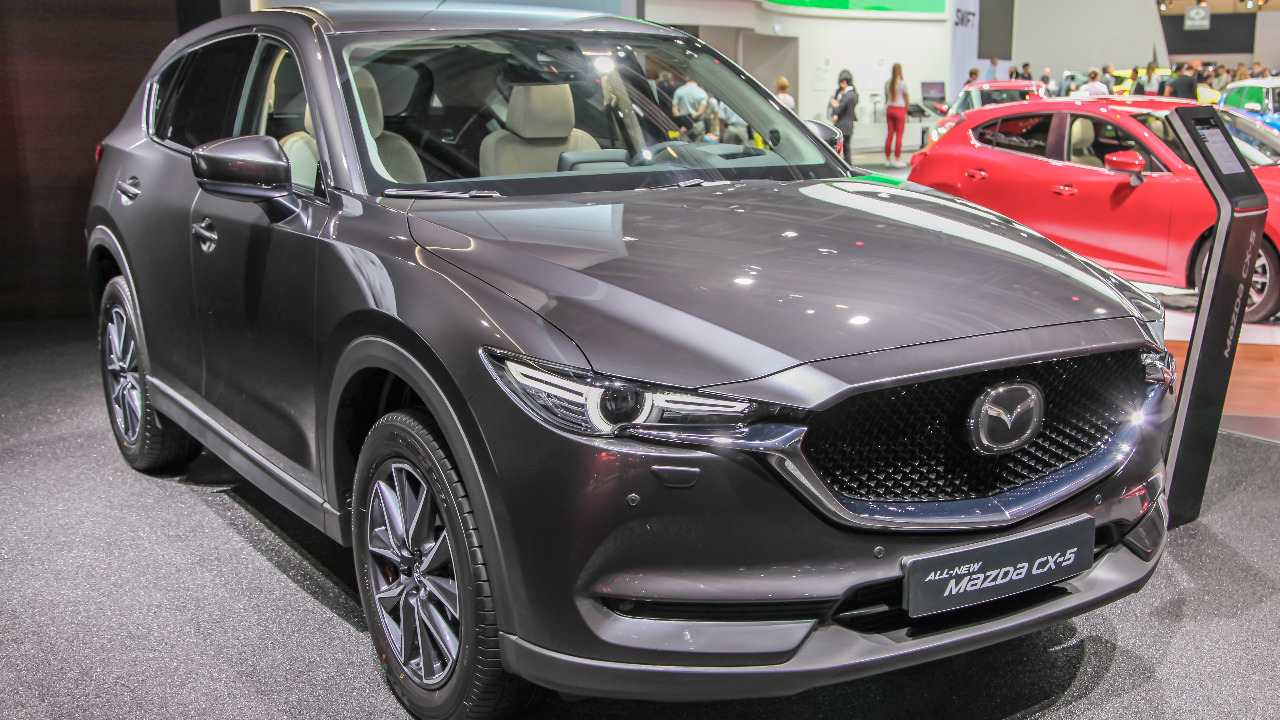
Maintenance costs are an often-overlooked aspect of owning a hybrid SUV. Vehicles like the Mazda CX-5 Hybrid can incur higher maintenance expenses due to their complex hybrid systems. Specialized components and the need for trained technicians can lead to costly repairs.
Potential buyers should factor in these costs when considering a hybrid SUV. It’s crucial to understand the long-term financial implications, including the warranty coverage and availability of service centers that can handle hybrid repairs.
Lackluster Performance
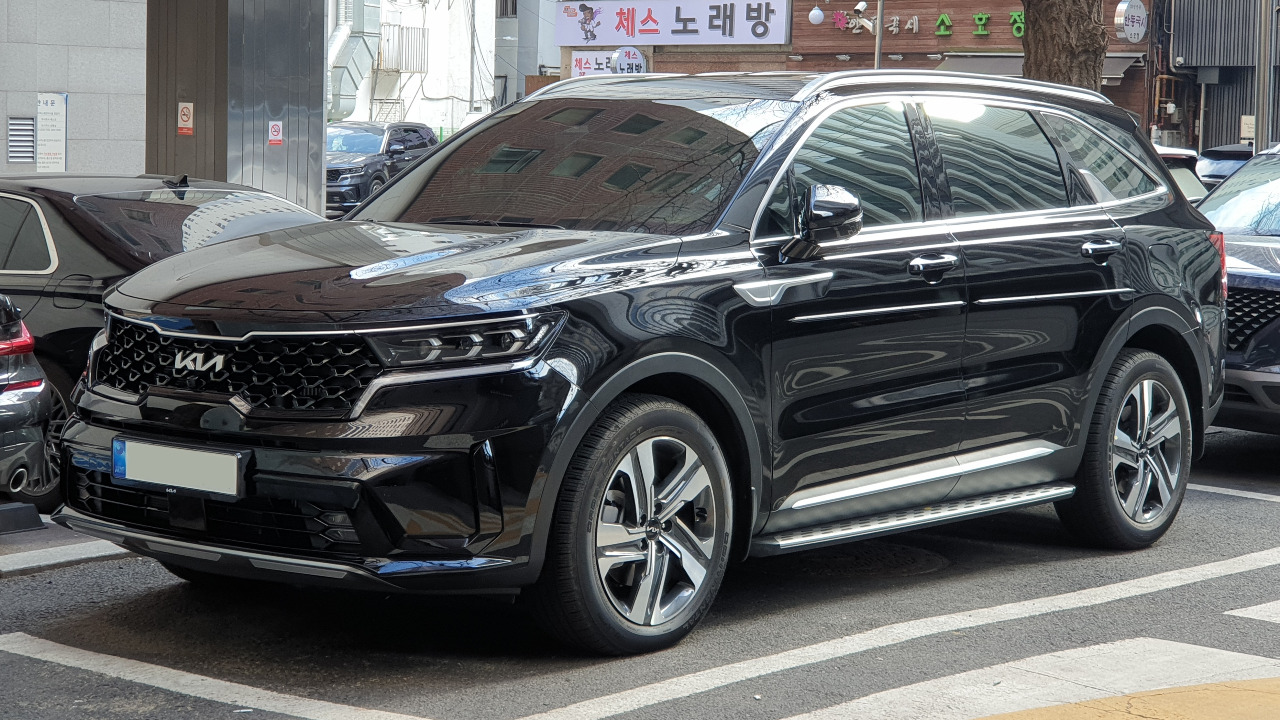
Performance enthusiasts might find hybrid SUVs underwhelming. Some models, like the 2023 Kia Sorento Hybrid, prioritize efficiency over performance, resulting in a driving experience that lacks excitement. The combination of a smaller engine with an electric motor often means slower acceleration and less overall power.
If performance is a priority, consumers might want to look into other options or consider plug-in hybrid variants that typically offer more horsepower. It’s always a good idea to take a test drive to ensure the hybrid SUV meets your driving expectations.
Questionable Reliability
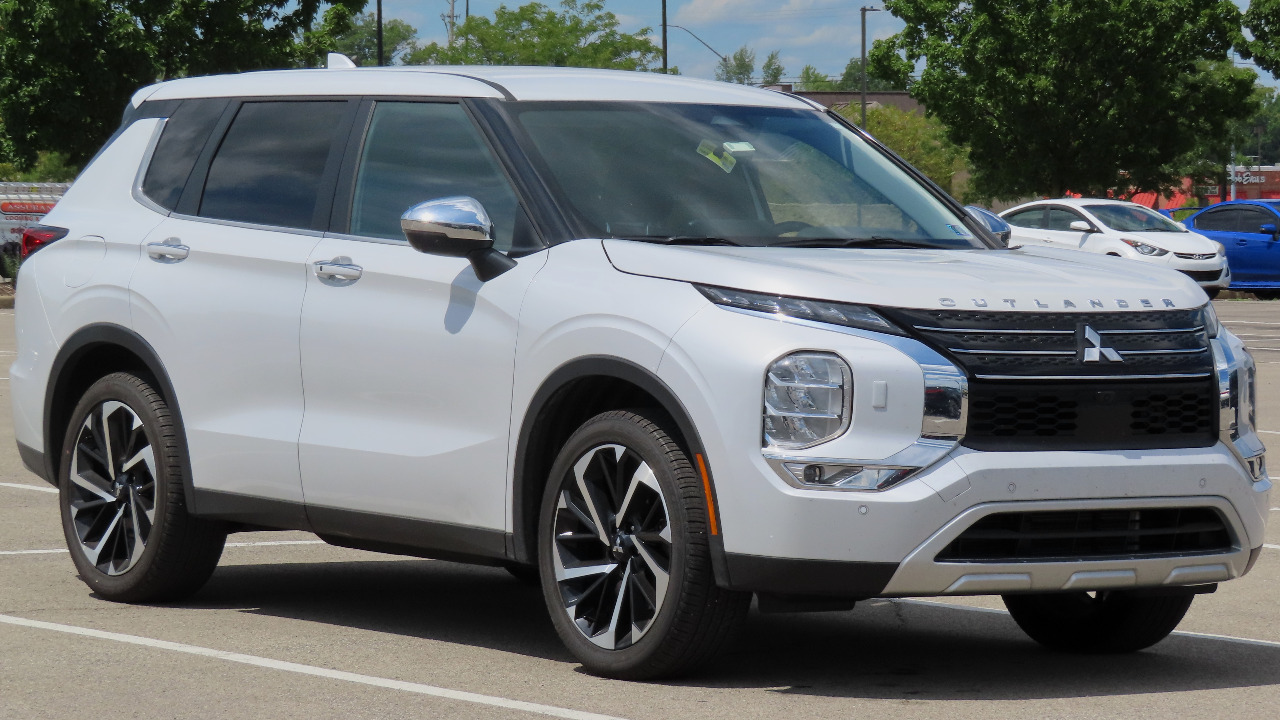
Reliability is a key concern for any vehicle owner, and hybrid SUVs are no exception. The additional complexity of hybrid systems can lead to potential reliability issues over time. Models like the 2023 Mitsubishi Outlander PHEV have faced criticism for their reliability, leaving owners concerned about long-term ownership.
Before purchasing, it’s advisable to check consumer reports and reviews. Websites like Edmunds provide valuable insights into the reliability of hybrid SUVs, helping buyers make informed decisions.
Excessive Weight
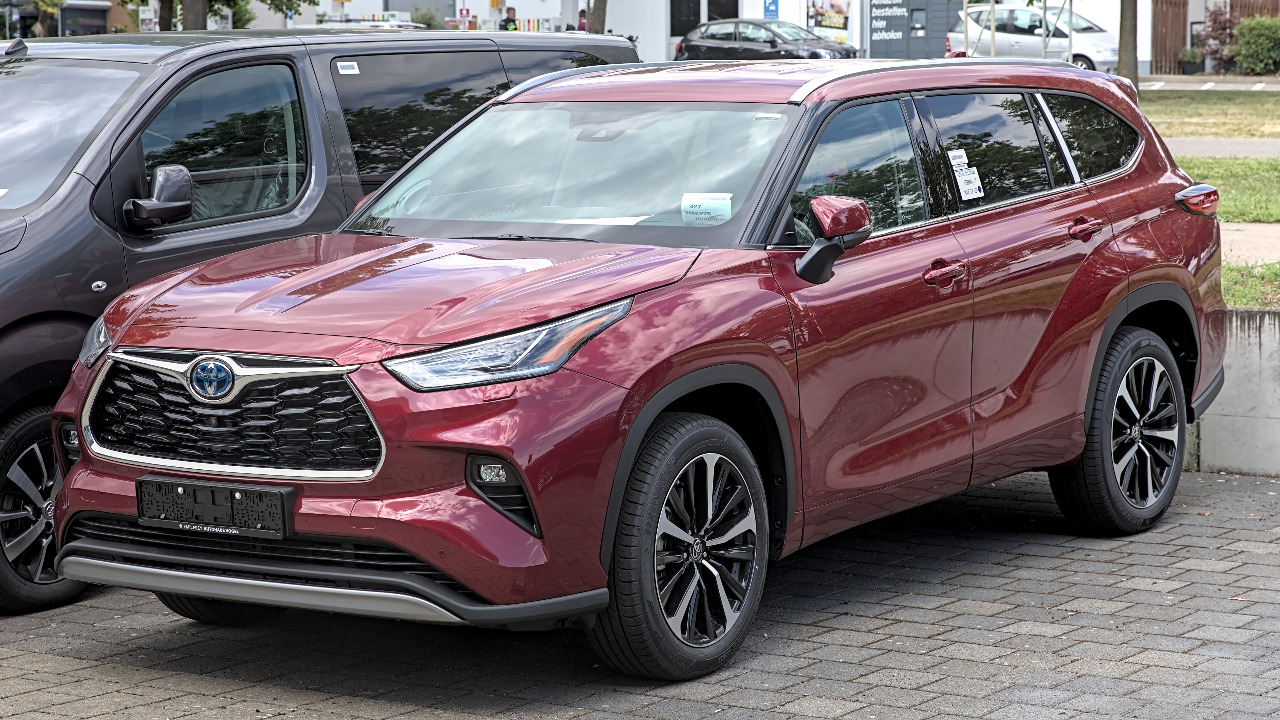
Another drawback of some hybrid SUVs is their excessive weight. The added components of the hybrid system contribute to a heavier vehicle, which can impact handling and efficiency. The 2023 Toyota Highlander Hybrid, for instance, is considerably heavier than its non-hybrid counterpart, affecting its agility.
It’s important for buyers to consider how the additional weight might influence their driving experience. Those who frequently drive in urban settings or require a nimble vehicle might find the heavier hybrid models less appealing.
Limited Availability
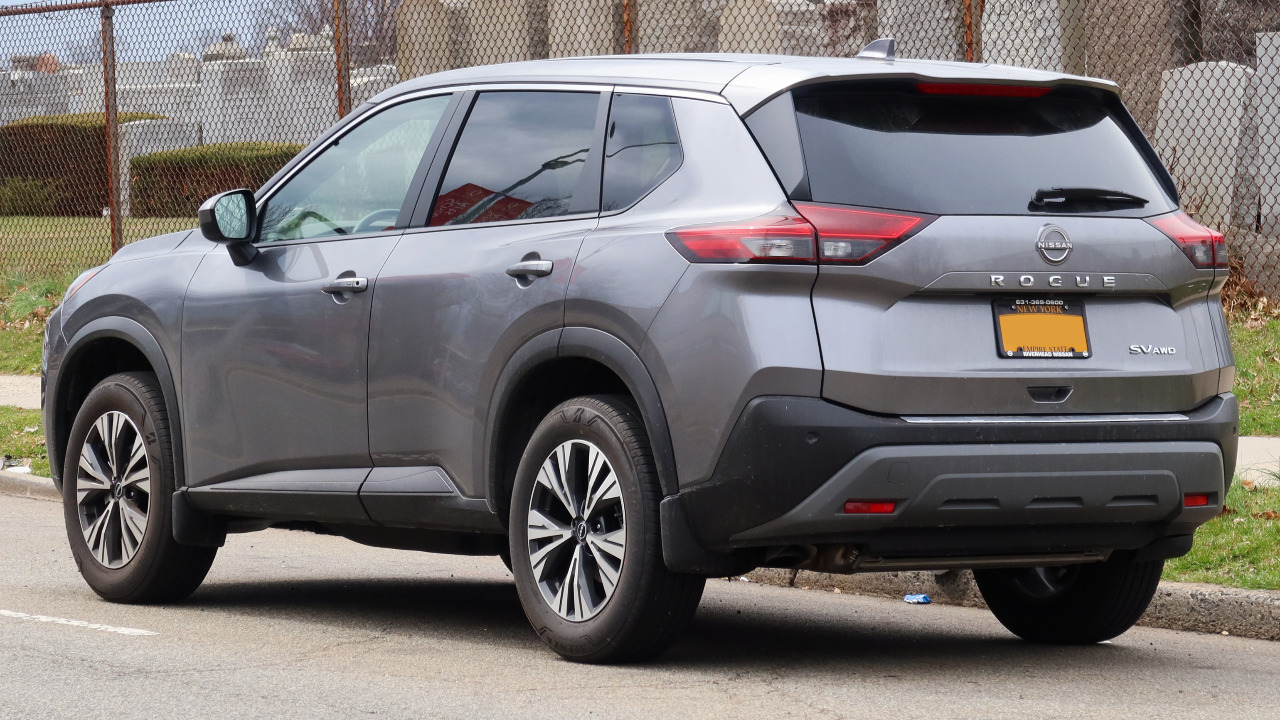
Despite the growing popularity of hybrid SUVs, some models are still hard to come by. Limited production or regional availability can make it difficult for interested buyers to get their hands on certain vehicles. The 2023 Nissan Rogue Hybrid, for example, has been noted for its limited availability in certain markets.
For those set on a specific hybrid model, it may require patience or a willingness to travel to find the desired vehicle. Keeping an eye on market trends and exploring alternatives might help in navigating this challenge. For more insights, check out this AOL article discussing the hybrid SUV market.
Like Fast Lane Only’s content? Be sure to follow us.
Here’s more from us:
- All New Trans Am: 10 Things You Need to Know
- The Fastest Farm Truck Ever Built
*Created with AI assistance and editor review.