Hyundai Motor has quietly closed the door on a rare chance to reclaim its former Russian manufacturing base, letting a buyback option on a key auto plant expire. For you as a car buyer, investor, or industry watcher, that decision is a window into how global automakers are redrawing their maps in response to war, sanctions, and shifting demand. Instead of betting on a future return to Russia, Hyundai is choosing to double down on other emerging markets and on rewarding shareholders at home.
The $97 sale that set up a high‑stakes choice
To understand why this buyback lapse matters, you first need to revisit how unusual the original sale was. Hyundai sold its Russian factory for just $97, a symbolic price that reflected both political pressure and the collapse of Western carmaking in Russia after the full‑scale invasion of Ukraine. That deal included a two‑year buyback clause, giving Hyundai a theoretical path to reclaim the plant if conditions improved, a rare safety valve in a market where many rivals simply walked away.
The buyer, local firm Art Finance for, paid 10,000 rubles, which the company valued at $130, underscoring how little financial value remained once geopolitical risk was priced in. Hyundai Motor exited the Russian market at the end of 2023 as part of that transaction, effectively mothballing its local ambitions while keeping a legal string attached. For you, that structure looked like a hedge: if the war in Ukraine eased and sanctions loosened, Hyundai could, in theory, buy back a modern plant on the cheap and restart production.
Why Hyundai let the buyback window close
When the time came to decide, Hyundai Motor chose not to pull that lever. The company did not exercise its option to buy back the Russian auto factory, a move that people close to the decision linked directly to the continuing war in Ukraine. From your vantage point, that signals that the company sees political and operational risks in Russia as not just temporary turbulence but a structural barrier to doing business. Re‑entering would mean navigating sanctions, currency volatility, and a market where foreign brands have been replaced or localized under new ownership.
Hyundai Motor Group has been explicit that it is not in a position to repurchase its former manufacturing plant in Russia, framing the choice less as a missed opportunity and more as a necessary retreat. In practical terms, that means the company is writing off the physical asset and the local production footprint, even if it continues to support services for vehicles already on Russian roads. For you as a consumer, it is a reminder that geopolitical risk can reshape where your car is built almost overnight, and that even a carefully negotiated buyback clause can become unusable when the broader environment does not improve.
Becoming the second foreign carmaker to lose Russian assets
By stepping back from the buyback, Hyundai Motor has joined a small but symbolic club. The company has become the second foreign carmaker to lose the right to reclaim its Russian assets, according to reporting by Martin Fornusek. For you, that matters because it shows that even large, globally diversified manufacturers cannot always unwind emergency exits they negotiated at the height of the crisis. Once the window closes, the plant is effectively gone from Hyundai’s balance sheet and strategic toolkit.
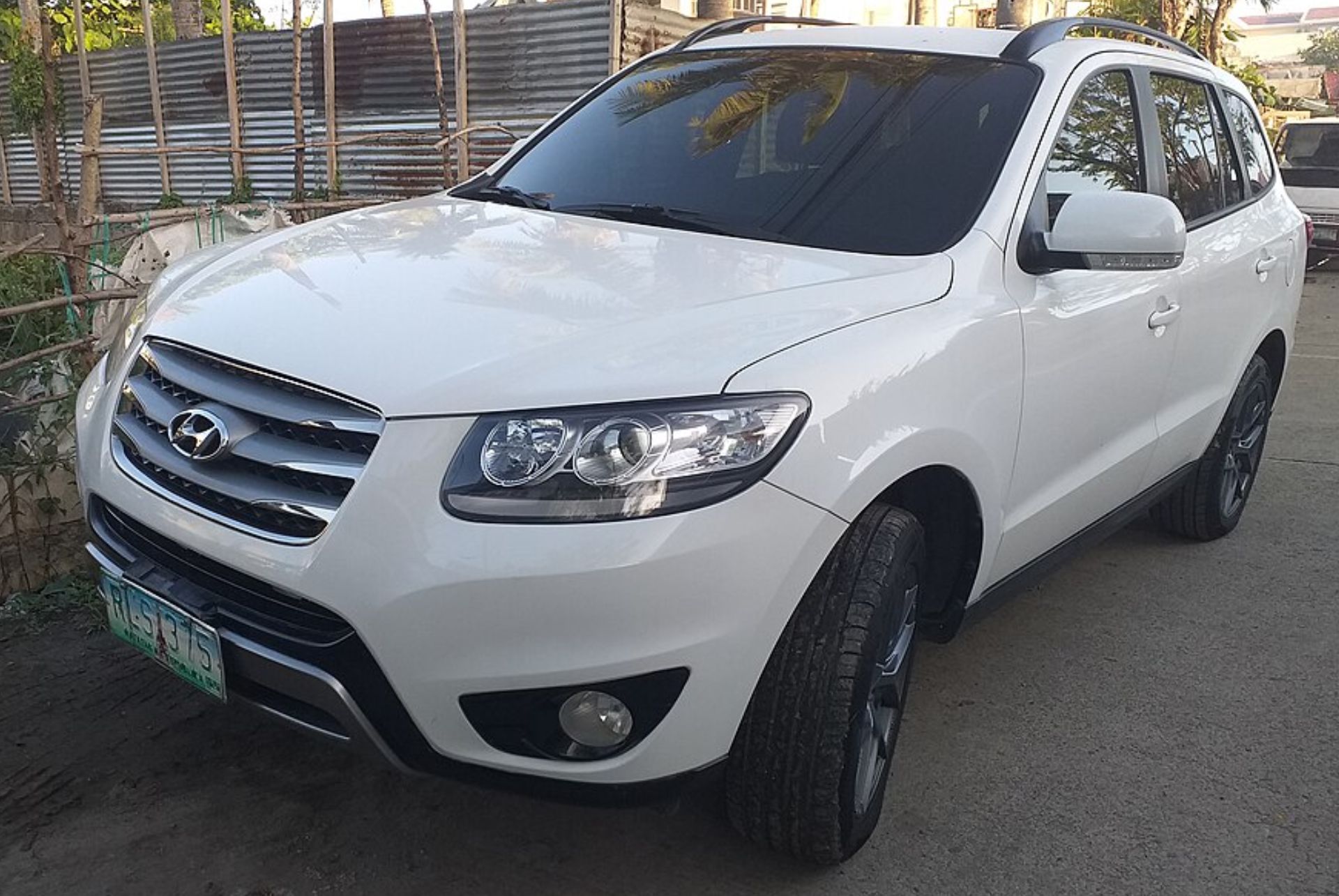
Hyundai has indicated it will continue to provide services for vehicles previously sold in Russia, which means owners of models like the Hyundai Solaris or Creta are not being abandoned overnight. Yet the loss of the factory itself, and the associated right to reclaim it, cements a broader shift in how foreign manufacturers view the Russian market. If you are tracking global supply chains, this is one more data point that Russia is moving from a growth story to a legacy obligation, with companies focusing on after‑sales support rather than new investment or local production.
From Russian retreat to emerging‑market pivot
Hyundai is not simply shrinking its global footprint; it is reallocating it. After letting the Russian plant buyback lapse, the company has been shifting its emerging market focus toward India and Southeast Asia, where demand for compact SUVs and affordable EVs is still climbing. Reporting on Hyundai’s strategy notes that the group is steering capital and management attention to these regions as other foreign manufacturers have scaled back operations in Russia, effectively swapping one set of risks for another but with better growth prospects.
For you as a buyer, that pivot is likely to show up in more localized models and capacity in places like Chennai or Indonesia rather than in St. Petersburg. Hyundai’s emerging‑market playbook leans on flexible platforms that can support both internal‑combustion cars like the Hyundai i20 and electric models such as the Ioniq 5, tailored to local tax regimes and charging infrastructure. By concentrating investment where the regulatory environment is more predictable and the consumer base is expanding, Hyundai is betting it can offset the loss of Russian volume with stronger positions in markets that are still open to global capital and technology.
Shareholder rewards and the cost of walking away
Letting go of a factory is not just a geographic decision; it is also a financial and political one inside the company. Hyundai Motor Group has paired its Russian exit with a promise of aggressive capital expenditure and a more generous share reward program, a combination that helped lift its stock by about 7 percent after the strategy became clear. The group’s leadership has framed the choice to drop the buyback option as consistent with a broader push to invest in electrification and software while returning more cash to investors, a stance that has been detailed in coverage of Hyundai Motor Group.
From your perspective as a shareholder or analyst, the message is that capital once tied up in a risky Russian asset will instead support global R&D, new plants in friendlier jurisdictions, and dividends or buybacks. The company is effectively telling you that the opportunity cost of staying exposed to Russia is higher than the potential upside of a future recovery there. That may feel counterintuitive if you remember the days when Russia was touted as a core BRIC market, but in the current environment, it aligns Hyundai with a broader investor preference for political stability and clear rules over sheer market size.
More from Fast Lane Only