It’s the kind of thing you do on autopilot: you’re running late, the service desk is closed, and the shop has that handy after-hours drop box for keys. You fill out the little envelope, jot your number, drop the keys in, and walk away feeling oddly responsible. Then you get a call the next morning that makes your stomach do a small backflip: “We don’t have any record of your keys.”
This scenario is popping up more often in customer complaints and reviews, especially as shops juggle staffing shortages, busy schedules, and a steady stream of cars getting dropped off outside regular hours. Most of the time, the keys aren’t “gone” in the dramatic sense. But when a business can’t immediately locate them—or can’t prove you actually dropped them—things can get messy fast.
A quick errand turns into a mystery
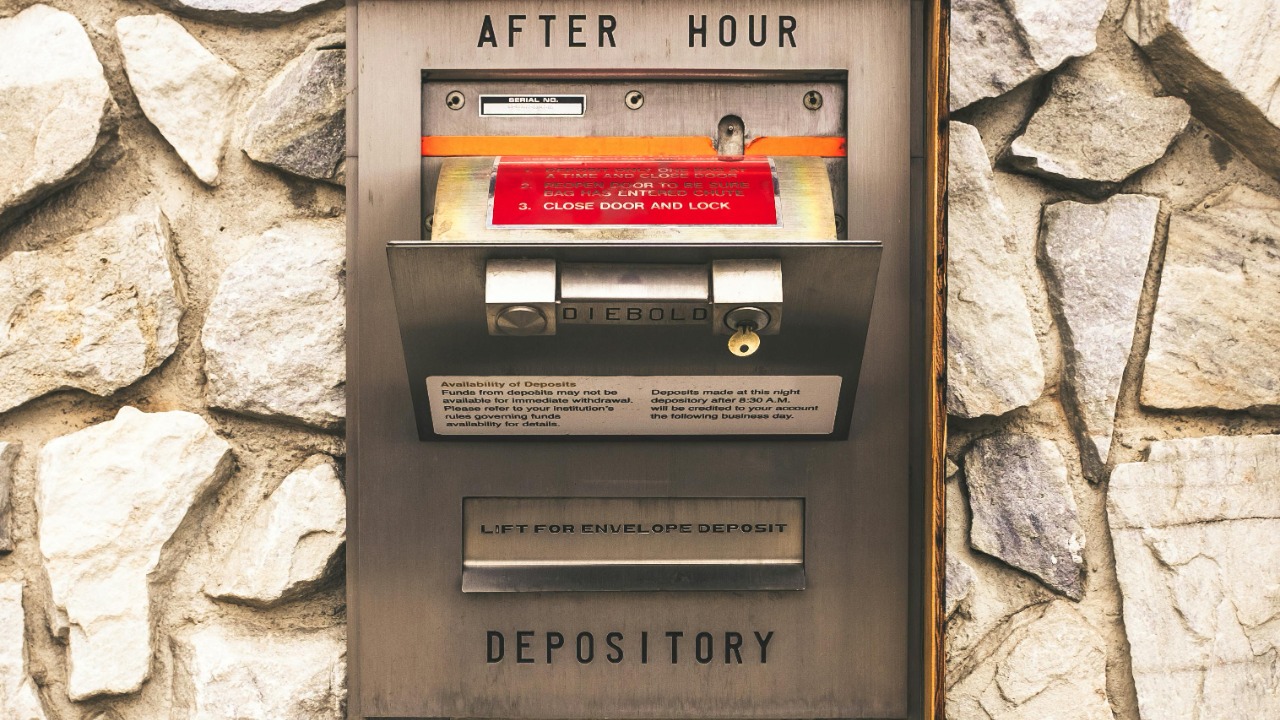
After-hours drop boxes are meant to be simple: a slot, a locked container, and a stack of envelopes. Some shops ask you to clip the keys inside the envelope, fill out vehicle info, and maybe sign a basic authorization. Others use digital check-in links, but still rely on the physical key drop to make the whole thing real.
The trouble is, “simple” doesn’t always mean “traceable.” If a shop’s system depends on employees collecting envelopes in the morning and manually entering details, there’s a window where your keys exist in limbo. And if anything breaks in that chain—an envelope isn’t filled out clearly, keys fall out, a box isn’t secured, a staff member is new—it can look like you never dropped them at all.
What “no record” usually means (and what it doesn’t)
When a shop says there’s “no record,” they might mean no one has logged your drop-off into their system yet. That’s very different from “we don’t have your keys,” but the phrasing tends to land like a brick. Often, it’s a paperwork gap: the envelope is there but hasn’t been processed, or the info is smudged, incomplete, or entered under the wrong name.
It can also be something oddly mundane, like keys getting separated from the envelope. Some drop boxes have a chute that can snag, especially if the envelope is bulky or the key fob is large. If the keys slip out, they may fall into the bottom of the box or behind an inner panel, and the morning crew only sees a lonely envelope with nothing attached.
And yes, sometimes the worst-case fear creeps in: theft or loss. It’s rarer than the internet makes it sound, but it’s not impossible. That’s why the next steps matter—because you’re not just trying to “find keys,” you’re trying to establish a timeline and responsibility.
The first 30 minutes after that call
If you get the “no record” call, try to keep the conversation calm but specific. Ask them to physically check the drop box again, including the bottom and any inner compartments, while you’re on the phone. It’s not pushy; it’s practical, like asking someone to check the fridge again when you know the milk is in there.
Next, ask what time the drop box was last emptied and who emptied it. If they have cameras, ask whether the drop box area is covered and whether they can review footage from the time you dropped the keys. You don’t need to sound like a detective—just a person who’d like their property accounted for, which is a very normal request.
What you should gather on your side
If you’re reading this thinking, “I wish I’d documented it,” you’re not alone. But even after the fact, you can piece together a lot: your phone’s location history, a timestamped text to a friend, a receipt from a nearby store, or a dashcam clip if you have one. Even a calendar entry can help establish when you were there.
If you took a photo of the envelope before dropping it—or snapped the drop box while you were there—congratulations, you’re the most organized person in the parking lot. If you didn’t, don’t sweat it. The goal isn’t to “win an argument,” it’s to create a clear record of events in case the shop’s internal notes are incomplete.
How shops track drop-offs—and where it breaks
In a perfect world, each envelope gets logged immediately, matched to the keys, and tagged to the vehicle in the shop management system. In reality, morning intake can be a rush: phones ringing, tow trucks arriving, customers lining up, and someone trying to triage everything at once. A single missed step can make your drop-off vanish from the paper trail even if it’s physically sitting in the building.
There’s also the human-factor stuff. A staff member might misread handwriting and file it under the wrong name, or a key tag might get placed on the wrong hook. If the shop uses multiple entrances or has an outdoor drop box and an indoor safe, keys can bounce between areas and temporarily “disappear” during the handoff.
What to ask for, politely but firmly
It’s reasonable to ask the shop to document the situation in writing, even if it’s just an email that says they’re currently unable to locate the keys and are investigating. Ask who your point of contact is and when you should expect an update. A simple timeline—“dropped at 9:15 p.m., box emptied at 7:30 a.m.”—can prevent the story from changing accidentally as shifts rotate.
If the keys remain missing, ask what their process is for lost customer property. Do they have an insurance policy that covers it? Will they pay for rekeying, replacement fobs, or towing to a dealer if needed? You’re not threatening them; you’re asking the exact questions they’d ask if the roles were reversed.
Why replacement keys can get expensive fast
Older metal keys are relatively straightforward. But many modern cars use transponder keys, smart keys, and push-to-start fobs that can cost hundreds of dollars to replace—sometimes more if you need programming, towing, or dealer-only access. And if the keys were paired with your home keys or had identifying tags, the safety concerns multiply.
If you feel uneasy about security, ask the shop whether your keys had identifying information attached and whether they can confirm what was on the key ring. Depending on the situation, you might decide to rekey your home locks or change garage codes. It’s annoying, sure, but it’s less annoying than realizing later that you ignored your gut.
How to protect yourself next time (without becoming a full-time auditor)
If you use a drop box again, take 10 seconds to make the drop-off more traceable. Snap a quick photo of the filled-out envelope next to your keys, and another of the drop box (preferably showing signage). If the shop has a digital check-in link, use it—anything that creates a timestamp helps.
Also, don’t put your full home address on a key tag. It’s surprisingly common, and it’s basically a “free map” if keys go missing. A phone number is usually enough, and if you want to be extra cautious, keep home keys separate from car keys when you’re dropping off for service.
What shops can do better (and some already are)
Many shops are improving the process with numbered, tamper-evident envelopes, secure key safes, and camera coverage focused on drop areas. Some are adding QR-code check-ins that generate an instant confirmation message, which is the drop box equivalent of “your package was received.” It’s not fancy; it’s just good accountability.
And honestly, most service teams want that, too. Nobody enjoys starting the day with missing keys, a stressed customer, and a mystery that eats the entire schedule. A little structure protects everyone—customers, staff, and the shop’s reputation.
If you’re in the middle of this situation right now, the best mindset is: calm, specific, documented. Ask them to re-check the physical box, request a clear timeline, and get updates in writing. Most “no record” cases end with someone finding the keys in a place so obvious that everyone swears it wasn’t there five minutes ago—but you still want a paper trail just in case it’s one of the rare times the story doesn’t wrap up neatly.
More from Fast Lane Only