I dropped my car off for what sounded like the most harmless appointment imaginable: a software update. The service advisor described it the way you’d describe updating your phone—quick, routine, and mostly about fixing small bugs. I grabbed a coffee, answered a couple emails, and figured I’d be back on the road before I could get bored of sitting in the waiting area.
When I picked it up, the car drove fine. Maybe even a little smoother, like it had a fresh haircut. Then I started noticing what wasn’t there anymore—and what was suddenly sitting behind a paywall.
The update itself felt normal… until the pop-ups started
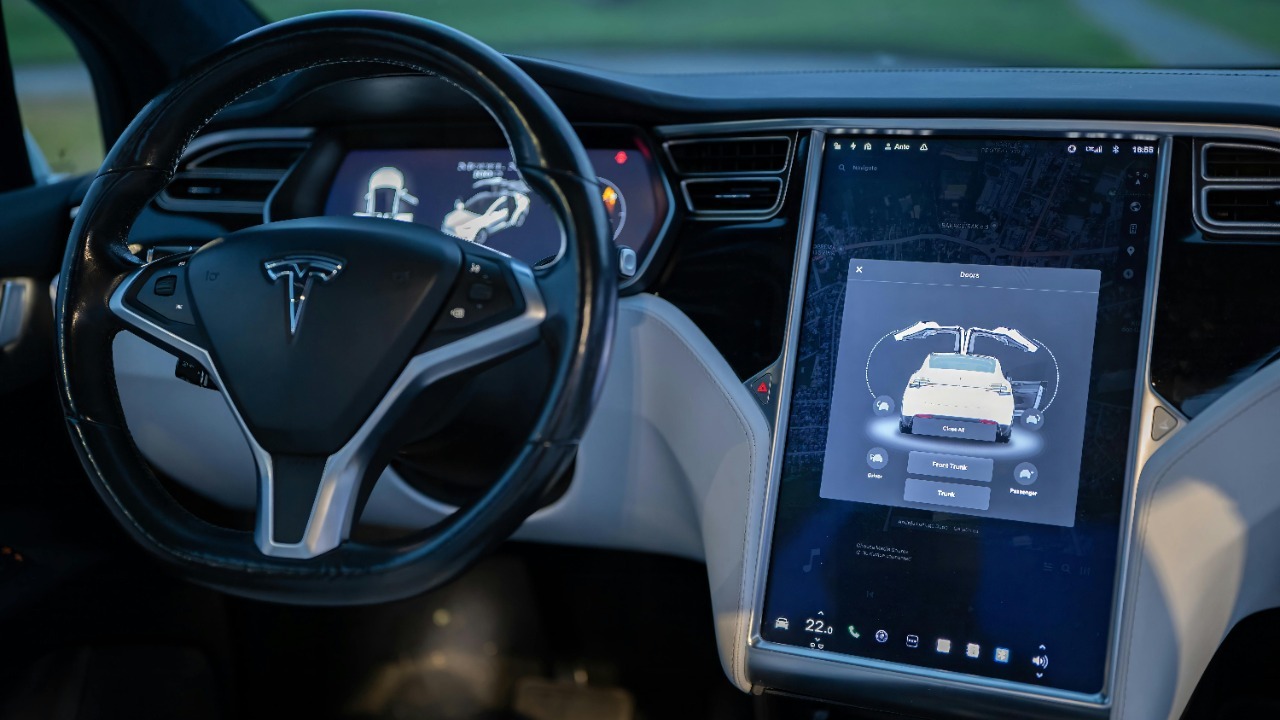
At first, everything seemed business as usual. The infotainment screen looked slightly different, like the icons had been rearranged by someone who “just wanted to tidy things up.” Then, as I pulled out of the lot, a cheerful little prompt appeared: “Activate Premium Comfort Package.”
I assumed it was an optional add-on, like satellite radio trials or those “upgrade to pro” ads you get in free apps. Except the “package” wasn’t some fancy new feature. It was stuff I swear I already had last week.
What suddenly got locked
The big one I noticed immediately was heated seats. It was a chilly morning, I tapped the familiar button, and instead of warmth I got a message that basically said, “This feature requires an active subscription.” I stared at it like the car had just asked me to subscribe to “Steering Wheel+.”
Other features appeared to be “inactive” unless I enrolled: remote start from the app, advanced driver assistance options, and even a more detailed navigation view. Some of it was framed as “new and improved,” which is a clever way of saying, “We moved the old thing into a new box and put a lock on it.” The car didn’t feel broken, exactly—it felt like it was negotiating with me.
At the dealership, the explanations got… squishy
I walked back inside and asked, politely, if something had gone wrong with the update. The service advisor was friendly and calm, the way you’d expect from someone who’s had to explain confusing corporate decisions before lunch. He told me the update “aligned the vehicle’s software configuration with current offerings.”
I asked what that meant in plain English. He said some features are now “subscription-enabled,” and depending on my trim level and activation status, they might require an ongoing plan. He also mentioned trials, bundles, and “digital services,” which is dealership-speak for “this is above my pay grade, but I’m going to try.”
This isn’t just my car—subscriptions are creeping into everything
If you’ve been paying attention, this story probably sounds familiar. Subscriptions have been marching steadily from streaming and gaming into stuff you can actually touch. Printers, doorbells, fitness equipment, and now cars—all of them trying to turn a one-time purchase into a monthly relationship.
Automakers love the idea because it means predictable revenue long after the sale. They’ll tell you it funds ongoing software improvements, security updates, and feature development. That’s not entirely untrue, but it also conveniently turns your car into a rolling app store.
Why a software update can change what you “own”
The uncomfortable part is that modern cars are basically computers with wheels and excellent cupholders. Features that used to be controlled by dedicated hardware—simple buttons connected to simple functions—are now managed by software. And software can be reconfigured, restricted, or reassigned with a few lines of code.
Some cars ship with hardware already installed (like seat heaters or driver-assist sensors), but the manufacturer decides whether you can use it based on licensing. That means the capability is physically in the car, but access is treated like a service. It’s like buying a house with a fireplace and being told you can only use it if you’re on the “Flame Enthusiast” plan.
The fine print most of us don’t read (until we have to)
This is where it gets messy: the difference between what you assume you bought and what the contract says you bought. Purchase agreements, app terms, and connected services policies often include language that lets companies change features, discontinue services, or alter access. Most of us don’t read those documents line by line, because we’re busy living our lives and would like to keep some joy intact.
But after an update, suddenly that fine print isn’t abstract. It’s the reason your heated seat button now behaves like a “subscribe” banner in a mobile game. The feature didn’t break; the permission changed.
Is it legal? Usually. Is it good? That depends who you ask
In many places, it’s likely legal if the automaker can argue the feature was part of a connected services bundle or subject to change under the agreement. And to be fair, there are cases where subscriptions make sense—like real-time traffic data, cellular connectivity, emergency response services, or cloud-based features that genuinely cost money to run.
What feels different is when the “service” is basically permission to use hardware you already paid for. That’s where drivers start feeling like they’re renting their own car in installments. It also raises questions about resale value: if I sell the car, do I sell the features too, or does the next owner get the “basic package” until they start paying?
What drivers can do right now
First, ask the dealership for a written list of what changed in the update and why. Not a vague explanation—an itemized rundown of features that were altered, disabled, or moved into a subscription tier. If they can’t provide it, ask for the manufacturer’s customer support contact and request the same thing directly.
Second, check your original window sticker (or build sheet) and any purchase documents that list included features. If something was advertised as included equipment and is now locked, you may have leverage—at minimum for a complaint, and potentially for escalation through consumer protection channels depending on where you live. Even if it doesn’t turn into a dramatic win, it creates a record, and companies do respond when enough people make noise.
Third, look for settings that let you opt out of trials or marketing prompts. Some systems push “upgrade” messaging more aggressively than others, and while it won’t restore features, it can reduce the constant nudging. And if you’re due for another update, ask what it changes before you approve it—yes, like you’re reading patch notes for a video game, except the stakes are your commute.
The bigger question: what’s a car, now?
For a long time, buying a car meant you owned a machine with a fixed set of capabilities. It might wear out, but it wouldn’t wake up one morning and decide your mirrors were now part of an “Enhanced Visibility” plan. Software has changed that, and the industry is still figuring out where the line should be between a product and a service.
I went in expecting a routine update and walked out with a new understanding of modern car ownership: you can have the hardware and still not have the feature. That’s a strange feeling, especially when it shows up on a cold morning and your seat politely asks for your credit card. If this is the future, it’s going to need better rules—and at the very least, fewer surprises at pickup.
More from Fast Lane Only