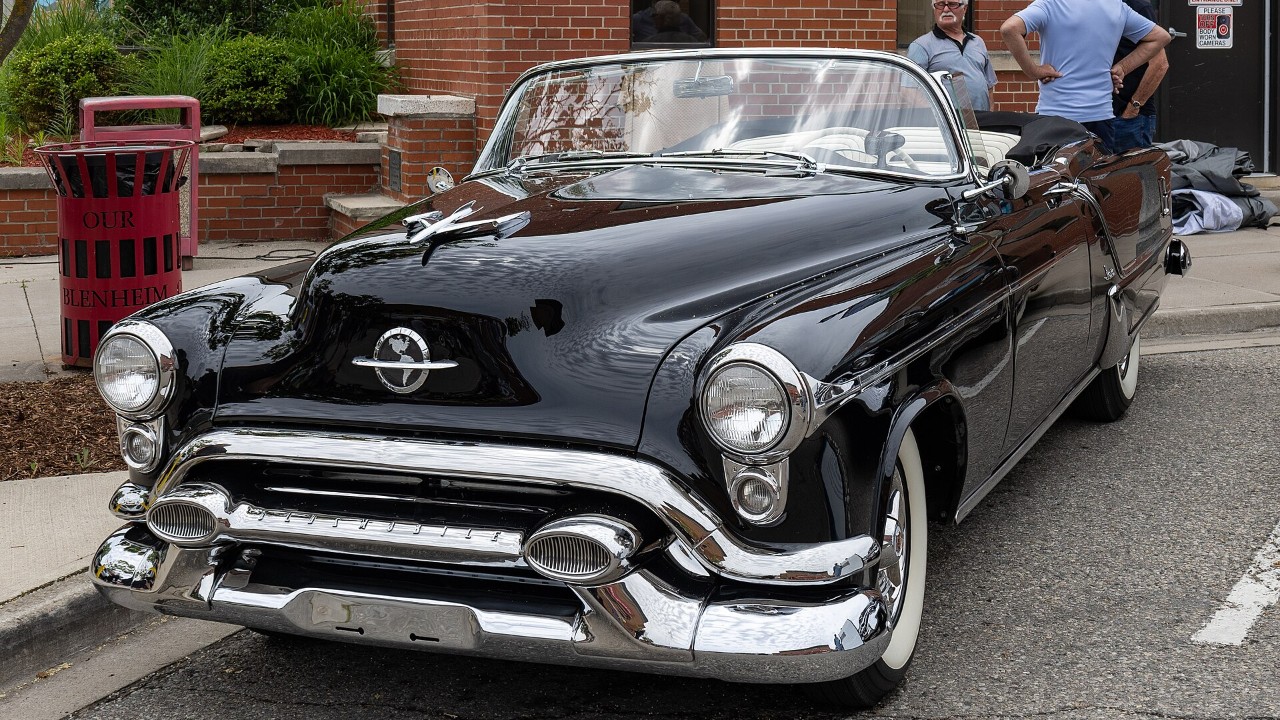
The 1970 Chevrolet Chevelle LS6 arrived at the peak of the muscle car wars, when horsepower numbers were still climbing and manufacturers were competing for dominance on both the street and the drag strip. Even among legendary big-block machines, the LS6 stood out as an almost over-engineered expression of raw American performance that many considered ahead of its time.
Chevrolet pushed the LS6 Chevelle to the edge of factory performance limits
When General Motors developed the Chevrolet Chevelle LS6, the goal was to create a top-tier street performance package capable of dominating rivals in the full-size muscle segment. Built on the Chevelle platform under Chevrolet, the LS6 represented the most extreme factory configuration available for the model year.
At its core was the massive 454 cubic-inch big-block V8 equipped with high-performance internals designed for maximum airflow and torque delivery. Unlike milder street engines, the LS6 was tuned for aggressive acceleration and sustained high-output performance, making it one of the most powerful factory-installed engines of its time. Its reputation quickly spread among enthusiasts who recognized it as a serious step beyond typical showroom muscle cars.
The LS6 engine turned the Chevelle into a quarter-mile powerhouse
The Chevrolet Chevelle LS6 became especially feared in straight-line performance thanks to its immense low-end torque and high horsepower output. In drag racing conditions, it delivered brutal launches that made it one of the quickest factory cars of the era when properly equipped and driven.
Under the engineering direction of General Motors, the LS6 package included performance enhancements such as high-compression internals and improved induction systems. These upgrades allowed the engine to produce staggering power for a production vehicle, giving it an advantage over many competing muscle cars from Ford and Chrysler during the same period.
Real-world driving revealed just how aggressive the LS6 really was
While the Chevrolet Chevelle LS6 excelled in straight-line speed, its aggressive tuning made it less forgiving in everyday driving. Heavy throttle response, high compression, and a performance-focused setup meant the car demanded attention and respect from anyone behind the wheel.
In typical road conditions under Chevrolet branding, the LS6 was far from a relaxed cruiser. It was loud, responsive, and often overwhelming for drivers accustomed to more balanced street performance, reinforcing its reputation as a machine built with competition in mind rather than comfort.
Insurance pressure and changing regulations limited its impact
As with many high-performance vehicles of its era, the Chevrolet Chevelle LS6 faced external pressures that limited its long-term influence. Rising insurance costs and tightening emissions expectations made it increasingly difficult for manufacturers like General Motors to continue producing engines of this intensity.
These factors contributed to the LS6 becoming a short-lived but highly significant performance benchmark. Its raw output represented the peak of the traditional muscle car formula before regulations began reshaping the industry toward lower compression and more efficiency-focused designs.
The LS6 Chevelle remains a symbol of peak muscle car aggression
Today, the Chevrolet Chevelle LS6 is remembered as one of the most extreme factory muscle cars ever built by Chevrolet. Its combination of massive displacement, uncompromising tuning, and drag-strip capability made it a defining example of Detroit’s horsepower era.
For enthusiasts, it represents a moment when performance engineering was pushed to its limits without concern for comfort or compromise. The LS6’s legacy continues to influence how modern muscle cars are designed, serving as a reminder of what happens when factory performance is taken to its absolute edge.
More from Fast Lane Only