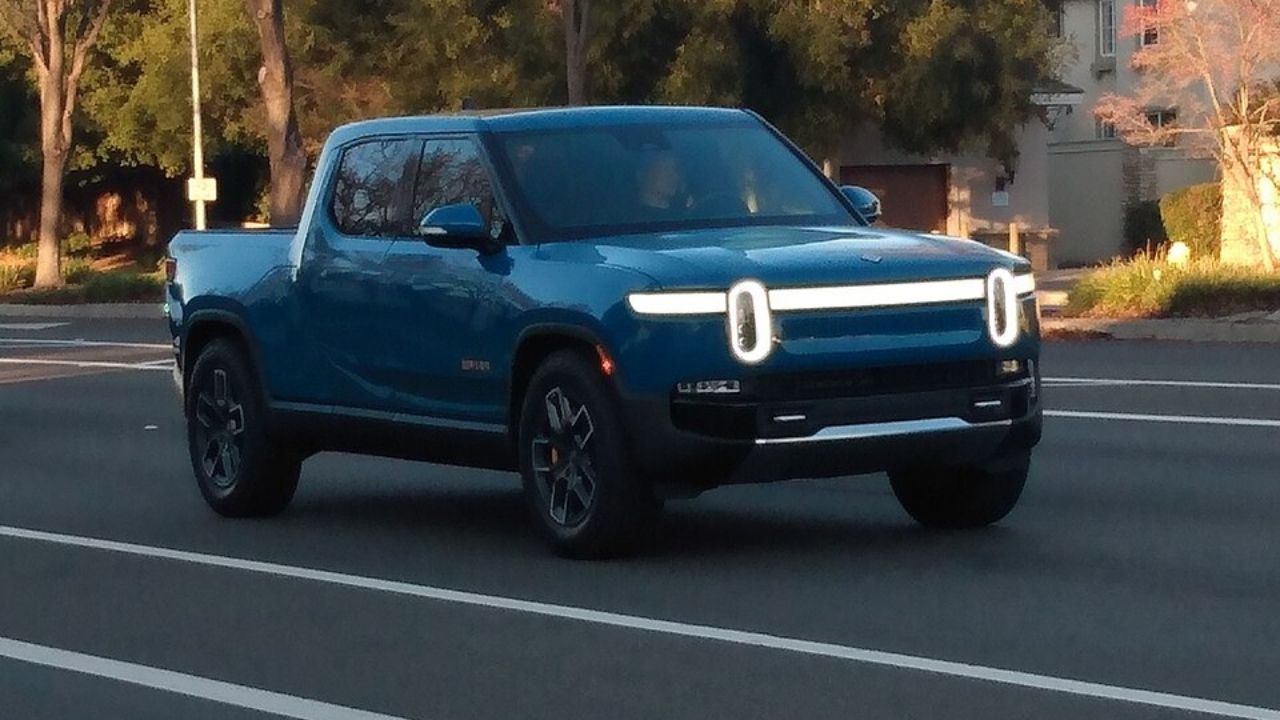
Rivian sold Alaskans on the idea that its electric trucks could conquer snow, ice, and rough roads. Now a group of those same owners say the company is refusing basic warranty work for one simple reason: they bought their vehicles outside the Lower 48. The dispute has turned a flagship EV into a stranded asset for some drivers and raised fresh questions about how far automakers will go to support customers in remote states.
At the center of the fight is a corporate policy that treats Alaska as “out of territory” for Rivian’s service network. Owners say that technicality is being used to deny repairs that would be covered without question in Seattle or Denver.
What happened
Rivian has no service center or mobile service presence in Alaska. That gap was always going to make ownership harder, but early adopters say they were told the company would work with them on logistics and warranty coverage. Several owners now describe a very different reality, one where the lack of an in-state facility has become the reason Rivian will not honor repairs at all.
According to an account shared by Alaska Rivian drivers, the company has labeled the state a non-service region and is treating vehicles there as if they are effectively outside its support footprint. One owner described being told that warranty coverage required transporting the truck to a service hub in the Lower 48 at personal expense, even for defects that Rivian acknowledged would normally be covered. Another said that when they asked about reimbursement for shipping or local third-party work, they were told that Alaska addresses were excluded from those arrangements.
Owners say the policy affects core components, not cosmetic issues. Complaints include problems with the high-voltage battery pack, suspension hardware, and software-related driveability glitches. In states with service centers, those issues are handled under the standard warranty. In Alaska, drivers report being left with two options: pay thousands of dollars to move a disabled truck thousands of miles, or park it and absorb the loss.
These stories have circulated among local EV groups and online communities, where Alaska-based Rivian drivers compare notes on their attempts to get help. Some say they were initially reassured by customer support that solutions would be found, only to receive follow-up messages that cited policy and closed their cases. One owner summarized the experience as being “sold a truck that the company will not stand behind north of Canada.” The core allegation is that Rivian is using its own decision not to operate in Alaska as a justification to sidestep obligations to people who already paid for the vehicle and its warranty.
Rivian has framed its service model around a mix of company-owned centers and mobile technicians who can travel to customers. In the Lower 48, that approach has allowed the company to cover large territories with relatively few bricks-and-mortar sites. Alaska, however, was left outside that web. According to owners, Rivian representatives have cited distance, cost, and logistics as reasons the company has not deployed technicians or contracted local partners in the state.
Those decisions now sit at the heart of the dispute. Owners argue that Rivian’s choice not to build a local presence should not erase the written warranty that came with the truck. They say the company is effectively shifting the entire burden of its strategic decision onto a small but committed group of early adopters who trusted the brand.
The conflict has gained wider attention through coverage that describes how Alaska Rivian drivers feel “abandoned” by the company. One detailed report on Alaska Rivian owners outlines how customers who paid full price for new R1T and R1S models are now facing five-figure logistics bills to access warranty work that would be routine in other states.
Why it matters
The number of Rivian trucks in Alaska is small compared with the brand’s footprint in California, Texas, or Colorado. The stakes, however, reach far beyond a single state. The dispute goes to the heart of whether new EV makers can be trusted to support customers in rural and frontier regions, not just in dense coastal markets.
Alaska is a natural proving ground for electric trucks. Long distances, harsh winters, and limited charging infrastructure test every claim about durability and range. Early adopters there often serve as informal ambassadors, showing skeptical neighbors that an EV can replace a gasoline pickup. When those owners say their trucks are undriveable and the manufacturer will not help, it undercuts that message in a way that marketing campaigns cannot repair.
Warranty confidence is especially important for EVs because so much of the cost is tied up in complex components that cannot easily be fixed by a local mechanic. A failed battery pack or drive unit on a Rivian R1T can represent tens of thousands of dollars in parts and labor. Buyers accept that risk because the warranty promises to absorb it. If that promise appears conditional on geography, then the perceived risk of ownership rises sharply.
The Alaska dispute also highlights a broader tension in the direct-sales model. Companies like Rivian sell vehicles online and avoid franchised dealers, which gives them more control over pricing and customer experience. It also means they own the responsibility for service coverage. Traditional automakers rely on dealer networks that, while uneven, usually ensure at least one authorized shop in every state. Rivian chose a different path, and in Alaska that choice now looks like a liability.
There is a regulatory angle as well. State and federal consumer protection laws typically require that written warranties be honored regardless of where the buyer lives, as long as the product is used as intended. If an automaker sells a truck into a state where it has no service center, regulators may ask whether it has a plan to deliver the promised coverage. Alaska’s experience could become a case study for how those rules apply to EV startups that are still building out their infrastructure.
For Rivian, the reputational risk is significant. The company markets itself as an adventure-focused brand that can take drivers to remote places and bring them back again. Stories of trucks stranded in the very state that embodies remote adventure cut directly against that identity. Potential buyers in other rural areas, from Montana to West Texas, may wonder whether their addresses will someday be treated like Alaska’s if corporate priorities shift.
The situation also feeds into a larger conversation about equity in the energy transition. If cutting-edge electric trucks are effectively limited to major metro corridors where service is easy, then the benefits of cleaner transportation will be unevenly distributed. Rural states already lag in charging infrastructure. If they also face weaker warranty support, the gap between early adopters and everyone else will widen.
What to watch next
What happens next hinges on whether Rivian adjusts its policy or doubles down on its current stance. Several possible paths are on the table.
One option is for the company to create a formal program for “remote market” support. That could include subsidized shipping to the nearest service center, partnerships with qualified independent shops in Alaska, or periodic deployment of mobile technicians who fly in for scheduled repair campaigns. Any of those steps would signal that Rivian is willing to share in the cost of its sparse network rather than placing the entire burden on customers.
Another possibility is that pressure from owners and public scrutiny prompts state-level action. Alaska’s consumer protection office could examine whether Rivian’s warranty practices align with state law, especially if residents can show that they were promised support at the time of purchase. Even the threat of such a review might encourage the company to negotiate a compromise with affected drivers.
More From Fast Lane Only: