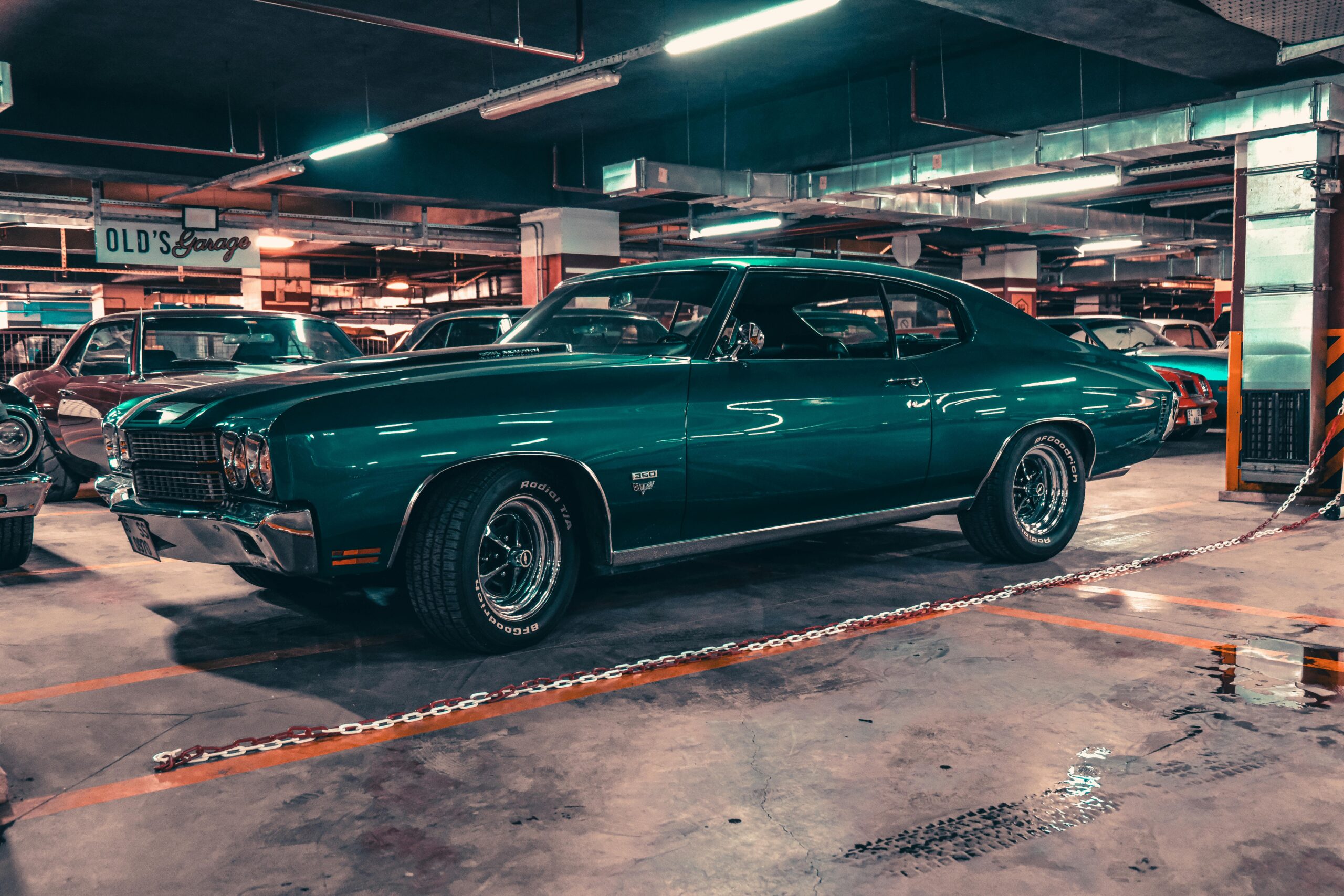
He thought he’d found the unicorn: a classic car described as “garage kept,” clean, and ready for weekend cruises. The photos looked great, the paint had a nice shine, and the seller sounded confident—maybe even a little proud. A few weeks later, though, he says he was staring at a problem you can’t polish away: rust that had started eating through the frame.
The story, shared in conversations with other enthusiasts and echoed across plenty of similar tales, has struck a nerve. Because if you’ve ever shopped for an older car, you already know the phrase “garage kept” can mean anything from “pampered and perfect” to “technically indoors… when it wasn’t outside in the rain.” And rust, unfortunately, doesn’t care what the listing said.
From “Clean Classic” to “Wait, That Doesn’t Look Right”
He says the first couple of weeks were exactly what he hoped for. He took it on a few short drives, showed it to friends, and enjoyed that classic-car feeling—equal parts nostalgia and mechanical charm. Then a routine check turned into a double take.
According to him, he noticed flaky metal and dark staining underneath, the kind that makes your stomach drop because you know it’s not just surface grime. He got the car up for a closer look and found sections where rust had gone past the point of “sand it and paint it.” In a few spots, he says, the metal looked thin enough to crumble.
Why “Garage Kept” Doesn’t Always Mean “Rust-Free”
Here’s the sneaky part: a car can be garage kept and still be rusty. If it spent years in a damp garage, or a garage without climate control, moisture can hang around like an unwanted houseguest. Add in temperature swings—warm days, cool nights—and you get condensation, which is basically a rust subscription service.
Then there’s the “before it was garage kept” factor. A car might’ve lived near the coast, driven on salted winter roads, or sat outside under a cover that trapped moisture. By the time it’s rolled into a garage later in life, corrosion may already be underway, quietly working in seams, inside boxed frame sections, and under undercoating.
The Rust That Hides in Plain Sight
He says what surprised him most was how decent it looked at first glance. That’s not unusual. Rust often starts where you can’t easily see it: behind suspension mounting points, inside frame rails, under carpet, around drain holes, or beneath thick layers of old undercoating that can mask trouble until it blisters.
Some sellers also apply fresh undercoating right before a sale. Sometimes it’s done with good intentions—“protect it for the next owner”—but it can also be used like makeup. A shiny black underbody can look reassuring in photos, while hiding flaky metal underneath.
How It Came to Light Weeks Later
So why didn’t it show up immediately? He believes the early drives and a bit of poking around changed what was visible. Dirt can fall away, a softened patch of undercoating can crack, or a jack point can reveal what’s happening when weight shifts onto a compromised area.
Another common scenario: the first time a mechanic puts it on a lift, the angles and lighting make everything obvious. On the ground, you’re squinting. On a lift, rust can’t really play hide-and-seek anymore.
What Frame Rust Can Mean (And Why It’s a Big Deal)
Frame rust isn’t like a bubbling fender lip that’s mostly cosmetic. If corrosion has eaten into structural parts—frame rails, crossmembers, suspension mounts—it can affect safety and alignment, and it can turn a “fun project” into a major repair plan. Even if the car drives fine today, a weak point can become a serious issue under hard braking, a pothole hit, or an accident.
Repairing it can range from manageable to wallet-melting. Some cars have strong aftermarket support with replacement frame sections available. Others require custom fabrication, careful measuring, and a shop that actually enjoys welding overhead (a rare personality type, but they exist).
The Questions He Wishes He’d Asked Before Buying
He says he keeps replaying the pre-purchase conversation in his head. Not because he thinks every seller is out to scam someone, but because “garage kept” is vague and buyers often don’t press for specifics. A better question is “Where was it driven, and where was it stored over the years?”
He also wishes he’d asked for detailed underside photos—close-ups, not just the flattering wide shots. Things like the rear frame kick-up, the area behind the front wheels, body mounts, and suspension pickup points tell a much more honest story. And if a seller can’t provide those, that’s not always suspicious, but it is information.
Red Flags That Pop Up Again and Again
People who’ve been around classics for a while tend to notice the same warning signs. Fresh undercoating with no documentation is one. Another is a car that’s mysteriously “just had a quick cleanup” underneath, especially if the seller is oddly resistant to a lift inspection.
Also watch for mismatched story details. If it’s “always been in a garage,” but the fasteners look like they’ve lived at the bottom of a lake, that’s worth asking about. And if you see heavy rust on suspension components, brake lines, and hardware, it’s a clue the environment was harsh even if the body looks presentable.
What a Smart Pre-Purchase Inspection Usually Includes
His experience is nudging other shoppers to lean harder on inspections, and for good reason. A proper pre-purchase inspection for a classic isn’t just checking if it starts, stops, and idles nicely. It’s getting it safely up in the air, probing known rust areas, and looking for structural patches that aren’t properly tied into sound metal.
Many enthusiasts recommend bringing a flashlight and a small magnet, and not being shy about looking under carpets and in trunk corners. A borescope can also be handy for checking inside frame rails and other cavities. And if the car’s value is significant, paying a trusted shop that knows that model can be the cheapest money you spend all year.
What Happens Next for Him
He says he’s now weighing two paths: repair or renegotiate. In some situations, a buyer can go back to the seller and say, “This wasn’t disclosed, and it’s not minor,” especially if the listing implied the car was solid. Whether that goes anywhere depends on local laws, the paperwork, and how the sale was structured.
On the repair side, he’s collecting estimates and learning quickly that rust repair quotes often come with an unspoken asterisk: “until we open it up.” Because once cutting starts, shops sometimes find the rust’s extended family living nearby. It’s the one time in life where discovering relatives isn’t a happy surprise.
A Familiar Lesson for Anyone Shopping a Classic
This story is making the rounds because it’s relatable. Classics are emotional purchases, and sellers know the right words to spark that feeling—“garage kept,” “solid,” “survivor,” “easy restoration.” None of those phrases are guarantees, and rust is patient enough to wait until you’re already attached.
If there’s a bright side, it’s that stories like his help other buyers slow down and verify the unglamorous stuff. Paint and chrome are fun, but steel and structure are the real foundation. And if a “garage kept” classic truly is clean underneath, it’ll still be clean after someone shines a light where it counts.
More from Fast Lane Only