The Small-Block Chevy has not only become a cornerstone of American automotive performance but has also influenced countless racing and performance engines throughout the decades. Its introduction in the mid-1950s marked a significant shift in engineering and performance standards, setting the stage for a legacy that continues to resonate today.
The Birth of the Small-Block Chevy
Launched in 1955, the Small-Block Chevy engine was a groundbreaking development in automotive engineering. Spearheaded by Ed Cole and his talented engineering team at Chevrolet, this engine was designed with the intention of delivering an optimal balance between power, weight, and efficiency. The original 265-cubic inch version produced 195 horsepower, an impressive feat for its time, and laid the foundation for future iterations that would push the boundaries of performance.
The engine’s design goals were ambitious; it aimed to be compact, lightweight, and powerful, setting it apart from competitors like the Ford Y-block. The innovative use of a small bore and a short stroke not only minimized weight but also maximized RPM potential, allowing for a more responsive engine. This design philosophy would go on to influence countless manufacturers and performance enthusiasts alike.
Design Innovations and Engineering Excellence
One of the most significant innovations of the Small-Block Chevy was its lightweight design, which revolutionized performance standards. Weighing in at around 500 pounds, it was significantly lighter than many contemporary engines. This reduction in weight translated directly to improved handling and acceleration, making it a favorite among racers and enthusiasts. The engine’s compact size made it adaptable to a variety of vehicles, from the classic Chevy Corvette to the versatile Chevy pickup.
In addition to its lightweight construction, the Small-Block Chevy introduced modular components that allowed for a high degree of customization. Enthusiasts could easily swap out parts like the intake manifold, camshaft, and exhaust headers to tailor the engine to their specific performance needs. This adaptability helped cement the Small-Block’s status as a go-to engine for hot rodders and racers, as evidenced by its use in builds featured in publications such as HotCars.
Performance Milestones Through the Decades
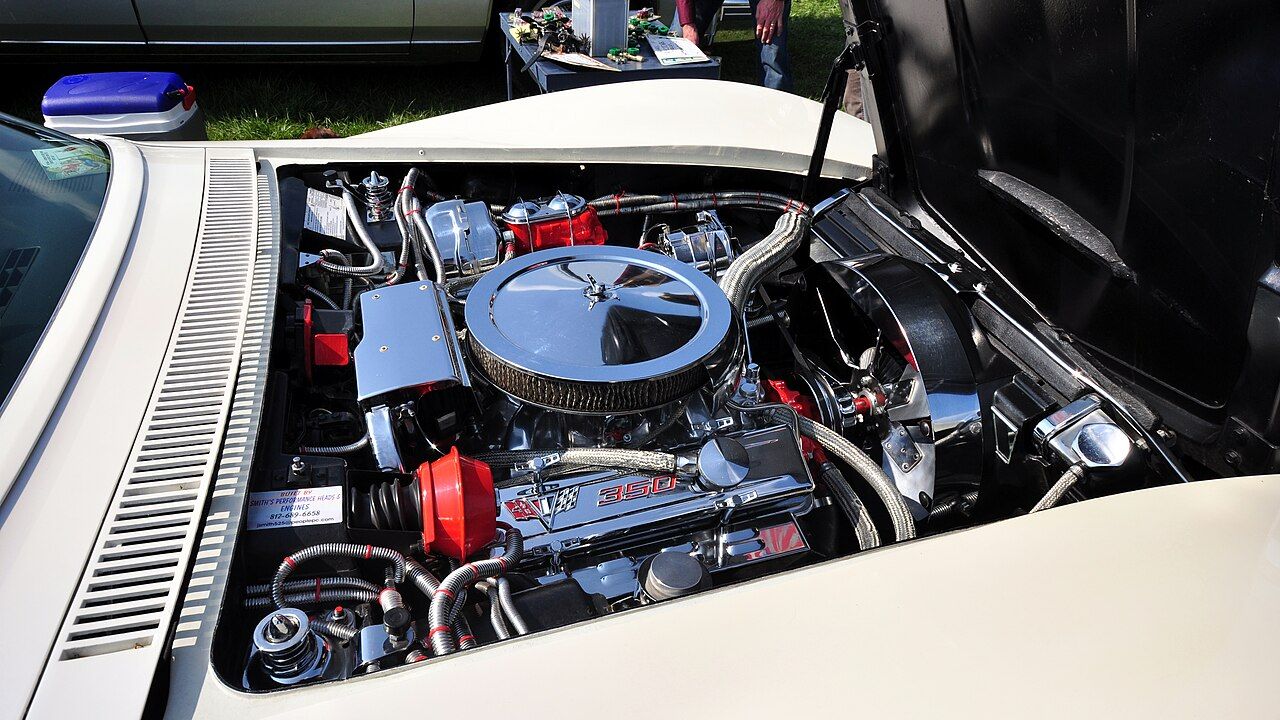
Over the decades, the Small-Block Chevy has seen a remarkable evolution in horsepower and torque ratings. Notable variants such as the 302, 350, and 383 small-blocks showcased the engine’s ability to adapt and grow with the times. For instance, the 350 cubic inch engine, introduced in 1967, became a cornerstone of the American muscle car era, producing up to 370 horsepower in its high-performance iterations.
Its presence in motorsports cannot be overstated. The Small-Block Chevy dominated NASCAR in the late 1960s and 1970s, powering legendary cars like the Chevy Monte Carlo and the Chevelle SS. The engine’s success on the track influenced performance benchmarks across various racing disciplines, leading to innovations in engine design and tuning that would benefit future generations of performance vehicles.
Cultural Impact and Popularity
The Small-Block Chevy transcended its mechanical specifications to become a symbol of Americana and car culture. Its distinctive rumble and reliability made it a favorite in movies, music, and the hearts of car enthusiasts. Films like “American Graffiti” and “Two-Lane Blacktop” prominently featured cars powered by the Small-Block, solidifying its place in pop culture history.
In addition to its cinematic appearances, the Small-Block Chevy became a staple in hot rods and muscle cars. Its versatility allowed it to be easily modified, making it the perfect engine for enthusiasts looking to unleash more power. From backyard garages to professional racing teams, the Small-Block Chevy was, and still is, a beloved choice for those seeking performance and reliability.
Technological Advancements and Adaptations
As engineering technology progressed, so too did the Small-Block Chevy. Innovations in fuel injection and electronic engine management systems have transformed the way this engine operates. The transition from carburetors to fuel injection not only improved fuel efficiency but also enhanced performance, making it more reliable and easier to tune. This shift is significant as it reflects the broader changes in automotive technology and consumer expectations for performance and economy.
Modern enhancements like turbocharging and supercharging have also become compatible with the Small-Block Chevy platform. Aftermarket companies have developed kits and systems that allow enthusiasts to push the engine’s limits even further, resulting in remarkable power gains and efficiency improvements. These advancements speak to the engine’s enduring legacy and its ability to adapt to contemporary performance demands.
Engine Longevity and Reliability
The Small-Block Chevy’s reputation for durability is one of its most appealing attributes. Factors such as robust engineering and straightforward maintenance contribute to its longevity, making it a favorite among classic car enthusiasts. Many owners have reported that their Small-Block engines have lasted for decades with minimal issues, a testament to the quality of Chevrolet’s design and manufacturing processes.
Aftermarket support has played a crucial role in sustaining the performance of Small-Block engines. A vast network of parts suppliers, performance shops, and online resources ensures that enthusiasts can find replacement parts and performance upgrades. Case studies of long-lasting Small-Block Chevy engines in classic cars, like the 1970 Chevy Camaro Z28, highlight how well these engines can perform even after years of use. This reliability factor has further entrenched the Small-Block Chevy in the hearts of automotive aficionados.
The Small-Block Chevy in Racing History
The Small-Block Chevy’s impact on racing history is profound. Its dominance in NASCAR is legendary, where it powered numerous championship-winning cars throughout the years. The engine’s ability to produce high horsepower while maintaining reliability made it a favorite among race teams. Notable racers like Dale Earnhardt and Richard Petty have famously relied on Small-Block power to secure their legacies.
Beyond NASCAR, the Small-Block Chevy has made significant contributions to drag racing and road course performance. Its adaptability and power potential allowed it to excel in various racing formats, influencing the design of future racing engines. Legendary vehicles like the Chevy Nova and the Corvette have showcased the Small-Block’s prowess on both the drag strip and the racetrack, solidifying its status as a racing icon.
The Modern Iteration: ZZ6 and Beyond
As the automotive landscape has evolved, so too has the Small-Block Chevy. The introduction of the ZZ6 engine represents a modern take on the classic design, boasting enhanced performance and efficiency. With features like improved airflow and updated engine management systems, the ZZ6 can produce up to 405 horsepower, showcasing what is possible with contemporary advancements while honoring the traditional small-block formula.
When comparing the ZZ6 to earlier models, the differences are striking. The enhanced fuel efficiency and power output demonstrate how the Small-Block Chevy has adapted to meet modern standards. Manufacturers have worked to refine the engine’s performance characteristics while maintaining the essence of what made the original small-block so beloved, ensuring its relevance for years to come. For more details on the ZZ6 engine, you can check out this article from Engine Builder Magazine.
Legacy and Influence on Future Engines
The design philosophy of the Small-Block Chevy continues to influence modern engine design across the automotive industry. Its modularity and lightweight construction have inspired other manufacturers to adopt similar principles in their own engine designs. The engine’s combination of performance and reliability serves as a benchmark for aspiring engineers and designers.
Examples of other manufacturers embracing similar concepts can be seen in various V8 engines produced by Ford and Dodge, which have sought to capture the same spirit of performance that the Small-Block Chevy embodies. As the performance community continues to evolve, the enduring allure of the Small-Block Chevy remains a guiding light for enthusiasts and engineers alike.
More from Fast Lane Only