The Chevrolet L88 Corvette engine is a remarkable piece of engineering that has captured the hearts of automotive enthusiasts since its inception. Known for its high performance and racing pedigree, the L88 represents a significant milestone in American automotive history. This article delves into the engineering secrets that make the L88 a legendary engine.
Historical Context of the L88 Engine
The Chevrolet Corvette has long been a symbol of American automotive excellence, and the introduction of the L88 engine in 1967 marked a pivotal moment in its storied lineage. Designed to be a high-performance option for the Corvette, the L88 was conceived during a time when muscle cars dominated the American landscape. The late 1960s and early 1970s were characterized by fierce competition in racing, and the L88 was Chevrolet’s answer to the demand for speed and power. This engine quickly established itself as a formidable contender on the track, particularly in events like the SCCA’s Trans-Am series and the 24 Hours of Le Mans.
Key figures in the development of the L88 include engineers like Zora Arkus-Duntov, often referred to as the “Father of the Corvette.” His vision for the Corvette was not only to create a stylish sports car but also to engineer a vehicle capable of competing at the highest levels of motorsport. The collaborative efforts of a dedicated team of engineers and designers at Chevrolet culminated in the creation of the L88, setting the stage for a legacy that would endure for decades.
Engine Specifications and Design
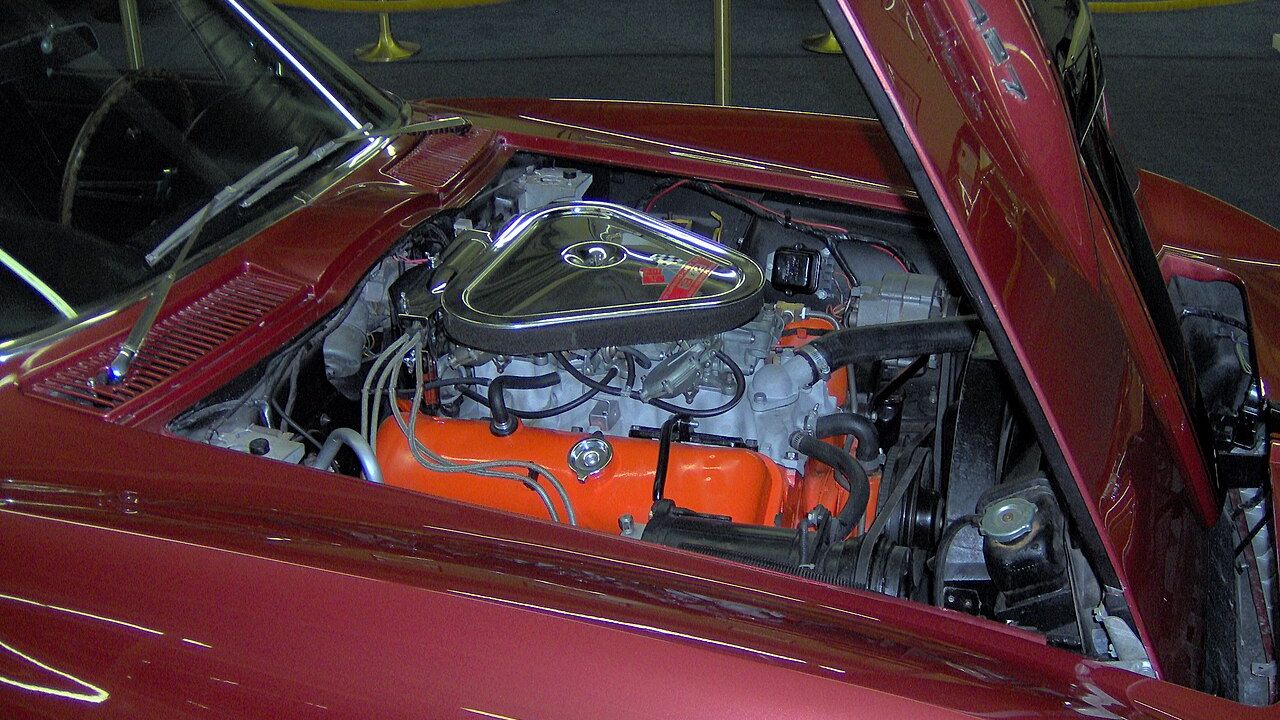
The L88 engine is a 427 cubic inch (7.0 liters) V8 powerhouse that boasts an impressive output of 430 horsepower and 460 lb-ft of torque. One of its defining characteristics is a high compression ratio of 12.5:1, which was designed to maximize power while utilizing premium fuel. This engine’s specifications set it apart from other engines offered during the same era, such as the L71 and L89, which were also formidable but didn’t quite match the raw performance of the L88.
Design-wise, the L88 incorporated several unique features aimed at enhancing performance. The engine block was constructed from cast iron, but it utilized lightweight aluminum components, including the intake manifold and cylinder heads, to reduce overall weight. This combination not only improved the power-to-weight ratio but also contributed to better handling characteristics. The use of high-performance components, such as forged pistons and a solid lifter camshaft, further distinguished the L88 from its peers, making it a sought-after option among racing enthusiasts.
Performance Innovations
The L88’s performance can be attributed to several innovative engineering enhancements. One of the standout features is its high-lift camshaft, which allows for increased airflow into the engine. This design enhances combustion efficiency and results in greater power output, a crucial factor for anyone looking to dominate on the racetrack. The camshaft’s specifications were finely tuned to work seamlessly with the engine’s other components, creating a harmonious balance that maximized performance.
Additionally, the L88’s aluminum cylinder heads played a significant role in improving both weight and performance. The lighter material reduced overall engine weight, which in turn enhanced the Corvette’s handling capabilities. The heads were designed with larger intake and exhaust ports, allowing for better airflow and increased power. Coupled with a Holley carburetor that was meticulously tuned for maximum efficiency, the L88 delivered an exhilarating driving experience that was hard to match.
Engineering Challenges Overcome
Like any high-performance engine, the L88 faced several engineering challenges that had to be overcome to ensure its success. One of the primary concerns was heat management. High-performance engines generate significant heat, and without proper cooling, performance could suffer. Engineers tackled this by optimizing the engine’s cooling system and using materials that could withstand extreme temperatures. The result was an engine that maintained its performance under pressure, whether on the street or the racetrack.
Reliability was another significant concern, especially given the L88’s use in competitive racing. Engineers worked diligently to address potential weaknesses in the engine’s design, enhancing the durability of components to withstand the rigors of racing. Innovations in fuel delivery systems, including improved fuel pumps and injectors, also contributed to increased reliability. Furthermore, advancements in ignition systems helped ensure that the engine fired consistently every time, a critical aspect for drivers aiming for victory.
The L88 in Motorsports
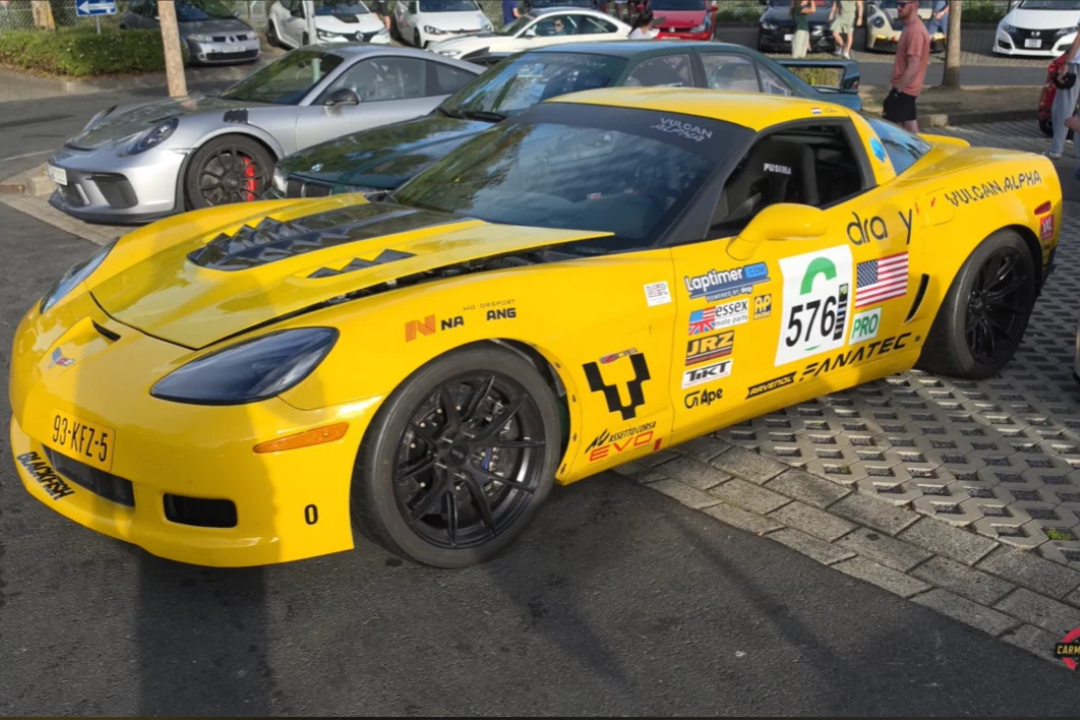
The impact of the L88 engine on professional racing cannot be overstated. It became a powerful tool in the hands of notable racing teams and drivers, contributing to numerous wins and accolades. One of the most famous victories came at the 1968 24 Hours of Daytona, where the L88-powered Corvettes showcased their dominance on the international stage. The engine’s combination of power and reliability made it a favorite among racers who demanded the best from their machines.
Renowned racing drivers such as Donny Allison and Jim Hall utilized the L88 in various competitions, further solidifying its reputation in the racing community. The engine’s performance led to its adoption by several professional racing teams, who capitalized on its capabilities to secure podium finishes. The L88’s legacy in motorsports continues to resonate, as it laid the groundwork for future Corvette models and their performance benchmarks.
Cult Status and Collectibility
The Chevrolet L88 has achieved cult status among collectors, driven by its limited production numbers and impressive performance credentials. Only 216 L88 Corvettes were produced between 1967 and 1969, making them incredibly rare in today’s market. This rarity has led to skyrocketing values, with pristine examples fetching astronomical prices at auctions. Collectors seek out L88 Corvettes not only for their historical significance but also for the driving experience they offer.
Stories of notable L88 Corvettes abound, with some owners recounting their experiences of restoring these classic machines to their former glory. Events like the Amelia Island Concours d’Elegance provide a platform for enthusiasts to showcase their prized L88s, celebrating the engineering marvels that these vehicles represent. The L88’s collectibility is not just about financial investment; it also embodies a passion for automotive history and the pursuit of performance excellence.
Modern Implications of L88 Engineering Principles
The engineering principles that defined the L88 continue to influence contemporary engine design. Modern performance vehicles draw inspiration from the innovations pioneered by the L88, incorporating lightweight materials, advanced fuel delivery systems, and high-performance components. The emphasis on maximizing power while maintaining reliability is a recurring theme in today’s automotive engineering.
For instance, many modern engines utilize aluminum components to reduce weight and improve efficiency, echoing the strategies employed in the L88 design. Additionally, advancements in turbocharging and hybrid technology reflect the ongoing pursuit of performance enhancements rooted in the foundational principles established by early engines like the L88. Case studies of modern performance engines often cite the L88 as a benchmark for achieving the ideal balance of power, efficiency, and drivability.
Future of the L88 Legacy
As automotive technology continues to evolve, the legacy of the L88 remains relevant. There is potential for future Corvette models to pay homage to the L88, whether through special editions or performance packages that echo its engineering excellence. Events and exhibitions dedicated to classic Corvettes often feature the L88 prominently, ensuring that its contributions to automotive history are not forgotten.
Furthermore, the impact of the L88 on automotive engineering education is profound. Many engineering programs incorporate case studies of the L88 into their curricula, emphasizing the importance of innovation, performance, and reliability in engine design. As the automotive industry continues to honor and remember the L88, its legacy serves as a reminder of the passion and ingenuity that have shaped American automotive history.
More from Fast Lane Only