Electric cars were supposed to follow the familiar tech script: early adopters pay up, then prices fall and the mass market piles in. Instead, the industry is colliding with higher costs, patchy demand and political pushback just as it tries to move beyond affluent buyers. The promise of truly low-cost battery vehicles is still alive, but the path is looking far more complicated than the early hype suggested.
As I look across the latest sales data, corporate strategy shifts and policy fights, the pattern is clear. Carmakers are scrambling to protect margins, governments are recalibrating subsidies and tariffs, and consumers are discovering that “cheap” on the sticker does not always mean affordable in practice. The era of bargain-basement EVs is not dead, but it is being reshaped by forces that make sustained low prices much harder to deliver.
Sticker prices are falling, but affordability is not
On paper, electric cars have never been cheaper. Aggressive discounting, dealer incentives and a wave of new models have pushed average transaction prices down from their pandemic-era peaks, especially in the United States and Europe. Yet when I factor in higher interest rates, insurance premiums and charging costs, the total cost of owning an EV still feels out of reach for many households, particularly those shopping below the luxury tier.
Manufacturers have leaned on price cuts to keep factories running and clear inventory, a strategy that has helped lift EV market share but also squeezed profits and unsettled investors. Several automakers have warned that selling mass-market battery models at current prices is barely sustainable, even as they tout lower running costs and tax credits to justify the purchase for buyers who can stretch their budgets. The headline numbers suggest progress on affordability, but the underlying economics remain fragile and heavily dependent on policy support.
Chinese competition is forcing a global price reset
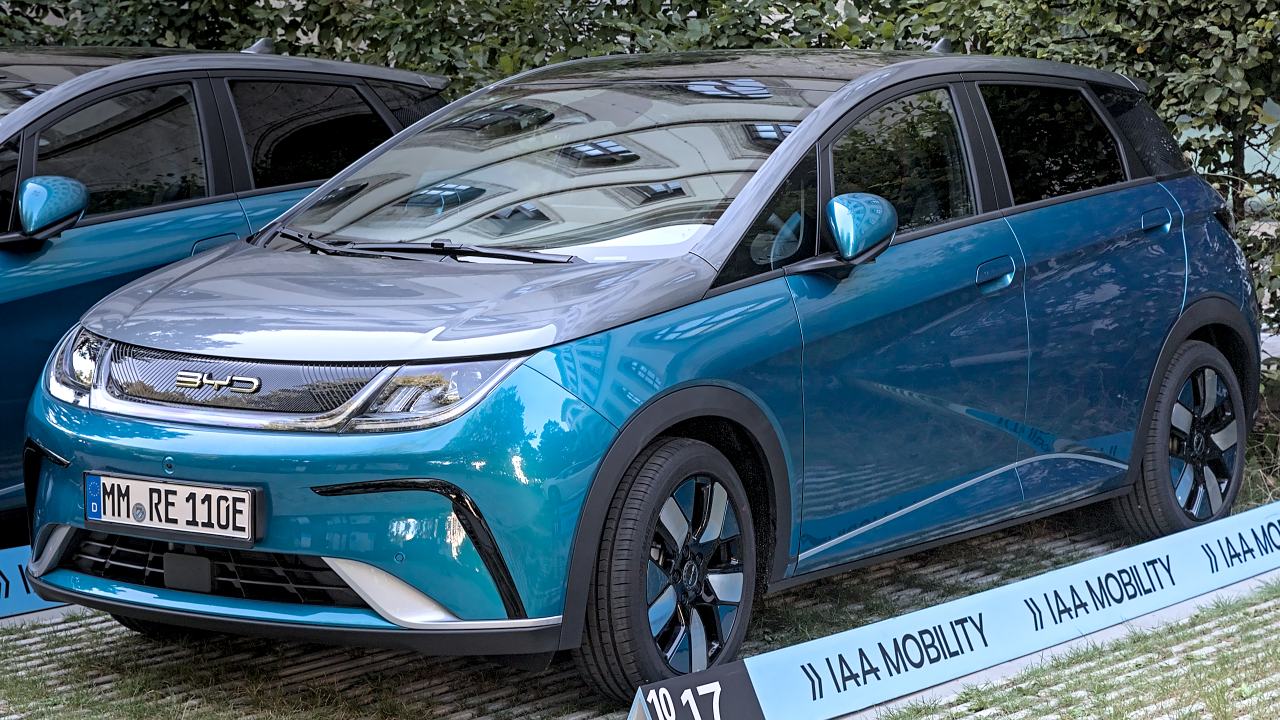
The biggest structural pressure on EV pricing is coming from China, where companies have built enormous scale in batteries and compact cars that Western rivals struggle to match. Domestic brands have rolled out small and midsize models at prices that undercut comparable gasoline vehicles, reshaping expectations for what an electric car should cost. That dynamic has already triggered a bruising price war inside China and is now spilling into export markets, where low-cost Chinese EVs are challenging incumbents on both price and features.
Governments in the United States and Europe have responded with tariffs and industrial policies aimed at slowing this influx and protecting local jobs, which in turn limits how far Chinese price discipline can travel. Those trade barriers may keep some of the cheapest models off Western roads, at least for now, but they also blunt one of the strongest forces pushing global EV prices down. The result is a bifurcated market in which Chinese buyers see a wide range of budget-friendly options while drivers elsewhere face a narrower, more expensive set of choices.
Automakers are retreating from the ultra-cheap EV dream
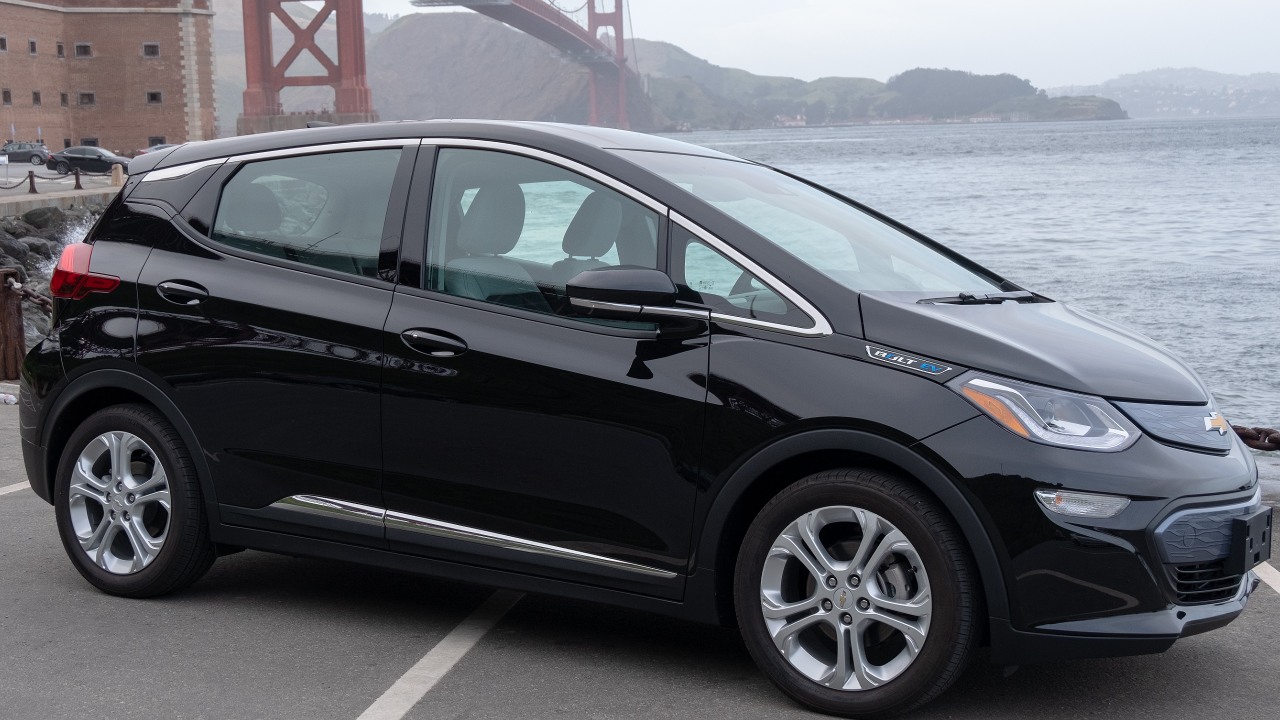
For a few years, major carmakers talked confidently about sub‑$25,000 electric models that would bring battery power to the true mass market. That ambition has not disappeared, but I now see more caution in how companies describe their timelines and product plans. Executives are increasingly frank that building a small EV at a rock-bottom price, while still meeting safety rules and earning a profit, is far harder than early slide decks implied.
Some brands have delayed or reworked their most affordable projects, shifting resources toward slightly larger and more profitable crossovers or toward hybrids that can be sold at lower prices with less risk. Others are betting on new battery chemistries and simplified manufacturing to eventually unlock cheaper models, but those savings will take time to filter into showrooms. The industry is not abandoning the idea of a budget EV, yet it is quietly redefining “cheap” upward and focusing on segments where customers are willing to pay more for range and comfort.
Policy whiplash is undermining price stability
Electric car pricing does not exist in a vacuum, it is tightly bound to government incentives, emissions rules and infrastructure spending. When those policies shift, the economics of both buying and building an EV can change almost overnight. I have seen that play out as tax credits are revised, subsidy programs expire and new tariffs are imposed, all of which feed directly into what consumers see on the window sticker.
Uncertainty over future rules also makes it harder for automakers to commit to long-term investments that could lower costs, such as new battery plants or dedicated small-car platforms. If companies doubt that demand will be there in five or ten years, they are more likely to prioritize higher-margin vehicles and slow-walk the cheapest offerings. That policy volatility does not just affect prices today, it also delays the scale and learning-curve effects that would make tomorrow’s EVs genuinely inexpensive to build.
The “cheap EV” will look different from what buyers expect
Even where low-priced electric cars are emerging, they often do not match the traditional expectations of a family vehicle in North America or Europe. The most affordable models tend to be smaller, with shorter range and fewer comfort features, optimized for dense cities rather than long highway trips. In markets where public transport is strong and urban driving dominates, that trade-off makes sense, but it can leave suburban and rural buyers feeling that the cheapest EVs are not built for their lives.
As I weigh the evidence, the more realistic future is not a flood of full-size, long-range electric cars at bargain prices, but a broader spectrum of formats and ownership models. Compact city cars, subscription services, used EV markets and fleet vehicles could all deliver lower entry costs without forcing manufacturers to sell new hardware at a loss. The age of effortless, across-the-board price declines has not materialized, yet a more nuanced version of affordable electrification is still possible if policy, infrastructure and consumer expectations evolve in tandem.
More from Fast Lane Only: