Automakers are already warning that some of their headline 2026 models will not arrive on the tidy schedules they once promised, as supply chains, software complexity and shifting regulations collide with ambitious product plans. Instead of a clean handoff from current lineups to next-generation vehicles, the industry is bracing for a staggered rollout that could leave gaps in showrooms and frustrate buyers waiting on specific trims or technologies.
I see the pattern forming across segments: electric flagships, high-volume crossovers and even workhorse pickups are all running into the same bottlenecks, from battery plants that are not ramping as fast as expected to software stacks that are still not stable enough for mass deployment. The result is a 2026 model year that is already showing signs of delay, even as order books open and marketing campaigns promise the future.
Battery constraints are slowing 2026 EV launches
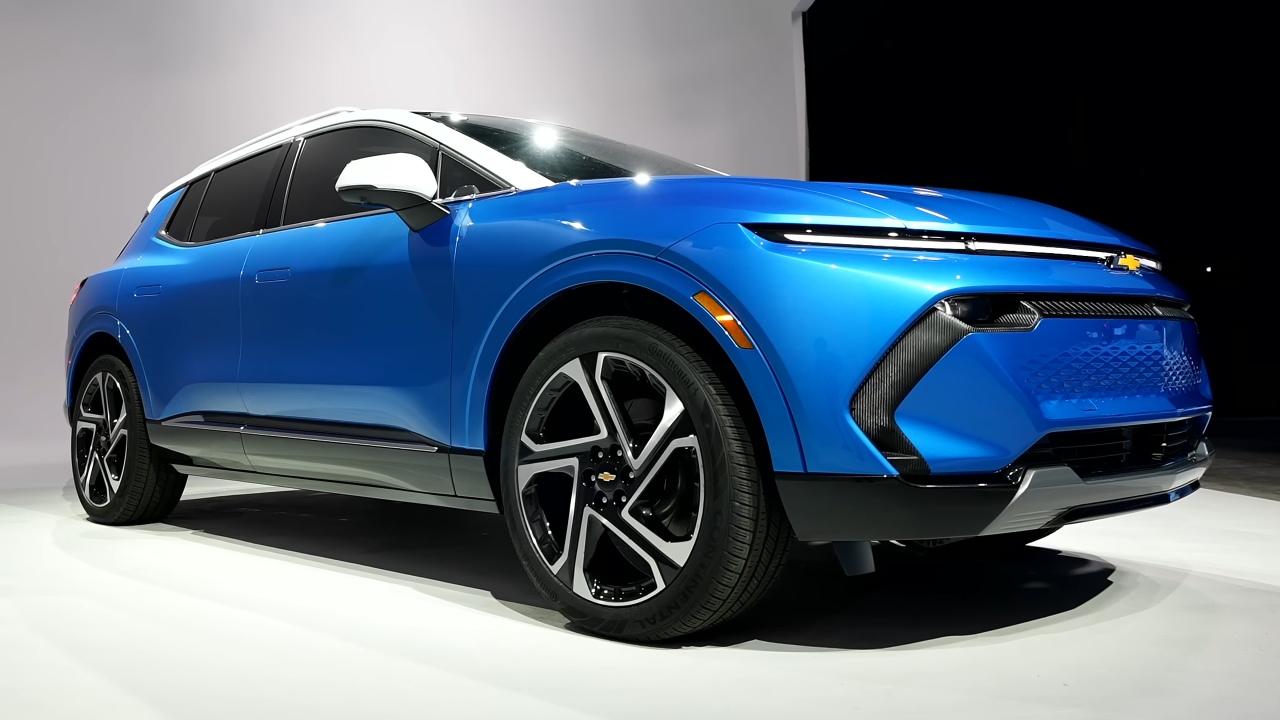
The most immediate pressure point for 2026 programs is battery supply, which is proving harder to scale than many automakers projected when they locked in their product plans. I see manufacturers trying to balance limited cell output between current models and upcoming 2026 nameplates, a tradeoff that almost inevitably pushes newer vehicles to the back of the line. That is especially true for long-range trims that rely on the highest density packs, since those cells are also the scarcest and most expensive to produce, according to recent battery market analysis.
Several companies have already signaled that they will prioritize profitable existing EVs over unproven 2026 entries if battery plants do not hit their planned capacity. In practice, that means halo models and niche variants are the first to slip, while mainstream crossovers soak up the available cells. Industry reporting on EV production planning describes internal allocation battles where product teams for future models are being told to accept lower launch volumes or later start-of-production dates so factories can keep current bestsellers running at full speed.
Software-defined vehicles are not software-finished
Even when the hardware is ready, the software that increasingly defines modern vehicles is not always keeping pace with 2026 launch targets. Carmakers have promised sophisticated driver-assistance suites, over-the-air update platforms and app-like infotainment experiences for their next wave of models, but integrating those systems into a reliable whole is proving slower than the slide decks suggested. Internal briefings described in recent software readiness reports show some brands quietly pushing back feature-complete deadlines, which in turn forces them to reconsider when they can confidently start building customer cars.
I see a particular risk around advanced driver-assistance features that were marketed as headline capabilities for 2026 vehicles. Regulators are scrutinizing hands-free and automated lane-change systems more closely, and any late-stage software change to satisfy safety concerns can ripple through validation schedules. According to detailed regulatory filings, several automakers have already had to re-run test cycles after updating their code, a process that consumes engineering bandwidth and can push start-of-production milestones into the following quarter or beyond.
Regulatory shifts are forcing last-minute engineering changes
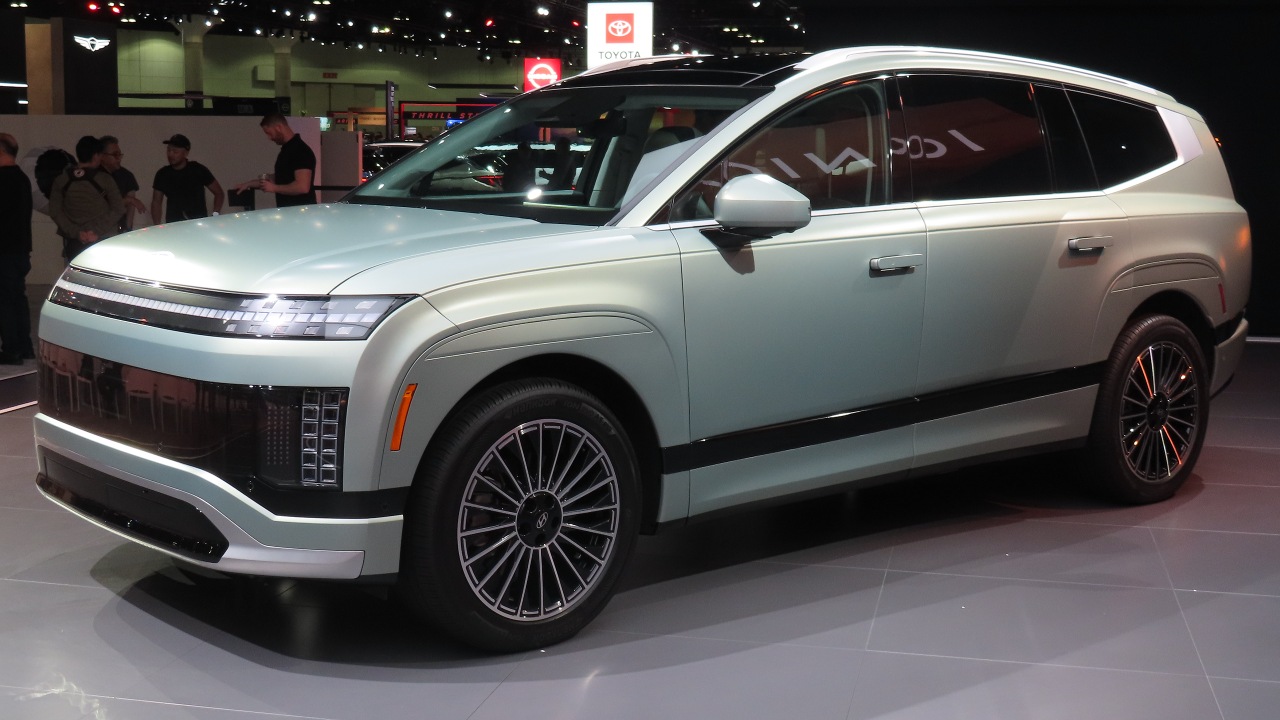
Beyond software, evolving emissions and safety rules are forcing late design tweaks that complicate 2026 timelines. Automakers that locked in their platforms years ago are now confronting updated standards for crash performance, pedestrian protection and tailpipe emissions that require hardware changes, not just calibration updates. Engineering teams described in recent compliance briefings have been tasked with reworking front-end structures, exhaust aftertreatment systems and even lighting packages to meet rules that were finalized after the original product specifications were set.
Those adjustments may sound incremental, but they can trigger new rounds of tooling, supplier validation and regulatory certification that eat into already tight schedules. I have seen examples where a seemingly small change to a bumper beam or sensor housing cascaded into new crash tests and software recalibration, adding months to the program. Reporting on global safety regulations underscores how different regional requirements are pulling vehicles in multiple directions at once, forcing companies to choose between delaying a global launch or staggering introductions market by market while they finish localized engineering work.
Supplier fragility is undermining carefully built timelines
Even when automakers have their own plants and engineering on track, the intricate web of suppliers that feeds a modern vehicle program remains a weak link for 2026 launches. Tier-one and tier-two suppliers are still recovering from earlier disruptions, and many are now being asked to ramp new components for 2026 models while simultaneously sustaining legacy parts. Industry surveys cited in recent supply chain assessments show that smaller suppliers in particular are struggling with capital constraints and labor shortages, which can translate into missed tooling milestones or slower-than-promised production ramps.
I see this most acutely in specialized components such as power electronics, high-end infotainment modules and advanced sensor suites, where there are only a handful of qualified suppliers worldwide. If even one of those companies misses a key delivery window, the automaker has little room to maneuver, since re-sourcing a part at that stage would require new validation and regulatory work. Recent reporting on component bottlenecks describes programs where a single delayed control unit or camera module forced manufacturers to build incomplete vehicles and park them in storage lots, a tactic that is far harder to justify for all-new 2026 models that still need final sign-offs.
Consumers will face longer waits and more staggered rollouts
For buyers, the net effect of these pressures is a 2026 model year that will feel less like a clean seasonal reset and more like a rolling update spread across many months. I expect order banks to open on schedule for many high-profile vehicles, but actual deliveries to slip, especially for top trims that rely on the most constrained hardware and software. Market analyses referenced in recent dealer network reports suggest retailers are already preparing customers for extended lead times, encouraging them to consider in-stock 2025 models or lower-spec 2026 variants that can be built with available parts.
That staggered reality will also shape pricing and incentives. When production of a new 2026 model is constrained, automakers have less reason to discount it, which can keep transaction prices elevated even as older inventory lingers on lots. At the same time, companies under pressure to hit volume targets may lean on aggressive financing or lease offers for outgoing models, creating a sharper divide between shoppers who are willing to wait for the latest technology and those who prioritize availability and value. Recent consumer demand studies indicate that some buyers are already shifting their expectations, treating promised 2026 features as a bonus rather than a guarantee, and adjusting their purchase timing accordingly.
More from Fast Lane Only: