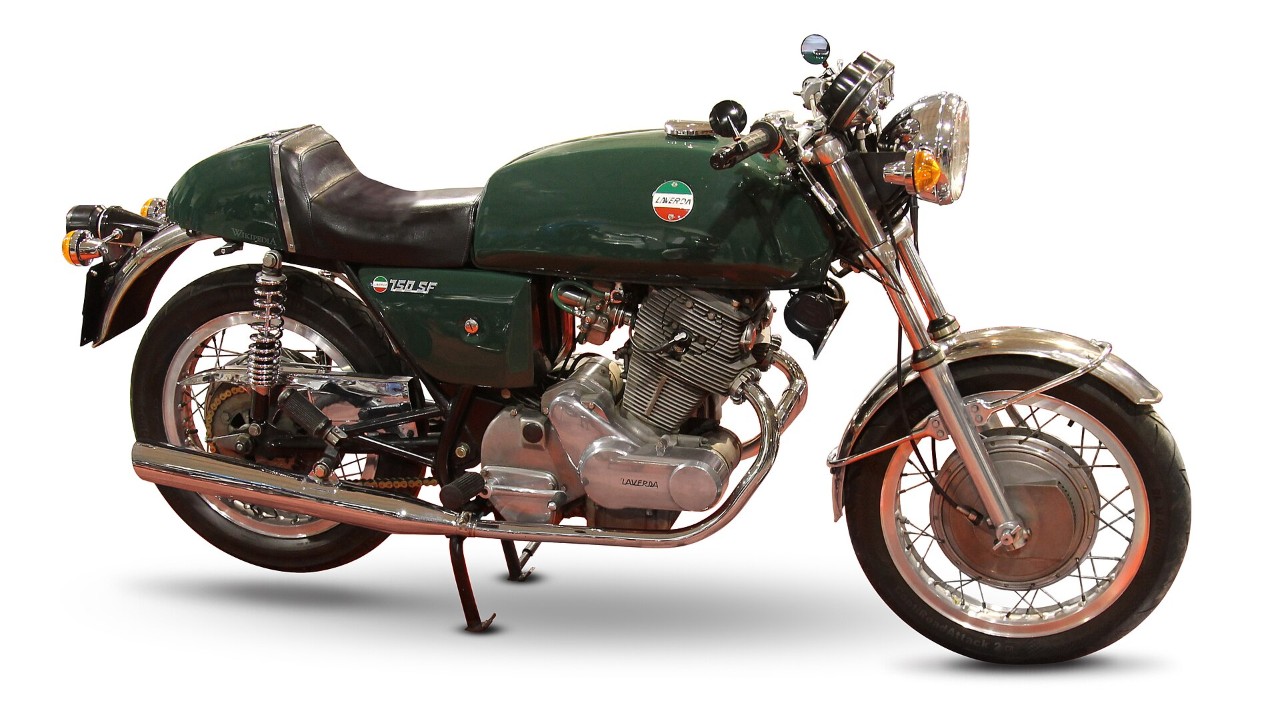
Each Italian motorcycle on this list has a following among riders, yet none is a headline act at auction. Some sold slowly when new. Others simply sit in the shadow of a more famous sibling.
Where a price guide or period figure exists, it’s quoted below. Where none does, we leave the money out rather than guess.
1. 1971 Laverda 750 SF
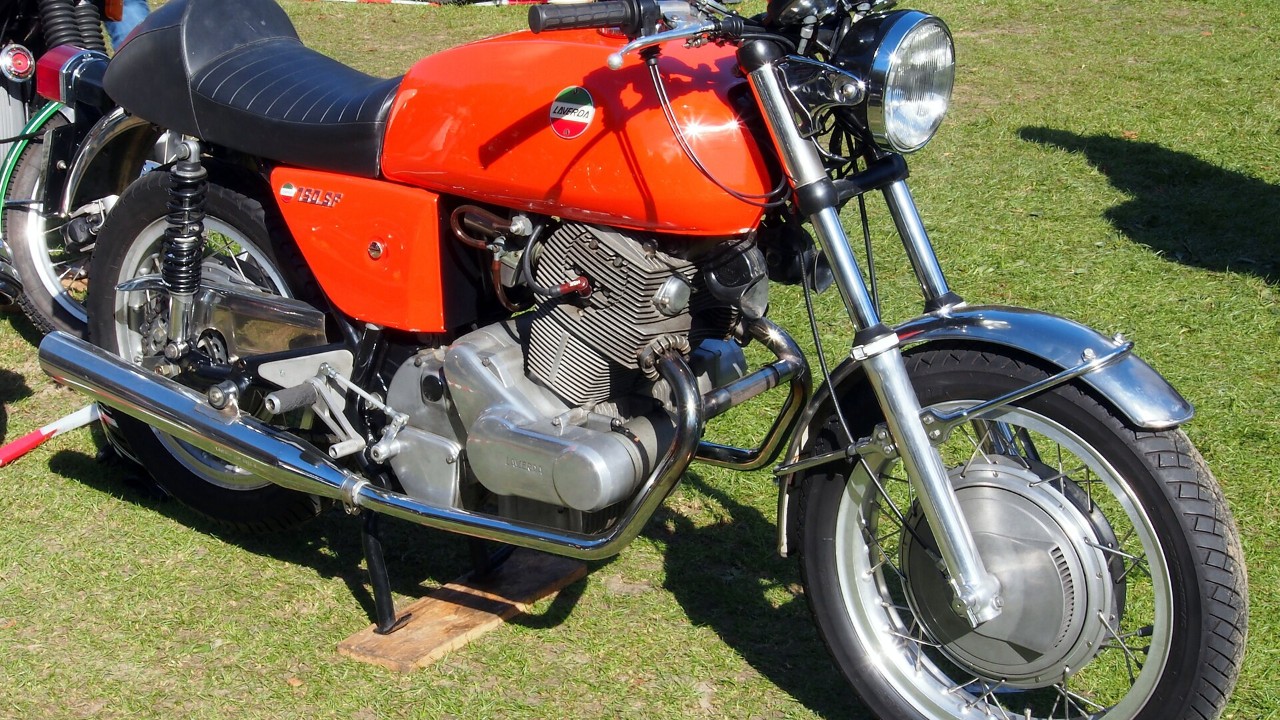
Laverda showed its first big twin, a 650, in 1966 and put it into production in 1968. The SF name followed around the start of the 1970s. Its 750cc parallel twin used a single overhead cam and an all-alloy, horizontally split case. It made 60 bhp at 6,600 rpm and could reach about 115 mph.
The SF sold well, too, with more than 18,000 sales across the SF1, SF2 and SF3. Even so, most people still think of the Jota when Laverda comes up, according to BikeSocial’s Laverda 750 SF buying guide. Today, a running SF that needs work starts around £5,500. An immaculate one, by that guide’s figures, tops out near £8,500.
2. 1970 Benelli Tornado 650
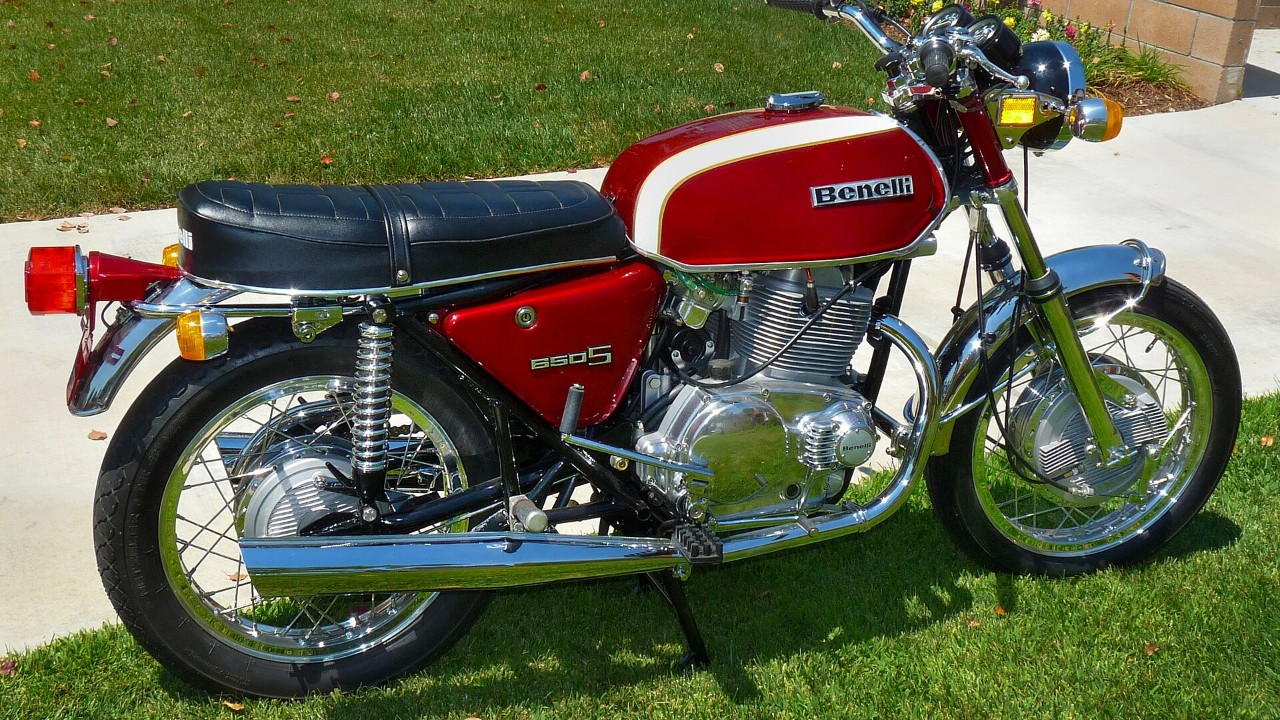
Benelli aimed the Tornado at America first. The first production bikes went on sale there in 1970, and European deliveries followed a year later. Its 650cc twin used a 360-degree crank and an over-square 84 x 58 mm bore and stroke. Benelli claimed 50 hp at 7,400 rpm for the original version.
Later, the 650S added a Bosch electric starter and a claimed 52 hp. Only about 3,000 of all versions were built. In fact, MCNews’ Tornado history opens by calling it an often overlooked motorcycle.
3. 1974 Ducati 860 GT
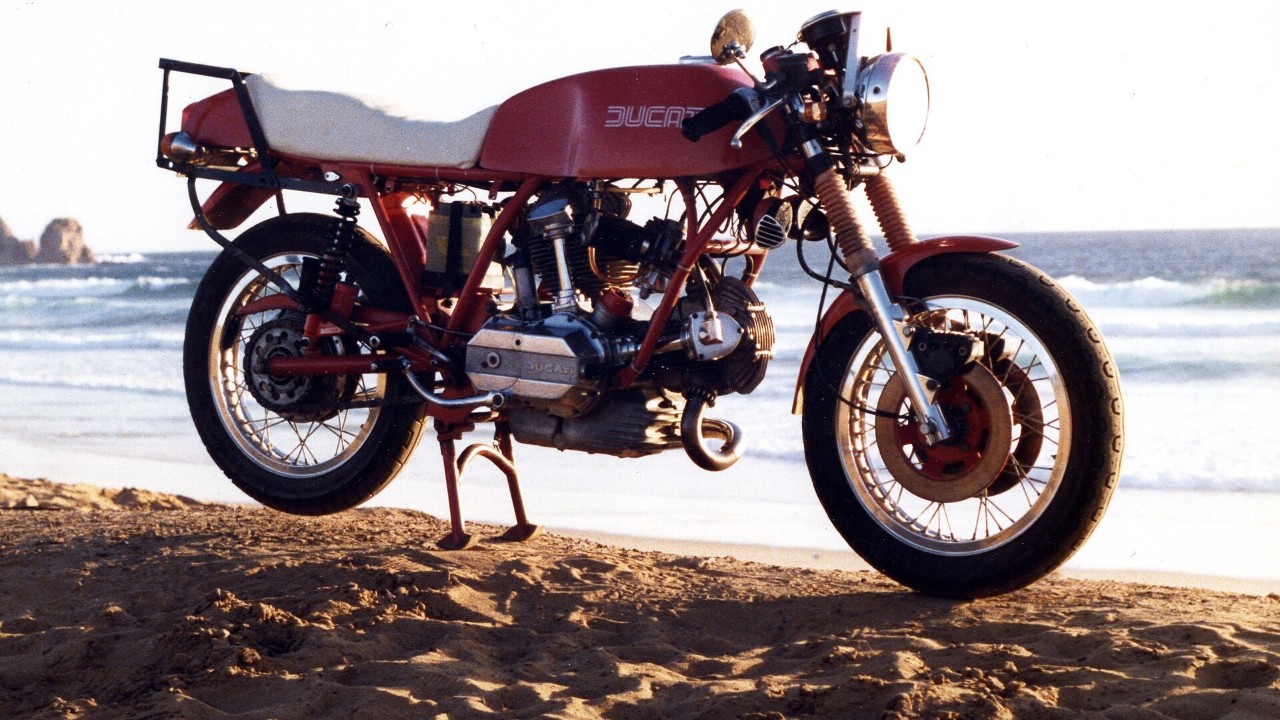
Ducati hired car stylist Giorgio Giugiaro of ItalDesign to shape the 860 GT. He had no motorcycle experience, and the styling got a lukewarm reception in the U.S. Underneath, Ducati bored its 750 twin out by 6 mm to 864cc and kept bevel-driven overhead cams. Power came in around 60 hp at 6,900 rpm.
Production began in September 1974, and the electric-start GTE followed in January 1975. Buyers stayed away, however. According to Rider magazine’s 860 GT retrospective, Ducati built just 2,987 GT and GTE models, and at least a third were still unsold at the end of 1975. Rider adds that not many stock GTs remain, because owners modified so many.
4. 1960s Aermacchi Harley-Davidson Sprint
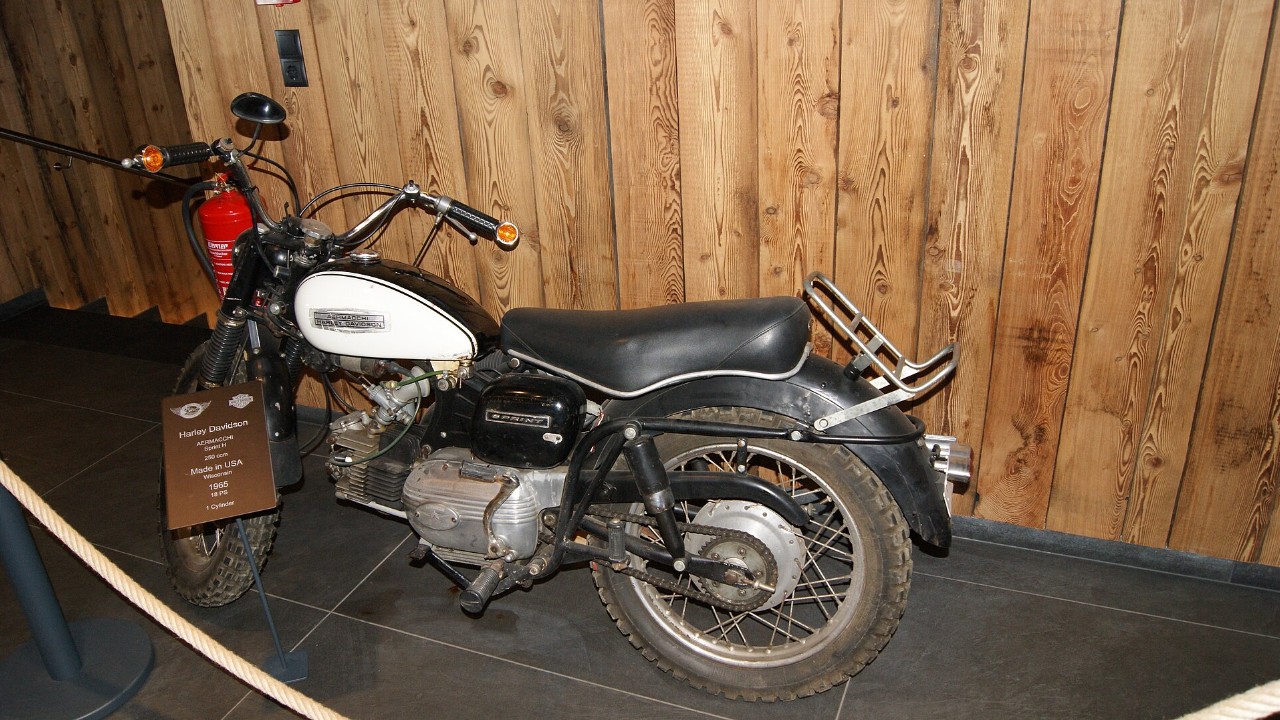
In 1960, Harley-Davidson bought half of Italian maker Aermacchi, reportedly for $250,000. The prize was a 250cc four-stroke single with a near-horizontal cylinder, which kept the center of gravity low. Harley first sold it in America as the Wisconsin. Then sales staff pointed out that the name didn’t travel well, so it became the Sprint in the early 1960s.
The short-stroke engine would rev to 10,500 rpm. Later, in 1969, Harley enlarged it to 350cc for the SS350. Meanwhile, George Roeder’s streamliner used a single 250cc Sprint engine to set records at a 177 mph two-way average, as Curbside Classic’s Sprint history recounts.
5. 1946 Gilera Saturno
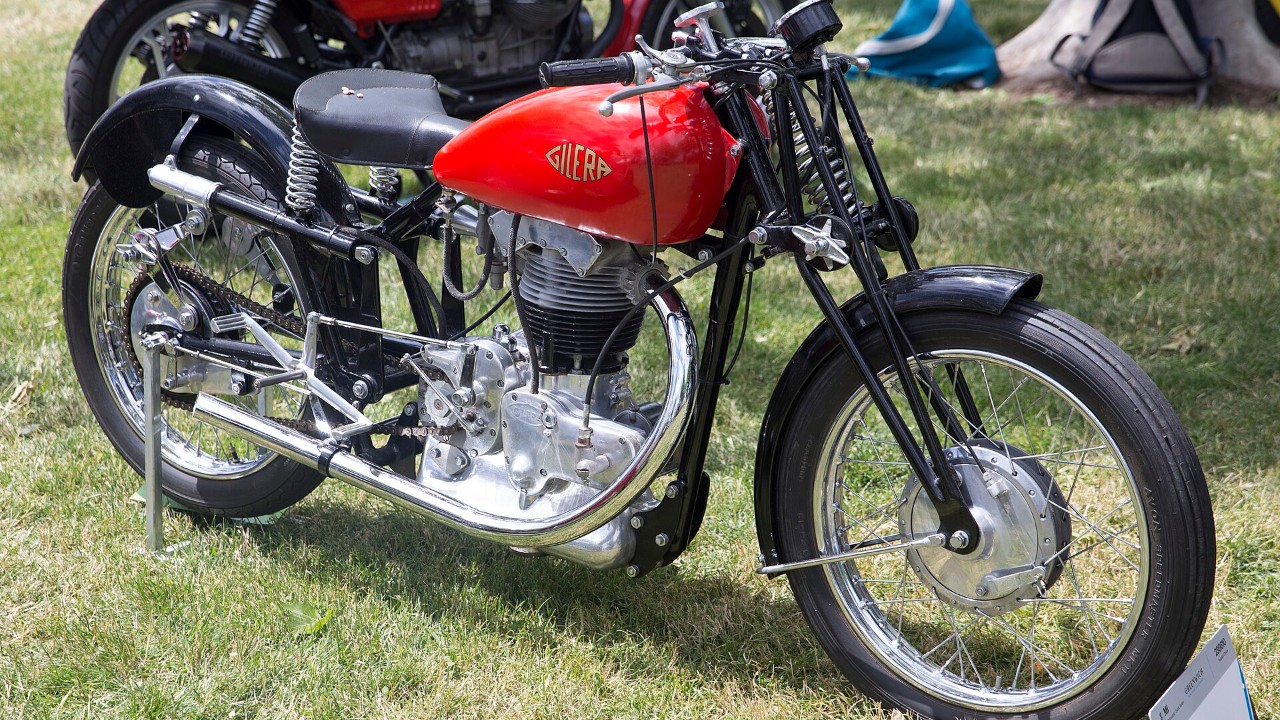
Engineer Giuseppe Salmaggi designed the Saturno around a 499cc single. Racing versions came first, and Massimo Masserini won the Targa Florio road race on one in 1940. Then, in 1946, Gilera began full-scale production of the road bike.
The Sport version made a claimed 22 hp at 5,000 rpm. By 1959 it cost half a million lire, roughly the price of a Fiat 500. Gilera built almost 6,500 Saturnos before production ended at the close of the 1950s, according to Hagerty’s Saturno history.
6. 1995 Aprilia RS250, the Italian motorcycle with a Suzuki engine
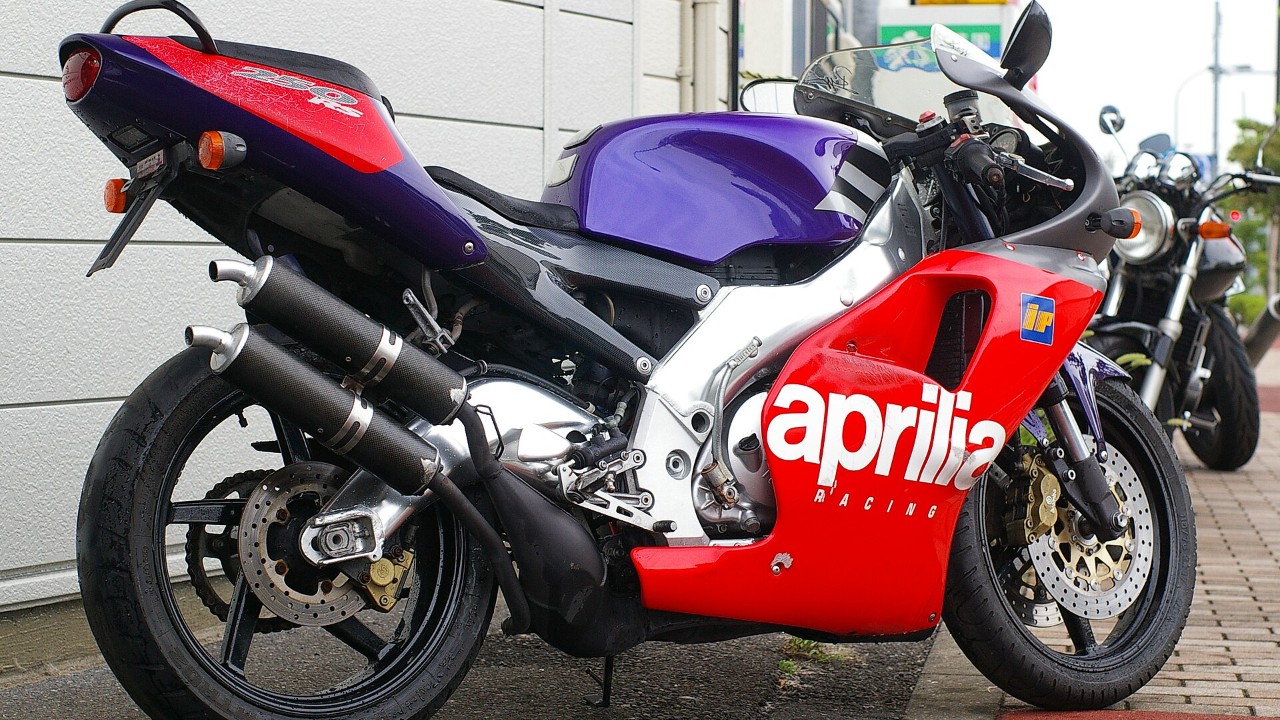
Aprilia built the RS250 around a two-stroke V-twin bought from Suzuki, the RGV250 engine. Aprilia ordered 3,500 of them in the first year. The factory claimed 70 bhp, though the real rear-wheel figure turned out to be more like 53 bhp. Dry, it weighed 141 kg.
When it launched in 1995, the RS250 cost £5,495. To some riders, it’s the most desirable of the two-stroke 250 race replicas. Today a good one sits around £7,500, and BikeSocial’s RS250 buying guide listed values of £6,500 to £8,000 in 2019. In other words, this Italian motorcycle trades for not much more than its 1995 sticker price in pounds.
More from Fast Lane Only