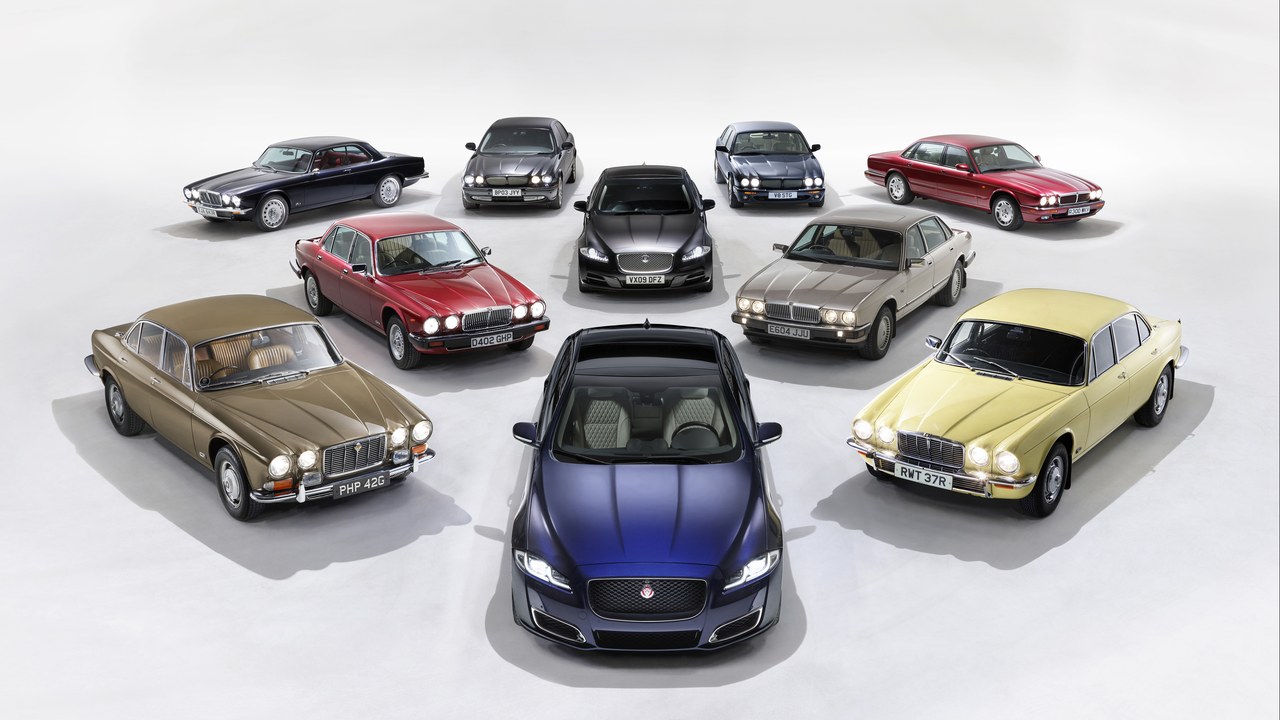
Jaguar launched the XJ saloon in September 1968, and the name lasted through several complete redesigns. Each Jaguar XJ series below changed something real: the engine, the body structure or the price class it fought in. Here are seven of those cars, from the first XJ6 to the aluminium X351 of 2009.
Two generations, the Series 2 and the X300, sit out this list so the seven can each show a distinct step. Every figure below belongs to the model year or generation named with it.
1. 1968 Jaguar XJ6 Series 1
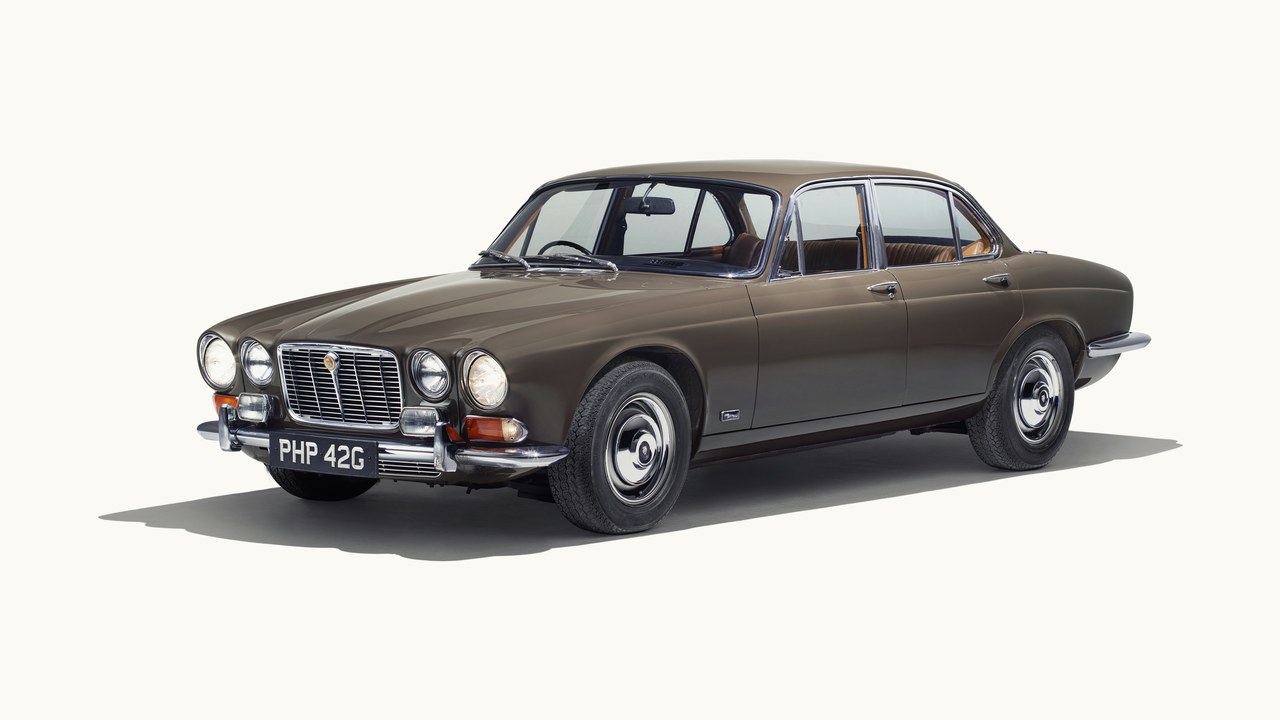
Inside Jaguar, the car began as project XJ4. At launch it offered only the XK straight-six, in 2.8- and 4.2-litre sizes, because the V12 was not ready yet. Even so, a waiting list formed immediately, according to the Classics World XJ guide.
Price, in fact, was a big part of that demand. The 2.8 cost £1,797 and the 4.2 cost £2,398 in Britain. That undercut the Mercedes 280SE and BMW 2800 by about £1,000, the Classics World guide says.
2. 1972 Jaguar XJ12 Series 1
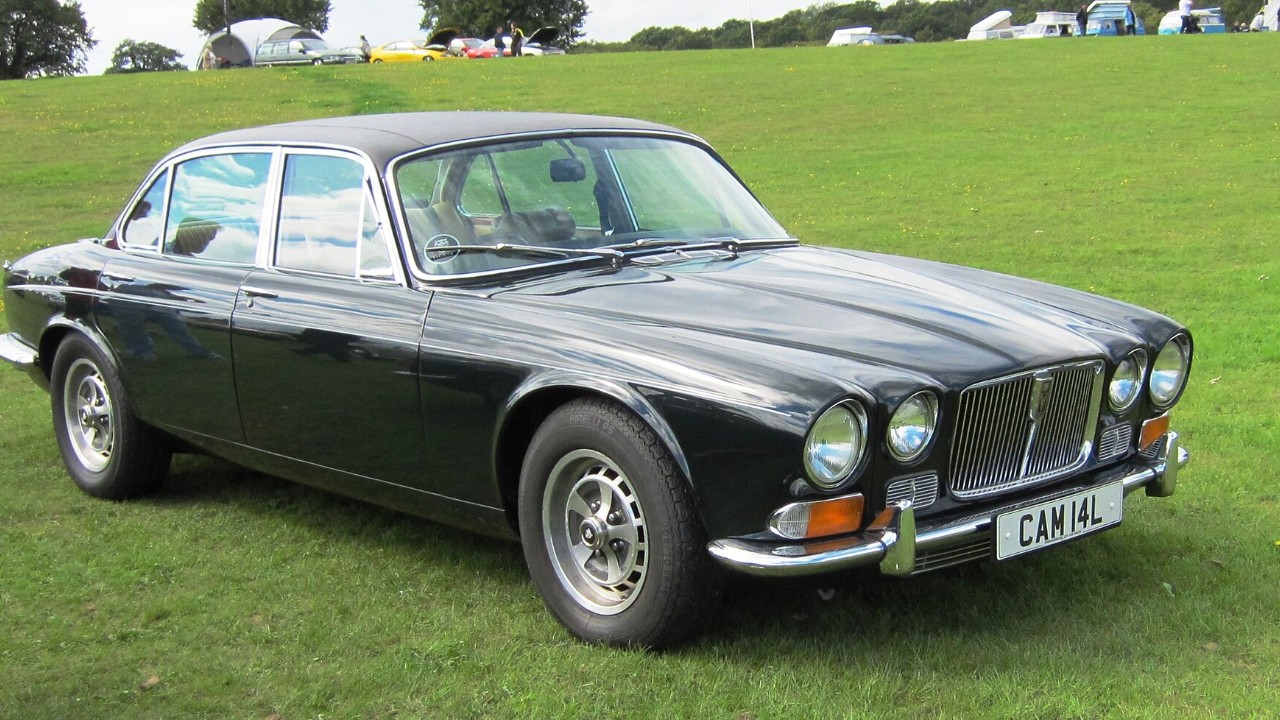
The V12 finally arrived in 1972, and the Jaguar XJ Series 1 became the XJ12. Its 5,343cc V12 breathed through four carburetors. According to Classic & Sports Car, it made 253 bhp and gave the car a 150-mph top speed.
The Series 1 XJ12 had a short life, though. Jaguar built it only for 1972 and 1973. The same source counts 2,482 standard-wheelbase cars and 753 long-wheelbase cars from those two years.
3. 1979 Jaguar XJ6 Series 3
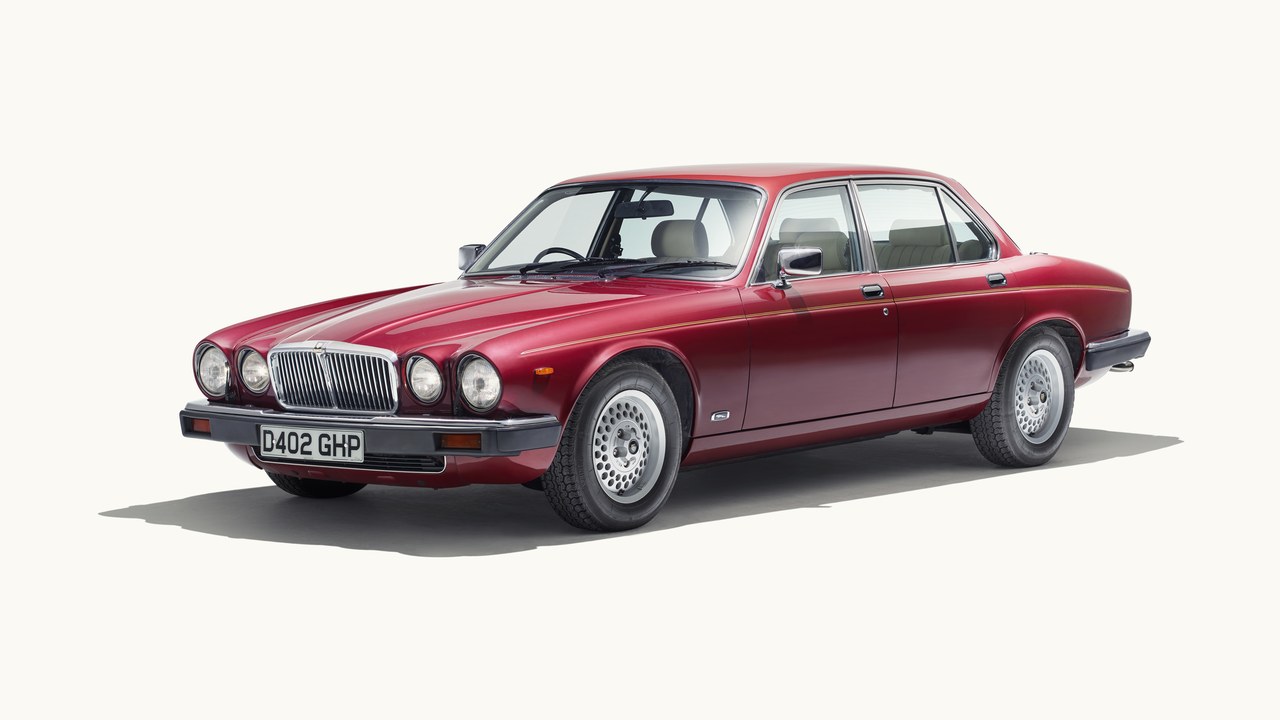
For the Jaguar XJ Series 3, however, the company turned to Pininfarina. Classics World says the Italian firm “achieved a rare trick here of taking a Lyons design and improving it.” Under the hood, meanwhile, the 4.2-litre six gained fuel injection.
As a result, that restyle had staying power. The Series 3 ran from 1979 to 1992, which made it the longest-lived of all the XJ generations, per the Classics World guide.
4. 1986 Jaguar XJ6 (XJ40)
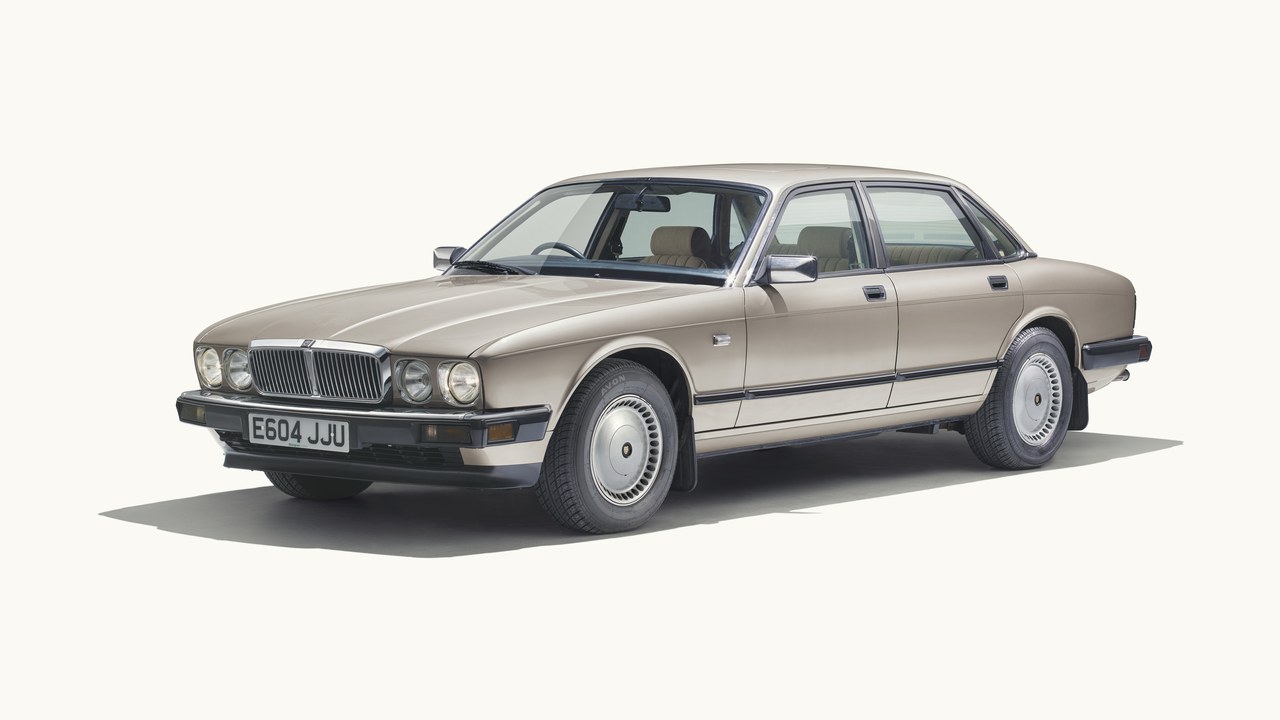
XJ40 production began in June 1986, and the American launch followed six months after the British one. The car used the 3.6-litre AJ6 six from the XJ-S. It also had 20 per cent fewer body panels than the car before it, Classics World notes.
Jaguar’s own XJ50 press release credits the XJ40 with introducing the J-gate shifter and self-levelling suspension. After that, it stayed in production for eight years. Along the way, it helped Jaguar sell more than 50,000 cars in a year for the first time, in 1988.
5. 1997 Jaguar XJR (X308)
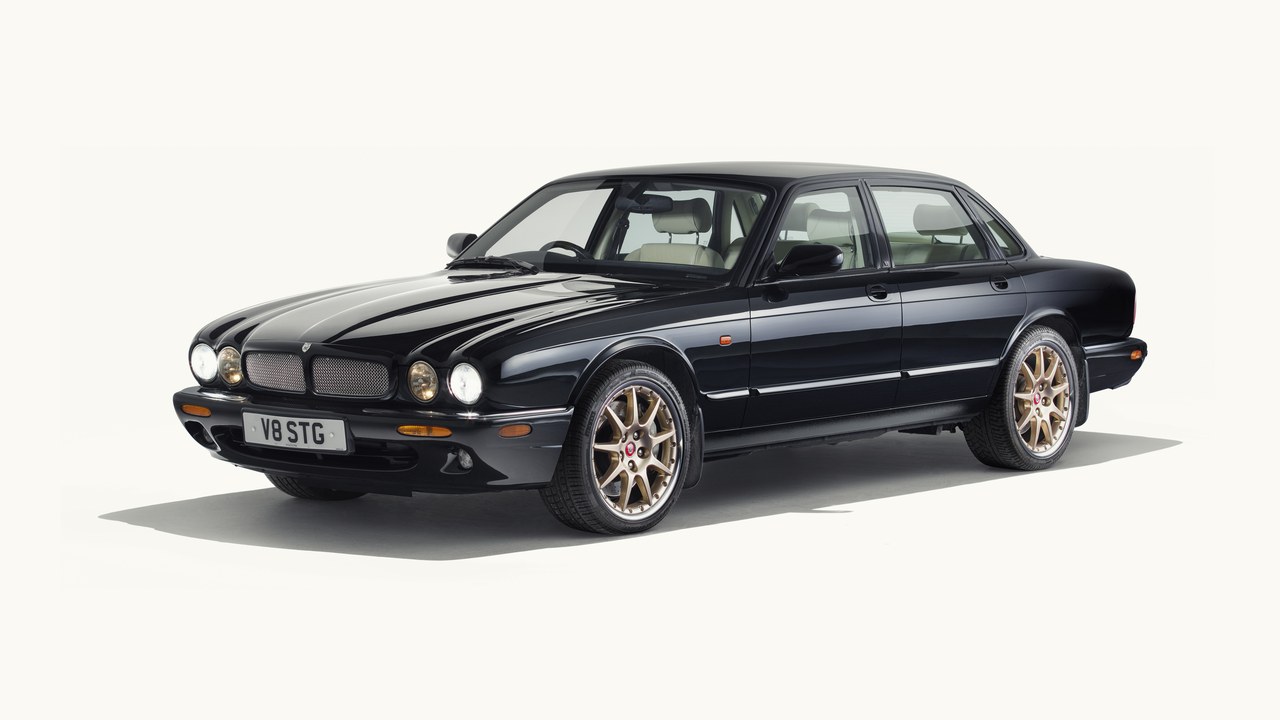
The X308’s big change was the new V8 designed for the XK8. Classics World lists 3.2- and 4.0-litre V8s, plus a supercharged 4.0 in the XJR, with no V12 and no manual gearbox. It also calls the X308 the last XJ to be a real volume seller.
The XJR’s supercharged engine made 370 hp, 40 hp more than the first XJR, according to PistonHeads. It drove through a Mercedes-sourced five-speed automatic and hit a 155-mph electronic limiter. PistonHeads also flags that early AJ-V8s used Nikasil cylinder liners.
6. 2003 Jaguar XJ (X350)
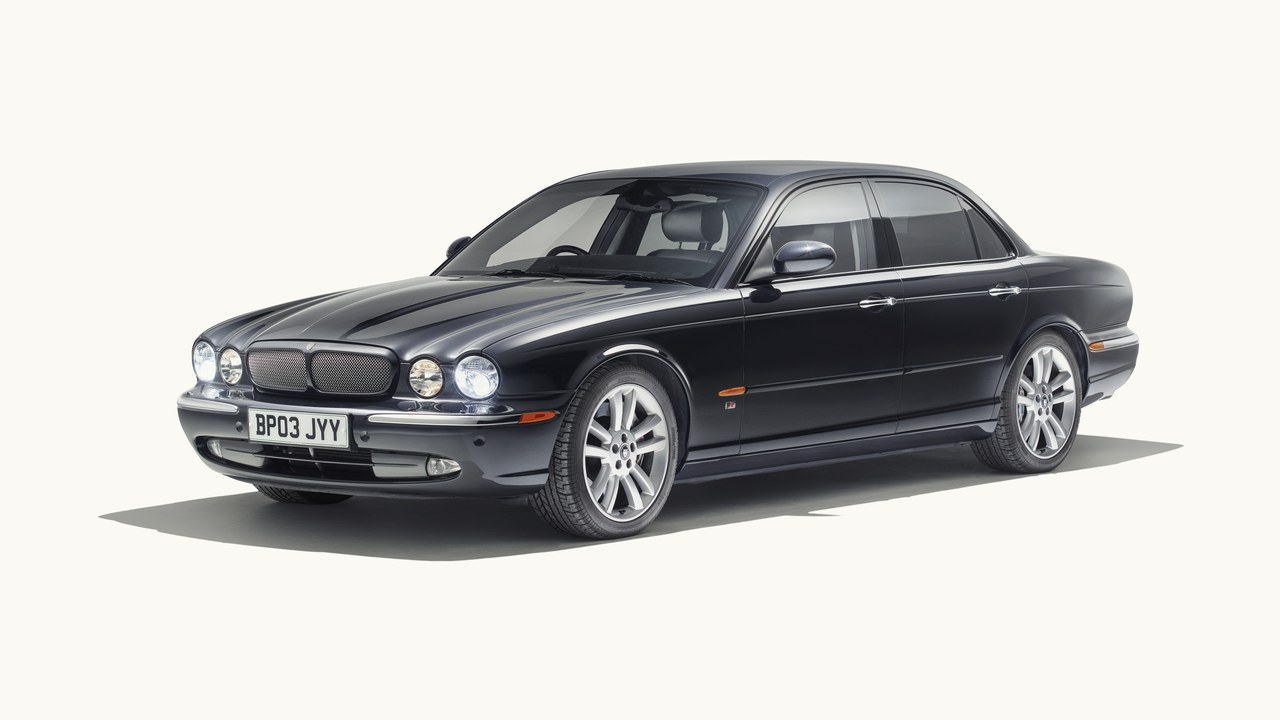
The X350 rebuilt the XJ in aluminium. Jaguar’s release says the new monocoque bodyshell cut the car’s weight by 40 per cent from 2003. Classics World adds that Jaguar bonded and riveted the structure, a high-tech method for a saloon of its day.
The X350 also opened the XJ to diesel for the first time. That engine was a 2.7-litre V6 rated at 35 mpg, according to the Classics World guide. Later, a 2007 update brought larger bumpers and a revised grille.
7. 2010 Jaguar XJ (X351)
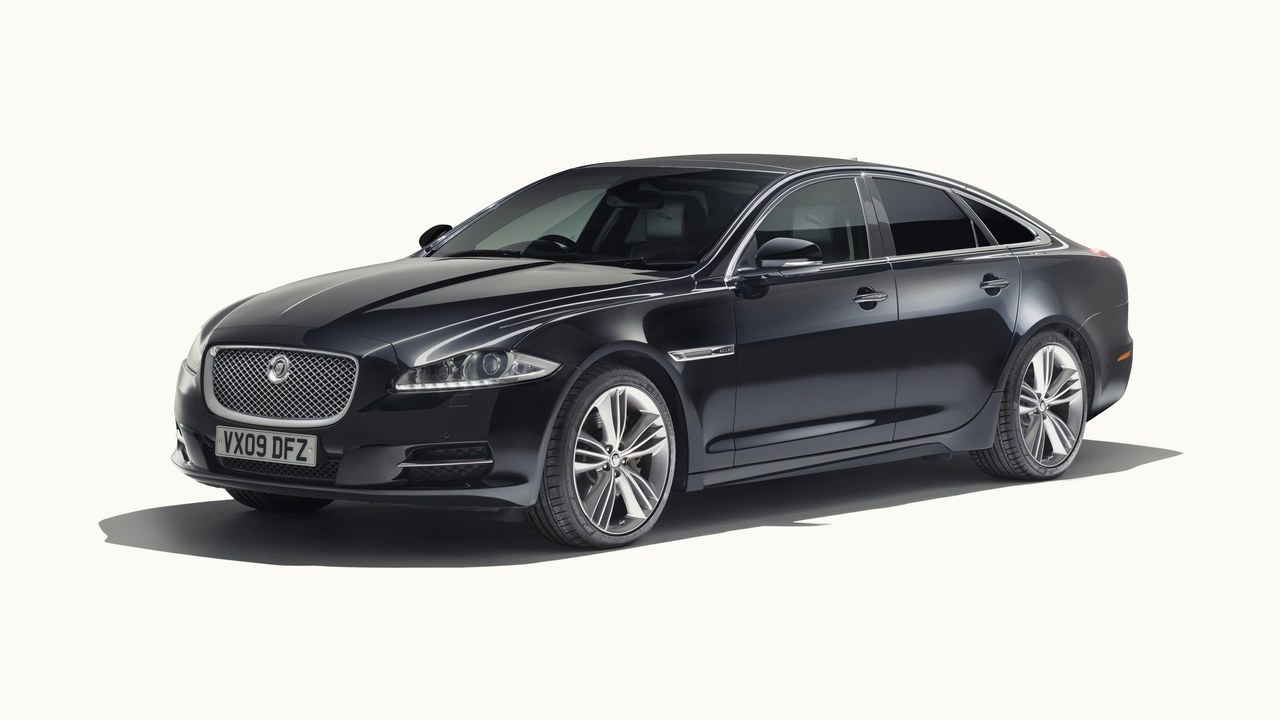
Ian Callum’s XJ appeared in 2009 with a coupe-like roofline, a wraparound rear screen and what Jaguar calls “cat claw inspired” rear lights. At the same time, Classics World says it moved the car upmarket to face the Maserati Quattroporte and Porsche Panamera.
The car made its US debut at Pebble Beach in August 2009, where AutoGuide reported the 2010 prices. A 385-hp 5.0-litre V8 started at $72,500, and the 470-hp Supercharged cost $87,500. Finally, at the top, the 510-hp Supersport listed at $112,000, all on an aluminium chassis.
More from Fast Lane Only