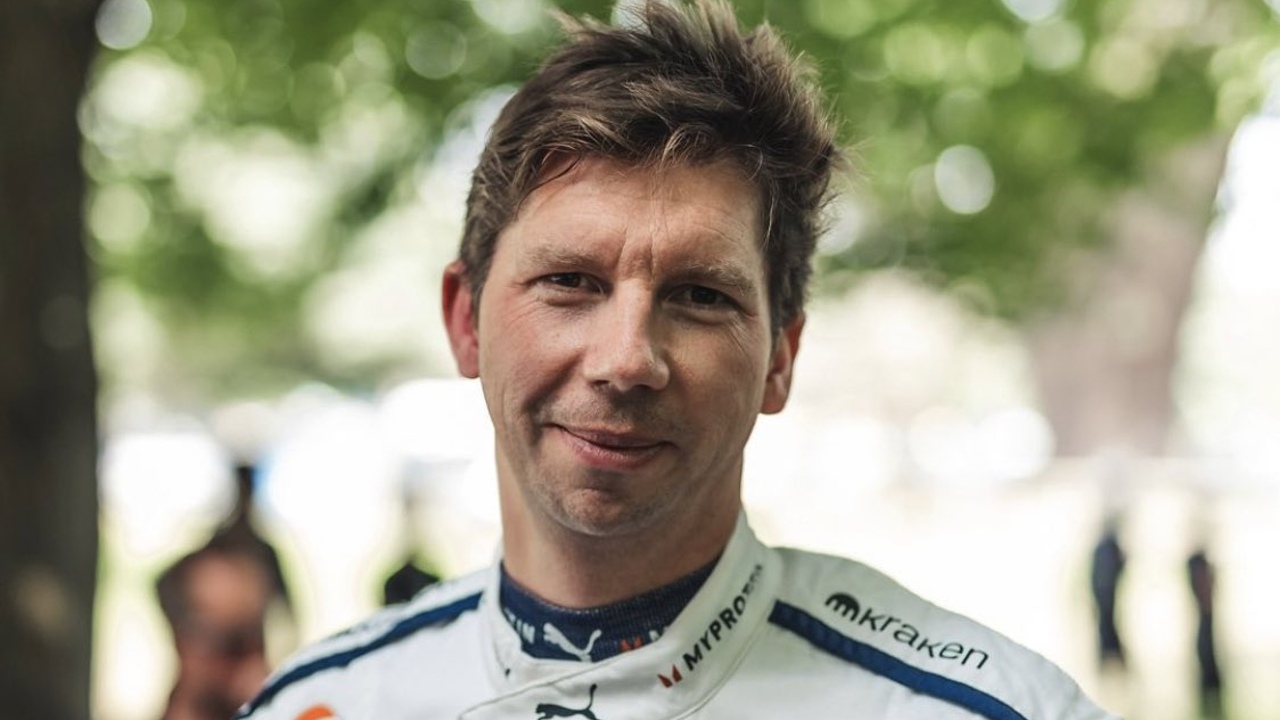
Williams has handed Luke Browning one of the most coveted apprenticeships in Formula 1, and team principal James Vowles has been unusually forthright in his praise. By elevating the 23-year-old Briton to reserve driver, Williams is not only rewarding a standout junior career but also signalling that Browning is central to its long-term rebuild. The move crystallises a relationship that Vowles helped initiate, and it offers a revealing glimpse into how the team intends to blend youth, data and opportunity in the next phase of its Formula 1 project.
Vowles’ public backing and what it really signals
I read James Vowles’ comments on Luke Browning as far more than polite corporate welcome. When a team principal says he is “proud to have him onboard” and highlights how a young driver has “earned” a promotion, it is a clear indication that the driver is being treated as a serious future option rather than a marketing accessory. Vowles has framed Browning’s step up as the logical next stage of a carefully managed pathway, not a speculative gamble, and that language matters inside a paddock where every word is weighed by rivals and drivers alike.
That endorsement carries extra weight because Vowles has been closely involved in Browning’s journey since the driver first joined the Williams system. Reporting on their early collaboration describes how Vowles personally pushed for Browning’s junior deal with Williams, effectively “snapping his hand off” when the opportunity arose to bring him into the programme. When the same figure later describes Browning’s promotion to reserve as fully deserved, it reads as the culmination of a long-term bet paying off rather than a sudden change of heart.
From junior signing to reserve driver, a planned ascent
I see Browning’s new role as the product of a structured plan that began when Williams first added him to its academy. At that stage, he was a promising prospect whose karting and junior single-seater results suggested raw speed but not yet a guaranteed Formula 1 trajectory. Vowles’ decision to secure Browning’s signature for the Williams junior programme set the foundation for a multi-year development arc, with the team tracking his progress through successive categories and exposing him to Formula 1 operations behind the scenes.
That investment has now crystallised in a formal reserve driver position for the 2026 season, with Williams confirming Browning as the designated back-up to its race line-up. The team has made clear that this is not a passive title: Browning will combine his new responsibilities with a full campaign in Super Formula, one of the most demanding single-seater series outside Formula 1, and he is expected to take part in Formula 1 practice sessions as part of his integration. The structure of the role, split between intensive racing in Japan and regular work with the Williams race team, underlines how deliberately the team has mapped his progression.
Results that justify the promotion
I find it difficult to argue that Browning has not earned this step on merit. His 2025 Formula 2 season, where he finished fourth in the championship, provided the kind of evidence teams look for when deciding whether a junior can handle the pressure and complexity of modern Formula 1 machinery. That campaign included a race victory and eight podium finishes, a level of consistency that suggests he can manage tyres, execute race plans and deliver under varying conditions rather than relying on occasional flashes of speed.
Those numbers matter because Formula 2 is designed to be a proving ground, and a driver who can regularly fight at the front there is usually capable of adapting to the demands of a Formula 1 car. Williams’ own announcement of Browning’s promotion highlighted that “stellar” F2 run as a key factor in the decision, framing his results as the decisive proof point that he was ready for a more senior role. When a team links a promotion so explicitly to on-track performance, it sends a message to the rest of its academy that results will be rewarded, which in turn strengthens the credibility of the entire pathway.
Inside the Williams academy strategy
From my perspective, Browning’s elevation is also a window into how Williams is reshaping its driver academy. The team has been clear that it wants a more coherent structure, with defined steps from junior categories through to meaningful Formula 1 involvement. Confirming Browning as reserve driver for 2026 sits alongside a broader effort to formalise the academy, with the programme now positioned as a genuine pipeline rather than a loose collection of prospects. The fact that Browning is the one moving into the reserve role suggests he is currently the benchmark against which others in the system will be measured.
The choice of Super Formula as his parallel racing programme is another deliberate strategic marker. That championship is widely regarded as the closest thing to Formula 1 in terms of car performance and race format, and Williams has arranged for Browning to drive for Team Kondo Racing as part of this next phase. By embedding him in such a competitive environment while keeping him closely tied to the Formula 1 operation, the team is effectively stress-testing him in conditions that mirror the intensity and technical demands of a Grand Prix weekend. It is a far more aggressive development plan than simply parking a reserve driver in a simulator and occasional test sessions.
Browning’s own mindset and the road ahead
What strikes me most in Browning’s own comments is how clearly he understands both the opportunity and the scrutiny that come with this role. He has described himself as “incredibly excited” to be stepping up as Reserve Driver with the Atlassian Williams F1 Team, and he has framed the move as the next step in a journey that has already been shaped by the team’s academy structure. That choice of words suggests a driver who sees the reserve position not as a consolation prize but as a critical stage in a long-term plan to reach a full race seat.
At the same time, Browning has acknowledged the scale of the task in front of him, noting that he will need to adapt quickly to the dual demands of Super Formula and Formula 1 responsibilities. The team has emphasised that he will be deeply involved in simulator work, race weekend preparation and, where regulations allow, practice sessions, which means he will be judged internally on far more than his Sunday results in Japan. With James Vowles already on record as being proud to have him in the organisation and having played a central role in bringing him into Williams in the first place, Browning now carries the weight of being the most visible test of the team’s academy philosophy. If he thrives, it will validate Vowles’ conviction that carefully chosen young drivers, given the right structure, can help return Williams to the sharp end of the grid.
More from Fast Lane Only