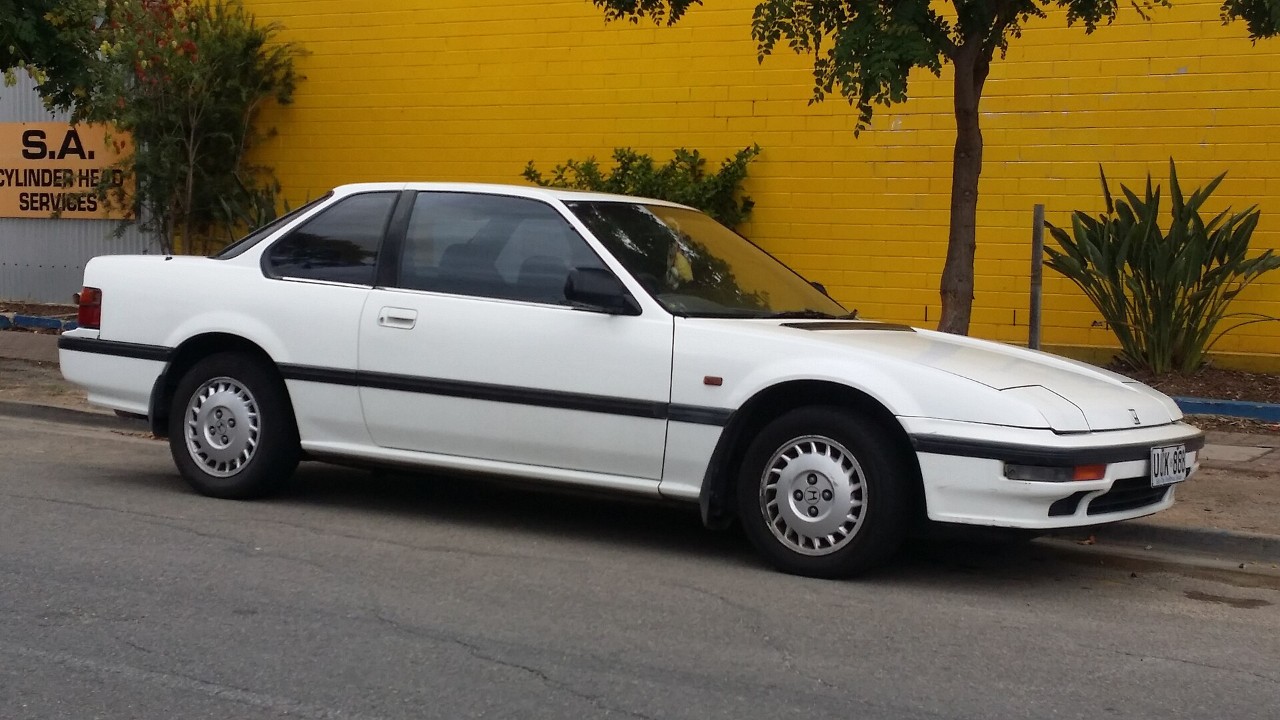
When Honda put four-wheel steering on the Prelude, it expected about 30% of buyers in Japan to tick the box. In fact, 80% of them chose the Prelude 4WS in its first year. That is the kind of response every engineering team hopes for and rarely gets.
Plenty of other clever Japanese cars were not so lucky. Some arrived with features that buyers did not yet want. Others landed in the wrong segment, at the wrong price or just as their maker was pulling back from the market. As a result, cars with real engineering behind them ended up as footnotes on the sales charts.
These seven are our picks, the Japanese cars we think deserved far bigger sales than they got. That verdict is our opinion. However, the engines, launch dates and sales totals come from maker histories, period coverage and model records, and we only give a number where a source we read gives it.
1. 1988 Subaru XT6
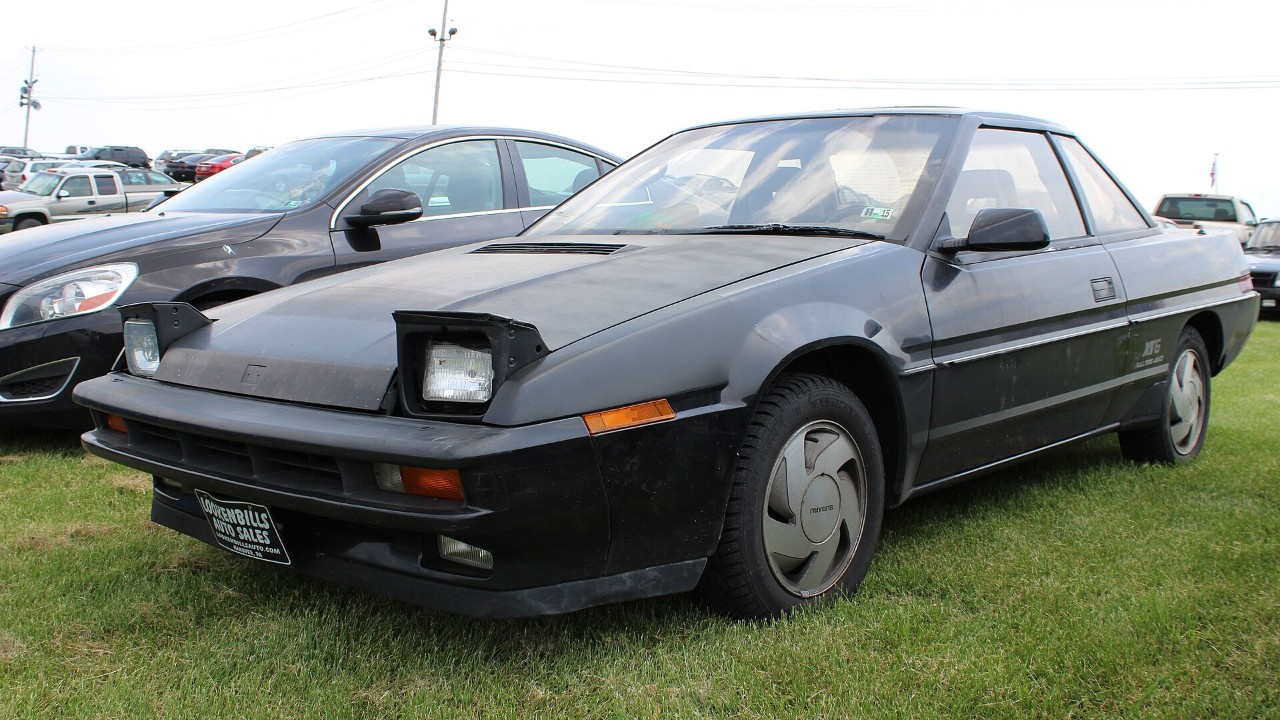
Subaru’s wedge-shaped XT coupe got the engine it always seemed to need for 1988. The XT6 added the ER-27, a 2,672cc flat-six rated at 145 horsepower and 156 lb-ft of torque. That gave the angular coupe smooth, quiet pull to match its space-age looks.
The XT6 also carried an unusual steering setup. Subaru called it Cybrid, an adaptive electrohydraulic system that varied the assist with road speed and did without a belt-driven pump. In addition, the XT range offered height-adjustable pneumatic suspension, and the six-cylinder cars got stiffer settings for the heavier engine. Even so, the whole XT, XT6 and Japanese-market Alcyone family totaled 98,918 units, and the line ended after 1991.
Our take: the XT6 was a flagship idea from a brand best known for practical wagons. That may be exactly why it struggled. Buyers who wanted a six-cylinder grand tourer rarely walked into a Subaru showroom to find one. We think that was their loss. Few cars from 1988 look this distinctive today. If you find a clean XT6, keep in mind that its steering fluid is not compatible with conventional power steering fluid.
2. 1999 Honda Insight
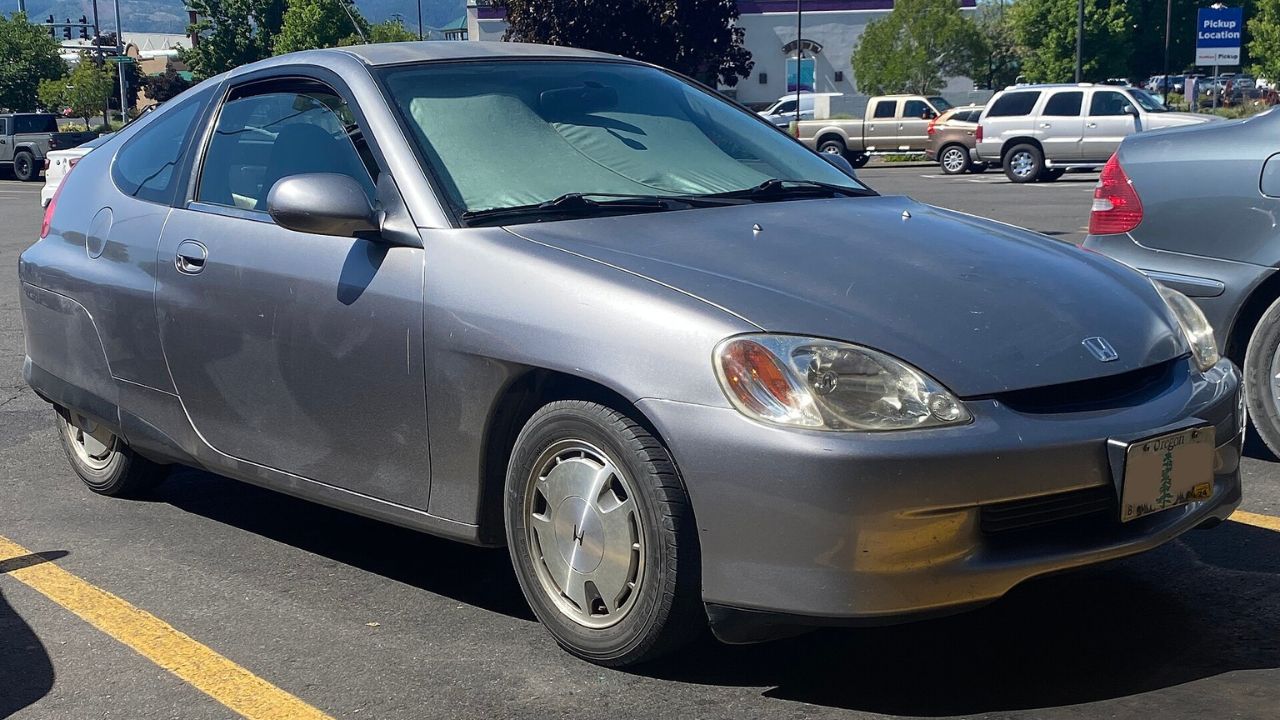
The first Honda Insight reached North America in December 1999, seven months ahead of the Toyota Prius. It was a two-seat teardrop built around an aluminum monocoque. A manual car without air conditioning weighed just 1,847 pounds, and the body cut through the air with a 0.25 drag coefficient.
Under the rear-wheel skirts sat a tiny package. A 1.0-liter three-cylinder made 67 horsepower, and Honda’s Integrated Motor Assist added 13 more for a combined 73. The original EPA rating was 70 mpg on the highway. Still, Honda sold only 17,020 first-generation Insights worldwide over seven years, against an original plan of 6,500 a year. North America took 14,288 of them.
In our view, the Insight lost the sales race because it asked too much of everyday buyers. Two seats and a radical shape suited enthusiasts more than commuters. Meanwhile, the aluminum body made it expensive to build, so Honda never designed it for high volume. We still think it should have done better, because no hybrid since has felt this pure. The Insight name has since returned in a new form, and we covered how the Honda Insight returns as a $35,000 EV.
3. 1995 Mazda Millenia S
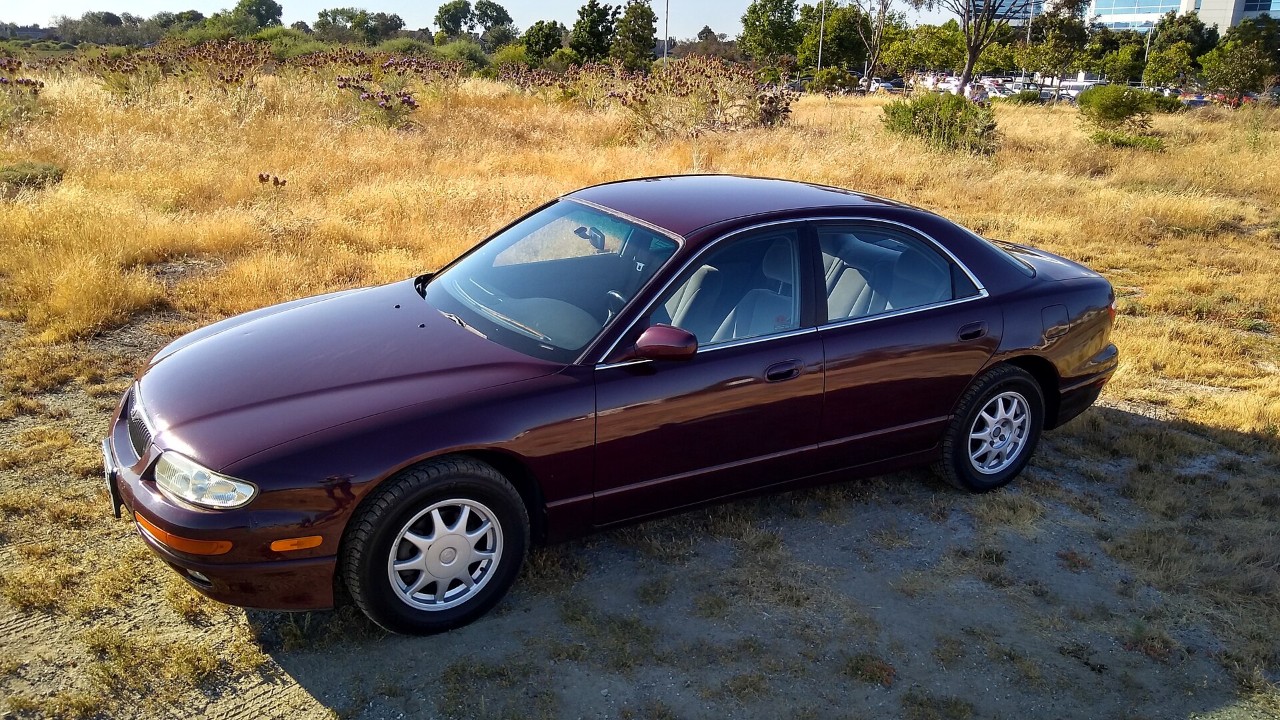
The Millenia was meant to wear a different badge. Mazda planned it as the launch model for Amati, a luxury brand that would have sold it as the Amati 500. Mazda canceled Amati by October 1992, so the car arrived in North America in 1994 as the 1995 Mazda Millenia instead.
The S trim got the clever part. Its KJ-ZEM V6 displaced just 2.3 liters, yet it made 210 horsepower and 210 lb-ft of torque. The trick was the Miller cycle. According to Jalopnik’s look back at the Millenia, the engine held its intake valves open longer and used a twin-screw supercharger to make up the difference. That article also notes that Ward’s praised it at 91 horsepower per liter.
Our take: the Millenia S was a luxury sedan with an engineering story most rivals could not match. However, without the Amati badge, it had to win luxury buyers with a Mazda badge on the nose. In our view, that was always going to be a hard sell. We think it deserved a much larger audience. Production finally ended in September 2002, and the Miller-cycle V6 bowed out with it.
4. 1988 Honda Prelude Si 4WS
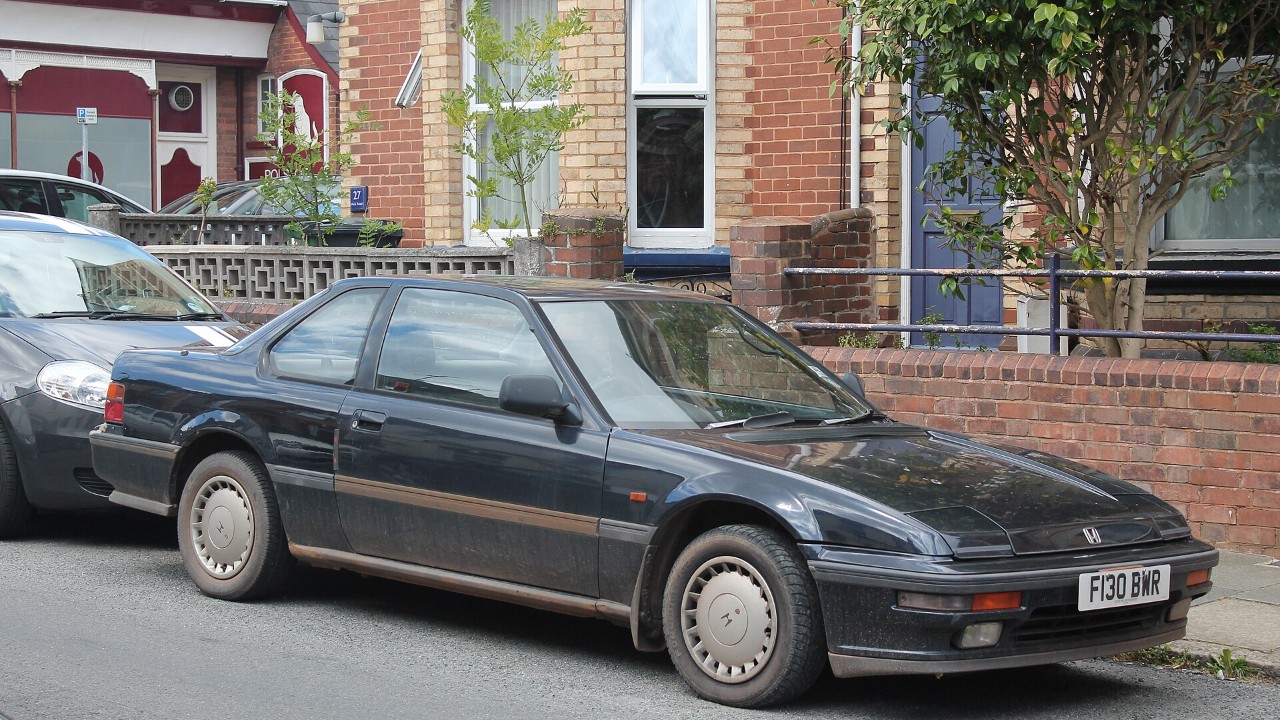
Honda introduced its steering-angle sensing four-wheel steering in April 1987 on a high-performance Prelude. The Honda heritage account of the 4WS system explains how it worked. At small steering angles, the rear wheels turned the same way as the fronts. At bigger angles, they turned the opposite way to tighten the turn.
Notably, the system used no electronic controller. Instead, a mechanical linkage with two cranks and a planetary gear did the job. Honda also tilted the engine back 18 degrees, which let the hood sit 1.2 inches lower than on the previous generation. In a Road & Track slalom test, the 1988 Prelude 2.0Si 4WS ran 65.5 mph, slightly quicker than the 1988 Corvette at 64.9 mph.
In our view, the Prelude Si 4WS is the one car here that sold well at home and still deserved more fans abroad. Buyers in Japan embraced the option. We think buyers everywhere else should have followed their lead, because the mechanical setup was simple and clever. If you want to see where the name went next, we took a look at the 2026 Honda Prelude prototype.
5. 2010 Suzuki Kizashi

Suzuki put the Kizashi on sale in North America on December 1, 2009. It was a compact sport sedan with a 2.4-liter four rated at 185 horsepower with the six-speed manual, or 180 with the CVT. Buyers could also add all-wheel drive on every trim except the base S, with a button that switched it to front-drive only.
The car earned real praise. It collected AutoPacific Vehicle Satisfaction Awards for 2010 and 2011, and Consumers Digest named it a Best Buy for 2011. Even so, U.S. buyers took only 6,138 in 2010 and 6,942 in 2011. Then sales fell to 5,566 in 2012 and 1,602 in 2013, the year Suzuki withdrew from the American market.
Our take: the Kizashi was a good car from a brand that most sedan shoppers never thought to visit. We think it deserved far better. A manual, all-wheel-drive-capable midsize sedan with a 185-horsepower engine was an unusual mix for its class. In December 2013, Suzuki announced it would phase out the Kizashi worldwide without a successor. If you want one now, the manual cars are the ones we would look for first.
6. 2003 Subaru Baja
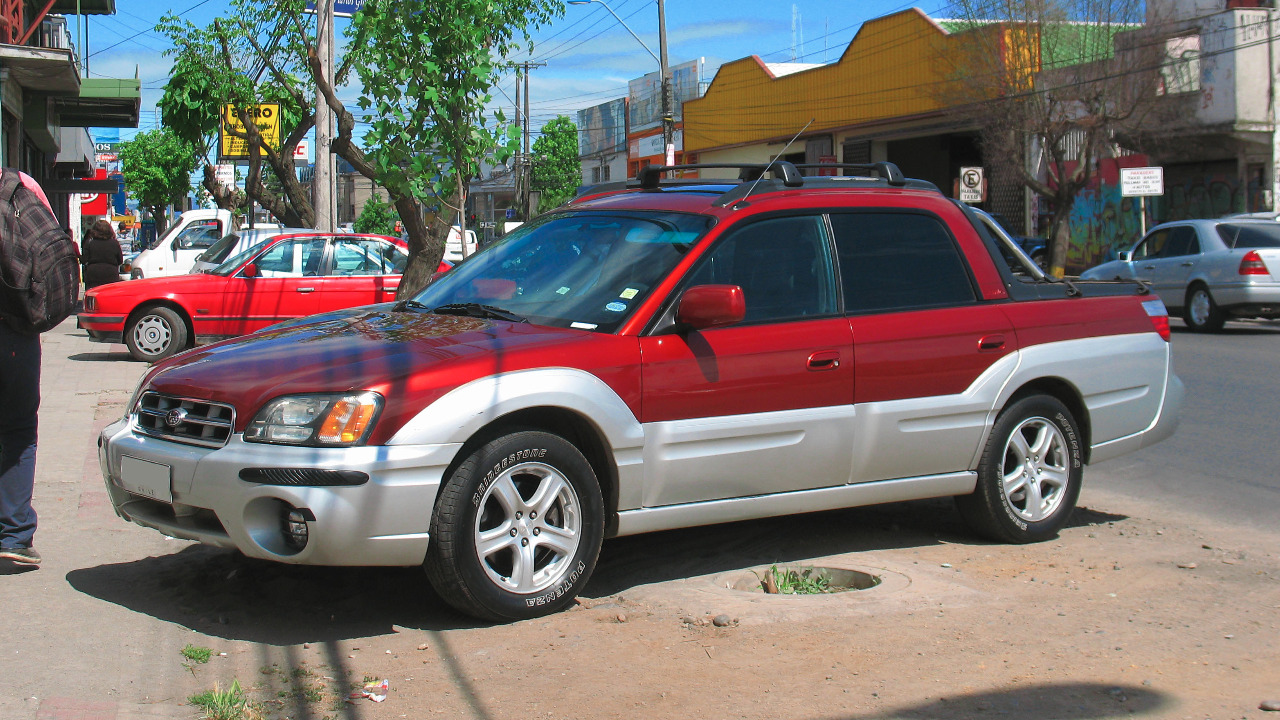
Subaru built the Baja in Lafayette, Indiana, and based it on the Legacy and Outback wagon. That gave it the same unibody, mechanicals and much of the same sheet metal. The rear half, however, became an open bed with seating for four ahead of it.
The clever bit was the Switchback system. With the rear seat folded and a small hatch in the bed opened, load length stretched to about 7.5 feet to the open tailgate. Then, for 2004, Subaru added a 2.5-liter turbo making 210 horsepower. Subaru projected 24,000 sales a year. Instead, about 30,000 reached the market over four and a half years, and production ended in April 2006.
In our view, the Baja simply arrived too early. To us, it looks like an early take on the small car-based pickup. Back then, buyers did not quite know what to make of a car-based truck with a short bed. We think it should have sold at least to its target. Dealers were still moving new 2006 models as late as February 2008, which says plenty about the demand at the time.
7. 2011 Honda CR-Z
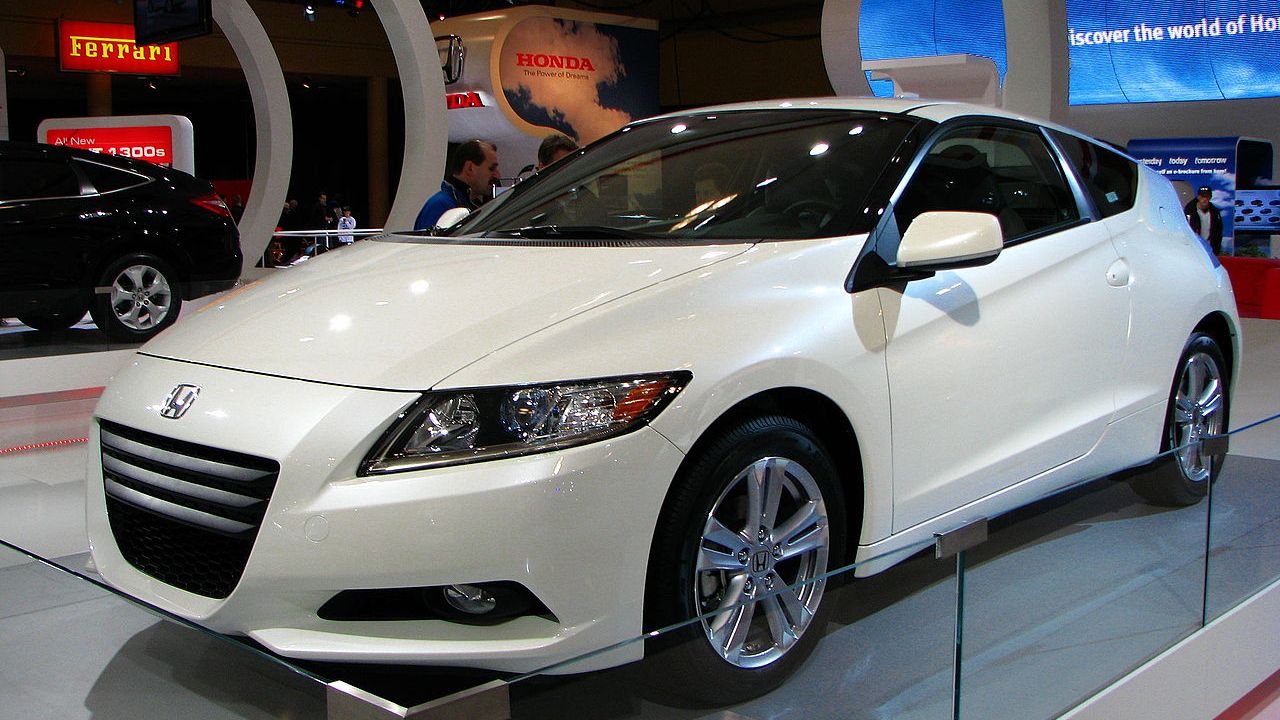
Honda pitched the CR-Z as a sporty hybrid coupe, and many saw it as a spiritual successor to the second-generation CR-X. It paired a 1.5-liter i-VTEC four with Honda’s Integrated Motor Assist. Unusually, buyers could get it with a six-speed manual. In fact, the CR-Z was the third Honda hybrid offered with a manual, after the Insight and the Civic Hybrid.
It won the Car of the Year Japan award for 2010 to 2011. It also offered a Plus Sport system with an S+ button for a short burst of extra acceleration. Yet American sales peaked at 11,330 in 2011. After that, they slid to 2,338 by 2016, and Honda ended production at the end of that year.
Our take: the CR-X comparison set expectations for speed that a hybrid coupe was never built to meet. In our view, that gap hurt its reputation more than the car deserved. We think it was a fun, well-built small coupe that suffered for its own name. Honda made room for the Accord Hybrid and Clarity when it ended CR-Z production. Clean manual cars are now the ones to look for, in our view.
More from Fast Lane Only