The reborn Jensen brand is preparing to show its hand again, with a pre-production Interceptor GTX prototype promised for public debut by early summer. The car is intended as a modern reboot of one of Britain’s most charismatic grand tourers, aimed at proving that the storied name can move beyond nostalgia and into limited-series production.
This project sits at the intersection of heritage design, boutique engineering and a restless market for high-end restomods. How convincingly the prototype comes together will determine whether Jensen remains a fond memory or becomes a viable low-volume manufacturer again.
What happened
Jensen’s latest revival effort has been gathering pace around the Interceptor GTX, a modernised take on the original Interceptor that blends classic proportions with contemporary engineering. According to reporting on the company’s plans, the GTX is scheduled to make its first public appearance in the United Kingdom in the second quarter of the year, with the car described as a pre-production prototype that previews the specification targeted for customer builds. That timeline places the debut before the end of June and frames the car as the first tangible proof that the current Jensen venture intends to move beyond design studies and digital renders.
The Interceptor GTX is pitched as a grand touring coupe in the spirit of the original, with a long bonnet, fastback roofline and seating for four. Rather than a simple cosmetic rebody, the project is based on a heavily reworked structure, with the goal of delivering current safety and performance standards while maintaining the recognisable silhouette. Reporting on the development program describes the car as a pre-production prototype rather than a one-off concept, signalling that the engineering team is working toward repeatable manufacturing processes, supplier agreements and homologation pathways instead of a single showpiece.
Details of the powertrain strategy focus on a modern, high-output engine paired with updated suspension and braking hardware. The Interceptor name has long been associated with muscular V8 power, and the GTX is expected to follow that template with a contemporary unit designed to meet current emissions rules while still delivering the effortless performance expected of a grand tourer. Chassis tuning is being handled with an eye toward long-distance comfort and high-speed stability rather than track-day aggression, in line with the original car’s positioning as a fast, luxurious cross-continent machine.
Inside, the GTX is being developed with a blend of traditional craftsmanship and modern technology. The cabin is expected to feature extensive leather and metal trim, with hand-finished details that appeal to collectors who value artisanal work. Alongside that, the car will incorporate current infotainment, connectivity and driver-assistance systems, integrated in a way that does not overwhelm the retro-inspired design. This combination mirrors the approach taken by other boutique brands that trade on heritage while delivering the conveniences that high-end buyers now consider non-negotiable.
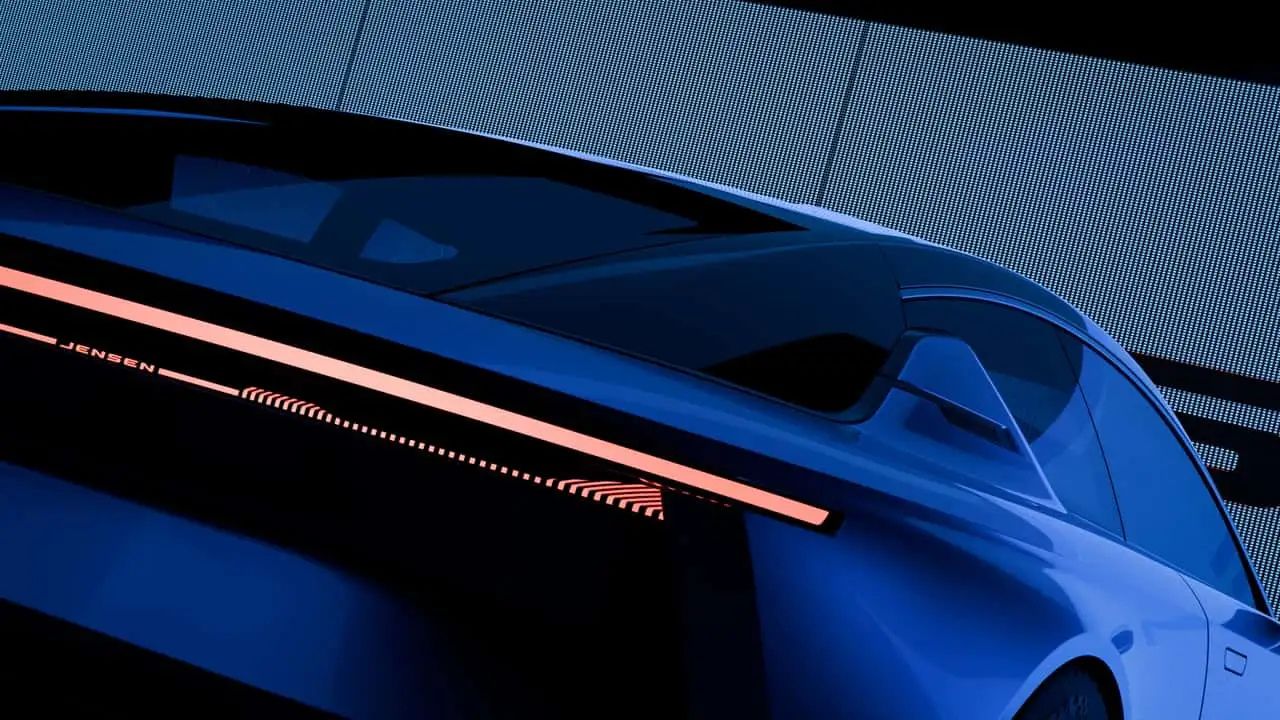
Externally, the prototype is set to showcase a design clearly inspired by the classic Interceptor but sharpened for contemporary tastes. The wide grille, distinctive rear glass and muscular haunches are all expected to return, but with cleaner surfacing, tighter panel gaps and modern lighting technology. The development team has to balance faithfulness to the original with the aerodynamic and packaging demands of current regulations, which often require subtle changes to bumper profiles, bonnet height and pedestrian protection structures.
The United Kingdom debut also carries symbolic weight. Jensen’s historic roots are British, and staging the first showing there signals a desire to reconnect with the brand’s home audience and with the network of suppliers, engineers and specialist coachbuilders that still cluster around the country’s performance-car industry. The event is expected to attract potential buyers, investors and industry partners, all of whom will be assessing whether the GTX looks and feels like a car that can go into limited production rather than a fragile one-off.
Reporting on the project frames this prototype as a key step in Jensen’s broader comeback strategy. The company has had multiple revival attempts over the years, some of which produced short runs of continuation cars or heavily restored classics, but none that established a stable, forward-looking product line. By committing to a pre-production prototype with a clear timeline for public debut, the current leadership is attempting to signal that this effort is more structured and better funded than past attempts.
Coverage of the Interceptor GTX’s development notes that the car is part of a wider pattern of heritage-nameplate revivals in the low-volume performance sector. Boutique projects such as the De Tomaso P72, which reimagines a historic Italian marque as a carbon-bodied supercar, show that there is a market for carefully executed reinterpretations of classic designs. The P72, detailed in reporting on De Tomaso’s return, has helped validate the idea that a dormant brand can re-enter the market if the product is compelling and the business plan is disciplined.
In the Jensen case, the Interceptor GTX prototype will serve as the proof-of-concept that either unlocks further investment or exposes the gaps that still need to be closed. The company’s decision to aim for a public unveiling within a defined quarter, rather than an open-ended “in development” label, reflects a desire to build credibility with a skeptical audience that has seen multiple false starts.
Why it matters
The Interceptor GTX project matters on several levels, starting with what it represents for British specialist manufacturing. The United Kingdom has a long tradition of low-volume performance and luxury builders, from Aston Martin and Lotus to smaller names such as TVR and Morgan. Many of those companies have faced financial turbulence, regulatory pressure and shifting buyer expectations. A successful Jensen reboot would signal that there is still room for new or revived players in this space, provided they can balance heritage appeal with modern engineering discipline.
For collectors and enthusiasts, the GTX taps into a deep well of affection for the original Interceptor, a car that blended Italian-influenced styling with British craftsmanship and American V8 power. The classic model has become a cult favourite, particularly in restomod form, where modern engines, brakes and electronics are grafted into the vintage shell. By offering a factory-developed modern reinterpretation, Jensen aims to capture some of that demand in a more integrated package, one that can be serviced and supported like a contemporary car rather than a bespoke one-off build.
The project also highlights the growing importance of brand narrative in the high-end automotive market. Buyers in this price bracket are not simply purchasing performance figures; they are buying into stories, legacies and identities. Names like De Tomaso, Alpine and Lancia have all been revived or repositioned in recent years, with varying degrees of success, precisely because they carry emotional weight that a clean-sheet brand cannot easily replicate. Jensen’s story of a small British maker that punched above its weight in the 1960s and 1970s gives the Interceptor GTX a built-in mythology that contemporary marketing can amplify.
At the same time, the GTX illustrates the challenges that heritage brands face when they re-enter a market that has moved on technologically. Emissions standards, safety regulations and customer expectations for digital integration are all far more demanding than in the original Interceptor’s era. Boutique manufacturers must either invest in expensive in-house development or partner with larger suppliers and engineering firms to meet those standards. The decision to present the Interceptor GTX as a pre-production prototype suggests that Jensen is attempting to show it has a credible path through that regulatory maze, rather than relying on exemptions or track-only status.
Economically, projects like the GTX can have outsized effects relative to their small production volumes. Low-volume luxury and performance cars support networks of specialist suppliers that provide everything from carbon-fibre components to hand-stitched interiors. These companies often work across multiple brands, and a healthy roster of niche projects can help keep that ecosystem alive. A successful Jensen program could therefore contribute to the stability of a broader cluster of British automotive artisans and engineers.
The Interceptor GTX also arrives at a moment when the definition of performance luxury is in flux. Electrification is reshaping the segment, with brands such as Porsche and Aston Martin investing heavily in battery-electric and plug-in hybrid architectures. Heritage-focused projects face a choice between embracing electric power, sticking with internal combustion, or attempting a transitional blend. Reporting on the GTX positions it firmly in the modern combustion camp, with a contemporary engine and conventional drivetrain. That choice may appeal to traditionalists who value the sound and character of a high-performance engine, but it also raises questions about long-term relevance as regulations tighten further.
From a design perspective, the GTX will serve as a test of how far a revival can stretch the original styling language before it loses authenticity. Some recent retro-inspired cars have been criticised for leaning too heavily on nostalgia without offering a fresh point of view, while others have been praised for capturing the spirit rather than the letter of their predecessors. The Interceptor’s distinctive rear glass and muscular stance are non-negotiable elements for many fans, yet the car must also look at home next to contemporary grand tourers from established brands. The prototype’s reception will reveal whether Jensen has struck the right balance.
Investor confidence is another key factor. Low-volume projects require significant upfront spending on engineering, tooling and certification, long before the first customer car is delivered. A convincing pre-production prototype can help secure the funding needed to bridge that gap, especially if it attracts deposits or letters of intent from potential buyers. Conversely, a car that appears unfinished, poorly detailed or technically compromised can make it harder to justify further investment. The GTX’s debut will therefore be scrutinised not only by enthusiasts but also by those deciding whether to back Jensen’s latest chapter.
Media coverage has already framed the upcoming debut as a significant moment for the company. Reporting that describes the Interceptor GTX prototype as a “big” step for the brand underlines the sense that this is more than a routine show appearance. An article on the prototype’s significance positions the car as a litmus test for whether Jensen can convert nostalgia into a functioning business model, rather than a series of isolated projects.
The broader context of heritage revivals also adds weight to the GTX story. The De Tomaso P72, for example, has been cited as a case where a carefully executed, design-led reinterpretation of a classic idea has attracted serious collector interest and significant financial backing. Coverage of Jensen’s plans, including analysis on brand’s comeback attempt, places the GTX in that same conversation, suggesting that success is possible but far from guaranteed.
What to watch next
The next major milestone is the public unveiling of the pre-production Interceptor GTX in the United Kingdom, targeted for the second quarter. Observers will be watching closely for how complete and production-ready the car appears. Key indicators include the quality of panel fit, the finish of interior materials, the integration of digital interfaces and the presence of production-spec lighting, mirrors and safety equipment. A prototype that looks close to showroom form will strengthen the case that Jensen can move quickly toward customer cars, while a more conceptual or unfinished appearance will suggest that significant work remains.
More from Fast Lane Only