A federal judge has ordered a sweeping shutdown of off-road vehicle routes in the Mojave Desert, closing roughly 2,200 miles of trails that crisscross habitat for the imperiled desert tortoise. The ruling sharply curtails motorized access in a region long marketed as a playground for off-highway vehicles and pushes federal land managers toward a more restrictive approach to fragile desert ecosystems.
The decision builds on years of legal challenges over how federal agencies balance recreation and conservation in the West Mojave. It also sets the stage for a broader fight over how much off-road use the desert can sustain as wildlife populations decline and environmental laws demand stronger safeguards.
The ruling that shut down 2,200 miles of Mojave routes
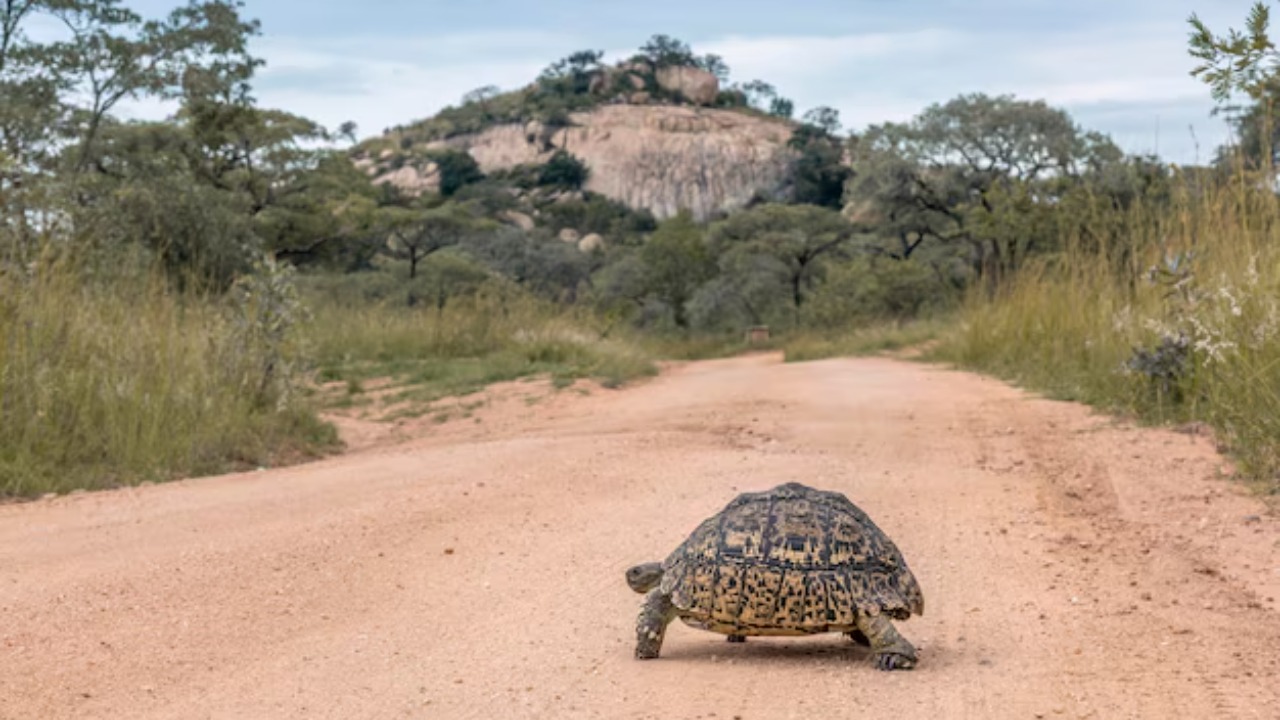
The latest order stems from litigation over the Bureau of Land Management’s West Mojave Route Network Plan, a blueprint that had authorized the agency to adopt nearly 6,000 miles of dirt roads and trails for off-road recreation across the region. Conservation groups argued that the plan violated the Endangered Species Act by allowing intensive use in designated critical habitat for the desert tortoise, a species whose population in the Mojave Desert has fallen sharply in recent decades, according to federal scientists cited in a federal judge’s ruling. Earlier this year, the court agreed, concluding that the Bureau of Land Management had not adequately protected the threatened reptile when it mapped a vast network of routes through its remaining habitat.
In response, United States District Judge Susan Ilston issued an injunction requiring the Bureau of Land Management to close approximately 2,200 miles of off-highway vehicle routes in the Western Mojave. Environmental advocates describe the order as a necessary course correction after years in which the agency prioritized motorized access over species recovery, while the agency now faces the task of posting closures, updating maps, and rewriting route designations to comply with the court’s directives.
Why conservationists pushed to rein in off-road use
For conservation groups, the case is the latest chapter in a long campaign to force federal agencies to treat the desert tortoise as more than an afterthought in recreation planning. The Center for Biological Diversity and allied organizations argued that heavy off-highway vehicle traffic crushes burrows, fragments habitat, and contributes to chronic stress that weakens tortoises already struggling with disease and climate pressures. They contended that the West Mojave Route Network Plan left too many routes open in areas that federal biologists themselves had identified as vital for the species, a concern that led the court to find repeated violations of the Endangered Species Act for the Bureau of Land.
Advocates also framed the case as a test of whether the Endangered Species Act can still compel meaningful changes on the ground when agencies fall short. One conservation group noted that by limiting the continued damage caused by OHV use, the desert tortoise would have a better chance to recover and thrive, and they praised the judge for insisting that federal land managers follow the law when designating routes in critical habitat. Another organization that joined the litigation highlighted that the court had already rejected a related federal project that threatened California’s desert tortoises, describing the ruling as a clear signal that agencies must put species protection ahead of convenience when planning large-scale off-road vehicle networks in the California desert.
Off-road community backlash and access concerns
Off-road advocates reacted with alarm, casting the decision as an overreach that punishes responsible riders and local communities that depend on recreation spending. The BlueRibbon Coalition, a prominent motorized access group, described the judge as a “rogue” figure and warned that the order would transform a vast stretch of the Mojave into a “sea of OHV route closures,” language that reflects deep frustration within the off-highway vehicle community. In the group’s view, the closure of 2,200 miles of OHV routes in the Mojave Desert will leave riders with far fewer legal options and concentrate use on remaining trails, a concern detailed in its Rogue Judge Closes alert to members.
Local clubs and businesses echo that criticism, arguing that communities near the Western Mojave have invested in staging areas, campgrounds, and events built around off-road tourism. Some riders point out that even after the closures, thousands of miles of routes will remain open, but they worry that the ruling sets a precedent for additional restrictions across the West Mojave and beyond. They also question whether the Bureau of Land Management can realistically monitor such an extensive closure network, warning that confusion over which trails are legal could expose riders to citations and strain relations between the agency and long-time users of the desert.
What the decision means for the West Mojave’s future
The ruling does not erase off-road recreation from the Mojave Desert, but it significantly reshapes where and how that recreation can occur. According to route figures cited in OHV route closures, riders will still have access to roughly 3,800 miles of designated trails after the 2,200 miles of closures take effect, leaving a substantial but more limited network within the California Desert Conservation Area. For the desert tortoise, conservation scientists see the decision as a rare opportunity to reduce direct mortality and habitat degradation at a meaningful scale, provided that the Bureau of Land Management follows through with physical barriers, signage, and enforcement that keep vehicles out of newly protected zones.
The broader policy implications reach beyond the Western Mojave. Other federal planning efforts for off-highway vehicle use are likely to be scrutinized through the lens of this case, particularly where agencies have tried to reconcile large route systems with habitat for listed species. Legal observers note that Judge Ilston had previously agreed that BLM and the Fish and Wildlife Service violated the Federal Land Policy and Management Act and parts of the Endangered Species Act when they approved an earlier off-highway vehicle plan that affected the desert tortoise and endangered Lane Mountain milk vetch, as summarized in Illston agreed. With multiple rulings now pressing the Bureau of Land Management to revisit its assumptions about off-road access in sensitive areas, the West Mojave decision signals that courts are prepared to require substantial route reductions when agencies fall short of their conservation obligations.
More from Fast Lane Only