Volvo is pushing a sweeping infotainment and user interface overhaul to its global fleet, turning a routine software refresh into a defining moment for how drivers interact with their cars. The over-the-air rollout reaches 2.5M vehicles and effectively gives millions of owners a new digital cockpit without a single visit to the workshop. For a brand that has long tied its identity to safety and restraint, this software-first move signals how central in-car screens and intelligent services have become to the driving experience.
Instead of reserving its most advanced interface for the newest models, Volvo is extending the upgrade to cars already on the road, including vehicles built as far back as 2020. That decision not only reshapes expectations around product lifecycles but also raises the bar for what owners of premium cars will demand in long-term digital support.
Inside Volvo Car UX and the new Google-based experience
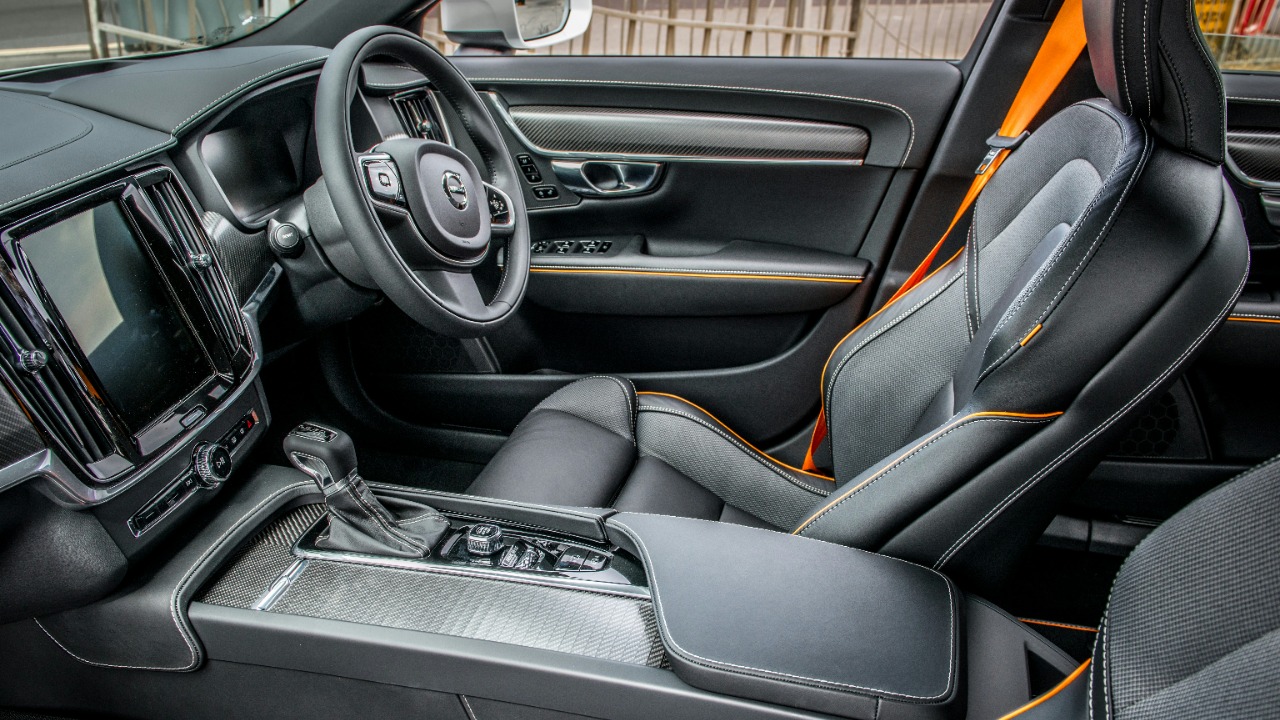
The centerpiece of the rollout is a redesigned central-screen interface known as Volvo Car UX, which reorganizes the home view around the functions drivers use most. According to Volvo Cars, the new layout is intended to reduce the number of taps it takes to reach essential features and to present navigation, media, and climate controls in a more intuitive grid. The company describes this as its largest over-the-air software update ever, with Volvo Cars explicitly linking the redesign to observed driver behavior and stated customer preferences.
The new environment runs on a Google built in system that deepens the integration of services such as Google Maps and Google Assistant into the car’s native controls. Reporting on Volvo Rolls Out notes that the software is a New Google Based UX, designed so that owners can benefit from the same interface whether they drive away in a new car or receive the upgrade at home. In practice, that means familiar Android-style app tiles, persistent shortcuts to core functions, and a tighter link between voice commands and on-screen actions, which together aim to make the system feel less like a patchwork of menus and more like a cohesive operating system.
Scale of the rollout and which cars are included
Volvo describes the campaign as its greatest over-the-air effort in history, with Around 2.5 m Volvo Cars scheduled to receive the new user experience. The company has indicated that the rollout will span 85 markets globally, a reach that reflects how widely Android-based infotainment has been deployed across its recent portfolio. Coverage of the initiative notes that Around 2.5 m cars will be updated, and that the same software will be present in vehicles as they leave the factory, closing the gap between existing owners and new buyers.
The scale is particularly striking because it extends to Older Models that are already several years old. One analysis of Volvo Rolls Out highlights that the brand is targeting cars built as far back as 2020, transforming vehicles that predate some of the latest electric flagships into software peers of current products. A separate report on Volvo ICE update emphasizes that this approach covers internal combustion models as well as electric ones, signaling that the company sees digital experience as a cross-powertrain priority rather than a perk reserved for its newest battery vehicles.
What drivers will actually see on screen?
For drivers, the most obvious change is what appears on the central display the moment the car starts. Coverage of the update explains that the most significant alteration is the on-screen content, which now surfaces frequently used apps and controls such as phone, navigation, media, and climate on the primary view. One account of the huge Volvo update notes that quick access tiles for drive modes and driver assistance features are also more prominent, so switching between comfort and sport settings or adjusting safety systems requires fewer steps. A related breakdown from DPA adds that the update refines camera views and parking settings to aid manoeuvres, and that Volvo has tuned the menu structure so that common actions sit closer to the top level rather than being buried in submenus.
Beyond layout, the software introduces new capabilities that change how drivers interact with the car over time. Reporting on Google Gemini AI notes that the Update adds Google Gemini AI to Android-based infotainment, which allows for more conversational voice requests and smarter suggestions, such as proactive navigation prompts or context-aware media recommendations. Owners are also guided through the process of receiving the software, with instructions that advise them to simply go to Settings, then System, then Software, and enable Automatic software download if they want updates to install in the background, as described in guidance on Simply Settings System. Together, these changes turn what was once a static interface into a platform that can evolve and gain intelligence over the life of the vehicle.
Why this OTA campaign matters for Volvo and the wider industry
Strategically, the update is a statement of intent about how Volvo sees its future technology stack. The brand has described the rollout as Volvo’s Biggest Software Update Ever Coming to 2.5 M Million Vehicles and framed it as a way to align older cars with a system that has Google built in, as highlighted in coverage of Volvo’s Biggest Software Update. Another report notes that the Swedish automaker has confirmed it will introduce a comprehensive user experience upgrade to around 2.5 m cars, with much of Volvo’s vehicle line gaining enhancements to adaptive cruise control behavior, including how the car responds to the car in front of it, as described in coverage of The Swedish. In that sense, the campaign is as much about strengthening Volvo Cars’ tech stack as it is about refreshing touchscreens.
More from Fast Lane Only