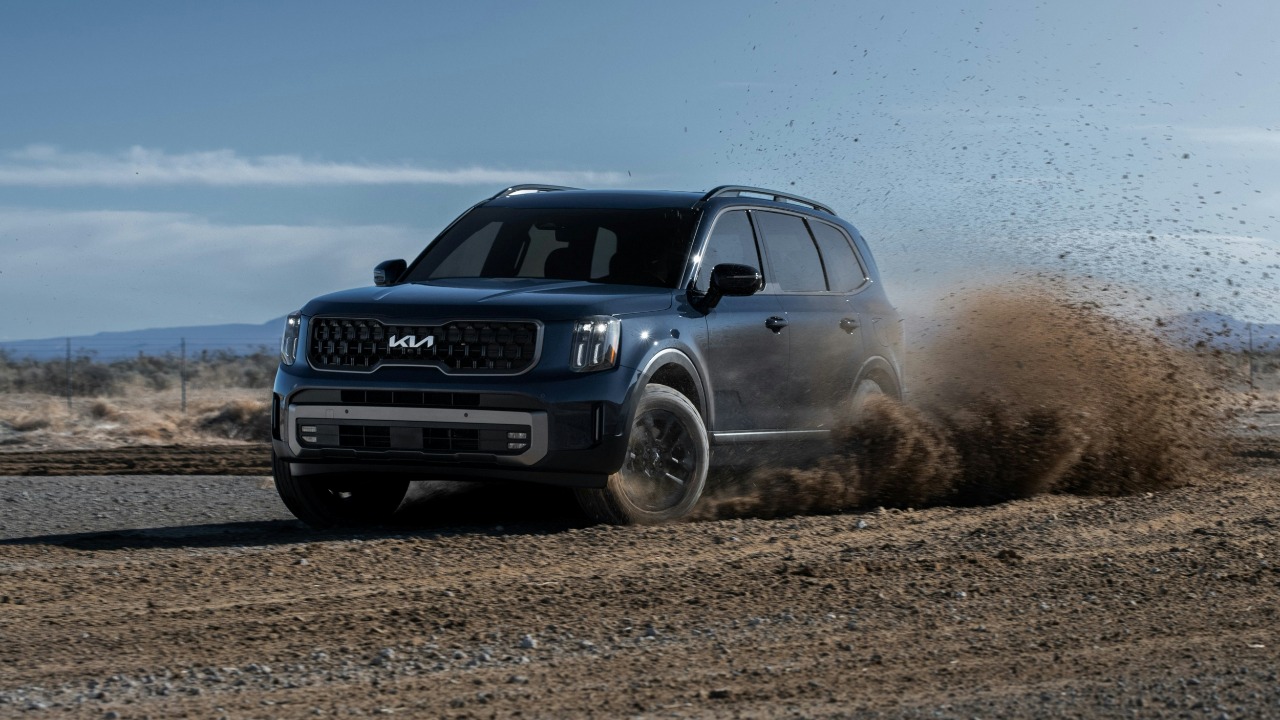
You now have one more safety issue to consider if you drive a Kia Telluride. Kia is recalling tens of thousands of these popular SUVs because the front seatback frames can fail in a rear-end crash and increase the risk of injury. The campaign affects 85,448 vehicles and centers on a defect that you can sometimes feel or hear long before a collision.
Rather than treating this as just another recall headline, see it as a direct prompt to check your own garage. The problem lies in the front seats that you and your passengers use every day, and the fix is free if you follow the right steps and act promptly.
What the faulty seatback recall actually covers
This is a targeted safety campaign that covers the 2025 Kia Telluride and focuses on the structure that keeps the front seatbacks locked in place. Kia has told regulators that 85,448 of these SUVs have front seatback frames that may not hold up properly in certain rear-impact collisions, which is why so many Kia Telluride owners are now being contacted. When that frame or its recliner mechanism does not perform as designed, the seatback can move more than it should at the moment you most need it to stay firm.
For you and your passengers, that extra movement matters because the seatback is part of the restraint system that works with your seat belt and head restraint. If the structure gives way, your upper body can whip backward, your head can travel farther, and your risk of neck or spine injury rises. The recall notice describes the problem in terms of a loose front seatback and a defect in the recliner hardware, and it treats the potential for injury in a rear-end crash as serious enough to justify pulling more than 85,000 Tellurides back to the service bay.
Warning signs you can spot in your own Telluride
You do not have to wait for a crash to get a clue that your SUV may be affected. The NHTSA recall report explains that occupants may notice a loose front seatback or hear a grinding noise when they use the recline function, and that kind of feedback from the seat is your first red flag. If your driver or front passenger seat feels like it rocks slightly, clicks out of place, or makes an unusual sound as you lean it back, treat that behavior as a sign that the recliner mechanism might be part of the defect described by The NHTSA.
It also pays to notice how the seatback feels when you accelerate, brake, or drive over bumps. A properly secured seatback stays planted, while a compromised one can shift slightly against your shoulders. Even if you do not hear grinding, any sense that the seatback is not locking firmly into each recline position is enough reason to schedule an inspection. The recall exists because Kia and regulators concluded that this kind of looseness could turn into a real injury risk in a rear impact, not because it is a minor comfort issue.
How to confirm whether your SUV is part of the 85,000-plus recall
You do not have to guess about your vehicle’s status, because you can run a quick check using your 17 character VIN. One option is to enter that number on the federal recall search page for vehicle recalls, which will tell you whether your specific Kia Telluride is covered by this campaign or any other open safety action. You can also look for a recall code associated with this seatback issue, which regulators list under campaign number 26V105000 for the affected Tellurides.
Kia itself has set up tools to help you verify your status as well. Earlier, when Kia dealt with a separate problem that caused 427,000 Telluride SUVs to be recalled because parked vehicles could roll away, the company reminded owners that they could enter their vehicle information on Kia’s recall website to determine if their SUV was affected, noting that Until then, owners could rely on that lookup. You can use the same habit now by checking Kia’s site with your VIN, watching your mail for an official recall letter, and confirming that the code on that notice matches the seatback campaign that regulators have on file.
What Kia will do and how your repair visit will work
Once you confirm that your Telluride is part of the recall, you can expect Kia to offer a free repair that focuses on the front seatback frame and recliner components. Dealers are instructed to inspect the driver and front passenger seats and to replace the affected parts if they match the defective batch described in the recall documents. Because the issue is tied to the structure and hardware inside the seat, you should plan for a visit that may take a few hours while technicians remove trim, check the frame, and install updated components that meet the safety standard.
You do not have to pay for this work, because federal rules treat safety recalls as the manufacturer’s responsibility. Your role is to schedule the appointment promptly once you receive your notice or confirm your VIN, and to describe any symptoms such as a loose seatback or grinding noise so the dealer can focus on the right components. If you have already paid out of pocket for a similar repair on a 2025 Kia Telluride, keep your receipts and ask the dealer or Kia customer service whether you qualify for reimbursement under the recall terms that regulators have on record for this Kia Recalls campaign.
How this fits into the broader Telluride safety picture
This seatback issue is not appearing in isolation. The 2025 Kia Telluride has already attracted attention for several safety campaigns, and one report notes that 85,000 vehicles were involved in earlier actions tied to other defects in the same model line. The current campaign that covers 85,000-Plus affected SUVs and is described as Recalled for Faulty adds another layer to that pattern, which is why you should treat recall notices as part of ongoing ownership rather than one-off surprises. Even as the Telluride remains one of Kia’s best selling models, repeat recalls remind you to stay engaged with safety updates instead of assuming that a relatively new SUV is problem free.
At the same time, it is worth distinguishing between the popularity of the model and the way Kia responds when problems surface. Coverage of the current campaign describes how 85,000 Telluride owners are being contacted so dealers can correct the Dangerous Front Seat Defect, and that outreach follows a familiar process that you may have seen when 85,000 or more vehicles were involved in earlier Kia campaigns. By staying alert to that pattern, checking your VIN whenever you hear about new actions, and reading the details behind phrases like Kia Recalls, you put yourself in a better position to protect your passengers and to hold the manufacturer to the safety standards that regulators expect.
That vigilance should extend beyond this single issue. When you hear that 85,000-Plus Plus Kia Telluride SUVs are Recalled for Faulty Seatback Frame, or that 85,000 vehicles are tied to a Dangerous Front Seat Defect, treat those phrases as prompts to review your maintenance records, confirm that each recall repair has been completed, and stay current on any new campaigns that mention the Telluride by name. The same habit will serve you well if you later shop for other models that appear in Kia recall stories, because you will already know how to interpret figures like 85,000 or 85,448 and how to move quickly from a headline to a scheduled fix.
More from Fast Lane Only