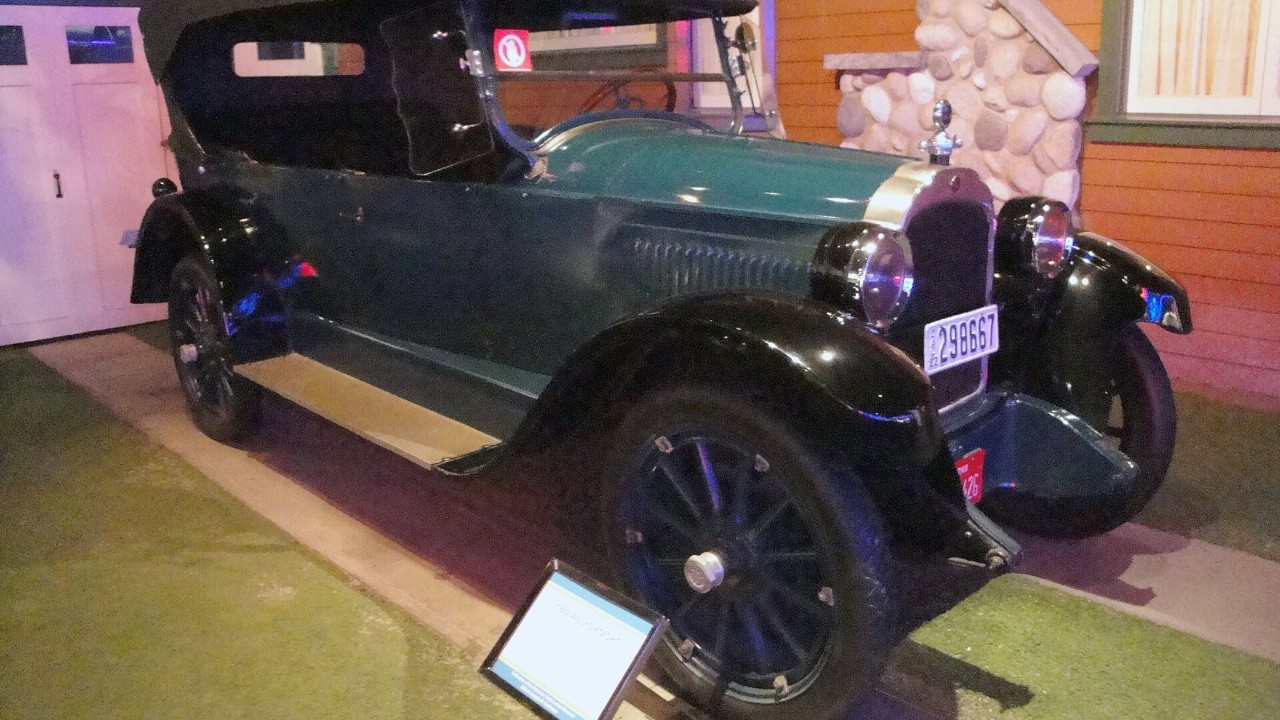
Charles Yale Knight’s sleeve-valve engine had no poppet valves at all. Instead, two thin sleeves slid up and down inside each cylinder. Ports cut into them let the fuel mixture in and the exhaust out. The Knight sleeve-valve design ran remarkably quiet for its day. As a result, some famous names in motoring paid to use it.
Knight filed his patent in April 1904, PistonHeads reports. His own car, the Silent Knight, then appeared in February 1906 with a 5.7-litre four. However, the engines burned a lot of oil. Above 1,600 rpm, the poppet valve also pulled ahead. Still, these seven cars show how far one inventor’s idea traveled.
1. 1910 Mercedes-Knight 16/40
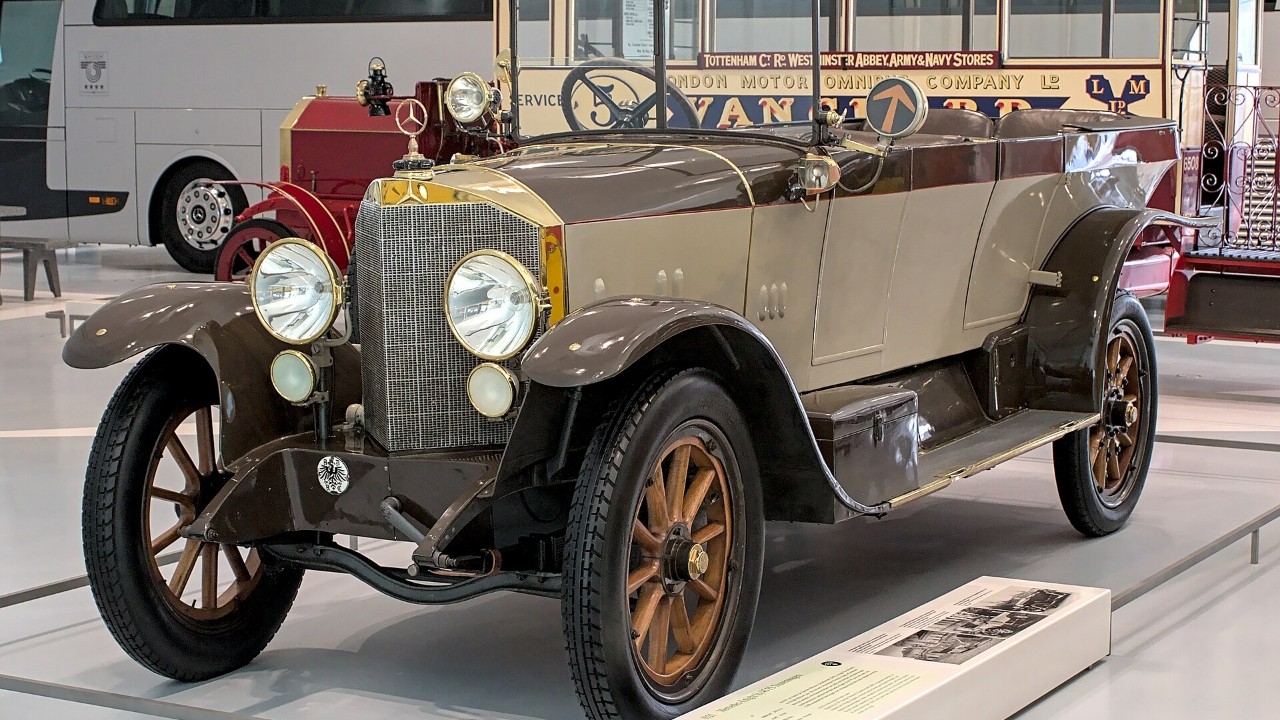
Daimler-Motoren-Gesellschaft, the maker of Mercedes, acquired Knight production licences in March 1910. Series production of the 16/40 hp, with a 4-litre four-cylinder engine, started that year, according to the Mercedes-Benz public archive. The archive credits the design with smoothness that was exceptional for the time.
The car also stayed in the range a long time. Mercedes renamed it the 16/45 hp in mid-1913 and the 16/50 hp in spring 1924 to match its real output. In fact, the archive says more than 5,500 Knight vehicles left the factory over no fewer than 14 years. PistonHeads adds that the Knight engines tended to burn a lot of oil and smoke heavily.
2. 1912 Stearns-Knight
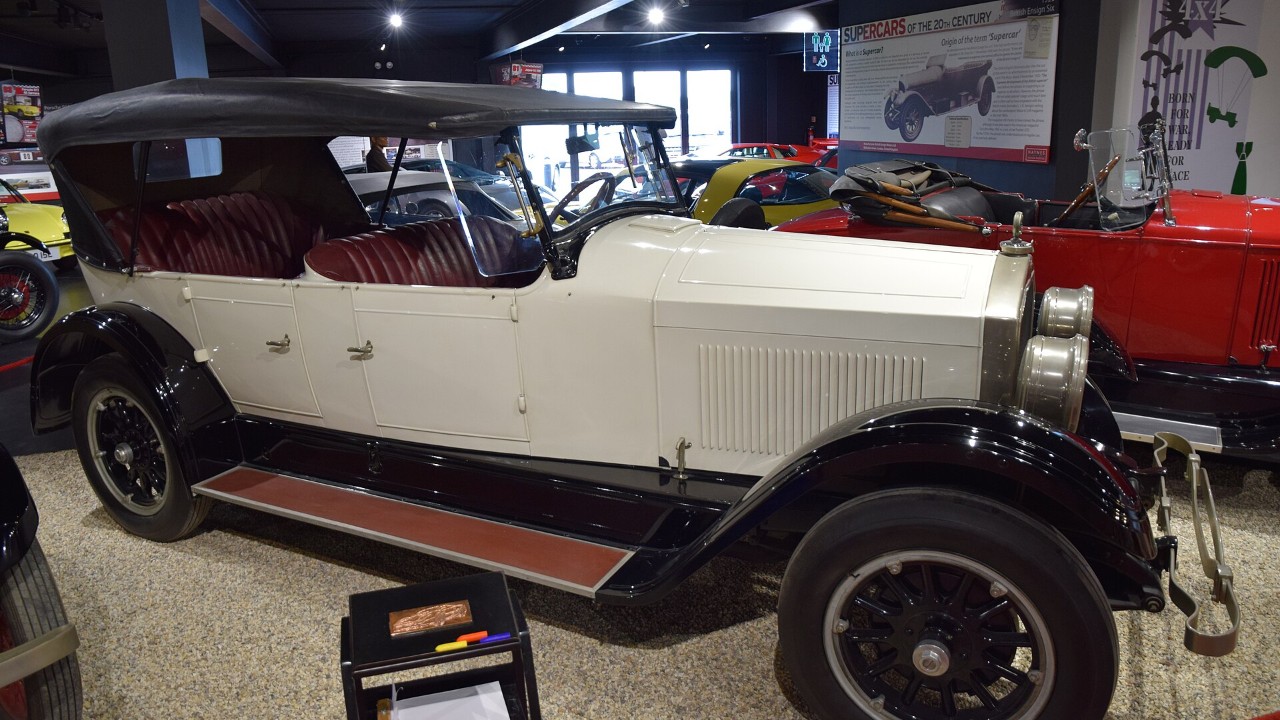
The F.B. Stearns Company brought the Knight engine to American buyers. Its first Knight-engined model was the four-cylinder SK-4. It arrived for the 1912 model year with an introduction date of July 1911, according to the Willys-Overland-Knight Registry.
Stearns then pushed the idea further. The registry says the company introduced the first sleeve-valve V8 to the public in August 1915. Later, in December 1925, John North Willys and his backers bought 150,000 shares for $2.5 million. Assembly lines stopped on December 20, 1929, after total Stearns-Knight production of 31,907 cars.
3. 1914 Minerva
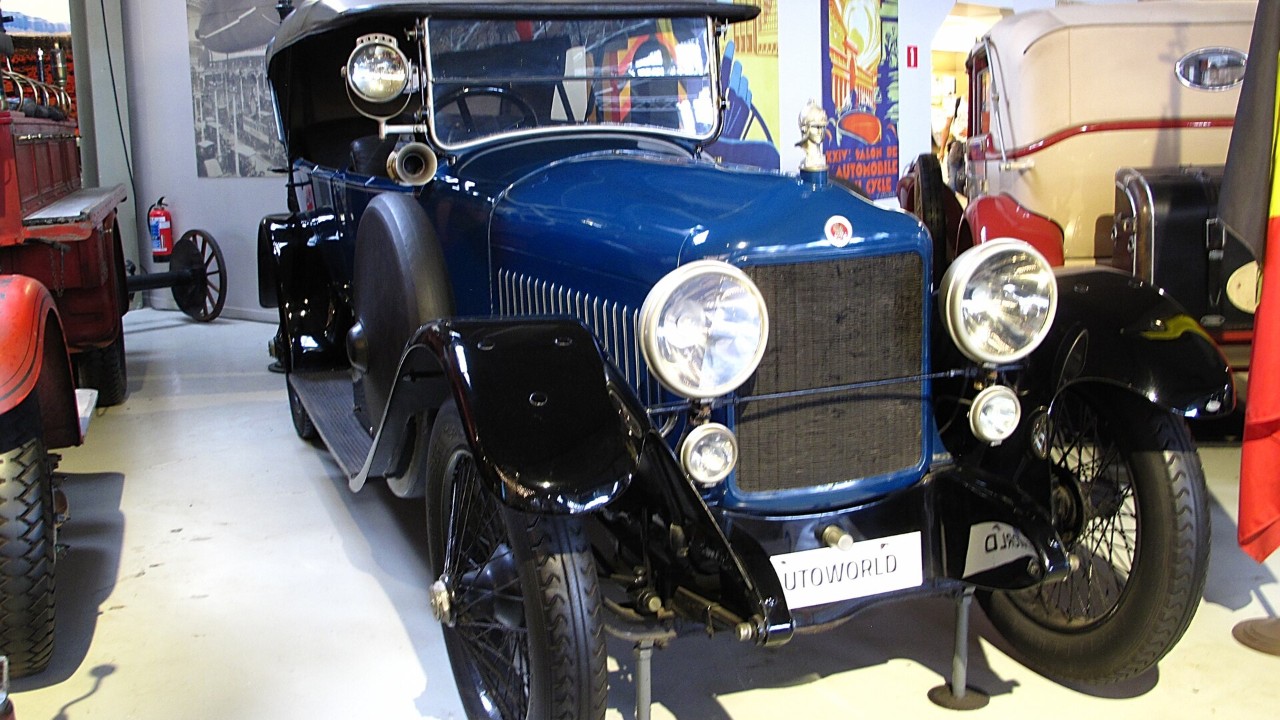
Originally, two brothers named de Jong, from Amsterdam, founded Minerva. The company adopted the Knight double sleeve-valve engine before World War I, Motor Sport recorded in 1962. Then a team of Minervas finished second, third and fifth in the 1914 Tourist Trophy, driven by C. Rieken, L. Molon and C. Porporato.
Minerva also drew a royal clientele. Owners included the King of the Belgians and the kings of Norway, Sweden and Romania. Aviators Blériot and Harry Hawker owned them too. Even so, the company failed in February 1932, according to the same Motor Sport history.
4. 1915 Willys-Knight
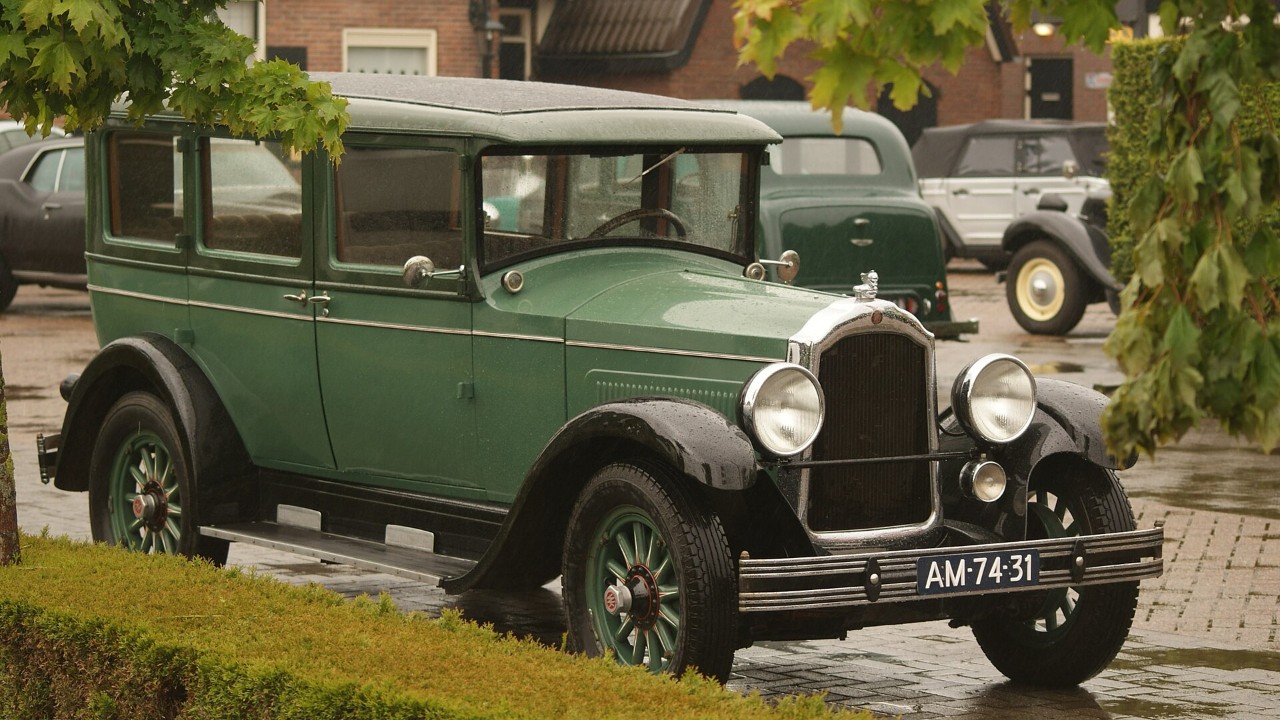
Meanwhile, John North Willys licensed the Knight engine for Willys-Overland and launched the Willys-Knight in 1914-15. It became the most successful American licensee, producing 50,000 cars or more each year, according to Mac’s Motor City Garage.
Willys-Overland advertised it as “the only engine that improves with use.” The line had a basis. Carbon buildup on the sleeves helped seal the cylinders over time. The last version was the “advanced 1933” 66E six, actually built in 1932, with 255 cubic inches and 87 horsepower. Willys dropped the car that year, when the Knight patents expired.
5. 1926 Daimler Double-Six
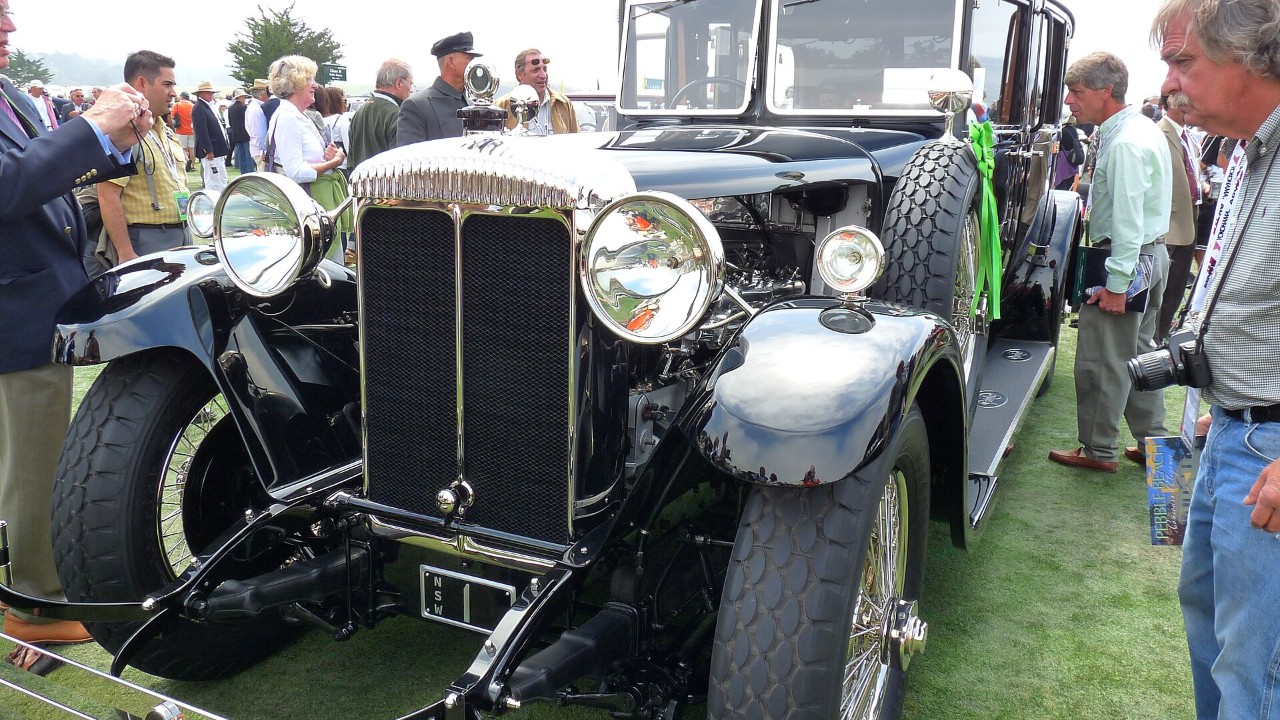
In September 1908, Britain’s Daimler announced Knight engines for some of its 1909 models, according to the Knight engine entry. The Daimler Owners Club of Australia dates Daimler’s use of the design from 1909 into the 1930s. That included the V12 Double Six.
Designer Laurence Pomeroy built the Double-Six from two of Daimler’s six-cylinder blocks set at 60 degrees, according to Marque News. That outlet calls it a 7.0-litre engine of 112 kW. Similarly, the Double-Six entry lists 7,136 cc and 150 bhp, with double light steel sleeves. It dates the announcement to October 15, 1926.
6. 1936 Avions Voisin C28
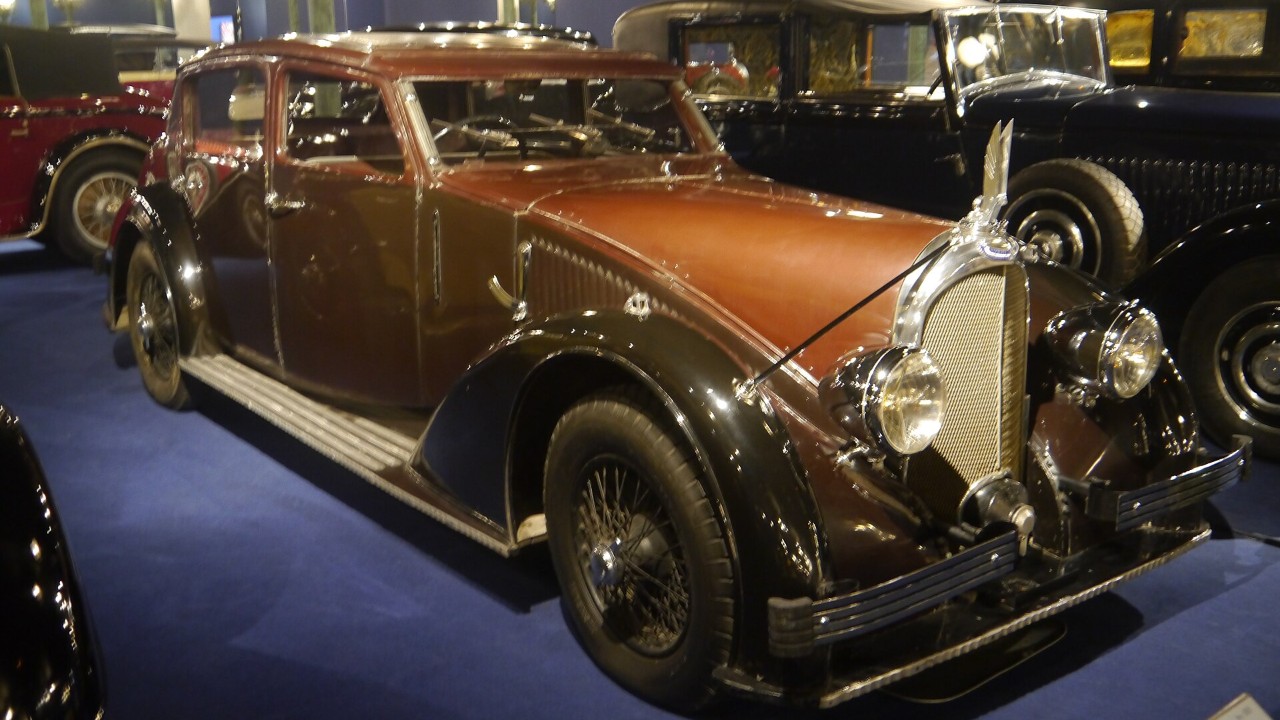
Before cars, Gabriel Voisin was a major airplane manufacturer during World War I. After the war there was little demand for aircraft, so he turned to building cars in 1919. His company, Avions Voisin, used Knight engines as standard from 1923 to 1940.
The C28 Ambassade of 1936 used a 3,969 cc sleeve-valve four. Citroën had rejected that design for mass production, according to the Lane Motor Museum. It was also the last model Voisin personally designed, with an art deco body. Moreover, the museum says he stayed faithful to sleeve valves for the rest of his car-making career.
7. 1936 Panhard et Levassor Dynamic, the last Knight sleeve-valve car
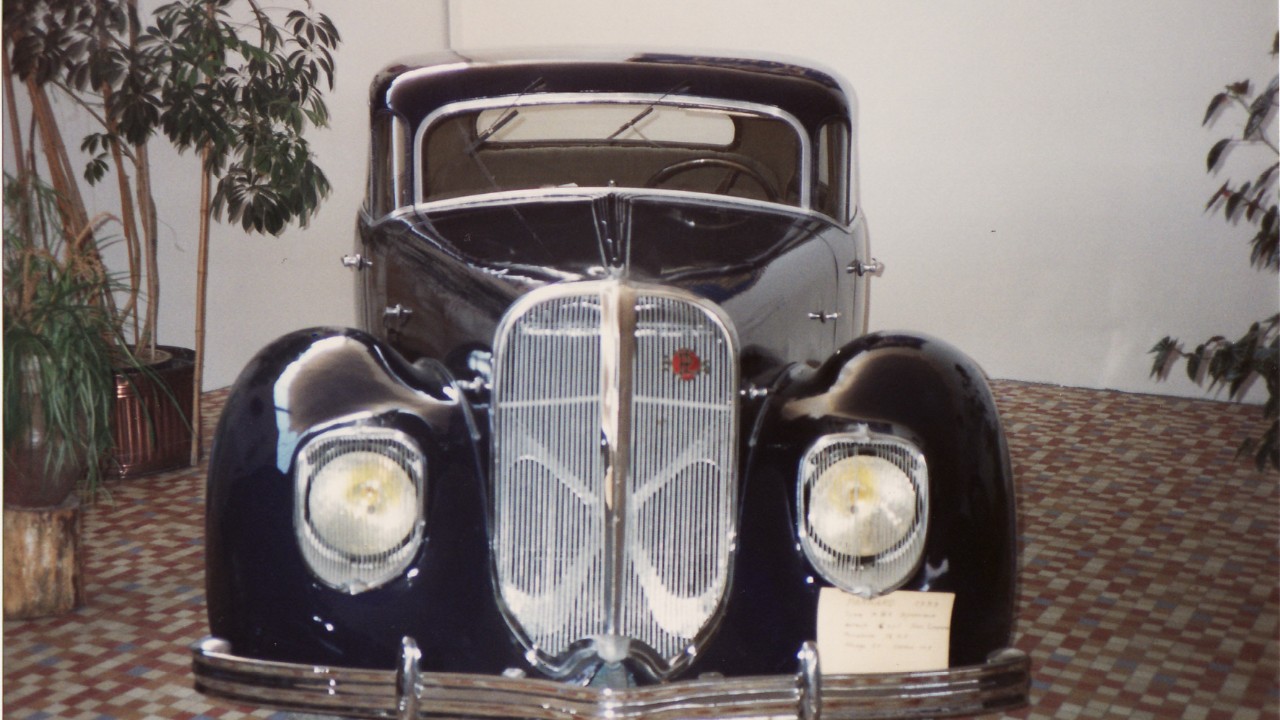
Panhard showed the Dynamic at the Paris Motor Show in October 1936, according to Citroënvie. It used sleeve-valve six-cylinder engines from 2,516 cc to 3,834 cc. On early cars, the steering wheel sat just left of the middle of the dashboard. From 1939, though, it moved to the conventional spot.
The welded steel monocoque body was also unusual. Production totaled 2,742 cars, according to the Dynamic entry and Citroënvie. By the end, it was the last production car in the world with a Knight sleeve-valve engine. Then the war stopped production in 1940.
More from Fast Lane Only
- Unboxing the WWII Jeep in a Crate
- 15 rare Chevys collectors are quietly buying
- 10 underrated V8s still worth hunting down
- Police notice this before you even roll window down
This article was created with the help of AI and was reviewed and edited by Fast Lane Only editors before publication.