Lamborghini has done it again, pushing past its own ceiling and setting a fresh all-time sales benchmark for 2025. The Italian supercar maker has turned what used to be a once-in-a-decade milestone into an annual habit, proving that demand for six‑figure hybrids and V12 flagships is not just holding up but accelerating. As I look at the numbers and the strategy behind them, it is clear this is not a lucky spike, it is a carefully managed transformation of a brand that once lived on scarcity alone.
What stands out to me is how methodical this surge feels. Instead of chasing volume at any cost, the company has leaned into electrified performance, tightly controlled allocations and a global footprint that now stretches from traditional strongholds in Europe and the United States to fast‑growing markets like India. The result is a record that is impressive on its face and even more striking when you dig into where the growth is coming from and what it signals about the future of ultra‑luxury performance cars.
Another year, another record for the raging bull
The headline figure is stark enough on its own: Lamborghini delivered 10,747 vehicles worldwide in 2025, the highest total in its history. For a company that once measured success in the low thousands, crossing five figures and then resetting that bar again speaks to a structural shift in how it builds and sells cars. I see that number not just as a bragging right but as evidence that the brand has found a way to scale without diluting the sense of exclusivity that underpins its pricing power.
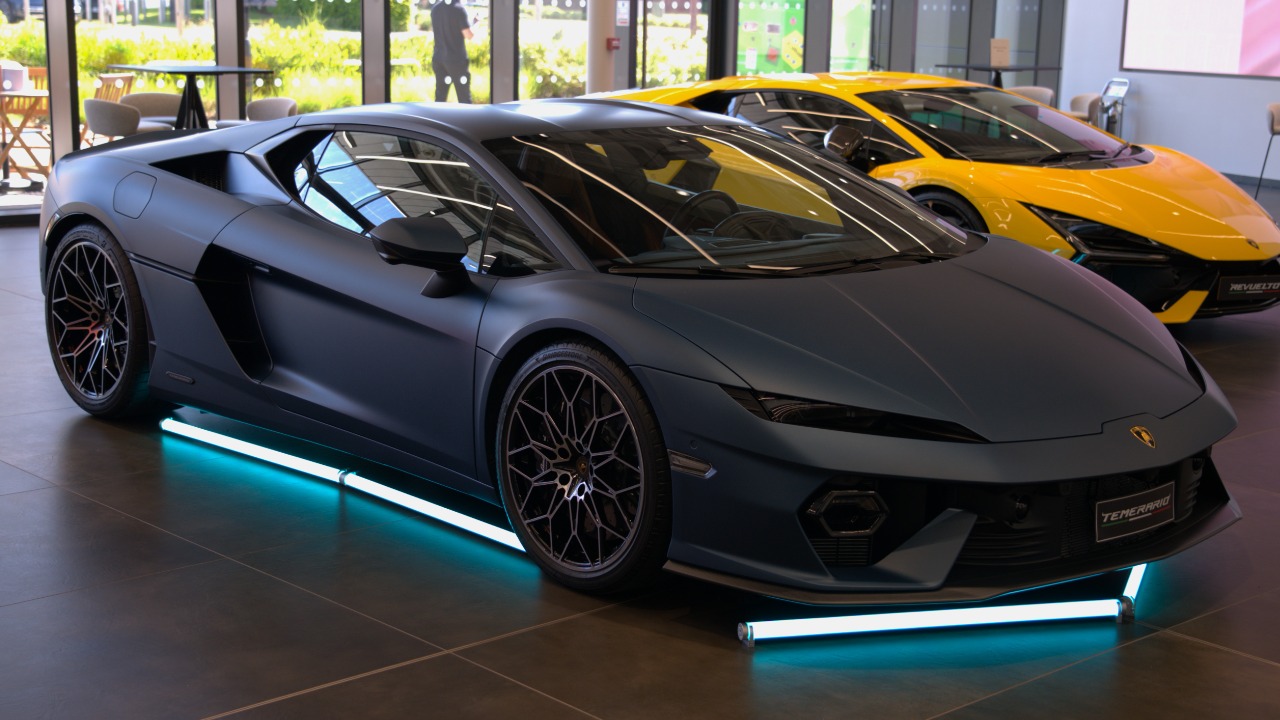
That same total of 10,747 cars becomes even more remarkable when you consider what was not in showrooms. Reporting on the company’s performance notes that Lamborghini Set a New Sales Record Without Selling a Single Temerario, which means the much‑anticipated next‑generation model was not yet part of the mix. In other words, the brand managed a record year without leaning on the halo effect of a fresh nameplate, relying instead on its existing range and a disciplined rollout of hybrid technology to keep order books full.
Hybrids, SUVs and the models driving demand
From my vantage point, the most important shift behind this record is the way electrification has moved from a compliance exercise to a core selling point. The company’s hybrid strategy is credited with carrying the brand forward, with plug‑in and hybrid powertrains now central to its performance story rather than an apologetic add‑on. That approach is visible in the way the Lamborghini Revuelto, a plug‑in V12, and the electrified evolution of its SUV lineup have been positioned as the new face of the brand rather than niche experiments.
On social channels, the company has been keen to underline that its latest success is rooted in this new generation of products. One celebratory post highlights that The Italian carmaker closed 2025 with 10,747 cars delivered worldwide, explicitly tying that performance to models such as the Lamborghini Urus SE and Lamborghini Revuelto. When I see those two nameplates singled out, it reinforces how the brand’s volume story now rests on a blend of high‑riding practicality and electrified supercar drama, a combination that would have been unthinkable in the purist era but is clearly resonating with today’s buyers.
Global growth, from Europe to India and beyond
What really jumps out at me is how geographically broad this record has become. The company’s own breakdown of regional performance shows that the Europe, Middle East and Africa region, the Americas and Asia Pacific all contributed meaningfully to the 2025 surge, with no single market carrying the entire load. That balance matters, because it suggests the brand is not overly exposed to any one economy or currency cycle, a useful hedge when you are selling discretionary products at the very top of the market.
India is a vivid example of how that diversification is playing out. Automobili Lamborghini closed 2025 with its strongest global sales performance and, within that, India clocked 111 units, a figure highlighted in coverage of Automobili Lamborghini and its regional results. Separate reporting on the Indian arm notes that Lamborghini India sells 111 units in 2025 and that SUV deliveries were up 17 pc year on year, with the company’s leading market delivering 4,650 vehicles, a data point that underlines how the global network is now anchored by multiple strong pillars rather than a single dominant territory, as seen in the figures cited for SUV deliveries.
Scarcity, sold‑out SUVs and the customer squeeze
For all the talk of rising volumes, scarcity is still very much part of the Lamborghini playbook, and 2025’s record has only tightened the screws. If you were planning to buy a new Lamborghini Urus this year, you are officially out of luck, as one widely shared update put it, with order books effectively closed for the current iteration of the SUV. That message, framed around the Lamborghini Urus and its sold‑out status, captures the tension I keep hearing from would‑be buyers who find that even six‑figure budgets are not enough to secure a build slot in the near term, a reality underscored in the social post highlighting Lamborghini Urus availability.
That scarcity is not accidental. Company leaders have been explicit that they see controlled growth as essential to protecting residual values and the brand’s aura. In a statement on the 2025 performance, Lamborghini flagged record deliveries at 10,747 cars worldwide, with the Italian luxury sports carmaker stressing that this was the result of a carefully managed growth strategy rather than a rush to flood the market. As I read that, it is clear the company is trying to walk a fine line, using models like the Urus to broaden its base while still making sure that owning one feels like membership in a very small club.
Innovation, brand power and what comes next
Behind the sales charts sits a broader technological and brand story that helps explain why demand has stayed so resilient. Lamborghini has spent the past few years positioning itself at the leading edge of high‑performance electrification, investing in hybrid drivetrains, lightweight materials and advanced aerodynamics that keep its cars competitive even as regulations tighten. Coverage of the company’s recent product strategy highlights how Lamborghini has turned innovation into a core part of its luxury pitch, not just a technical footnote for engineers and enthusiasts.
At the same time, the brand has been careful to keep its identity intact as it moves into this new era. Analyses of its positioning in the supercar world emphasize how Lamborghini continues to trade on drama, design and a sense of theatre, even as battery packs and software play a bigger role in the driving experience. When I put all of this alongside the hard figure of 10,747 cars delivered in 2025, I see a company that has managed to grow up without growing dull, turning record sales into a byproduct of a broader reinvention rather than an end in itself.
More from Fast Lane Only