Each Lancia flagship on this list put a new piece of engineering on the road. Together, the six cars span 64 years, from a 1922 car without a separate chassis to a 1986 sedan with a Ferrari V8 under the hood.
Each one is listed with the year it arrived and the details its maker, a museum or a marque club has on record. Here they are in order.
1. 1922 Lancia Lambda
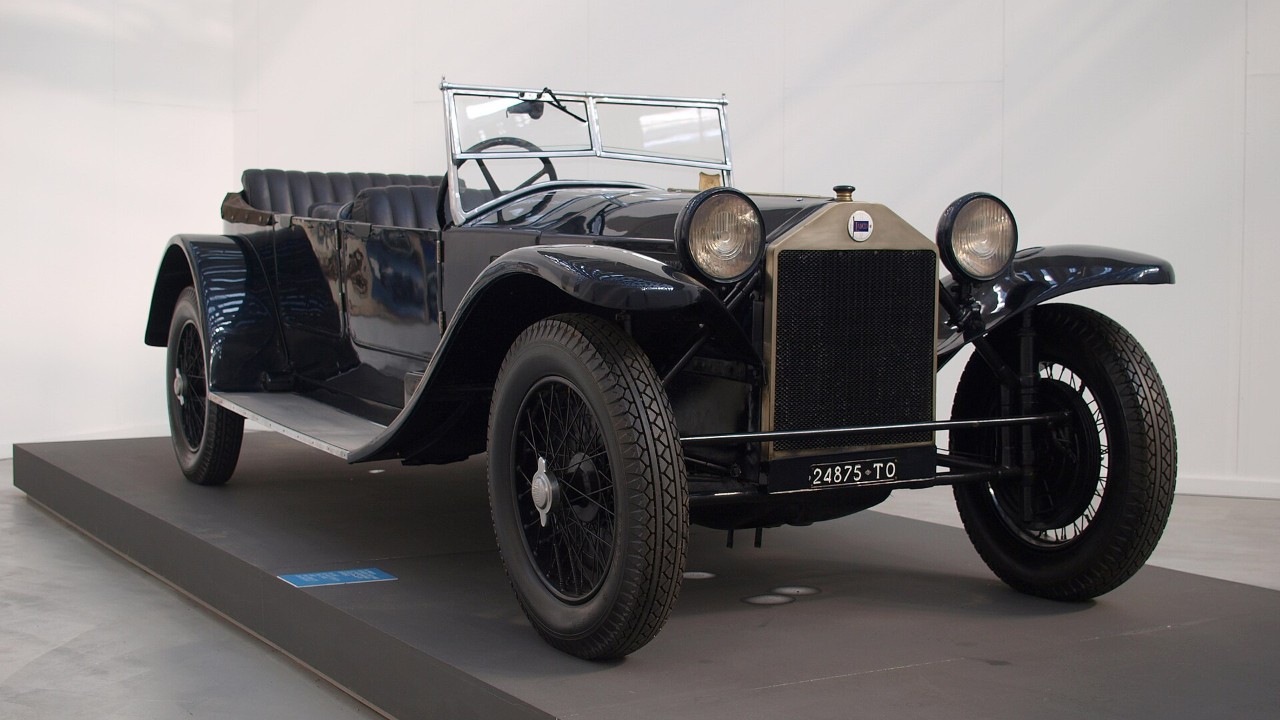
Lancia showed the Lambda at the Paris Motor Show in October 1922. Instead of a body bolted to a rigid frame, it used a load-bearing body shell that Lancia’s heritage department says took its cue from ship design. It also had independent front suspension, so each front wheel moved on its own.
According to Stellantis Heritage, the first engine was a narrow-angle 2,119 cc V4 with 49 horsepower at 3,250 rpm. Over the next nine years, the Lambda went through nine series. In total, Lancia built about 13,000 of them from late 1922 to 1931.
2. 1931 Lancia Astura
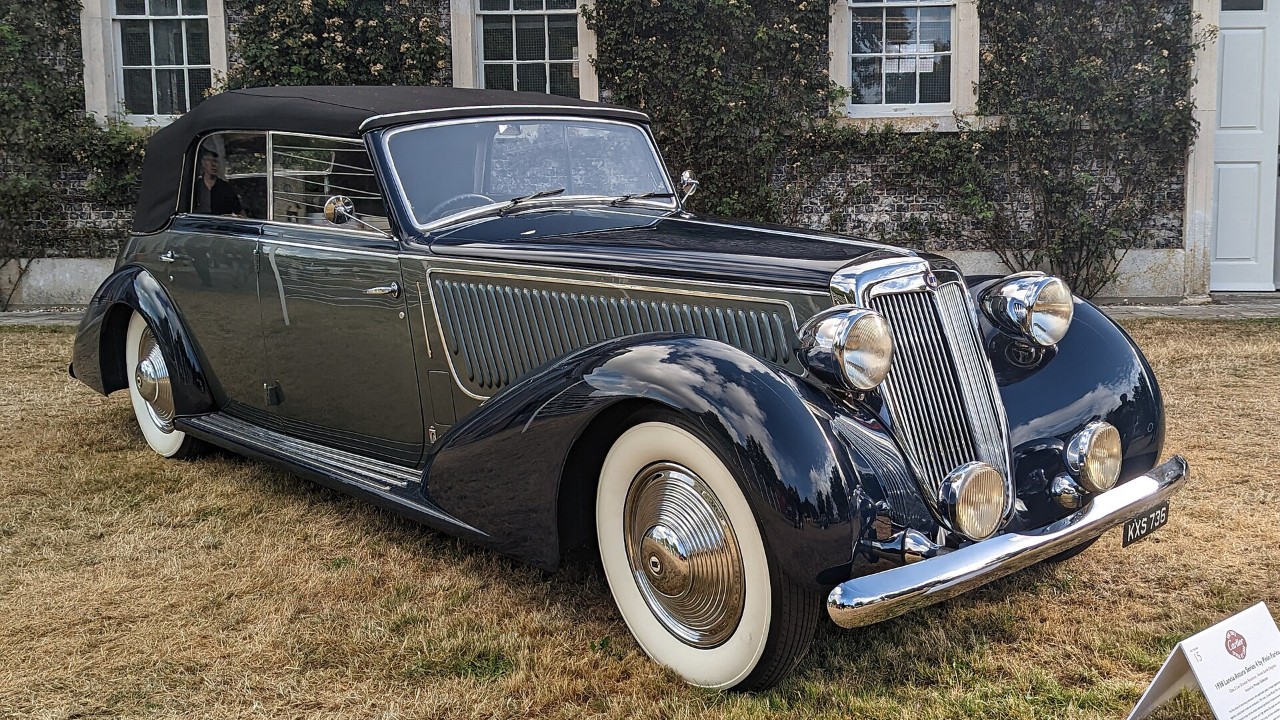
The Astura arrived at the 1931 Paris Motor Show with a narrow-angle V8. According to Conceptcarz, the first two series used a 2,606 cc engine with 72 horsepower. The third series then moved to 2,973 cc and 82 horsepower at 4,000 rpm.
The Louwman Museum calls the Astura the most luxurious model in Lancia’s range during the 1930s. Its 1938 example has a 3.0-liter V8 with a 17-degree angle and 85 horsepower, plus a body by a young Battista “Pinin” Farina. Production ran from 1931 to 1939.
3. 1950 Lancia Aurelia
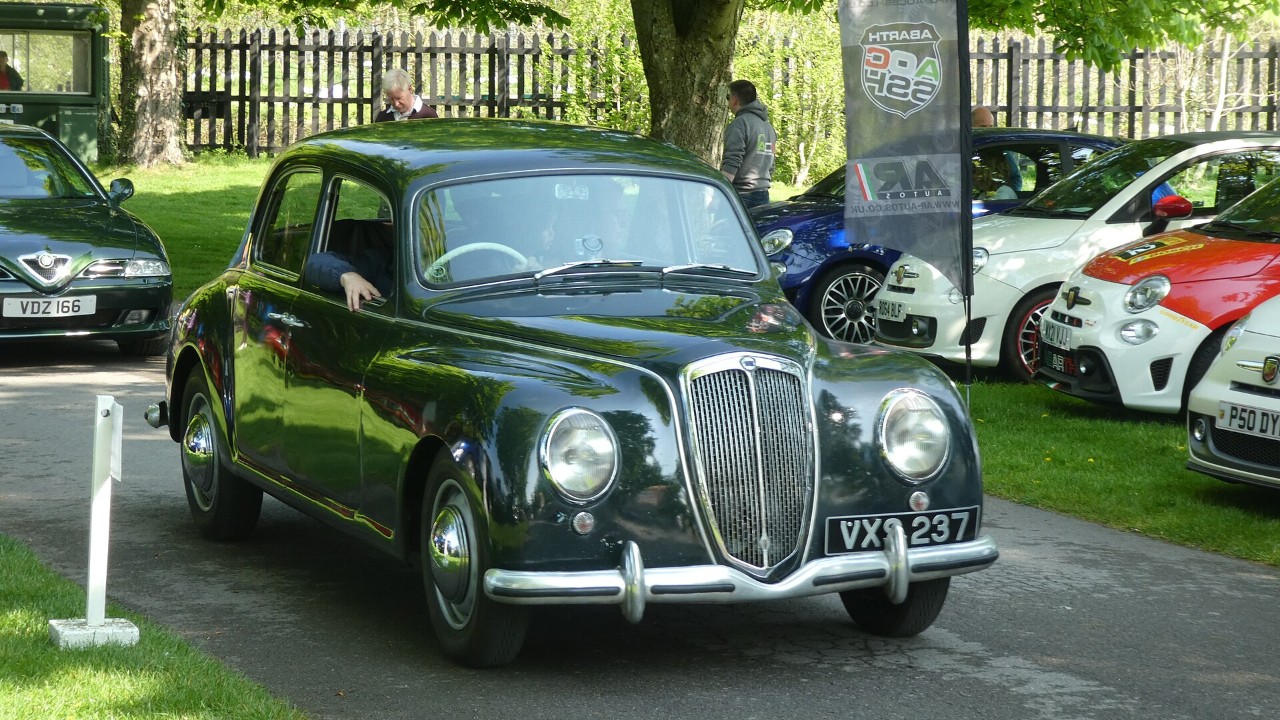
The Aurelia brought Lancia’s V6 to production in 1950. Lancia’s maker, Stellantis, calls it “the first car in the world with a V6 engine.” Engineer Francesco De Virgilio designed the engine, which had a 60-degree angle for even firing, according to Jalopnik.
At first, the V6 displaced just 1.8 liters and made 56 horsepower. Later, it grew to 2.0 liters and 75 horsepower, and then to 2.5 liters and 118 horsepower. Jalopnik says Lancia built more than 18,000 Aurelias from 1950 to 1958.
4. 1957 Lancia Flaminia, the flagship from Geneva
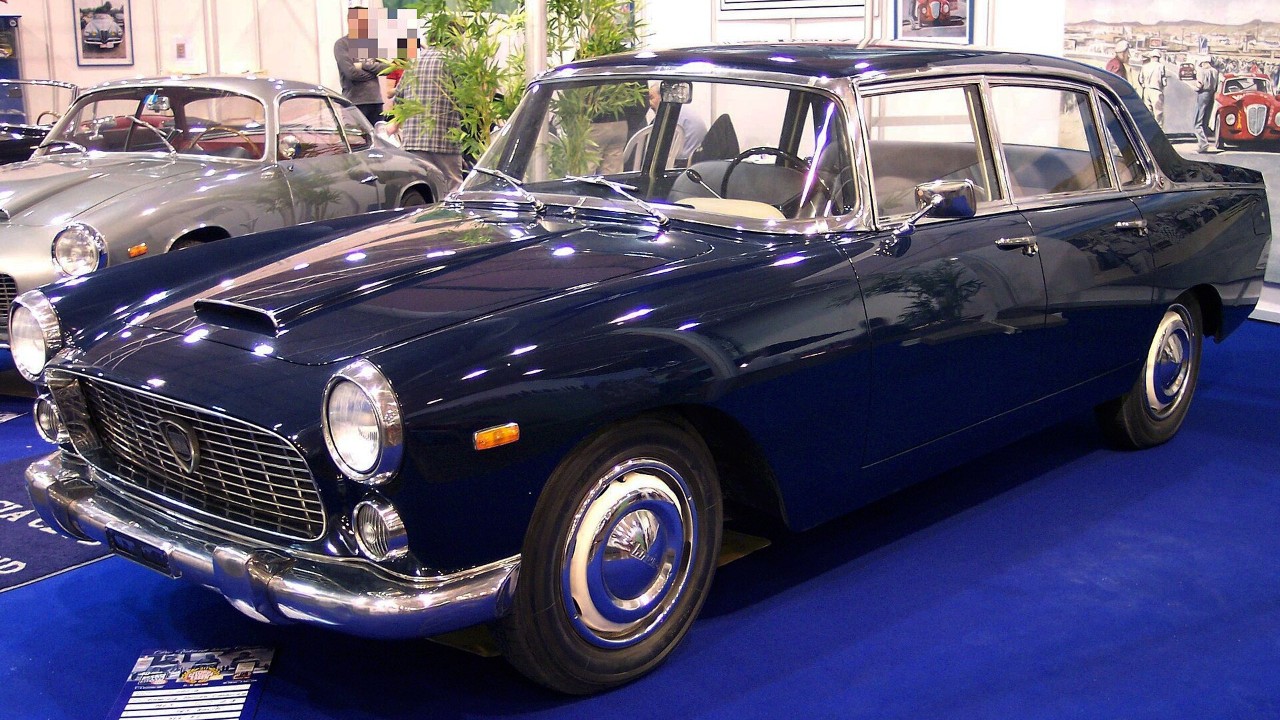
Pinin Farina previewed the Flaminia’s shape with the Florida concept at the Turin show in April 1955. Then the finished sedan debuted at Geneva in 1957, according to Stellantis Heritage. Its first-series 2.5-liter V6 made 102 horsepower, and the third series moved to 2.8 liters and 129 horsepower.
Underneath, the Flaminia kept the Aurelia’s De Dion rear end with a rear-mounted transaxle, according to the Lancia Motor Club. The club counts 12,633 Flaminias sold over 13 years. In fact, the coupes outsold the four-door sedan.
5. 1961 Lancia Flaminia 335 Presidential
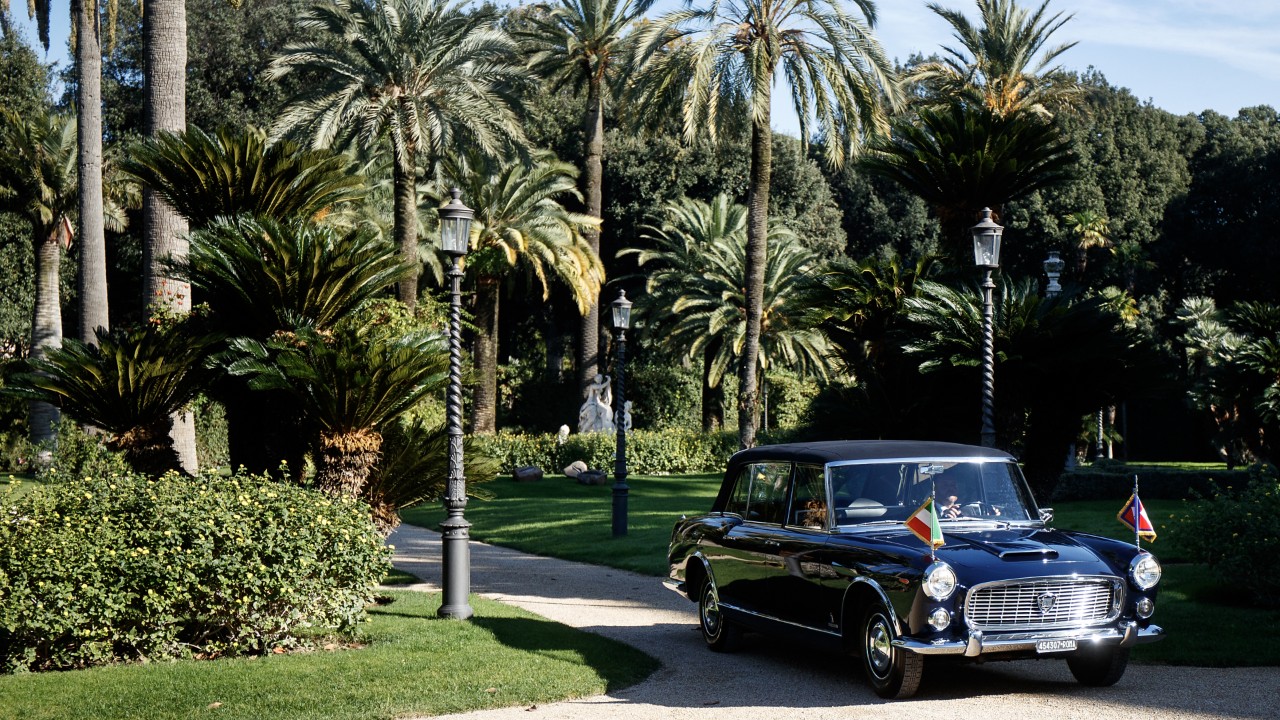
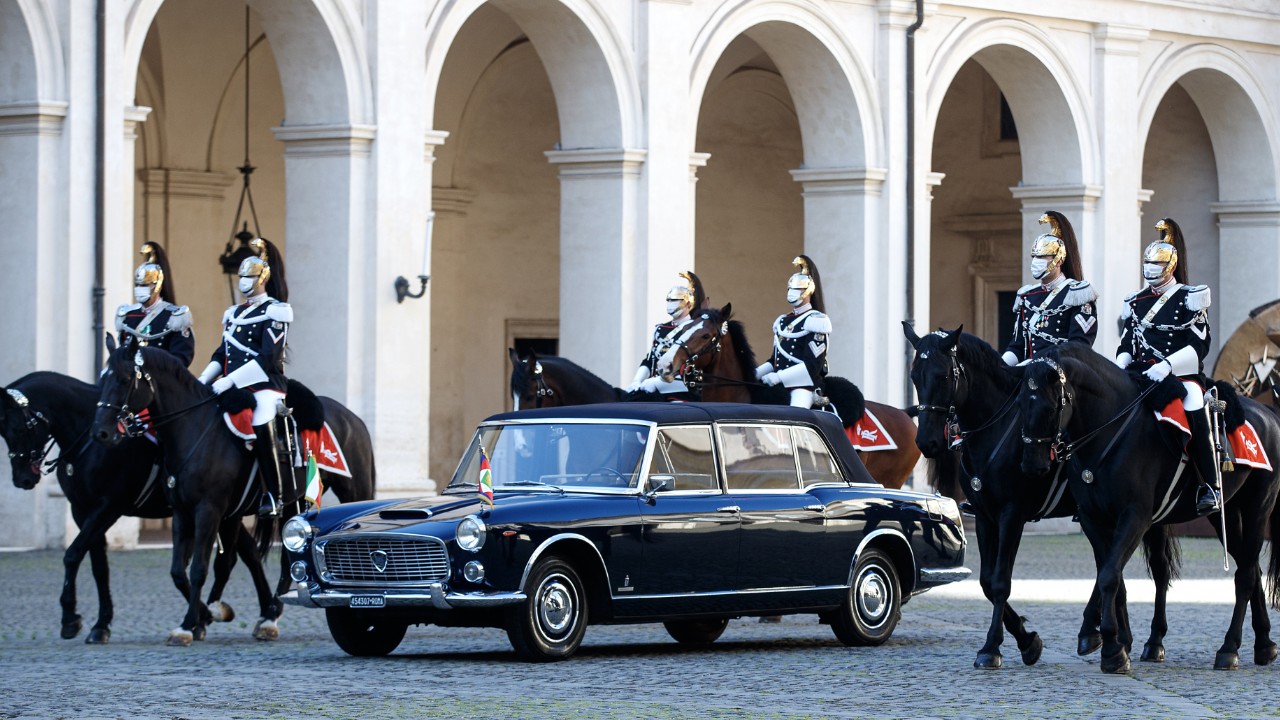
For state duty, Pinin Farina built four long-wheelbase Flaminia convertibles in 1961. The “335” refers to the wheelbase in centimeters, according to a 2021 Stellantis release. Each car carries the name of a horse from the old papal stables: Belfiore, Belmonte, Belvedere and Belsito.
President Giovanni Gronchi first used the cars during Queen Elizabeth II’s visit to Italy. Later, they also carried John F. Kennedy and Charles de Gaulle on their visits. After a restoration in 2001, Belfiore and Belvedere stayed in service at the Quirinal stables, while Belmonte went on show at Turin’s National Automobile Museum.
6. 1986 Lancia Thema 8.32
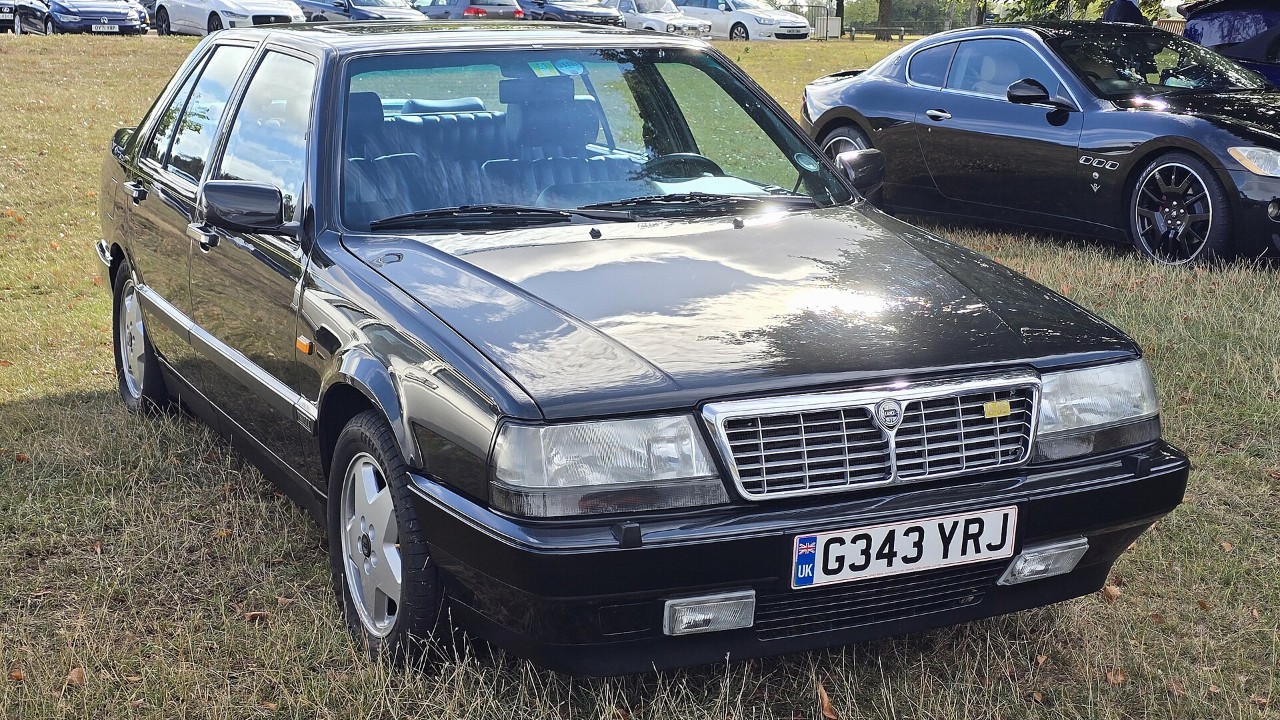
The Thema 8.32 debuted at the 1986 Turin show with a 2.9-liter Ferrari V8, and production ran until 1992. According to the Lancia Motor Club, Ducati assembled some of the engine parts from castings made at Maranello. Without a catalytic converter, the engine made 215 PS at 6,750 rpm, while catalyzed cars made 205 PS.
The name is simple: eight cylinders and 32 valves. Speedhunters says the 2,927 cc V8 came from the Ferrari 308, but with a cross-plane crankshaft instead of a flat-plane one for more low-end torque. It also had a retractable rear spoiler, and Speedhunters says it cost almost double a regular 2.0-liter Thema 16-valve.
More from Fast Lane Only
- Unboxing the WWII Jeep in a Crate
- 15 rare Chevys collectors are quietly buying
- 10 underrated V8s still worth hunting down
- Police notice this before you even roll window down
This article was created with the help of AI and was reviewed and edited by Fast Lane Only editors before publication.